At a glance
Colorful
Peaceful
Plant-safe
Sensitive
Description
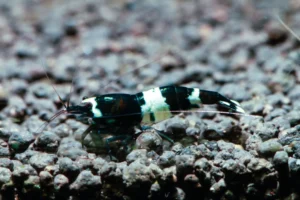
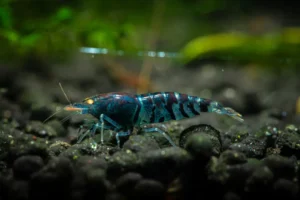
Blue Bolt Shrimp are a striking variant of Caridina cantonensis prized for deep blue body coloration and contrasting spots. They are peaceful, slow-moving grazers that are safe with plants and help keep biofilm under control. Care requires stable, soft acidic water and attention to mineral balance to support molts. They are best kept in well-planted, low-stress aquascapes with plenty of hiding places.

Quick overview
Blue Bolt Shrimp, Blue Bolt
20 liters (5 gallons) for a colony
Ideal aquarium setup
A planted nano or larger aquascape with soft, acidic water and stable parameters suits Blue Bolts; include abundant mosses and leaf litter for grazing. Provide multiple hides and gentle filtration to avoid strong currents and protect delicate molts. Keep the tank quiet and established so biofilm and microfauna can develop for natural grazing.
A small colony does well in 20–40 liters (5–10 gallons), but 40+ liters (10+ gallons) is preferable for larger groups and stability. More water volume makes it easier to maintain stable water chemistry and reduces sudden swings.
Moderate lighting encourages plant growth and biofilm without stressing shrimp; very bright light can reduce visible activity as shrimp seek shade. Aim for a balance that supports moss and low-light plants to maximize grazing surfaces.
Blue Bolt Shrimp are fully plant-safe and will not browse healthy plants, so stock the tank with mosses, carpet plants, and Java fern. Dense planting provides surfaces for biofilm and cover for shy individuals.
Low to moderate, gentle flow to keep biofilm moving without stressing shrimp.
Prefer acidic buffering aquarium soils that help maintain low pH and KH typical for Caridina, or use inert substrate with peat/RO mixing to achieve soft water. Active shrimp soils are commonly used to keep parameters stable.
Include Java moss, Christmas moss, and clumps of marimo or leaf litter for grazing and nursery shelter. Add small crevices and caves using driftwood and stones so shrimp can hide during molts.
Behavior and temperament
Blue Bolts are peaceful, skittish shrimp that prefer to move slowly through moss and leaf litter while grazing. They do best in groups and display more confident behavior in colonies. Molting makes them vulnerable so they hide frequently until the new exoskeleton hardens. Activity peaks during dawn and dusk when grazing surfaces are most productive.
Molting and health
Molting occurs regularly as shrimp grow and then slows in adults; frequent successful molts indicate good mineral availability and stable water. Problems include failed molts from mineral deficiency or sudden parameter swings and missing shrimp after molts is often predation or poor water chemistry. Keep calcium and trace minerals available and avoid abrupt changes during molting periods.
- Provide commercial shrimp minerals or mineral supplements to support healthy molts
- Keep water parameters very stable with small frequent water changes
- Supply calcium sources like cuttlebone or mineral blocks in the tank
Diet and feeding
Blue Bolts are omnivorous scavengers that graze biofilm, algae, and detritus but benefit from supplemental feeding in aquaria. Offer quality shrimp-specific pellets or wafers sparingly and rotate foods to provide balanced nutrition. Avoid overfeeding and remove uneaten food to maintain water quality.
What they eat in nature
biofilm, algae, detritus, plant matter, microorganisms
What to feed in the aquarium
- Shrimp-specific pellets
- Algae wafers
- Blanched zucchini or spinach
- Leaf litter such as Indian almond leaves
- Powdered foods for juveniles
Feeding schedule
Feed small portions every other day or 2–3 times per week, only what the colony can consume within a few hours.
Special dietary needs
Require balanced mineral content and calcium for successful molts, so include mineral supplements or natural sources.
Daily:
Perform a quick visual check daily to ensure shrimp are active and to spot uneaten food or molting issues. Spot feed lightly only if biofilm seems insufficient.
Weekly:
Do a small water change weekly or biweekly (10–20%) with matched water to maintain stability and remove excess organics. Offer a slightly larger supplemental feeding once or twice weekly but remove leftovers.
Always:
Always provide constant surfaces for biofilm growth and a steady supply of trace minerals for molts. Maintain stable temperature and chemistry as Caridina are sensitive to sudden changes.
Tankmate compatibility
Blue Bolts are best with peaceful, small tankmates; avoid anything large or predatory that will eat shrimp. They are vulnerable during molts so cautious selection of companions is important.
Yes with caution Yes with caution: they can be kept with other Caridina varieties but avoid mixing different grade or species if you want to preserve strain purity and similar water needs.
Yes, they coexist well with peaceful freshwater snails such as nerites and ramshorn, which share grazing surfaces without competing aggressively.
Small nano fish like ember tetras, celestichthys rasboras, and Otocinclus can be suitable if the fish are too small to prey on adults. Keep stocking light and provide dense cover so shrimp can escape.
Avoid semi-aggressive or larger fish such as cichlids and larger barbs as they will hunt shrimp and stress the colony. Even curious fish can eat juveniles and freshly molted individuals.
Blue Bolts thrive in colonies and display natural social behavior when kept in groups; more individuals also improve breeding success. Provide space and stable conditions to avoid dominance or stress in dense populations.
Breeding
Breeding Blue Bolts is possible in home aquaria but requires stable, soft acidic water and consistent parameters for successful hatching. They produce miniature versions of adults and do not require saltwater for larval stages like some other shrimp. Good husbandry and lots of biofilm or moss make rearing juveniles much easier.
Difficulty
Breeding is moderately difficult for beginners because Caridina demand very stable, soft, acidic water and are sensitive to parameter swings. Maintaining low GH/KH and consistent mineral availability is the main challenge.
How they breed
Females carry eggs under the abdomen until hatching.
Best setup for breeding
Use a heavily planted tank with mosses, leaf litter, and stable water parameters; a small breeder tank or well-planted nursery area reduces predation on juveniles. Keep filtration gentle and maintain consistent temperature and soft water to improve survival.
Feeding the babies
Juveniles feed on biofilm and microfauna and will accept powdered foods and infusoria; provide dense moss and aged leaves for grazing. Offer finely powdered commercial foods and ensure plenty of microhabitat for shelter.
Pro tips
Use reverse osmosis water mixed to target soft parameters for consistency.
Introduce Indian almond leaves to boost biofilm and tannins beneficially.
Avoid copper-containing products and test treatments before use.
Parameter swings
Sudden pH or hardness changes cause stress and failed molts; small frequent water changes with matched water help prevent this.
Failed molts
Failed or difficult molts usually indicate mineral deficiency or poor water quality and can lead to fatalities if not addressed quickly.
Predation and loss
Juveniles and freshly molted adults are vulnerable to fish and even larger shrimp; provide dense cover and avoid predatory tankmates.
Typical beginner mistakes
- Large water changes with untreated tap water
- Overfeeding leading to ammonia spikes
- Keeping with incompatible or predatory fish
Short summary
Blue Bolt Shrimp are a visually striking Caridina that need soft, acidic water and careful husbandry. They are peaceful, plant-safe, and best kept in planted colonies with stable parameters. They suit intermediate aquascapers who can maintain consistent water chemistry.
Frequently asked questions (FAQs)
Are Blue Bolts hard to keep?
They are more sensitive than Neocaridina and need stable soft acidic water, so intermediate experience is helpful.
Can they live with plants?
Yes, they are fully plant-safe and actually benefit from mosses and leaf litter for grazing.
Do they need special minerals?
Yes, provide trace minerals and calcium sources to support healthy molts and growth.
How often should I feed them?
Feed small portions every other day or a few times weekly and remove uneaten food promptly.
Can Blue Bolts breed in a community tank?
They can breed but juveniles are vulnerable; a well-planted tank with no predators improves survival.
What water parameters are ideal?
Aim for pH 6.0–6.8, GH 4–6 dGH, soft acidic conditions and stable temperature around 20–24°C.