At a glance
Shy
Colorful
Plant-safe
Sensitive
Description
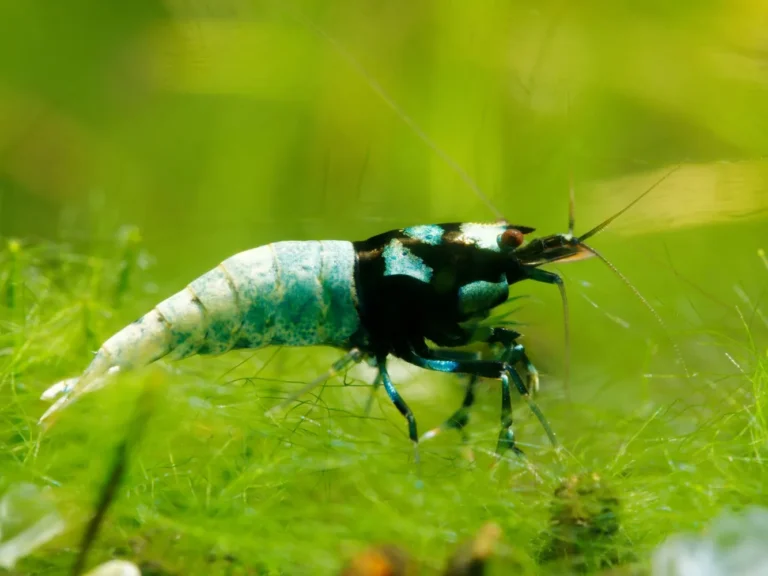
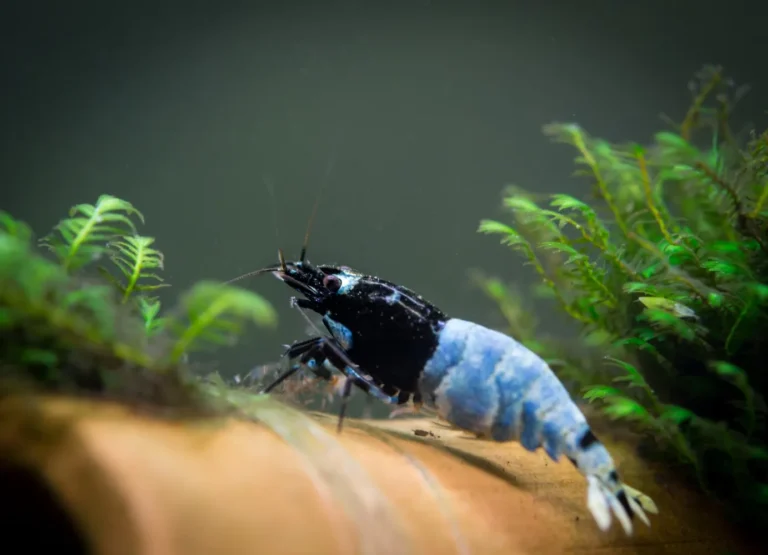
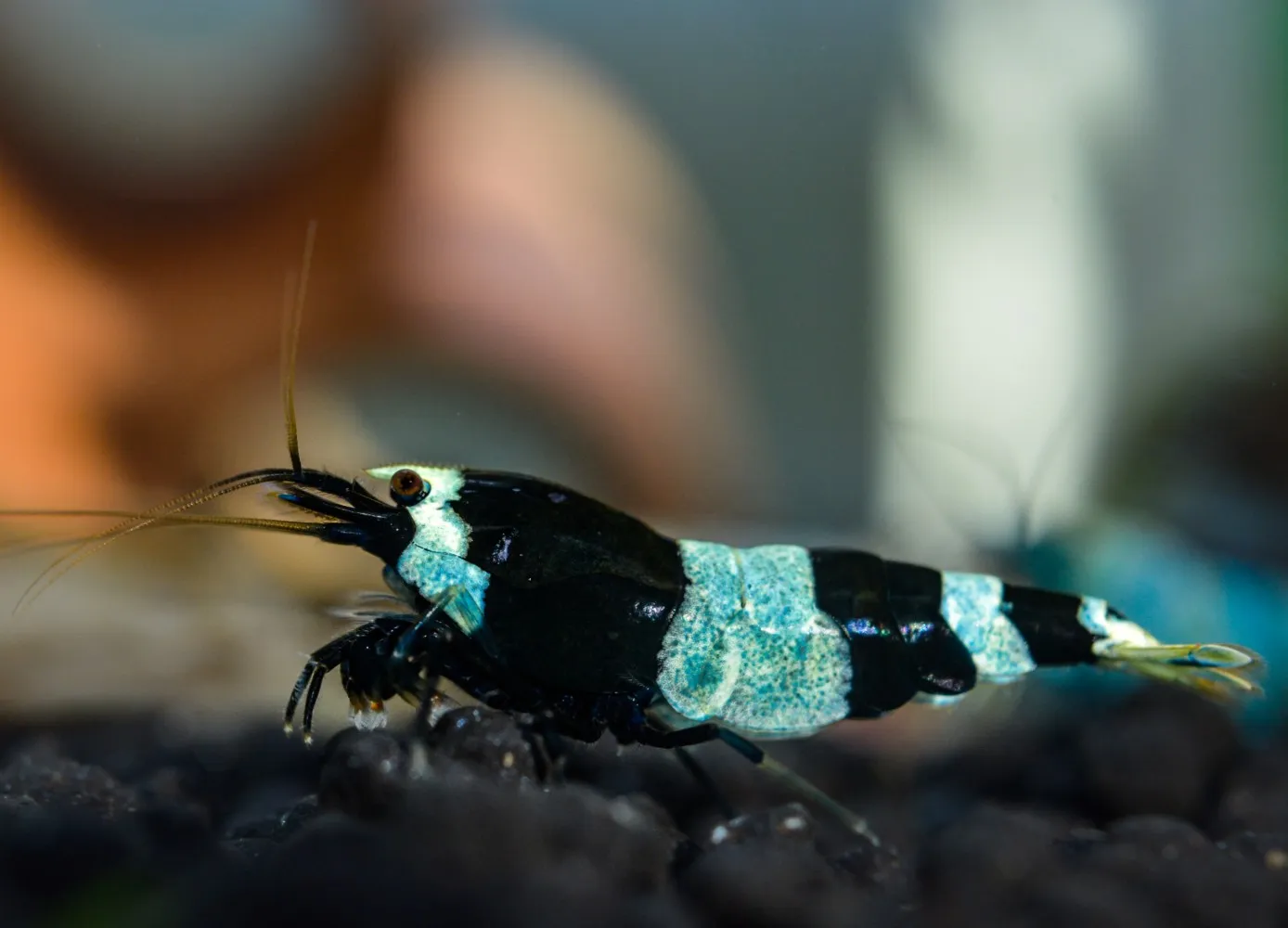
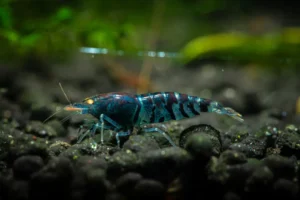
Shadow Bee Shrimp (Caridina cantonensis) are a delicate Caridina bee shrimp known for dark, contrasting patterns and subtle iridescence. They are fully plant-safe and prefer grazing on biofilm and detritus rather than nipping plants. Shadow Bees are peaceful but sensitive to water chemistry and require soft, acidic water and stable conditions. With attentive care they thrive in planted aquascapes rich in moss and natural hiding spots.

Quick overview
Shadow Bee Shrimp, Shadow Bee, Taiwan Bee
20 liters (5 gallons) for a colony
Ideal aquarium setup
Mimic a shaded woodland stream with lots of mosses, leaf litter, and low-to-moderate planting density to promote biofilm. Provide plentiful small hides and stable, mature water chemistry because Shadow Bees are sensitive to swings. Use gentle filtration and avoid copper-based treatments to keep shrimp safe.
A 20 liters (5 gallons) tank can house a small colony, but 40+ liters gives far better stability and space for a larger group. Prioritize stability and surface area over height for grazing space.
Moderate to low lighting encourages biofilm growth and keeps shrimp active and less stressed; very bright light often drives them into hiding and promotes nuisance algae. Balance light to favor mosses and lower-light carpeting plants.
Fully plant-safe; they particularly enjoy mosses and fine-leaved plants that grow biofilm like Java moss and Christmas moss. Plants provide cover and feeding surfaces without risk of being eaten.
Low to moderate flow to keep water oxygenated and prevent detritus buildup while not stressing shrimp with strong currents.
Use an active, buffering aquarium soil to help maintain low pH and soft water preferred by Caridina shrimp, or a neutral fine substrate if you are dosing to control hardness.
Include driftwood, smooth rocks, and dense moss patches to create crevices and grazing surfaces. Leaf litter and cholla wood are excellent for biofilm and nursery areas.
Behavior and temperament
Shadow Bees are peaceful, shy shrimp that do best in groups and rarely show aggression. They spend much of their time grazing on biofilm on mosses, wood, and leaves. Molting makes them vulnerable, so they hide frequently before and after molts. They are more active during low light and in well-established tanks rich in microorganisms.
Molting and health
Molting occurs regularly as shrimp grow, with adults molting less often than juveniles; healthy molts are usually quick and complete. Trouble signs include stuck molts, lethargy, or blackening of the shell, often caused by mineral deficiency or unstable water. Stable parameters and adequate mineral levels are key to successful molts and overall health.
- Maintain stable soft acidic water and avoid rapid changes
- Provide mineral supplements or occasional cuttlebone for calcium
- Keep regular gentle water changes and add leaf litter for biofilm
Diet and feeding
Shadow Bees are omnivorous scavengers that spend most time grazing on natural biofilm, algae, and detritus. Offer varied supplementary foods to ensure nutrition without overfeeding, focusing on small portions of shrimp-specific pellets, blanched vegetables, and biofilm-building leaves. Avoid heavy feeding that fouls the water and monitor consumption.
What they eat in nature
biofilm, algae, detritus, plant matter, microorganisms
What to feed in the aquarium
- Shrimp-specific pellets
- Blanched vegetables like zucchini and spinach
- Dried leaf litter (Indian almond leaves)
- Algae wafers sparingly
- Powdered baby shrimp foods and infusoria
Feeding schedule
Feed small portions every 1–2 days, only what they can finish within a few hours to avoid water quality issues.
Special dietary needs
Require calcium and trace minerals for healthy molts, so supplement if tank water is very soft or demineralized.
Daily:
Check shrimp activity daily and remove any uneaten food to prevent ammonia spikes and poor water quality.
Weekly:
Perform small weekly water changes (10–20%) and dose trace minerals as needed to keep parameters stable and support molts.
Always:
Always monitor water chemistry and avoid copper or harsh medications that are toxic to shrimp.
Tankmate compatibility
They are very peaceful and do best with other small, nonpredatory species; avoid larger or predatory fish that will eat shrimplets. Provide hiding places to reduce stress when fish are present.
Yes with caution: Compatible with other Caridina varieties that share similar soft acidic requirements, but mixing with Neocaridina is not ideal unless parameters suit both types.
Yes, they coexist well with calm, plant-safe snails like nerites and small ramshorn snails that won't compete aggressively for food.
Small nano fish such as ember tetras, pygmy rasboras, and otocinclus catfish are generally safe tankmates when the aquarium has plenty of cover.
Avoid semi-aggressive or larger species like larger barbs, gouramis, and most cichlids as they may harass or eat shrimp; even curious fish can stress shrimp.
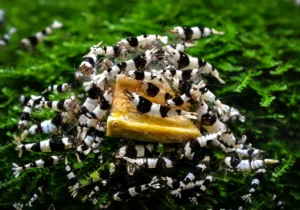
They are social and happiest in colonies where natural behaviors and breeding occur; a larger group reduces stress and increases visible activity. Keep at least a dozen to maintain a stable social structure and breeding success.
Breeding
Breeding is possible in home aquaria but requires stable, soft acidic water and good biofilm for juveniles. Females carry and tend to multiple clutches in a good setup; success depends on low stress and steady conditions.
Difficulty
Breeding is more challenging than Neocaridina because Caridina require tighter control of pH, GH, and low TDS, so steady parameters and patience are necessary.
How they breed
Females carry eggs under the abdomen until hatching.
Best setup for breeding
A planted tank with abundant moss, leaf litter, and stable low TDS water is ideal; a small separate breeder tank can improve survival of juveniles. Keep filtration gentle and provide plenty of microhabitat for baby shrimp to hide and feed.
Feeding the babies
Juveniles feed on biofilm and microorganisms; supplement with powdered foods, infusoria, and very fine crushed shrimp foods. Ensure constant availability of natural biofilm by using leaf litter and mature tank surfaces.
Pro tips
Prioritize water stability over aggressive parameter chasing for long-term success.
Introduce plenty of moss and alder leaves to boost natural food sources.
Use a sponge filter or prefilter to protect babies during filtration.
Parameter swings
Rapid changes in pH, GH, or temperature can cause stress, failed molts, and mass losses; keep changes slow and small.
Poor molt recovery
Insufficient minerals or poor water quality can lead to stuck molts and death; supplement minerals and maintain clean water.
Predation risk
Even small fish can prey on juveniles and stressed adults, so provide dense cover or avoid fish that view shrimp as food.
Typical beginner mistakes
- Overfeeding causing poor water quality
- Mixing incompatible species
- Rapid water parameter changes
Short summary
Shadow Bee Shrimp (Caridina cantonensis) are attractive, plant-safe bee shrimp that require soft acidic water and stable conditions. They are peaceful but sensitive, suited to intermediate to advanced aquascapers who can maintain consistent water chemistry and a biofilm-rich environment.
Frequently asked questions (FAQs)
Are Shadow Bee Shrimp difficult to keep?
They are moderately challenging due to sensitivity to water chemistry and require stable soft acidic water and careful maintenance.
What water parameters do they prefer?
They prefer pH 6.0–6.8, GH about 4–6 dGH, low KH, and temperatures around 20–24°C (68–75°F).
Can I keep them with Neocaridina shrimp?
Yes with caution because Neocaridina tolerate harder water; mixing risks stressing one group unless parameters are carefully matched.
How often should I feed Shadow Bees?
Feed small portions every 1–2 days, only what is consumed within a few hours to avoid fouling the tank.
How do I help them molt successfully?
Provide stable water, adequate calcium and trace minerals through supplements or cuttlebone, and plenty of biofilm for nutrition.
When will juveniles reach maturity?
With good conditions juveniles typically mature in a few months, though growth rate depends on temperature, food, and water quality.