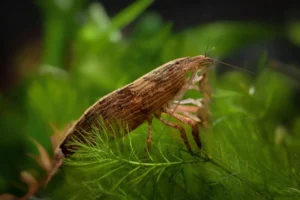
At a glance
Filter feeder
Large size
Plant safe
Peaceful
Description
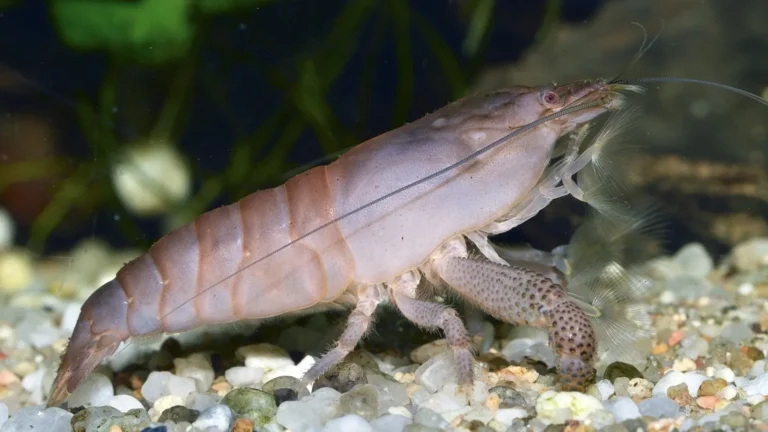
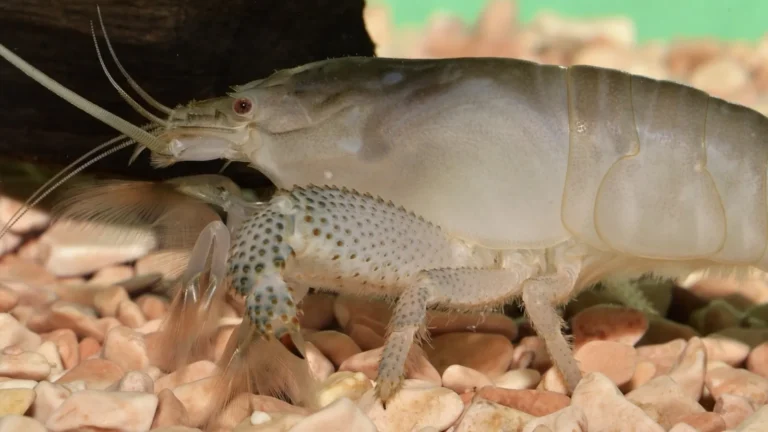
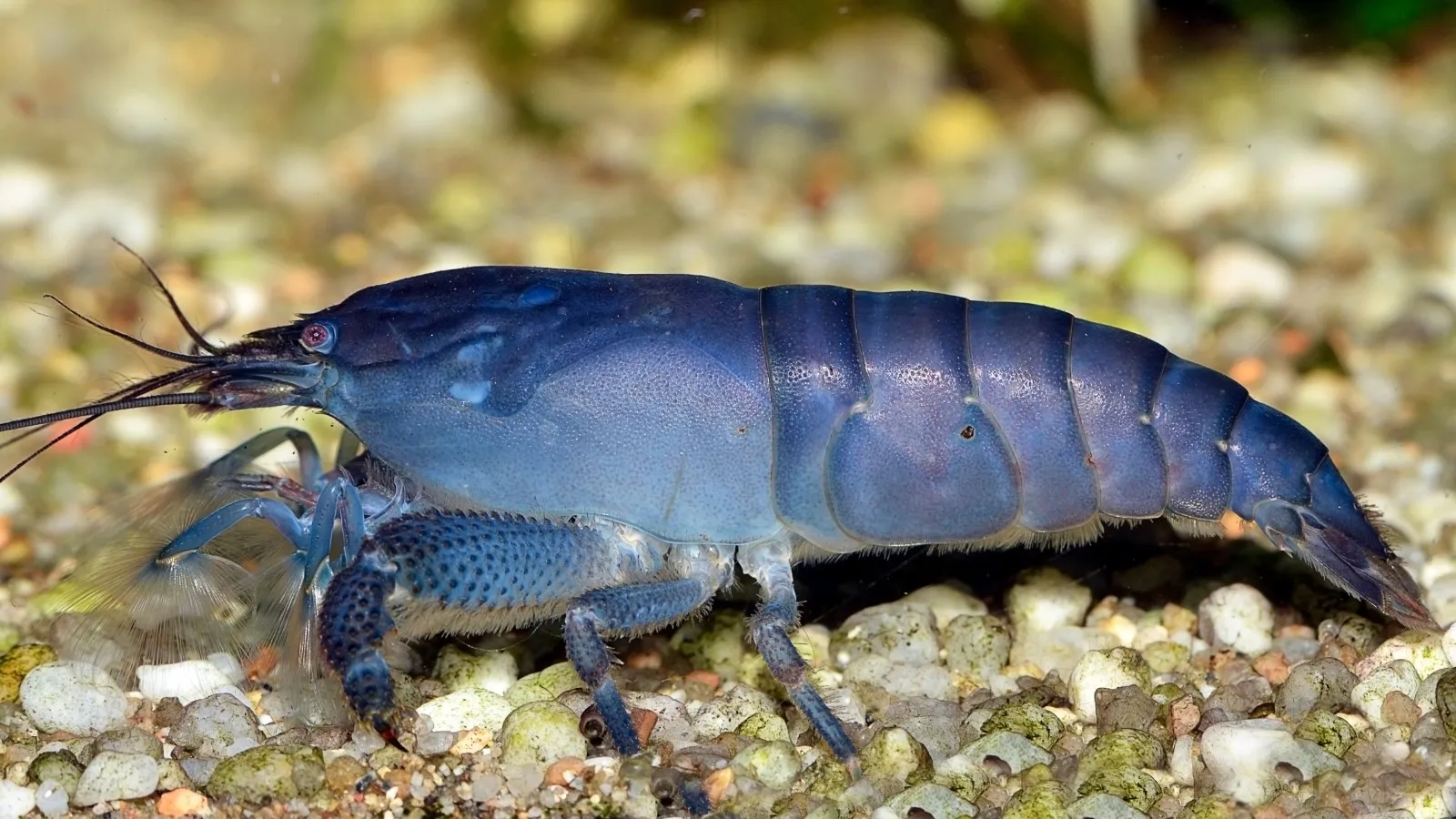
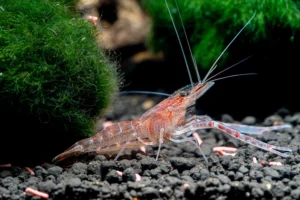
African Filter Shrimp is a large, peaceful freshwater shrimp known for its fan-like filtering appendages and graceful appearance. Atya gabonensis is usually pale to reddish-brown and does not harm plants, preferring to occupy open areas of flow. They are specialized filter feeders that need steady water flow and suspended fine particles or powdered foods. Care focuses on stable water quality, adequate flow, and regular provision of fine particulate foods.

Quick overview
African Filter Shrimp, Gabon shrimp, Atya shrimp
80 liters (20 gallons) for a colony
Ideal aquarium setup
Recreate a riverine habitat with strong filtered flow, open swimming space, and calmer pockets near rocks or wood for shelter. Include plenty of stable hiding spots and gentle filtration that produces suspended particles the shrimp can capture. Prioritize water stability and avoid frequent large parameter swings to keep them healthy.
These shrimp grow large and do best in tanks starting around 80 liters for a small group; larger setups give more consistent flow and food availability. Aim for more space when keeping a true colony to reduce competition for suspended food.
Moderate lighting helps grow biofilm and algae that contribute to their diet while avoiding excessive algal blooms that foul the water. Too bright light may reduce biofilm in shaded flow pockets where they prefer to feed.
Fully plant-safe and will not eat healthy plants; use sturdy species and floating cover to create shaded flow pockets. Mosses and fine-leaved plants can host biofilm the shrimp will graze on.
Moderate, to keep food particles suspended for filter feeding and to simulate their natural riverine environment.
Fine sand or smooth gravel is best to protect their legs and allow natural digging without abrasion.
Provide large pieces of driftwood, stones, and crevices where flow slows and the shrimp can anchor their fan appendages. Add clumps of moss or java moss in calmer pockets to increase biofilm and offer nursery areas.
Behavior and temperament
African Filter Shrimp are peaceful and largely non-confrontational, spending much of their time anchored in current capturing particles. They do well in groups but may space themselves out along available flow zones to avoid competition. Molting is a vulnerable time and they retreat into hides until the new exoskeleton hardens. They are most active while water is moving and feed during daylight and evening hours.
Molting and health
They molt regularly as they grow, often every few weeks for juveniles and less frequently for adults; successful molts need adequate minerals and stable water. Signs of molting problems include stuck molts, soft shells for extended periods, or lethargy, which often point to low calcium or poor water quality.
- Maintain stable water chemistry and regular small water changes
- Provide bioavailable minerals or a cuttlebone for calcium
- Offer varied, fine particulate foods to build reserves before molts
Diet and feeding
They are specialized filter feeders that capture suspended detritus and microorganisms with their fan-like claws, so most nutrition comes from fine particles and biofilm. In the aquarium offer regular small portions of powdered and liquid foods to simulate natural suspended matter while allowing biofilm to develop. Avoid large sinking chunks that they cannot filter effectively.
What they eat in nature
biofilm, algae, detritus, plant matter, microorganisms.
What to feed in the aquarium
- Powdered filter feeder foods
- Liquid phytoplankton and microalgae
- Fine powdered shrimp pellets
- Blanched vegetable puree
- Biofilm wafers
Feeding schedule
Feed small amounts daily or several tiny portions throughout the day so particles remain available without overloading the tank.
Special dietary needs
Require good mineral levels and available calcium to support healthy molts and shell formation.
Daily:
Offer tiny supplemental feedings and observe filtering behavior to ensure they are capturing particles; remove uneaten concentrated food quickly.
Weekly:
Perform partial water changes and check filter cleanliness to maintain consistent flow and water quality.
Always:
Keep parameters stable, maintain consistent moderate flow, and ensure a steady source of fine particulate food or biofilm.
Tankmate compatibility
They are peaceful and can coexist with other gentle species but are vulnerable to predation by larger or aggressive fish. Because they are slower and often stationary while feeding, choose tankmates that will not nip or compete aggressively for the same food.
Compatible with most snail species; snails are generally harmless and can help process detritus.
Choose small, non-aggressive fish such as otocinclus, small rasboras, and tiny tetras like
neon tetra that will not prey on shrimp. Avoid species known to pick at invertebrates even if they are small.
Medium or semi-aggressive fish and large cichlids may see shrimp as food, especially juveniles and freshly molted individuals; avoid mixing these. Any fish that nips or forages actively along the bottom poses a risk.
They are social and do well in groups, spreading along available flow zones to reduce competition. A colony structure forms around good feeding currents and available hiding places.

Breeding
Breeding is challenging in the home freshwater aquarium because larvae of many Atya species require different salinity stages and planktonic conditions. While females carry eggs in freshwater, rearing the young often requires specific brackish or marine planktonic phases that are difficult to replicate.
Difficulty
Breeding is hard because larvae typically need planktonic food and often a change in salinity for successful development, conditions that are difficult to provide in a standard freshwater tank.
How they breed
Females carry eggs under the abdomen until hatching.
Best setup for breeding
Provide dense moss and calm nursery pockets for newly hatched juveniles and maintain pristine water and steady flow; for true larval rearing be prepared to replicate brackish conditions and provide microplankton. Stable parameters and minimal disturbance are essential for any successful attempt.
Feeding the babies
Young shrimp and larvae need very fine foods such as powdered microfoods, infusoria, and microplankton; biofilm and liquid foods are critical in the early stages. Frequent tiny feedings help ensure larvae find enough suspended particles without fouling the water.
Pro tips
Use sponge prefilters or mesh to protect fan appendages from strong filters while keeping good flow.
Offer a mix of powdered and liquid foods to mimic the suspended particles they capture in the wild.
Keep plenty of shaded flow pockets and hiding spots to reduce stress during molts.
Poor water quality
High nitrate or ammonia and sudden parameter swings quickly stress these shrimp and impair molting. Regular small water changes and careful monitoring prevent most issues.
Insufficient flow
Too little current reduces available suspended food and causes competition and poor condition. Ensure moderate flow with calmer refuges so shrimp can feed and rest.
Molting failure
Lack of minerals or sudden water changes can lead to stuck molts or soft shells; provide calcium sources and stable conditions.
Typical beginner mistakes
- Keeping in tanks that are too small or low flow
- Overfeeding large particles that foul water
- Mixing with aggressive fish that prey on shrimp
Short summary
African Filter Shrimp (Atya gabonensis) is a peaceful, large filter-feeding shrimp that needs steady flow and fine particulate food. They are plant-safe and interesting to watch but require stable water, good mineral levels, and appropriate flow, making them a medium to advanced care choice. Breeding is difficult for hobbyists due to larval requirements.
Frequently asked questions (FAQs)
Are African Filter Shrimp plant safe?
Yes; they do not eat healthy plants and are considered plant-safe.
How much flow do they need in the aquarium?
They need moderate flow to keep food suspended and simulate their riverine habitat. Provide areas of strong flow with some calmer pockets for resting.
What do I feed them in a tank?
Feed powdered filter foods, liquid microalgae, and fine powdered pellets while encouraging biofilm growth. Remove excess to avoid fouling the water.
Can they live with small fish like tetras?
Yes with cautious selection of non-aggressive species that will not nip or eat shrimp. Provide hiding spots and space so shrimp can avoid curious fish.
Do they need special minerals for molts?
Yes; available calcium and stable mineral levels help successful molts and strong exoskeletons. Adding a cuttlebone or mineral supplement can help.
Is breeding them possible in freshwater?
Breeding in pure freshwater is extremely difficult because larvae often require planktonic food and different salinity stages for development. Most hobbyists are unable to rear larvae to adulthood without specialized equipment.