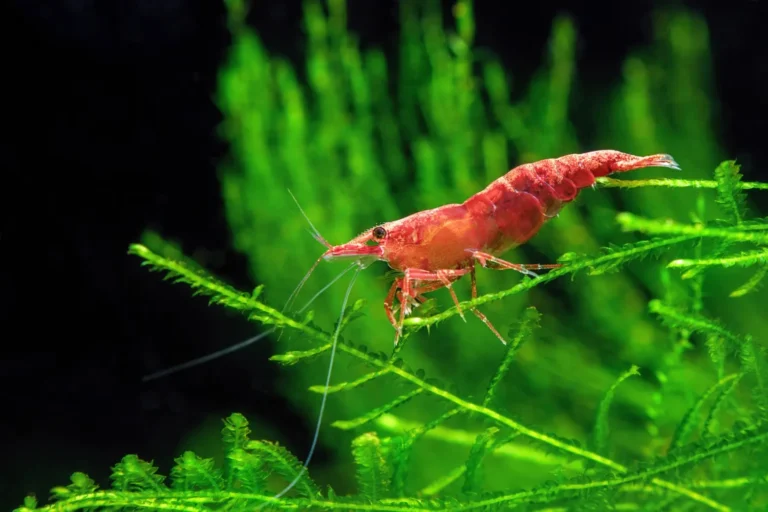
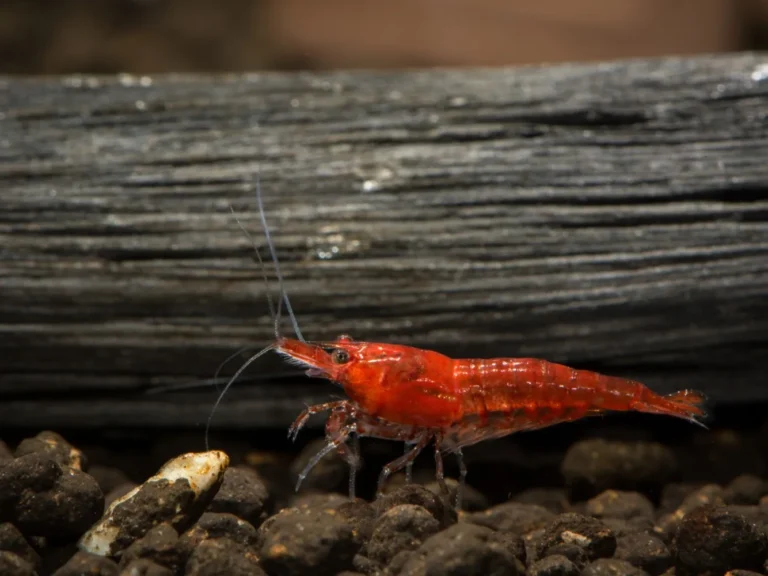
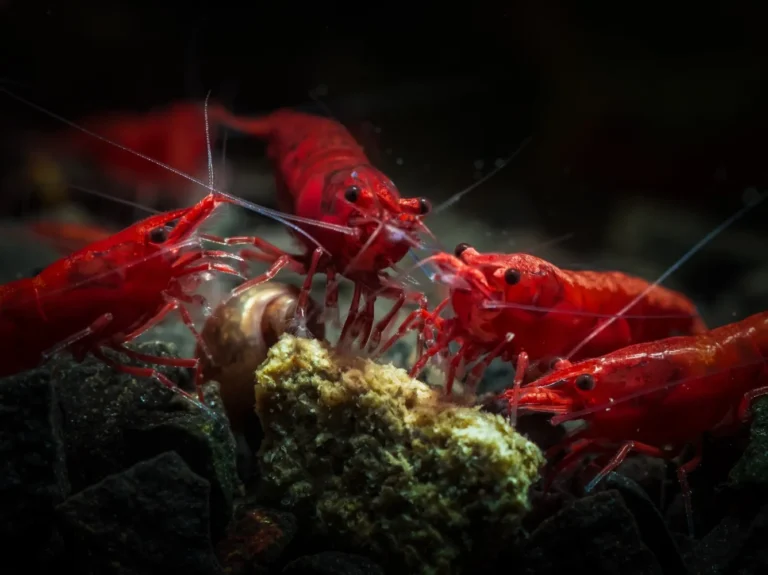
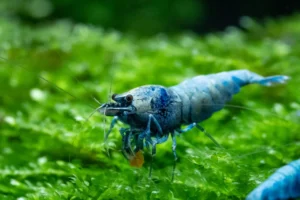
Red Cherry is a popular, easygoing colour morph of Neocaridina davidi prized for its bright, uniform red tones and strong contrast in planted tanks. Individuals range from translucent red to deep, opaque cherry depending on grading and health. The colour works well as a focal point in green aquascapes and shows up best against darker substrates and lush planting. With stable water and a mineral-balanced diet you can maintain vivid colour across the colony.
Red Cherry stands out for its broad range of red intensity, from light translucent red to deep opaque cherry, and for the way colour is graded across individuals in a colony. The morph is prized for solid coverage and contrast rather than intricate patterns, and stability depends on selective breeding, good diet and stable water chemistry. Environmental factors like substrate tone, light and diet influence saturation, so you will often see stronger reds on darker substrates and in well-fed, mineral-balanced tanks.
Quick overview
Common name(s)
Red Cherry, Cherry shrimp, RCS
Color line
Red Cherry
Latin name
Neocaridina davidi
Size
~2–3 cm
Temperament
Peaceful
Tank level
Lower levels
Minimum tank size
5 gallons (19 L)
Water type
Freshwater
Difficulty
Easy
Ideal aquarium setup
Red Cherry stands out in planted aquascapes where dense green growth gives contrast; they add movement and colour to foregrounds and midground carpeting. Use a dark substrate to deepen reds while pale substrates will make them appear lighter, and avoid direct glare; balanced lighting brings out good saturation while too-bright light can wash colour and encourage algae growth. Include mosses, ferns, driftwood and fine-leaved plants for grazing surfaces and hiding spots, and keep stable parameters with gentle filtration and regular water changes.
Behavior and temperament
They are active grazers that spend most of their time picking at biofilm and surfaces, so you will see them frequently if the tank has coverage and food. They are social and do best in groups, showing little aggression toward conspecifics and generally avoiding conflict with peaceful tankmates.
Molting, health and color quality
Colour quality is a good indicator of general health; consistent bright red usually means adequate minerals, a varied diet and stable water. Sudden colour loss, translucent patches or stalled growth often point to nutritional gaps, low GH or poor water quality and should prompt testing and diet adjustments. Juveniles often hatch pale and gradually gain full red as they mature and consume biofilm and nutrient-rich foods, so allow good hiding spaces and gentle conditions to let them develop full pigmentation.
Diet and feeding
Red Cherry graze all day on biofilm and detritus and you should feed supplementary foods 2–3 times per week. Exceptionally clean tanks with little biofilm may need slightly more regular feeding to keep juveniles growing well.
How to improve their color with food
Feed spirulina flakes weekly to boost natural pigments
Offer chlorella or algae-based foods for green-sourced carotenoids
Use targeted colour foods formulated for red shrimp sparingly
Provide biofilm-supporting foods to encourage natural grazing
Tankmates
Safe tankmates include small, peaceful fish such as micro rasboras, small tetras, and otocinclus, plus snails and other Neocaridina varieties. Avoid larger or aggressive fish that will prey on juveniles. If breeding is a priority, consider a shrimp-only tank to maximise survival of young and reduce stress.
Breeding Red Cherry Shrimp
Breeding Red Cherry is straightforward because they are prolific and tolerant of a range of conditions; maintain stable water, provide plenty of hiding spots and a mineral-rich diet to encourage healthy broods. Expect variable offspring where some juveniles can be paler or show lighter grading; maintaining selection pressure by breeding the deepest red individuals will improve line quality over a few generations.
How to keep the colony strong
Keep stable parameters and avoid rapid changes to reduce stress
Feed a varied diet including mineral supplements and colour foods
Maintain dense planting and hiding places to protect juveniles
Cull or remove very pale individuals if aiming to improve colour line
Common problems
Colour fade
Colour can fade from stress, low minerals or poor diet; improve water stability, add mineral supplements and feed colour-enhancing foods to recover saturation. Selectively breeding the deeper individuals will also improve colour over generations.
Molting problems
Stalled or failed molts often stem from low calcium or magnesium and sudden parameter swings; maintain stable GH and provide regular water changes and mineral-rich foods to help successful molts. Remove stressed or injured shrimp until they recover to reduce complications.
Poor water quality
Ammonia, nitrite spikes or large fluctuations cause lethargy and loss of colour; test regularly and correct by water changes, reducing feeding and checking filtration to restore safe conditions. Slow, consistent parameter changes are far better than sudden corrections.
Predation risk
Young shrimp are vulnerable to fish and crabs that hunt small prey; provide dense planting and hiding spots to improve survival and remove aggressive tankmates if you want higher recruitment. For reliable breeding keep them in a species-only setup or with only very peaceful micro fish.
Similar color variants (and how they compare)
Sakura Red
Sakura Red tends to be a softer, more translucent pink-red with less opacity than Red Cherry, offering a delicate look rather than intense saturation. It responds similarly to substrate and diet but never reaches the deep cherry tones of higher-grade Red Cherry.
Painted Fire
Painted Fire shows patchy or banded red over a clearer body and emphasises pattern rather than uniform colour, so it creates a mottled visual effect compared with the solid coverage of Red Cherry. The overall impact is more variegated and eye-catching in a different way.
Blood Red
Blood Red is a higher-grade line with very deep, nearly opaque red coverage that outshines standard Red Cherry when well kept, but it is less forgiving and may require stricter selection and care to maintain intense saturation. It is the premium choice if you want maximal colour but expect stricter breeding standards.
Short summary
Red Cherry are hardy, bright-red Neocaridina davidi that suit beginners and experienced aquascapers alike. They thrive in planted tanks with stable water, moderate lighting and a mineral-balanced diet. With basic care and selective breeding you can maintain strong colour and a healthy, active colony.
Frequently asked questions (FAQs)
How many should I keep together?
Keep at least 10–20 together so they feel secure and breeding is more likely; larger groups also look more natural in an aquascape.
Can they live with small fish?
Yes, with peaceful micro fish like small rasboras or otocinclus that won’t hunt shrimp; avoid larger or aggressive species that eat juveniles. A shrimp-only tank is best if you want to maximise survival of babies.
Do they need special water parameters?
They are forgiving but prefer stable temperatures around 20–26°C, pH 6.5–8.0 and moderate GH for good colour. Avoid sudden changes and keep parameters consistent for best health.
How often do they breed?
Females carry eggs for about 3–4 weeks depending on temperature and then juveniles appear; in good conditions you can see multiple generations per year. Population growth is steady if predation and water quality are controlled.
Will colour improve with supplements?
Yes, targeted foods with natural pigments plus a varied diet can deepen red tones, but water stability and mineral levels are equally important. Use colour foods, spirulina and biofilm-supporting feeds sparingly to avoid fouling.
How do I tell a male from a female?
Females are generally larger, rounder and often more intensely coloured with a visible saddle or eggs under the abdomen when breeding; males are slimmer and more translucent. Observe behaviour and body shape over time for reliable identification.
Mette Tulin
Mette Tulin is the creator of Aquascapedia, with more than 15 years of hands-on experience in aquascaping, planted aquariums, and freshwater fish, shrimp, crayfish, and snails. She shares practical insights, curated aquatic life profiles, and inspiration to help others build thriving underwater landscapes.
Aquascapedia uses cookies to ensure the website functions properly and to understand how visitors interact with the content. Analytics cookies are only used with your consent.
Necessary
Always active
Required for the website to function properly. These cookies cannot be disabled.
Preferences
The technical storage or access is necessary for the legitimate purpose of storing preferences that are not requested by the subscriber or user.
Analytics
The technical storage or access that is used exclusively for statistical purposes.Used to understand how visitors interact with the website. No personally identifiable information is used, and analytics cookies are only set with your consent.
Marketing
The technical storage or access is required to create user profiles to send advertising, or to track the user on a website or across several websites for similar marketing purposes.