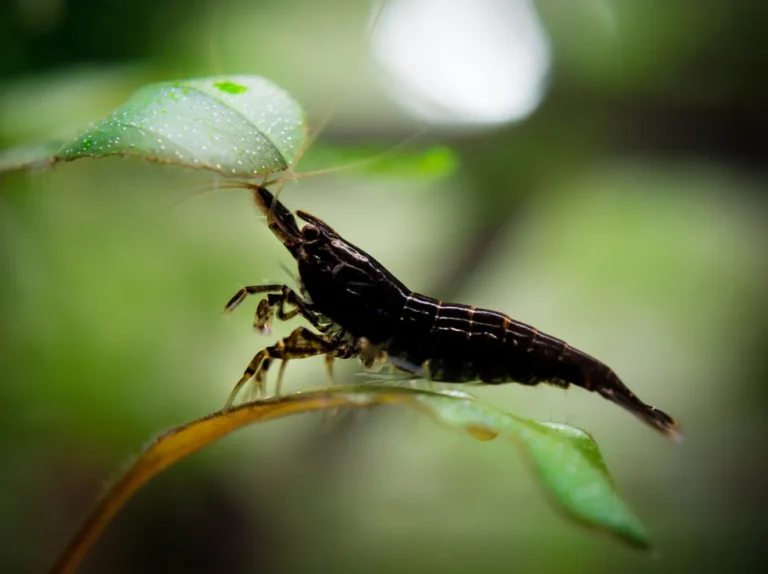
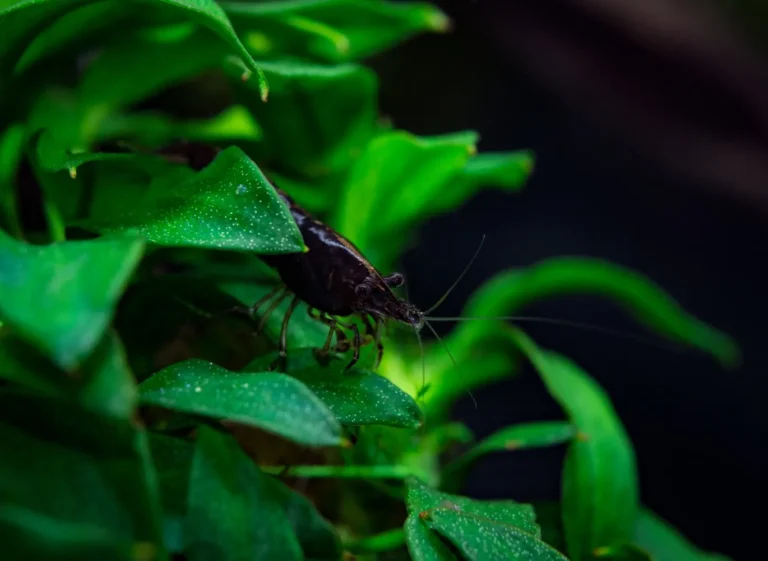
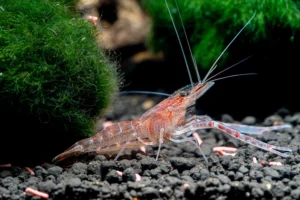
Black Sakura is a dark, high-contrast variant of Neocaridina davidi with a predominantly deep black carapace and occasional red or orange highlights on the abdomen. The heavy pigmentation gives excellent contrast in planted aquascapes and often looks best in groups. They do well in stable, mature tanks where water chemistry and diet support colour development. With straightforward care they are accessible to both beginners and intermediate aquarists.
Black Sakura stands out for its dense, deep black pigmentation that creates strong contrast in planted tanks and highlights. The morph often shows variable red or orange accents that add complexity to the dark background. Grading can range from solid opaque black to specimens with mixed opacity and small markings, and line-bred stock tends to be more stable. Environment, diet and lighting may subtly shift the visibility of red highlights but the core black tone remains the defining feature.
Quick overview
Common name(s)
Black Sakura, Black Sakura shrimp, Sakura black
Color line
Sakura
Latin name
Neocaridina davidi
Size
~2–3 cm
Temperament
Peaceful
Tank level
Bottom and mid
Minimum tank size
5 gallons (19 L)
Water type
Freshwater
Difficulty
Easy
Ideal aquarium setup
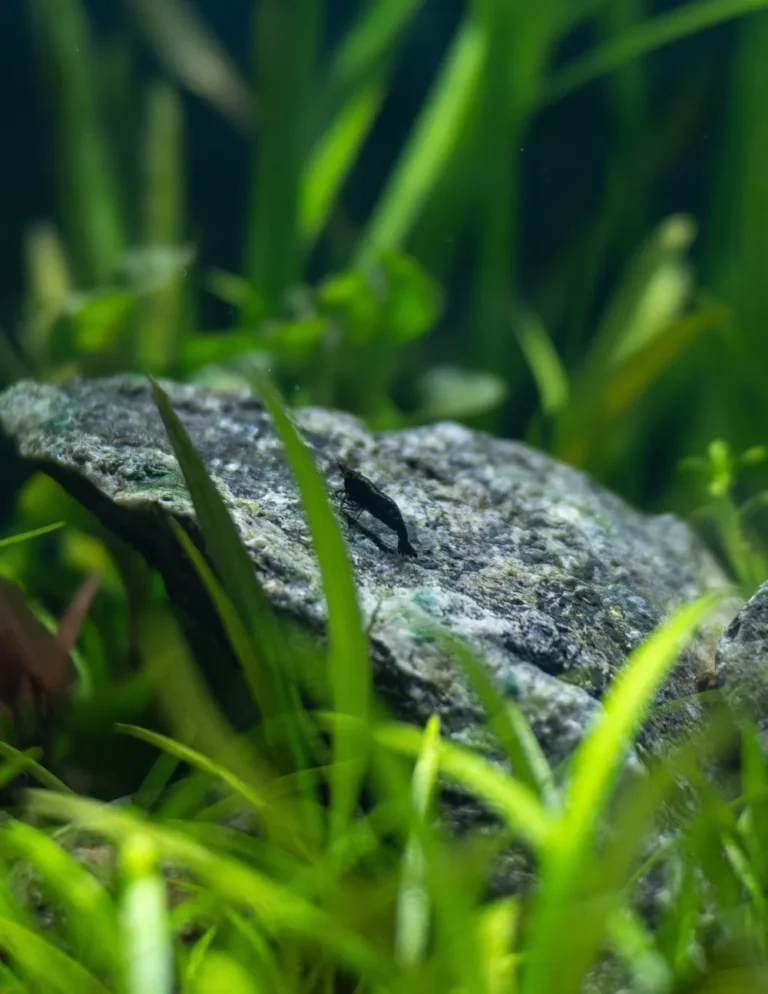
In aquascapes Black Sakura provides striking, dramatic contrast against green plants and lighter hardscape, making them a focal point in foreground and low-mid planting. A dark substrate will deepen the black tones while pale substrate can reveal subtle red undertones. Balanced lighting preserves opacity and prevents bleaching; too bright light can wash out fine markings and make animals more skittish. Pair with mosses, ferns, driftwood and low carpets for natural grazing surfaces and plenty of hiding spots.
Behavior and temperament
These shrimp are calm, active grazers that spend most of their time on leaves, substrate and hardscape. They are social and show better presence in small groups, becoming more visible as they graze together. Around larger or fast fish they will be shy and retreat to cover.
Molting, health and color quality
Colour quality is closely linked to overall health, stable water chemistry and the availability of minerals; robust, regularly molting shrimp usually show the best pigmentation. Poorly timed molts, low mineral availability or sudden parameter changes often cause paler colour and reduced opacity. Juveniles may appear duller until a few successful molts have deposited adult pigments, so consistent food and safe grazing surfaces are important for colour maturation. A varied diet and steady mineral supplementation support both successful molting and deep, even pigmentation across the colony.
Diet and feeding
They graze all day on biofilm and detritus and should be supplemented with feeding 2-3 times per week. Exceptionally clean tanks with little natural biofilm may need slightly more regular feeding to keep juveniles growing.
How to improve their color with food
Spirulina
Chlorella
Colour foods
Support biofilm with leaf litter
Tankmates
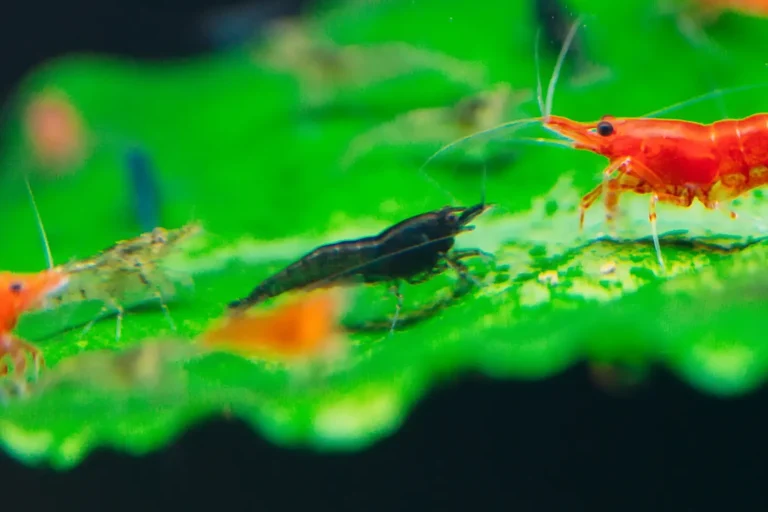
Suitable tankmates include small, peaceful fish such as ember tetras, small rasboras and otocinclus, plus snails like nerites and pond snails. Large or predatory fish will eat juveniles and stress adults, so a shrimp-only tank is recommended if breeding or maximum survival of young is important.
Breeding Black Sakura Shrimp
Black Sakura are generally easy to breed under stable conditions and will produce frequent clutches when adults are healthy and stress-free. Maintaining line quality requires selection of the darkest breeders over several generations, and you may still see throwbacks to paler Sakura tones in early generations.
How to keep the colony strong
Maintain stable water chemistry and regular small water changes
Select the darkest healthy breeders for future generations
Feed a varied diet including spirulina and high-quality foods
Provide abundant moss and hiding places for juveniles
Common problems
Colour fading
Fading often follows stress, poor water stability or insufficient minerals; restore stable parameters, check GH and provide varied food to rebuild pigment. Regular water changes with consistent mineral levels help recover colour over a few weeks.
Molting issues
Failed or delayed molts are commonly caused by low calcium or sudden water parameter swings; add mineral supplements, provide leaf litter and keep conditions stable to improve molting success. Avoid frequent major water chemistry changes.
Poor juvenile growth
Slow growth in juveniles can be due to a lack of biofilm or inadequate nutrition; increase grazing surfaces, supply microfoods and feed small portions more often until they establish. Provide hiding places so juveniles can graze without being outcompeted.
Predation losses
Large or aggressive tankmates will eat young shrimp and can stress adults; move to a species-only tank or choose very peaceful community fish to protect juveniles. Use dense planting and moss to give natural refuges.
Similar color variants (and how they compare)
Black Rose
Black Rose tends to have a slightly warmer black with a noticeable red sheen under the right light, giving a softer, metallic look compared with the denser Black Sakura opacity.
Sakura Red
Sakura Red focuses on intense red coverage rather than deep black; it is brighter and more transparent in areas, so it lacks the high-contrast silhouette of Black Sakura.
Chocolate
Chocolate shrimp display brown tones and lower opacity, resulting in a subtler, earthy appearance rather than the stark black contrast of Black Sakura.
Short summary
Black Sakura is a striking Neocaridina davidi morph prized for its deep black tones and strong contrast in planted tanks. It is generally easy to keep when water chemistry is stable and a varied diet is provided. With basic care and good hiding places these shrimp thrive and breed well in community or species setups.
Frequently asked questions (FAQs)
How dark are Black Sakura shrimp?
They are among the darker Neocaridina lines, with a dense black pigment that gives strong contrast in groups. Individual intensity varies with grading and tank conditions.
Do they show red highlights?
Yes, some individuals show red or orange highlights on the abdomen or tail, especially under certain lighting and diet. These highlights are normal and can add visual depth.
What water parameters are best?
Aim for stable conditions around 20-26°C, pH 6.5-7.5 and moderate GH; consistency is more important than chasing exact numbers. Gentle, regular water changes and a steady mineral supply support health and colour.
Can beginners keep them successfully?
Yes, they are suitable for beginners provided you keep water stable, avoid aggressive fish and offer plenty of grazing surfaces. A small group in a mature tank is a good starting point.
How often do they breed?
They breed readily in good conditions and females will carry eggs frequently; with proper care you can expect regular batches every few weeks. Juvenile survival depends on hiding spots and available biofilm.
Will diet change their colour?
Diet can influence subtle aspects of colour, particularly red highlights; foods rich in natural pigments and a healthy biofilm boost appearance. However, basic black pigmentation mostly reflects genetics and overall health.
Mette Tulin
Mette Tulin is the creator of Aquascapedia, with more than 15 years of hands-on experience in aquascaping, planted aquariums, and freshwater fish, shrimp, crayfish, and snails. She shares practical insights, curated aquatic life profiles, and inspiration to help others build thriving underwater landscapes.
Aquascapedia uses cookies to ensure the website functions properly and to understand how visitors interact with the content. Analytics cookies are only used with your consent.
Necessary
Always active
Required for the website to function properly. These cookies cannot be disabled.
Preferences
The technical storage or access is necessary for the legitimate purpose of storing preferences that are not requested by the subscriber or user.
Analytics
The technical storage or access that is used exclusively for statistical purposes.Used to understand how visitors interact with the website. No personally identifiable information is used, and analytics cookies are only set with your consent.
Marketing
The technical storage or access is required to create user profiles to send advertising, or to track the user on a website or across several websites for similar marketing purposes.