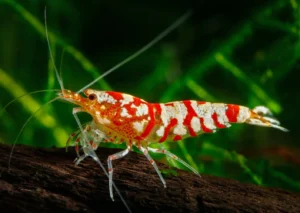
Bloody Mary is a striking deep-red morph of Neocaridina davidi prized for rich saturation and strong visual impact in planted tanks. Its colour can range from translucent crimson to near-opaque red depending on grade and conditions. This morph makes a bold focal point against green plants and dark hardscape when water and diet are consistent. Regular feeding, stable parameters and mineral support keep the red vivid.
The Bloody Mary morph is defined by a deep, saturated red tone and often higher opacity than many other red Neocaridina lines. Grading varies from translucent crimson to near-opaque red, so specimen selection is important for consistent displays. Colour deepens with good diet, stable minerals and low stress, but can fade under bright light, poor nutrition or unstable water. Unlike patterned variants, Bloody Mary relies on solid coverage and saturation for visual impact.
Quick overview
Common name(s)
Bloody Mary, Deep red
Color line
Bloody Mary
Latin name
Neocaridina davidi
Size
~2–3 cm
Temperament
Peaceful
Tank level
Mid to lower
Minimum tank size
5 gallons (19 L)
Water type
Freshwater
Difficulty
Easy
Ideal aquarium setup
This morph pops as a focal point in aquascapes and creates striking contrast with plants and hard rock; on a dark substrate reds look more intense while a light substrate softens them, and balanced lighting brings out deep tones but too-bright light can wash the colour. Pair with mosses, ferns, driftwood for shelter and visual interest while leaving open grazing areas and mature biofilm.
Behavior and temperament
Bloody Mary shrimp are active grazers that spend much time picking at surfaces and moving through plants, often visible in mid and lower levels. They are social and do best in groups, becoming bolder as colony size increases.
Molting, health and color quality
Colour quality is a reliable indicator of health; consistent minerals, a varied diet and stable parameters support vivid red tones and successful moults. Young shrimp are usually paler and gain stronger colour after several moults, so patience and steady care are important for developing breeders.
Diet and feeding
They graze all day on biofilm and microalgae; feed 2–3 times per week with sinking pellets, blanched vegetables or specialist foods. Exceptionally clean tanks may need slightly more feeding to maintain colour and body condition.
How to improve their color with food
Spirulina-rich flakes or pellets
Chlorella supplements
Specialist colour foods with natural pigments
Biofilm support such as blanched vegetables and leaf litter
Tankmates
Safe tankmates include small peaceful fish such as ember tetras, otocinclus and pond snails, but avoid larger or nippy species that will pick at juveniles. If breeding or colony growth is a priority, a shrimp-only tank is the best choice to protect offspring and maintain numbers.
Breeding Bloody Mary Shrimp
These shrimp breed readily like other Neocaridina and will produce regular clutches in a stable aquarium, but maintaining a high-grade line requires selective breeding and separating top individuals. Expect throwbacks to paler reds or mixed colours unless you consistently select and breed from the deepest-coloured parents.
How to keep the colony strong
Maintain stable water chemistry and regular small water changes
Feed a varied diet including colour foods and biofilm support
Separate and breed from top-grade individuals
Provide plenty of cover such as moss and fine-leaved plants for juveniles
Common problems
Colour fading
Colour fading usually comes from poor diet, low minerals or stress; improve nutrition, add mineral supplements and keep water stable to restore vibrancy.
Moulting problems
Moulting difficulties are often linked to low calcium or unstable parameters; provide mineral-rich water and stable conditions to help shrimp moult successfully.
Low activity
Shy or inactive shrimp are often from new setups or overcrowding; provide hiding places, reduce disturbances and allow time for acclimation.
High predation
Juveniles can be eaten by larger tankmates; use a species-only tank or dense plant cover to protect young shrimp.
Similar color variants (and how they compare)
Red Cherry
Red Cherry is generally lighter and more translucent than Bloody Mary, offering a softer red that lacks the same opacity and saturation.
Fire Red
Fire Red is bright and uniform but can lean slightly orange compared with the deeper crimson and cooler tones of Bloody Mary.
Rili red
Rili variants show clear bands or patches with transparent sections, creating a two-tone look that contrasts with Bloody Mary’s solid, even coverage.
Short summary
Bloody Mary is a vivid deep-red Neocaridina davidi morph prized for strong saturation and contrast in planted aquaria. It is suitable for beginners who maintain stable water, a varied diet and peaceful tankmates. With regular care and selective breeding you can keep the colour intense and the colony thriving.
Frequently asked questions (FAQs)
How intense is the red colour?
Intensity ranges from translucent crimson to near-opaque deep red depending on grade, diet and water stability. Select higher-grade specimens for the deepest, most uniform colour.
Are they difficult to keep?
Care is similar to other Neocaridina; they are generally easy but benefit from consistent water chemistry and good nutrition to keep colours strong.
Can they breed with other Neocaridina?
Yes, they interbreed freely with other Neocaridina davidi and will produce mixed-colour offspring unless you selectively breed and separate high-grade individuals.
What water parameters do they need?
Aim for stable freshwater conditions: pH around 6.5–7.8, temperature 18–26°C, and moderate GH; frequent small water changes help maintain stability.
Does lighting change their colour?
Lighting affects the environment and algae growth more than pigment, but balanced light helps show reds while overly bright light can wash colour and promote nuisance algae.
Which foods deepen the red?
Foods rich in natural pigments and biofilm support work best, such as spirulina and specialised colour foods combined with a varied diet.
Mette Tulin
Mette Tulin is the creator of Aquascapedia, with more than 15 years of hands-on experience in aquascaping, planted aquariums, and freshwater fish, shrimp, crayfish, and snails. She shares practical insights, curated aquatic life profiles, and inspiration to help others build thriving underwater landscapes.
Aquascapedia uses cookies to ensure the website functions properly and to understand how visitors interact with the content. Analytics cookies are only used with your consent.
Necessary
Always active
Required for the website to function properly. These cookies cannot be disabled.
Preferences
The technical storage or access is necessary for the legitimate purpose of storing preferences that are not requested by the subscriber or user.
Analytics
The technical storage or access that is used exclusively for statistical purposes.Used to understand how visitors interact with the website. No personally identifiable information is used, and analytics cookies are only set with your consent.
Marketing
The technical storage or access is required to create user profiles to send advertising, or to track the user on a website or across several websites for similar marketing purposes.