At a glance
Transparent
Active scavenger
Plant-safe
Timid
Description
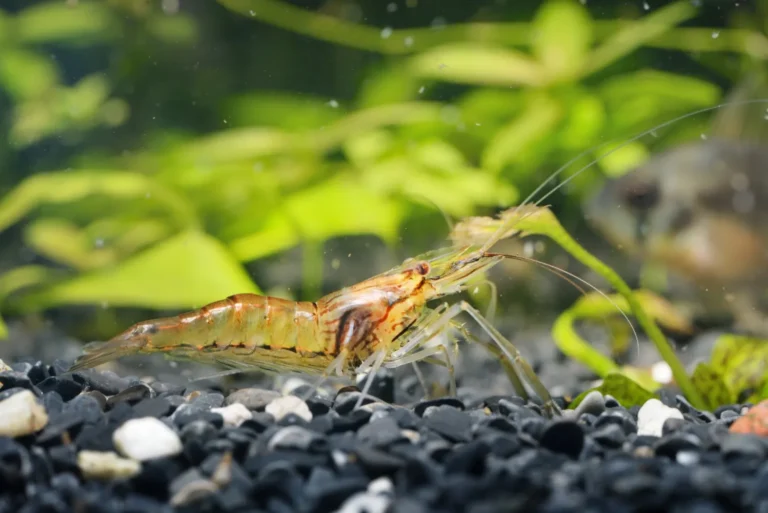
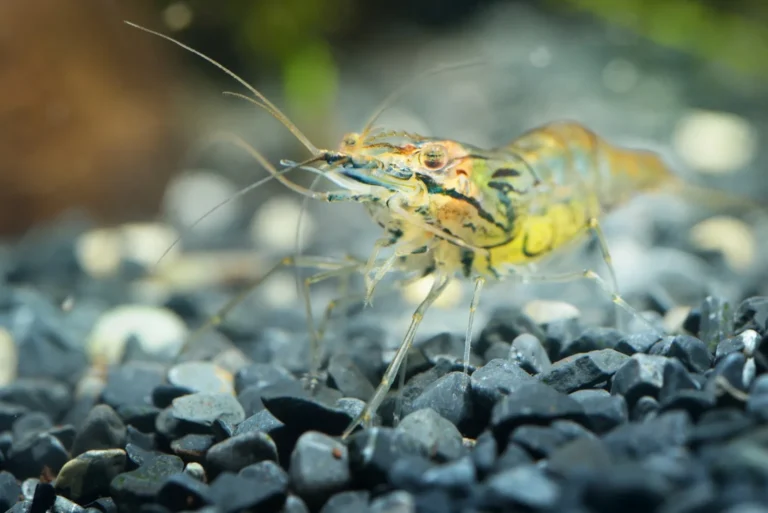
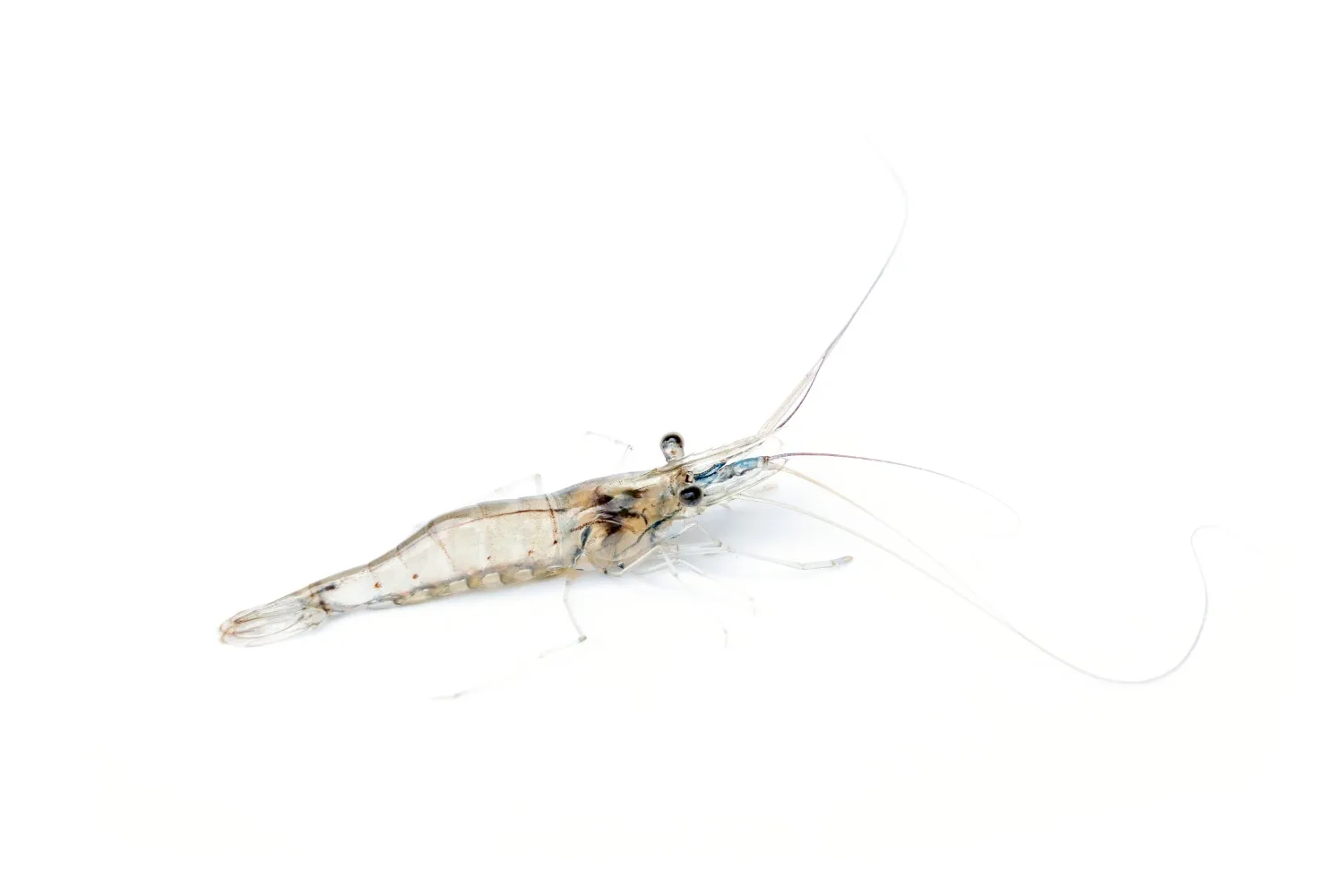
Glass Shrimp (Macrobrachium lanchesteri) is a slender, mostly transparent freshwater shrimp valued for its delicate look and active scavenging behavior. They are gentle on plants and spend much time grazing biofilm and detritus on leaves and hardscape. General care is straightforward with stable water, regular feedings, and plenty of hiding spots for safe molting. They thrive in planted tanks with low to moderate flow and mineral-rich water.

Quick overview
Glass shrimp, Indian glass shrimp
Macrobrachium lanchesteri
40 liters (10 gallons) for a colony
Ideal aquarium setup
A heavily planted, gently filtered tank with lots of hiding places and biofilm-producing surfaces suits these shrimp well. Provide caves, driftwood, and dense planting to give security during molts and maintain stable water parameters. Avoid aggressive tankmates and sudden chemistry shifts to keep them healthy.
For a small colony aim for at least 40 liters (10 gallons); larger volumes make it easier to maintain stable parameters and support more individuals. If you plan mixed species or showy specimens increase the tank size accordingly.
Moderate lighting encourages algae and biofilm growth without stressing shrimp; avoid very intense light that can raise temperature and reduce cover. Balanced lighting supports plants and the natural grazing opportunities shrimp rely on.
Fully plant-safe, they will not deliberately eat healthy plants and benefit from mosses, Java fern, and broad-leaf plants where biofilm develops. Dense planting gives security for juveniles and molting adults.
Moderate flow, enough to bring food particles but not strong currents that exhaust the shrimp.
Prefer an inert fine gravel or sand that is easy to forage and will not drastically alter water parameters.
Include mosses, driftwood, and rock crevices to produce biofilm and provide molt shelters. Leaf litter and small caves create essential hiding spots and feeding surfaces.
Behavior and temperament
Glass Shrimp are peaceful and spend most of their time foraging along the substrate and plant leaves. They do well in groups and show social but non-aggressive interactions. Molting makes individuals vulnerable, so they hide frequently before and after molts. They are most active during dawn, dusk, and at night.
Molting and health
Molting is regular as they grow, with juveniles molting more frequently than adults; a healthy adult may molt every few weeks. Failed molts or stuck exoskeletons often point to mineral deficiency, poor water quality, or stress from sudden parameter changes. Stable water chemistry and adequate calcium/magnesium levels reduce molting problems.
- Provide mineral-rich water or a dedicated shrimp mineral supplement
- Offer plenty of hideouts and moss for safe molting
- Keep water parameters stable and avoid sudden changes
Diet and feeding
Omnivorous scavengers, they graze biofilm, algae, and detritus but benefit from supplemental feedings to ensure complete nutrition. Offer a mix of vegetable matter, sinking pellets, and occasional protein-rich treats. Remove uneaten food to maintain water quality.
What they eat in nature
biofilm, algae, detritus, plant matter, microorganisms
What to feed in the aquarium
- Algae wafers
- Blanched zucchini or spinach
- Sinking shrimp pellets
- Frozen daphnia or bloodworms (occasional)
Feeding schedule
Feed small portions once daily or every other day, offering only what they consume within a few hours.
Special dietary needs
Require minerals and calcium for strong exoskeletons and successful molts.
Daily:
Provide a small portion of staple food or vegetables to supplement grazing and observe feeding activity.
Weekly:
Offer a protein-rich treat like frozen daphnia or bloodworms once a week to support growth and breeding.
Always:
Keep the tank clean and remove uneaten food promptly to prevent ammonia spikes and poor water quality.
Tankmate compatibility
They are peaceful but vulnerable to larger or aggressive fish that see them as food. Choose tankmates carefully and provide lots of cover; avoid housing with large cichlids or predatory species. Small, peaceful fish and invertebrates make the best companions.
Yes with caution - Compatible with similar-sized peaceful shrimp and Neocaridina, but larger Macrobrachium or territorial shrimp can stress or injure them.
Coexist well with most freshwater snails and will not bother them, and snails help recycle detritus.
Safe examples include ember tetras, chili rasboras, and small otocinclus; these small species generally ignore shrimp and share feeding areas without predation.
Avoid semi-aggressive or larger fish such as larger gouramis, angels, or most cichlids; these can harass or eat shrimp, especially juveniles.
They are social and form loose colonies with little hierarchy; provide enough space and cover to reduce competition. Crowding increases stress and molting problems, so maintain reasonable stocking densities.
Breeding
Breeding is possible in the home aquarium but can be more demanding than dwarf shrimp for some Macrobrachium species. Females carry eggs until hatching, but check species-specific needs because several Macrobrachium have larvae that require brackish water. Providing stable parameters and good food increases success.
Difficulty
Breeding difficulty depends on whether the species has free-swimming larvae; species that need brackish conditions or specialized larval care are harder to raise in-home. If larvae develop directly in freshwater the process is much easier.
How they breed
Females carry eggs under the abdomen until hatching.
Best setup for breeding
Use heavily planted tanks with moss and fine-leaf plants to hold newly hatched young and provide biofilm; maintain very stable water chemistry and gentle filtration. If larvae require brackish conditions consider a separate rearing tank to control salinity and reduce predation.
Feeding the babies
Young feed on biofilm and microscopic organisms initially; provide powdered fry foods, infusoria, and very fine powdered commercial shrimp/fry foods to supplement. Keep tanks clean and supply constant microfood sources to improve survival.
Pro tips
Introduce plenty of moss and leaf litter to boost natural biofilm and hiding spots.
Perform small, frequent water changes with matched water chemistry to avoid stress.
Use a cuttlebone or calcium supplement periodically to support molts.
Poor water quality
Ammonia or nitrite spikes quickly stress and kill shrimp; regular monitoring and conservative feeding prevent issues.
Molting failure
Inadequate minerals or sudden parameter changes often cause incomplete molts; ensure calcium and stable water conditions.
Predation risk
Housing with larger or semi-aggressive fish leads to losses, especially of juveniles; provide dense cover and avoid risky tankmates.
Typical beginner mistakes
- Adding shrimp to tanks with untested water parameters
- Keeping shrimp with large or aggressive fish
- Overfeeding and poor maintenance
Short summary
Glass Shrimp (Macrobrachium lanchesteri) are transparent, peaceful scavengers well suited to planted aquariums with stable water and plenty of cover. They are plant-safe and enjoyable to watch as they forage for biofilm and detritus. Care is manageable at an easy to medium level if you provide minerals, hiding spots, and steady parameters.
Frequently asked questions (FAQs)
Are Glass Shrimp good for planted tanks?
Yes, they are plant-safe and help control detritus and algae without eating healthy plants.
What water parameters do they prefer?
They do best in pH 6.5–7.8, temperature around 22–26°C, and moderate hardness (6–12 dGH).
Can they live with small fish?
Yes with peaceful nano fish like ember tetras or chili rasboras, but avoid species that hunt shrimp.
Do they need added calcium?
Supplemental minerals or occasional cuttlebone help ensure healthy molts and strong shells.
Is breeding difficult for this species?
Breeding is possible but check species-specific larval needs; some Macrobrachium require brackish water for successful rearing.
How many should I keep together?
Keep them in small colonies of at least 6–10 individuals to encourage natural behavior and reduce stress.