
Table of contents
At a glance
Large pads
Floating leaves
Background plant
Slow growth
Description
Green waterlily (Nymphaea lotus 'Green') produces broad round floating pads that form an attractive surface canopy and occasional emergent leaves. The foliage is glossy green and the plant grows from a shallow rhizome or tuber with short stems. Care is straightforward with good light and a nutrient-rich substrate, and it thrives in warm planted tanks and ponds. It makes a strong midground to background focal point while shading lower plants and creating a natural look.
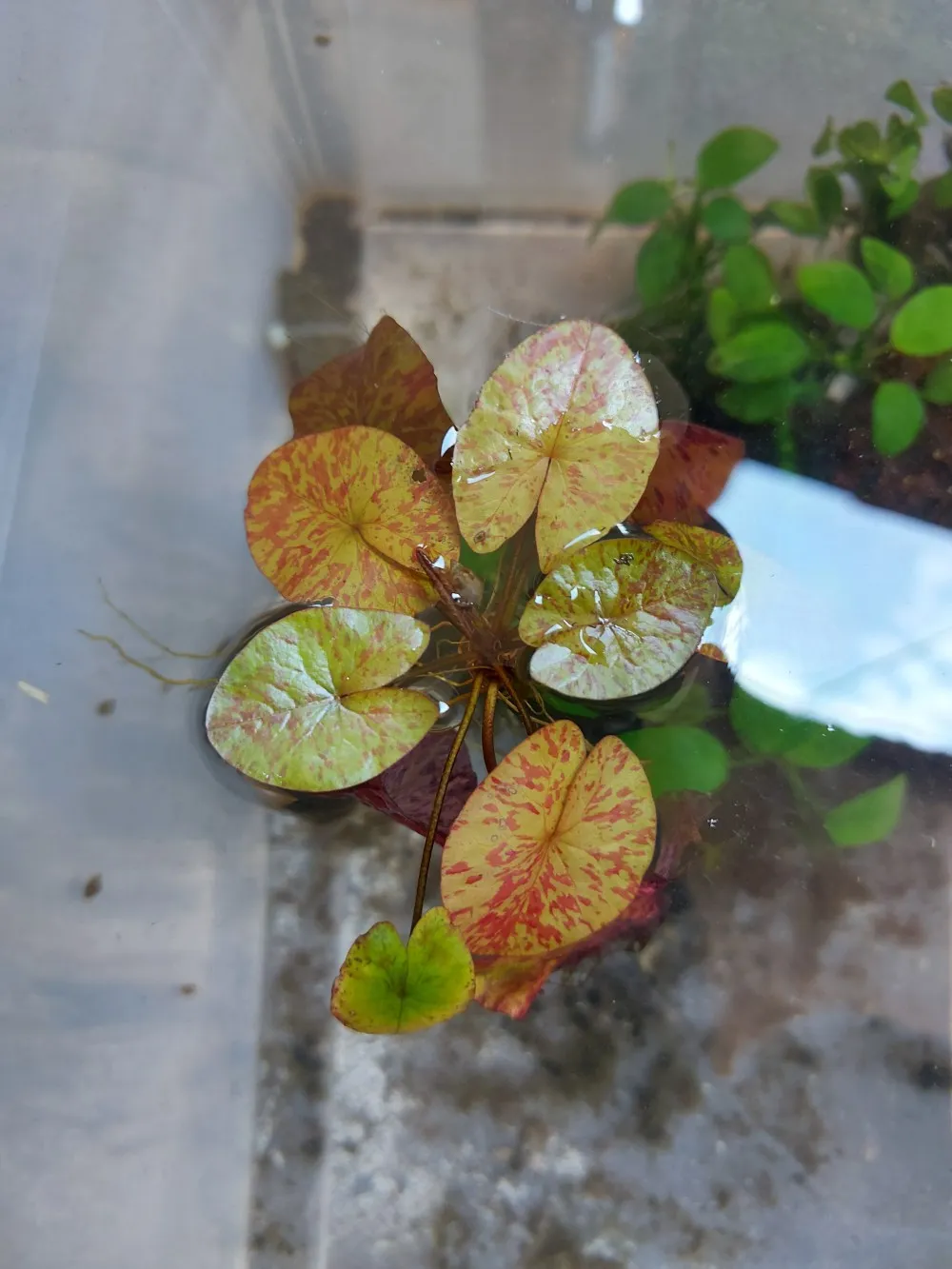
Quick overview
Green waterlily, Tropical waterlily, Nymphaea lotus 'Green'
Nymphaea lotus 'Green'
Nymphaeaceae
Rhizome plant
Slow
Midground to background
Freshwater
22–28 °C
Leaves ~6–20 cm
Medium–high
Optional
Easy to medium
Ideal use in aquascaping
Its large circular pads create surface coverage and a dramatic focal plane that contrasts with fine-leaved plants below. The canopy helps define open water areas and provides shade, reducing light to understory plants and creating depth. It also works as a single specimen or in small groups to anchor the layout.
Place in the midground or background where the pads can spread without crowding other plants. Use it as a focal or to soften hardscape edges and create a floating layer.
Works well in naturalistic, jungle and pond-style aquascapes as a focal or canopy species and can bring a classical water garden look to larger planted tanks. It pairs with tall stems and broad-leaved companions.
Provides bold green color and a smooth glossy texture that contrasts with fine-leaved stem plants and mosses. The large pads break up visual clutter and add horizontal interest.
Needs space for pads to expand so it suits medium to large tanks best, though careful pruning keeps it in smaller systems. In very small tanks the pads can dominate, so limit number of bulbs or trim regularly.
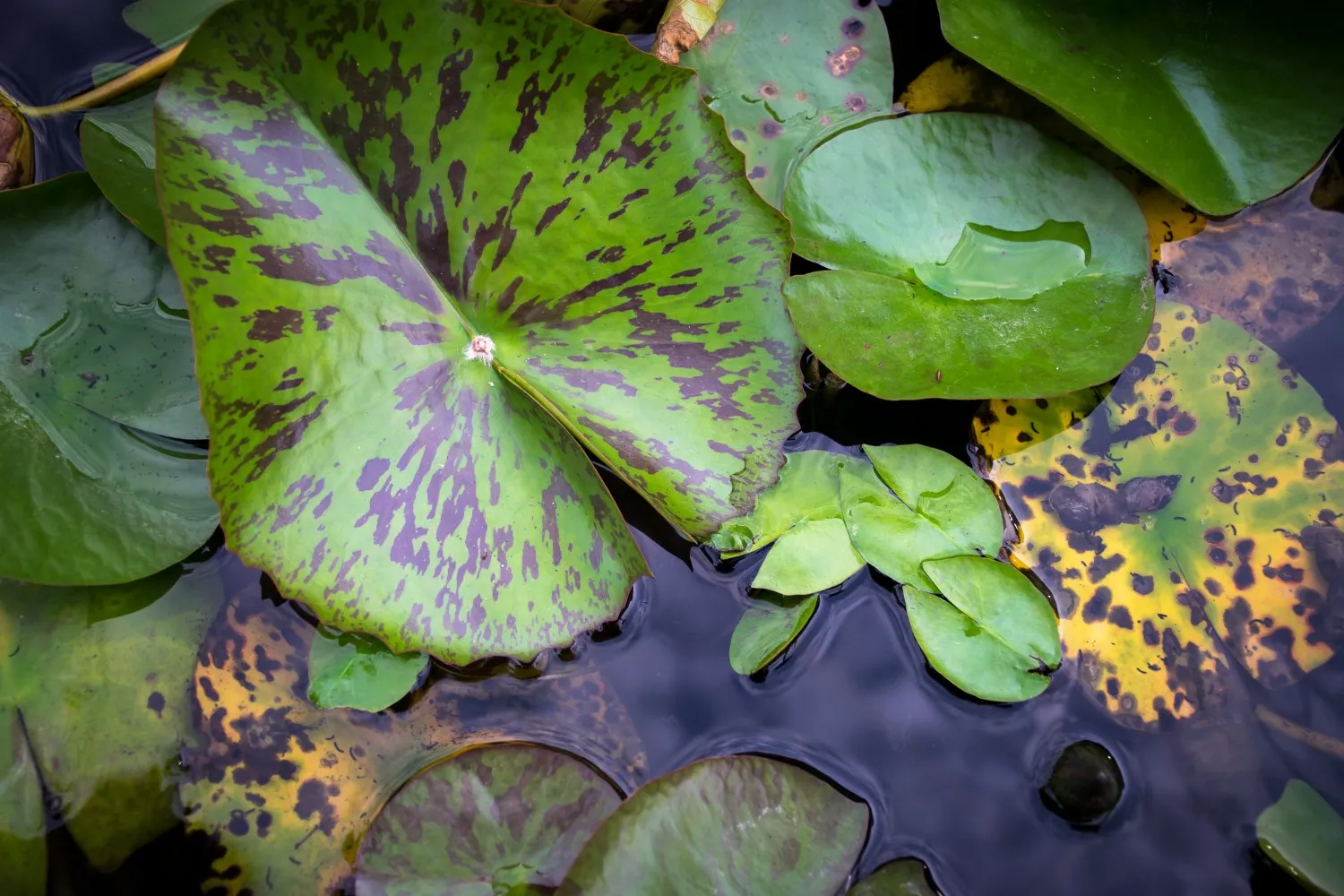
Light and CO₂
Light requirement
Medium–high. Bright light encourages compact growth and larger pads while dimmer light produces long petioles and fewer leaves.
CO₂ requirement
CO₂ is optional but supplemental CO₂ can improve overall vigor in densely planted setups.
Photoperiod
8–10 hours daily. A consistent schedule helps reduce algae and supports steady growth.
Substrate and nutrients
This is a strong root feeder that benefits from a nutrient-rich substrate or regular root tabs. Liquid fertilization helps maintain leaf color, while iron improves green tones. Adequate macro and micronutrients support steady pad production.
Substrate preference
A loamy aquarium soil or heavy substrate with organic content is best to anchor the rhizome and supply nutrients. Planting in pots with soil can control spread and make fertilization easier.
Nutrient needs
Primarily a root feeder so place root tabs near the rhizome and supplement with weekly liquid fertilizers for nitrogen and potassium. Ensure iron and trace elements are available for healthy leaf color.
- Use root tabs placed beside the rhizome every 6–8 weeks
- Dose liquid trace and macro fertilizers weekly in heavily planted tanks
- Add iron if leaves pale or lose rich green color
Planting and propagation
Plant the rhizome shallow with the growing crown just above or level with the substrate and secure with gravel if needed. Propagate by dividing offsets or tubers when plants produce new corms. Keep newly divided pieces shallow until they establish.
How to plant
- Place the rhizome on top of the substrate with the crown exposed
- Add a thin layer of gravel to anchor without burying the crown
- Insert a root tab nearby and allow roots to spread
Propagation method
Propagation is mainly by dividing the rhizome or separating offsets and dormant tubers; seed propagation is possible but uncommon in aquaria. Division is easiest during active growth.
- Divide in spring or during active growth for best recovery
- Avoid burying the crown when replanting divisions
- Use pots to contain vigorous spread and make division easier
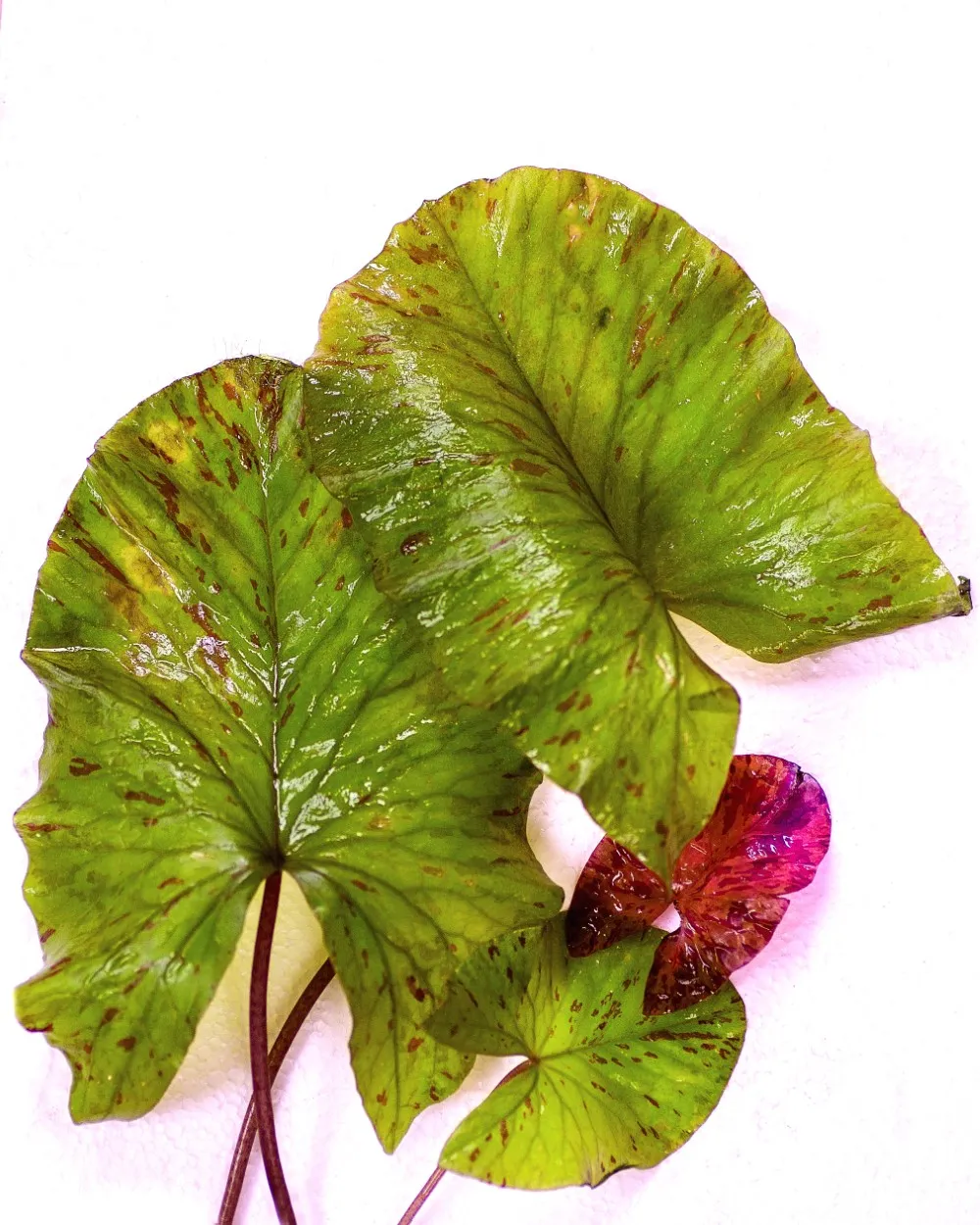
Pruning and maintenance
Remove yellowing or damaged pads at the base to keep the plant healthy and prevent decay. Thin out excess pads to control shading and maintain water circulation. Remove dead material promptly to avoid water quality issues.
Trimming style
Trim by cutting individual leaves or petioles close to the crown while leaving the rhizome and roots undisturbed.
Maintenance frequency
Remove decaying leaves weekly and perform heavier thinning every 3–6 weeks depending on growth. Monitor for overcrowding and thin as needed to maintain light below the canopy.
What healthy growth looks like
Healthy plants produce multiple round glossy leaves on short petioles with clean edges and steady new pad emergence. Roots should be well anchored and the rhizome firm and pale at the crown.
Signs it needs attention
Yellowing, translucent or ragged leaves suggest nutrient deficiency or poor water conditions and need fertilization or water changes. Long floppy petioles and sparse pads usually indicate insufficient light or excess depth.
Tankmates and compatibility
Generally compatible with peaceful community tanks and invertebrates that do not disturb roots or eat leaves. Avoid pairing with species that uproot or heavily graze foliage.
Good with
It pairs well with small peaceful schooling fish and invertebrates that do not disturb the substrate.
Use caution with
Use caution with digging fish and large herbivores that will uproot or eat the leaves.
Special notes
The surface coverage shades lower plants so plan companion planting accordingly. Growing in pots makes management and fertilization simpler and helps control spread.
Pro tips for this plant
Keep the rhizome crown just above the substrate to prevent rot.
Use root tabs rather than burying the rhizome for steady nutrition.
Thin pads regularly to prevent excessive shading of lower plants.
Yellowing leaves
Yellow leaves often indicate nutrient deficiency or low iron and are improved with root tabs and balanced liquid fertilization. Check water parameters and remove old leaves to prevent rot.
Leggy growth
Elongated petioles and sparse pads result from insufficient light or excessive water depth and are corrected by increasing light or reducing depth when possible. Trim long leaves to encourage compact growth.
Holes in leaves
Holes can come from herbivorous fish, snails, or nutrient imbalances; control pests and provide adequate potassium and other macros to reduce damage. Remove affected leaves and treat underlying causes.
Typical beginner mistakes
- Burying the crown too deep causing rot
- Using poor nutrient substrate and expecting fast growth
- Allowing pads to overcrowd and shade the tank excessively
Short summary
Nymphaea lotus 'Green' is a striking floating and marginal species prized for its large glossy pads and canopy effect. It prefers medium to high light, a nutrient-rich substrate, and regular maintenance to control spread and maintain healthy leaves.
Frequently asked questions (FAQs)
Can this plant live in small tanks?
Can this plant live in small tanks?
It can be kept in small tanks with careful pruning and potting, but it prefers medium to large tanks where pads can spread.
Does it need CO₂ injection?
Does it need CO₂ injection?
CO₂ is optional and not required, though supplemental CO₂ can boost growth in densely planted setups.
How do I prevent rot after planting?
How do I prevent rot after planting?
Plant with the crown exposed and use well-oxygenated substrate and moderate light; avoid burying the crown to prevent rot.
Will it flower underwater?
Will it flower underwater?
Flowers are typically emergent or at the surface; fully submerged flowering is rare in aquaria and usually requires ideal conditions.
How often should I fertilize?
How often should I fertilize?
Use root tabs every 6–8 weeks and dose liquid fertilizers weekly or as needed based on plant demand.
Are snails a problem for this plant?
Are snails a problem for this plant?
Small snails usually cause minor cosmetic damage but large snail populations or herbivorous species can eat pads and should be controlled.

Mette Tulin
Mette Tulin is the creator of Aquascapedia, with more than 15 years of hands-on experience in aquascaping, planted aquariums, and freshwater fish, shrimp, crayfish, and snails. She shares practical insights, curated aquatic life profiles, and inspiration to help others build thriving underwater landscapes.