At a glance
Carpet moss
Low light
Shrimp safe
Fine texture
Description
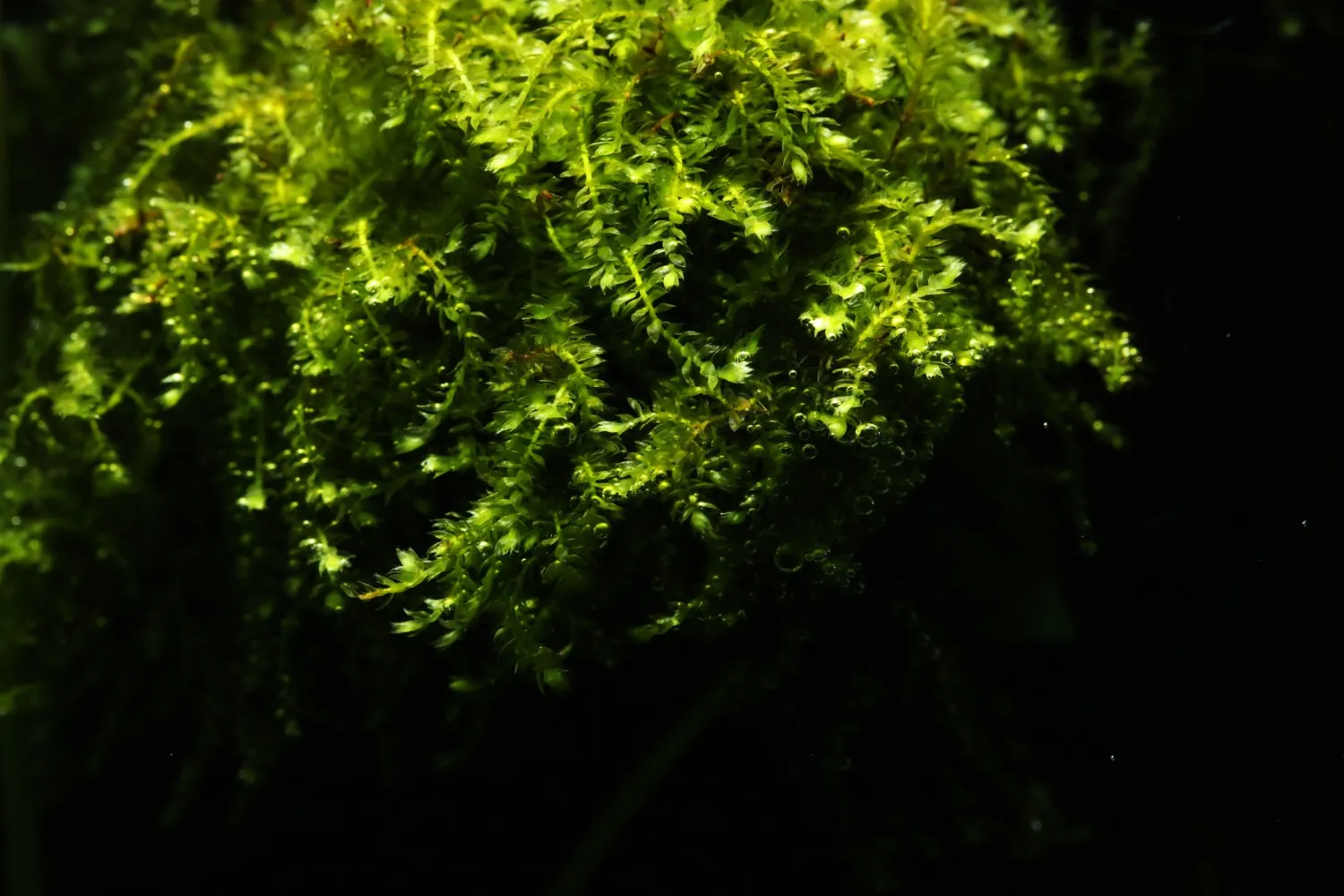
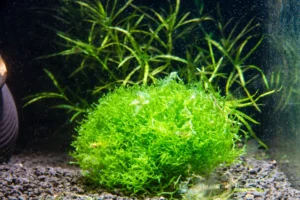
Weeping Moss (Vesicularia ferriei) is a delicate aquatic moss with trailing stems that form curtains and low carpets on rock and wood. It has a soft weeping appearance with fine branching that adds a natural drape to aquascapes. The plant tolerates a range of conditions and is forgiving for beginners while rewarding careful care with dense growth. Regular trimming and stable water parameters keep the moss healthy and attractive.
Quick overview
Weeping Moss, Weeping Vesicularia, Weeping Java Moss
Leaves ~1–3 mm, carpet height ~1–3 cm
Ideal use in aquascaping
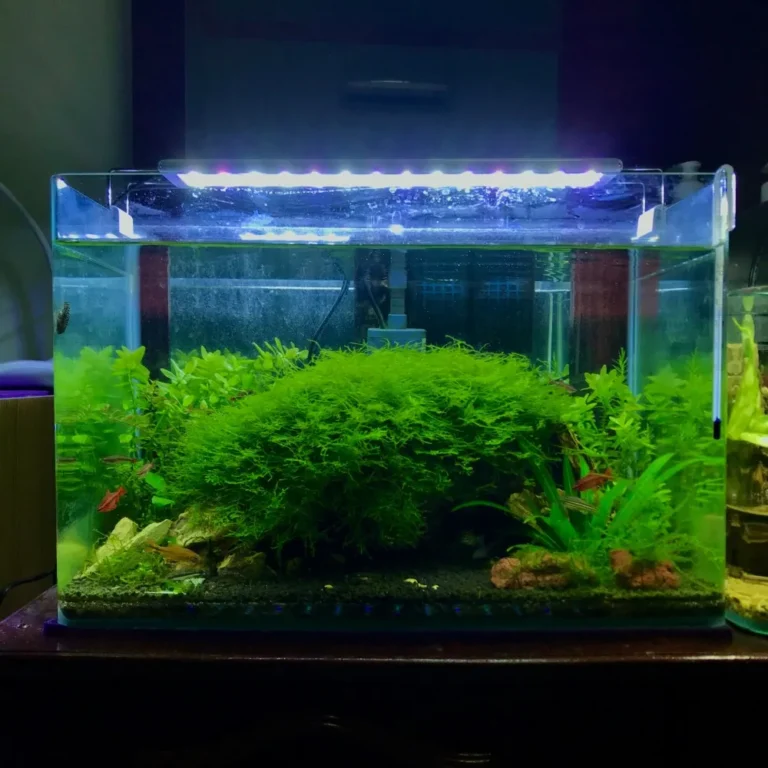
Weeping Moss is ideal for creating soft drapes on driftwood and rock or for forming small foreground carpets. It provides a natural cascade effect over hardscapes and fills crevices to add depth and texture. Its fine structure pairs well with moss-covered trunks and stone compositions.
Place attached to wood, rocks or mesh in the foreground or on lower slopes to create hanging curtains or dense mats. Use it to soften hard lines and to create focal points where water flow and light highlight the texture.
Good styles for this plant
Works well in Iwagumi and nature style aquascapes that benefit from delicate texture and subdued color. It also suits biotope and jungle layouts where a natural mossy look is desired.
The moss produces a soft green with a fine filamentous texture that contrasts nicely against smooth stones and darker wood. Its weeping strands add motion and a layered look that catches light subtly.
Scales well from nano tanks to large displays since it attaches to small or large hardscape. In very small tanks keep fragments trimmed to prevent overcrowding and in large tanks plant more patches for visual balance.
Light and CO₂
Low to medium. This moss tolerates gentle light and will grow more compact under lower intensity but responds with faster growth and denser coverage under increased light.
CO₂ is optional for basic health but recommended for faster establishment and thicker carpets in high light setups.
6–8 hours daily. A consistent schedule reduces algae risk and supports steady moss growth.
Substrate and nutrients
Weeping Moss does not root in substrate and relies on water column nutrients and surface attachment for growth. Regular liquid fertilization and sufficient micronutrients improve color and density while heavy organic debris should be removed to prevent decay.
Substrate preference
Attach to hard surfaces like driftwood and rock or secure to mesh over substrate for carpeting. Substrate quality is not critical since the moss gets most nutrients from the water column.
Nutrient needs
Requires regular water column nutrients including micronutrients and iron for best color and steady growth; root tabs are unnecessary but gentle dosing helps. Avoid large swings in nutrient levels to prevent algae outbreaks.
- Dose a comprehensive liquid fertilizer weekly to supply micros and macros
- Add iron supplements if growth looks pale
- Maintain stable water changes to control organics
Planting and propagation
Attach small fragments to wood or rock using thread or aquarium glue and allow them to establish. The moss propagates easily by fragmentation so spreading occurs once pieces start to root down. Regular gentle trimming encourages denser mats.
How to plant
- Place small moss fragments on the chosen hardscape
- Tie with thread or use small dabs of aquarium glue
- Hold in place until the moss attaches naturally
Propagation method
Propagation is by fragmentation and attachment; small pieces will grow into new patches when secured to hardscape. Simply cut or tear into pieces and reattach where you want it to spread.
- Use many small fragments rather than one large piece for quicker coverage
- Provide gentle flow to encourage attachment and discourage debris
- Trim established areas to create new growth points
Pruning and maintenance
Remove trapped debris and snip back long strands to prevent shading and promote new lateral growth. Rinse removed clippings out of the tank or use them to start new patches. Keep an eye on algae and remove affected portions promptly.
Trimming style
Trim by snipping the ends or shaving the top layer to maintain shape and encourage denser growth underneath.
Maintenance frequency
Every 2–6 weeks depending on growth rate and lighting conditions. Faster growth under higher light may need more frequent trimming.
Growth and health indicators
What healthy growth looks like
Healthy Weeping Moss appears bright green with fine branching and no brown or slimy patches and forms a dense mat or curtain over hardscape. New shoots should be visible at trimmed edges.
Signs it needs attention
Brown or translucent strands, excess debris, or fuzzy algae indicate poor flow or nutrient imbalance and require cleaning and possible light reduction. Sparse growth or yellowing suggests insufficient nutrients or low iron.
Tankmates and compatibility
Generally very compatible with peaceful community tanks and planted invertebrate setups. It tolerates a wide range of tankmates provided they do not aggressively graze or dig.
Most small peaceful fish and invertebrates coexist well with Weeping Moss.
Avoid keeping large digging fish and powerful algae grazers that can uproot or shred the moss.
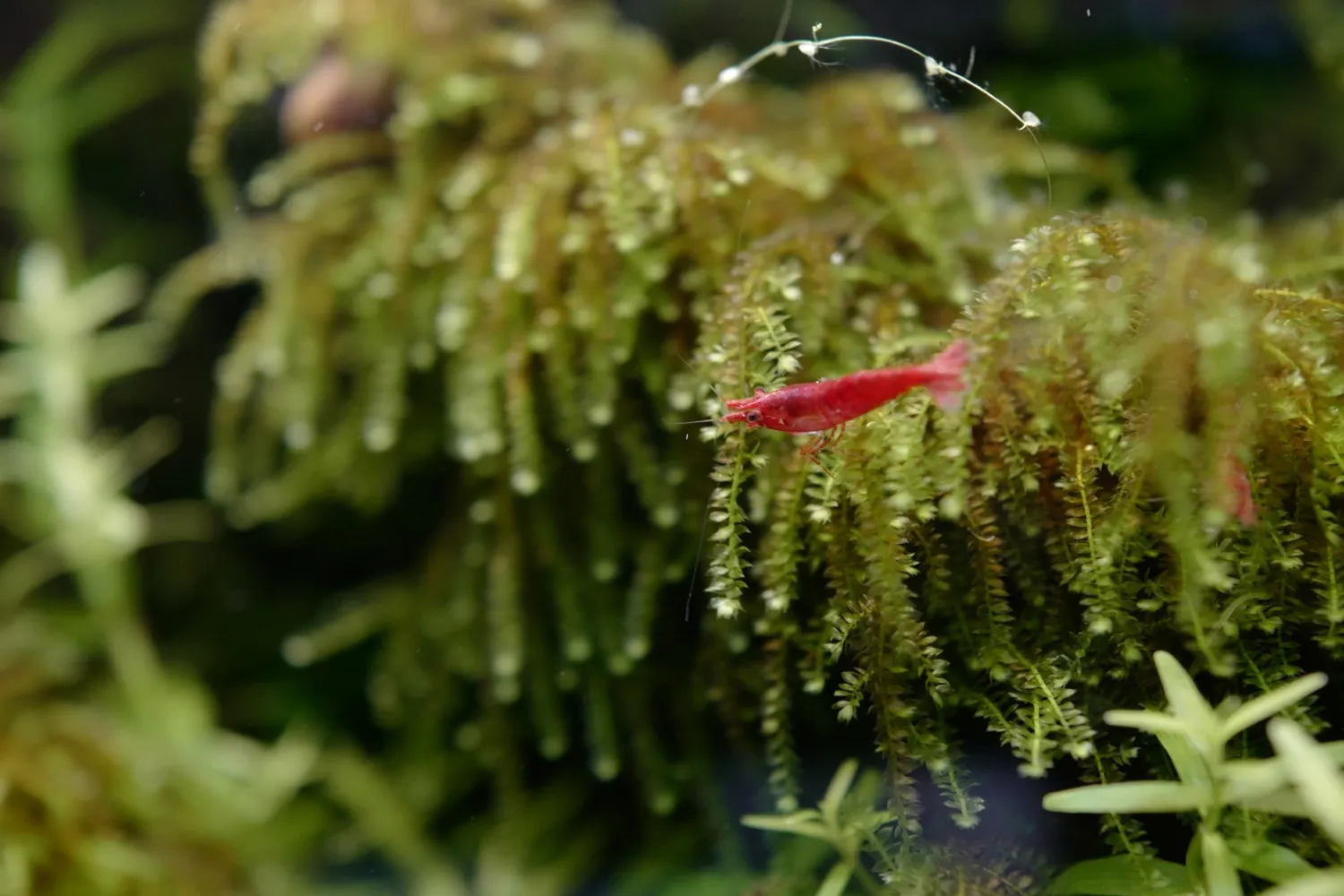
Attachments take time so patience is important after planting. Shrimp and snails often help keep the moss clean by picking off detritus.
Pro tips for this plant
Use fine fishing line to tie fragments tightly until they secure.
Start with many small pieces for faster and more even coverage.
Rinse out trapped debris gently during water changes to prevent decay.
Algae overgrowth
Algae often appears if light is too strong or nutrients are imbalanced; reduce photoperiod and check dosing while removing affected moss. Increasing flow and adding herbivores that do not pull moss can also help control algae.
Brown or slimy patches
Brown or slimy areas come from trapped detritus or poor water flow and should be cleaned by hand and trimmed away; improve circulation and perform targeted water changes.
Sparse coverage
Sparse growth is usually due to insufficient fragments or low nutrients; attach more pieces closer together and ensure regular liquid fertilization and stable water chemistry.
Typical beginner mistakes
- Placing moss in very high light without CO₂ leads to algae
- Using large single pieces instead of many small fragments slows coverage
- Failing to remove trapped debris causes decay and patchy growth
Short summary
Weeping Moss is a versatile aquatic moss that creates soft drapes and low carpets on hardscape and is suitable for beginners with basic care. It prefers low to medium light, benefits from stable nutrients and optional CO₂, and responds well to regular trimming and gentle flow.
Frequently asked questions (FAQs)
How fast does Weeping Moss grow?
Growth is typically slow to moderate depending on light and nutrients and it will spread faster with better CO₂ and dosing.
Can I attach it to driftwood?
Yes attach small fragments to driftwood with thread or glue and they will anchor within a few weeks.
Is CO₂ required for good growth?
CO₂ is optional but recommended for quicker establishment and denser carpets under stronger lighting.
Will shrimp eat or damage this moss?
Most shrimp will not damage the moss and often help keep it clean by removing debris.
How do I stop algae on my moss?
Reduce light duration or intensity, maintain nutrient balance, improve flow, and remove algae manually to control outbreaks.
Can I use it in a nano tank?
Yes it works well in nano tanks but use smaller fragments and trim more often to manage space.