At a glance
Floating fern
Fast growth
Surface cover
Easy care
Description
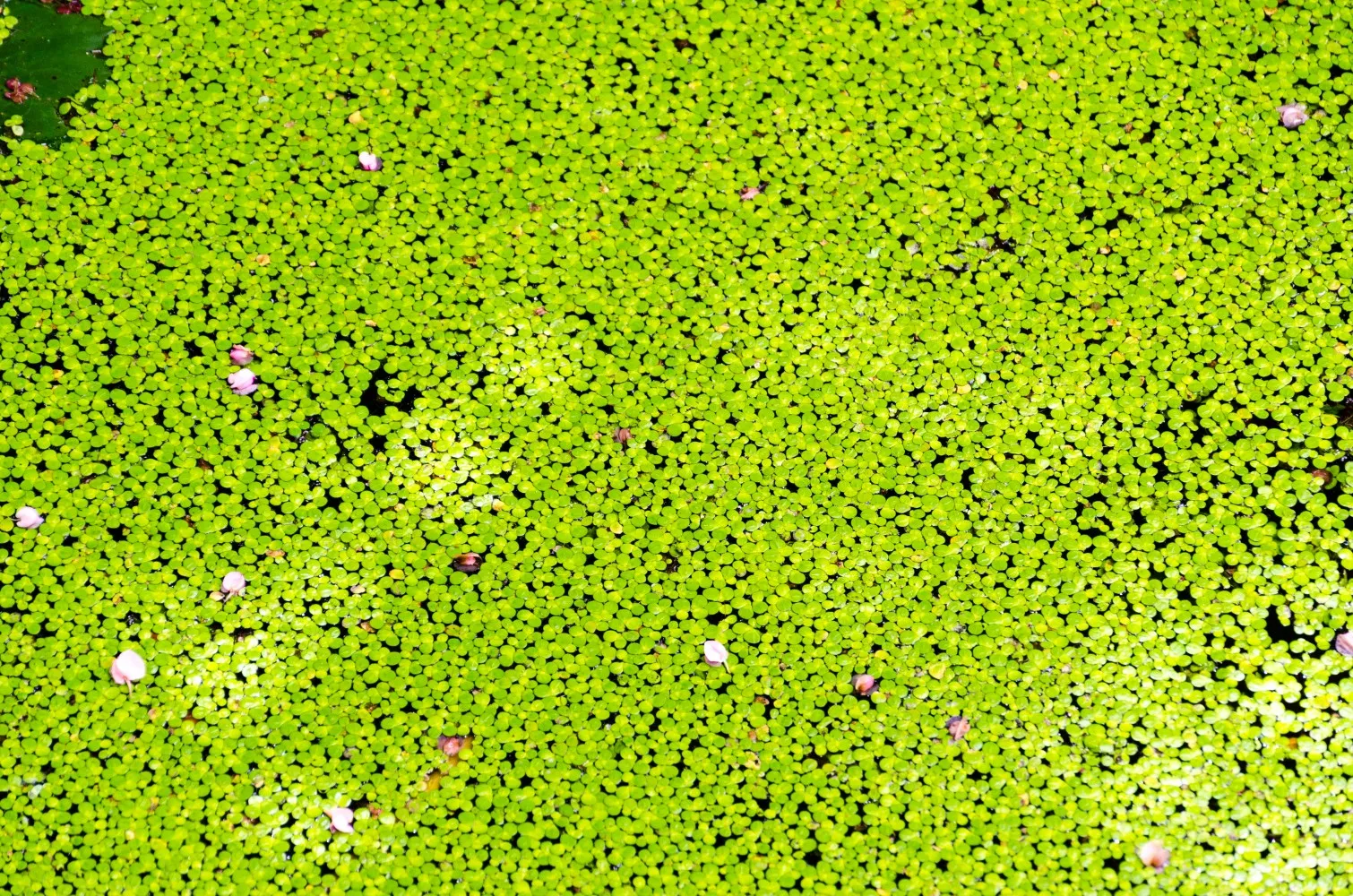
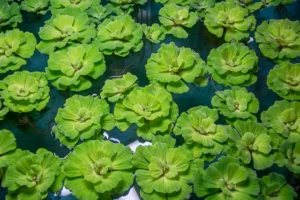
Giant salvinia (Salvinia auriculata) is a small free‑floating fern with hairy oval leaves that form dense surface mats. Its buoyant leaves and creeping runners make it a quick coverer of the water surface and a good indicator of nutrient levels. Care is simple because it does not root in substrate, but routine thinning is essential to prevent shading and oxygen depletion. It is ideal for beginners who can manage regular maintenance.
Quick overview
Giant salvinia, Salvinia, Water fern, Floating moss
Leaves ~5–20 mm, mats ~1–10 cm
Ideal use in aquascaping
Giant salvinia is useful as a fast surface cover to add texture and shade to the aquarium and to absorb excess nutrients. It helps reduce light reaching aggressive algae and provides shelter for fry and shy species. Use it to create a natural floating canopy or to manage nitrate and phosphate spikes.
Place it across the water surface where you want partial shade and cover; it acts as a living roof and a refuge for small fish and invertebrates. Keep it away from areas where you need full light for submerged plants.
Good styles for this plant
Works well in natural, jungle, and biotope style tanks where surface cover is desirable. Avoid tightly controlled high‑light aquascapes where light to the substrate is essential.
Bright green oval leaves with a delicate hairy texture create a soft floating carpet that contrasts with vertical stems and hardscape. The small leaf clusters add a light, airy layer to the top of the tank.
Scales well from small to large tanks because individual mats can be thinned easily, but small tanks require more frequent maintenance to prevent full surface coverage. Large tanks benefit from spread control with nets or barriers.
Light and CO₂
Medium. Tolerates a range from low to bright light but prefers moderate intensity to avoid rapid algae growth and leaf bleaching.
CO₂ is optional for this floating fern and extra CO₂ is not necessary for healthy growth.
8–10 hours daily. A consistent schedule helps prevent algae and keeps growth predictable.
Substrate and nutrients
Salvinia auriculata does not root into substrate and takes nutrients directly from the water column. It thrives in nutrient‑rich tanks and can quickly use excess nitrates and phosphates, so monitor water chemistry and remove excess growth.
Substrate preference
No substrate required since it floats freely on the surface; substrate choice only matters for submerged plants below the mat. Avoid placing it where it can become trapped in filters or skimmers.
Nutrient needs
Relies on dissolved macronutrients and trace elements in the water column; if leaves appear pale a balanced liquid fertilizer can help. Avoid overfertilizing to prevent explosive growth and downstream algae issues.
- Use liquid trace and macronutrient dosing if leaves pale
- Monitor nitrate and phosphate to avoid uncontrolled spread
- Perform regular water changes to prevent nutrient spikes
Planting and propagation
Establish by placing a small cluster of healthy fronds on the water surface and they will quickly spread by runners. Propagation occurs naturally by fragmentation and division; control is primarily manual removal.
How to plant
- Place a small cluster of fronds on the water surface
- Spread them evenly to the desired coverage
- Remove excess to prevent shading
Propagation method
Propagates vegetatively through runners and fragmentation; new plants form from stolons and broken fragments. You can divide mats or transfer small clumps to start new patches.
- Separate and place healthy fragments on fresh water
- Keep a few fronds to maintain coverage while thinning
- Rinse before moving between tanks to prevent pests
Pruning and maintenance
Regular thinning is key to prevent full surface coverage, poor gas exchange, and shading of submerged plants. Remove dead and excess fronds and clean trapped detritus to reduce algae growth.
Trimming style
Skim the surface and scoop out older brown fronds and dense clumps to maintain an open canopy and water flow.
Maintenance frequency
Every few days to weekly depending on growth rate; heavy nutrient tanks may require daily skimming to stay controlled.
Growth and health indicators
What healthy growth looks like
Fresh bright green buoyant leaves with visible new buds and steady runner production indicate healthy growth. Coverage should be even without large mats sinking.
Signs it needs attention
Yellowing or brown leaves, sinking fronds, foul odor, or heavy algae beneath the mat indicate problems and require thinning and water changes.
Tankmates and compatibility
Generally compatible with peaceful community tanks but can limit surface access for some species and reduce light for plants below. It is best used where surface coverage is wanted and not where surface access is critical.
Most small peaceful fish, shrimp, snails, and similar community species.
Avoid pairing with large or surface‑dwelling fish that constantly disturb the water surface.
Giant salvinia is invasive in many regions and must not be released into natural waterways. Remove excess growth and dispose of clippings responsibly.
Pro tips for this plant
Thin regularly to prevent oxygen depletion and to protect submerged plants.
Use a floating barrier or net to limit spread in large tanks.
Rinse before transferring between tanks to avoid spreading pests or unwanted hitchhikers.
Overgrowth
This species multiplies rapidly in nutrient rich conditions; control it by regular thinning, reducing nutrients, and manual removal.
Leaf browning
Brown or sinking leaves are usually from age, poor water quality, or nutrient imbalance; remove dead fronds and improve water parameters and circulation.
Algae buildup
Dense mats create shaded areas where algae thrive; thin plants frequently, increase circulation, and perform maintenance to reduce algae.
Typical beginner mistakes
- Letting plants cover the entire surface and starve submerged plants
- Failing to thin leading to oxygen depletion at night
- Transferring between tanks without rinsing and spreading pests
Short summary
Salvinia auriculata is a fast growing free‑floating fern that provides excellent surface cover and nutrient uptake. It is easy to grow but requires routine thinning to prevent shading and oxygen problems and care to avoid invasive escape.
Frequently asked questions (FAQs)
Is giant salvinia invasive?
Yes, it is invasive in many regions and should never be released into the wild; check local regulations before keeping it.
No, it floats on the surface and does not root in substrate.
Will it block light for other plants?
Yes, dense coverage blocks light and can harm submerged plants so regular thinning is necessary.
Some fish and invertebrates may nibble on it but most do not consume large amounts as it is a fern with hairy leaves.
How do I control rapid growth?
Control growth by manual removal, reducing nutrients, using floating barriers, and regular maintenance.
Is it suitable for shrimp tanks?
Yes, it provides shade and microhabitat for shrimp but may reduce light for plants below so monitor coverage.