
Table of contents
At a glance
Bulbous plant
Large leaves
Background
Slow growth
Description
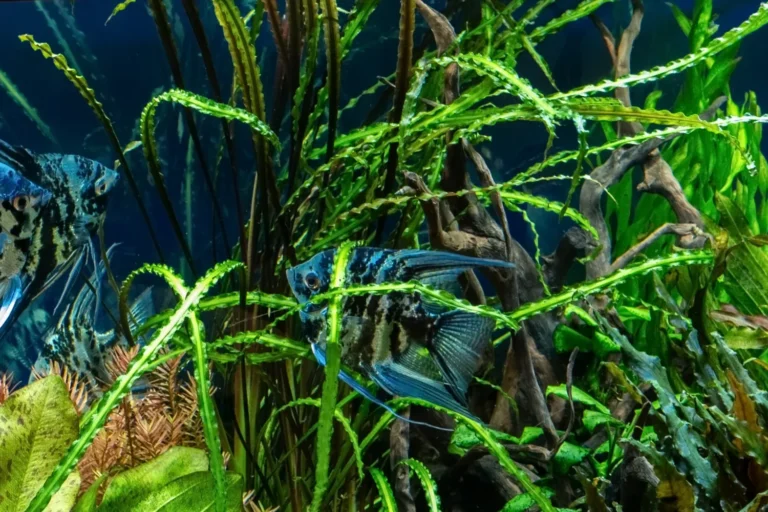
Crinum calamistratum is a dramatic bulbous aquarium plant prized for long strap-like leaves and a bold rosette habit. Crinum calamistratum creates a strong focal clump in the background with thick, dark green foliage that can reach the surface in larger tanks. It is tolerant of a range of water conditions and is forgiving for beginners who avoid burying the bulb. Moderate light and a nutrient-rich substrate encourage the healthiest growth while occasional removal of old leaves keeps the clump tidy.
Quick overview
Crinum lily, African crinum, Water crinum
Crinum calamistratum
Amaryllidaceae
Bulb plant
Slow
Background
Freshwater
22–28 °C
Leaves ~30–60 cm long
Medium–high
Optional
Easy to medium
Ideal use in aquascaping
Use as a dramatic background focal point where its long leaves and rosette form can be showcased. It works well to anchor rock or wood features and provide vertical contrast to carpeting plants.
Place in the background as a single clump or several clumps to frame the scape; it provides height and a focal mass rather than delicate texture. Position bulbs where they will not be buried too deep and where leaves have room to unfurl.
Fits natural and wild-style layouts as a bold accent and also suits Iwagumi or Dutch styles where a single large clump adds contrast. It is less suited to very tight minimalist foreground-focused scapes.
Leaves are thick and glossy dark green creating strong visual weight and simple texture that contrasts finely leaved foregrounds. The plant adds vertical lines and a calm, formal shape.
Best in medium to large tanks where leaves can reach full length without crowding other plants. Small tanks can keep individual specimens but expect frequent trimming and limited leaf length.
Light and CO₂
Light requirement
Medium–high. Crinum grows best with steady moderate to strong light but tolerates lower light at much slower rates and with smaller leaves.
CO₂ requirement
CO₂ is optional for healthy growth but supplemental CO₂ will speed growth and improve leaf thickness and color.
Photoperiod
8–10 hours daily. A consistent light schedule helps steady growth and reduces algal swings.
Substrate and nutrients
This bulbous plant benefits from a nutrient-rich substrate and regular root-feeding because it draws nutrients into the bulb and leaves. Use root tabs or a planted substrate and ensure iron and macronutrients are available for sustained leaf production.
Substrate preference
A rich planted substrate or gravel with occasional root tab dosing works well because the bulb needs accessible nutrients without being buried too deep. Avoid very light sand that compacts and holds moisture against the bulb.
Nutrient needs
Moderate to high root nutrients with regular liquid fertilization for macro and micronutrients supports steady growth and dark green leaves. Root tabs every 2–3 months help bulbs that rely on stored nutrients.
- Place root tabs near the bulb every 8–12 weeks
- Use regular liquid fertilizer to maintain nitrate and potassium levels
- Add iron-rich supplements if leaves pale
Planting and propagation
Plant as a single bulb with the top of the bulb just at or slightly above the substrate and press substrate around the base. Propagation is by offsets and division of the bulb cluster as it produces new bulbs over time.
How to plant
- Gently separate bulbs or offsets
- Place each bulb with crown at substrate level
- Press substrate around base without fully covering the bulb
Propagation method
Propagates by producing offsets from the main bulb that can be separated and planted once they are large enough to sustain leaves. Division of crowded clumps is the simplest method.
- Wait until offsets have several leaves before separating
- Handle bulbs carefully to avoid damaging the growing point
- Replant offsets with the bulb crown exposed
Pruning and maintenance
Remove yellow or damaged leaves at the base to keep the clump tidy and prevent decay. Avoid burying the bulb when trimming and be gentle around the crown to prevent rot.
Trimming style
Trim leaves by cutting them at the base close to the bulb, removing older inner leaves first to encourage new growth.
Maintenance frequency
Every 2–6 weeks remove old or damaged leaves depending on growth rate and tank conditions. Divide and replant crowded clumps as needed every few years.
What healthy growth looks like
A healthy plant forms a dense rosette of upright strap leaves that are thick and dark green with steady emergence of new leaves from the bulb. New growth should be vigorous and unspotted.
Signs it needs attention
Yellowing or transparent leaves, a soft or rotting bulb, or failure to produce new leaves indicate nutrient imbalance, poor substrate, or bulb burial and need correction. Check roots, substrate, and water parameters if growth stalls.
Tankmates and compatibility
Generally compatible with peaceful community fish and invertebrates but avoid species that dig or uproot plants. Its sturdy leaves are not easily eaten but bulbs can be disturbed by burrowing animals.
Good with
Most small peaceful community fish along with shrimp and snails coexist well with this plant.
Use caution with
Avoid keeping this plant with large digging or substrate-disturbing species that will expose or move the bulb.
Special notes
Do not bury the bulb deeply in substrate as that encourages rot. If you must repot or move bulbs, handle by the base and allow damaged areas to callus before replanting.
Pro tips for this plant
Leave the top of the bulb visible to prevent rot.
Use root tabs for steady nutrient supply instead of burying the bulb deeper.
Divide clumps only when offsets are well developed to avoid shock.
Yellowing leaves
Yellow leaves often indicate nutrient deficiency or poor light; correct by improving fertilization and checking light intensity.
Bulb rot
Bulb rot usually follows burying the bulb too deep or poor circulation; remove affected bulbs, trim rotten tissue, and replant crowns at substrate level.
Slow growth
Slow growth can be from low light, low nutrients, or lack of root feeding; increase light modestly and add root tabs or liquid fertilizer.
Typical beginner mistakes
- Burying the bulb too deep causing rot
- Expecting fast carpet-like growth instead of slow rosette expansion
- Using fish that dig which uproot bulbs
Short summary
Crinum calamistratum is a bold bulbous aquarium plant ideal as a background focal point with long strap leaves and slow steady growth. It prefers a nutrient-rich substrate, moderate to strong light, and minimal burial of the bulb for reliable, low-maintenance performance.
Frequently asked questions (FAQs)
How fast does Crinum grow?
How fast does Crinum grow?
Growth is generally slow to moderate depending on light and nutrients, with faster growth under stronger lighting and root fertilization.
Can I bury the bulb completely?
Can I bury the bulb completely?
No, burying the bulb can cause rot; keep the crown at or slightly above substrate level.
Is CO₂ required for good growth?
Is CO₂ required for good growth?
CO₂ is optional; it improves growth and leaf size but is not strictly necessary with good lighting and nutrients.
How do I propagate Crinum calamistratum?
How do I propagate Crinum calamistratum?
Propagate by separating offsets or dividing crowded clumps once offsets have several leaves and a healthy size.
What substrate is best?
What substrate is best?
A nutrient-rich planted substrate or gravel supplemented with root tabs is best to feed the bulb and support steady leaf production.
Will shrimp or snails damage it?
Will shrimp or snails damage it?
No, shrimp and most snails are safe and will not harm the bulbs or leaves and can help keep surfaces clean.

Mette Tulin
Mette Tulin is the creator of Aquascapedia, with more than 15 years of hands-on experience in aquascaping, planted aquariums, and freshwater fish, shrimp, crayfish, and snails. She shares practical insights, curated aquatic life profiles, and inspiration to help others build thriving underwater landscapes.