At a glance
Floating plant
Fast growth
Small leaves
Surface cover
Description
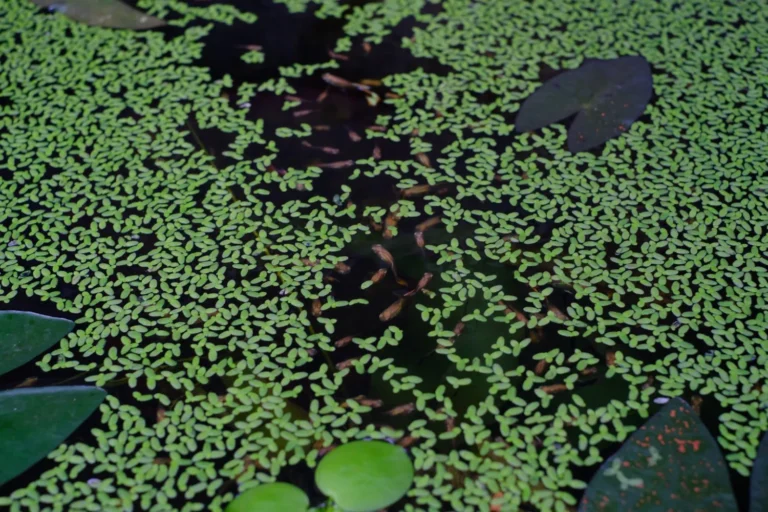
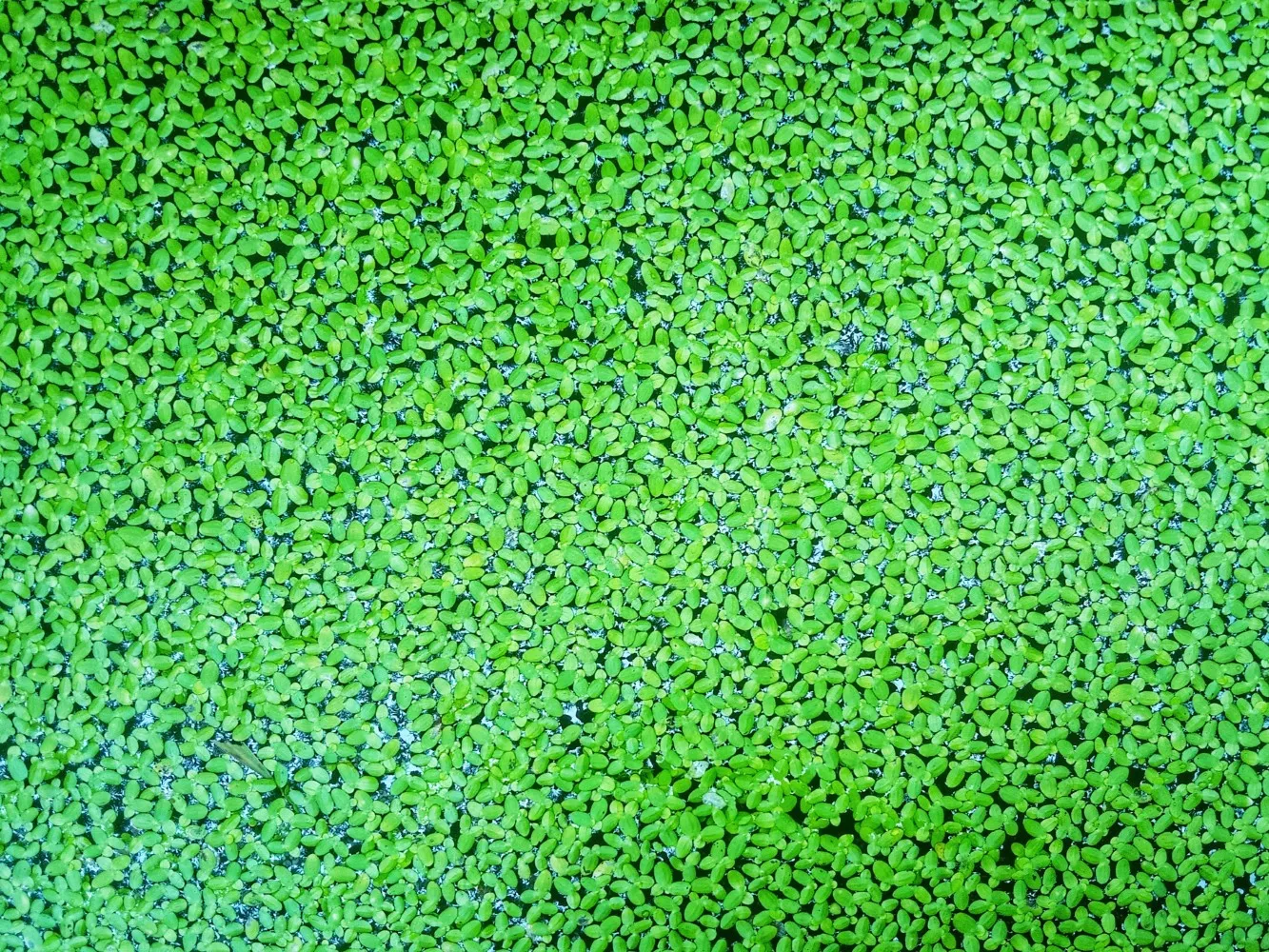
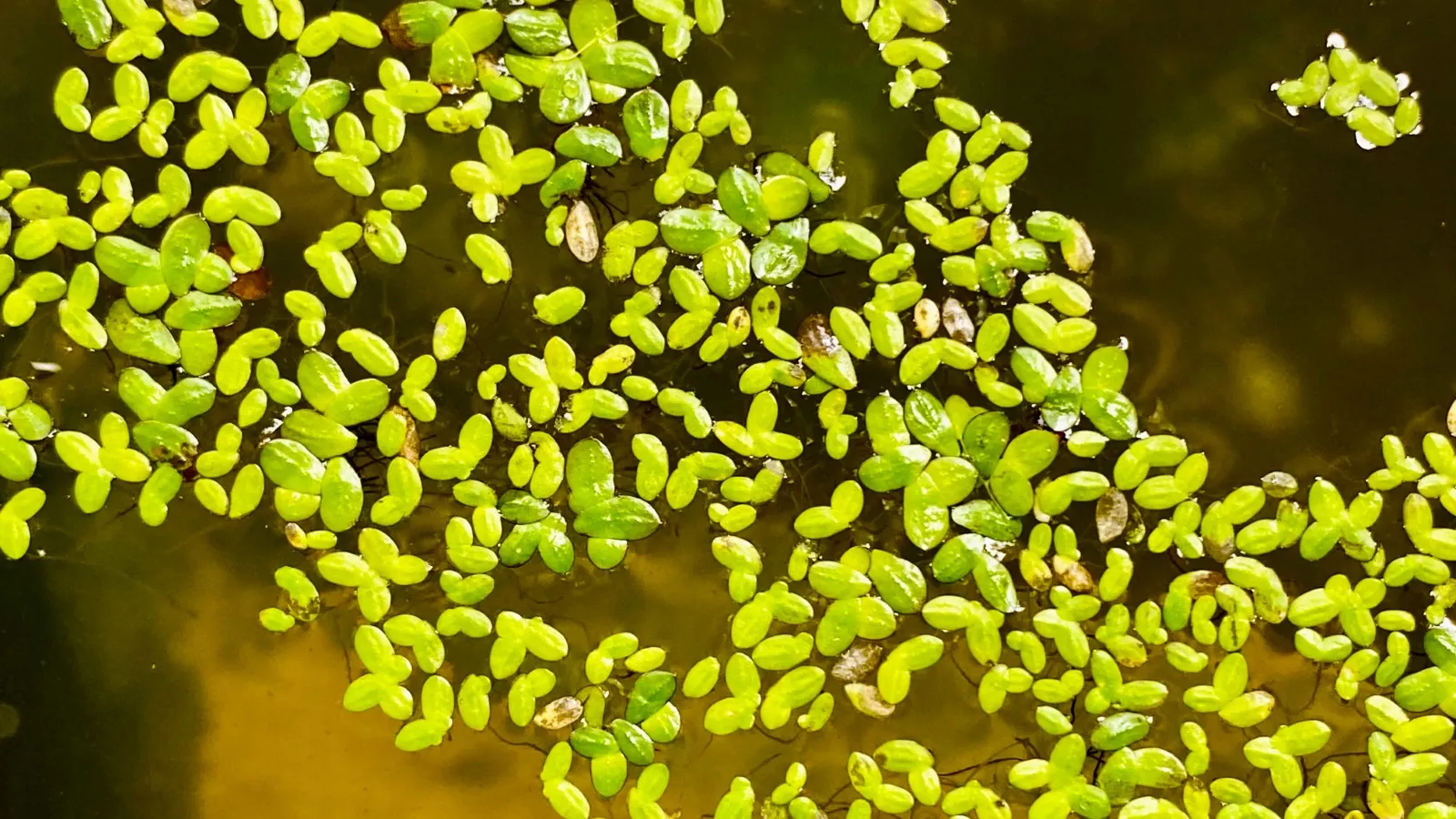
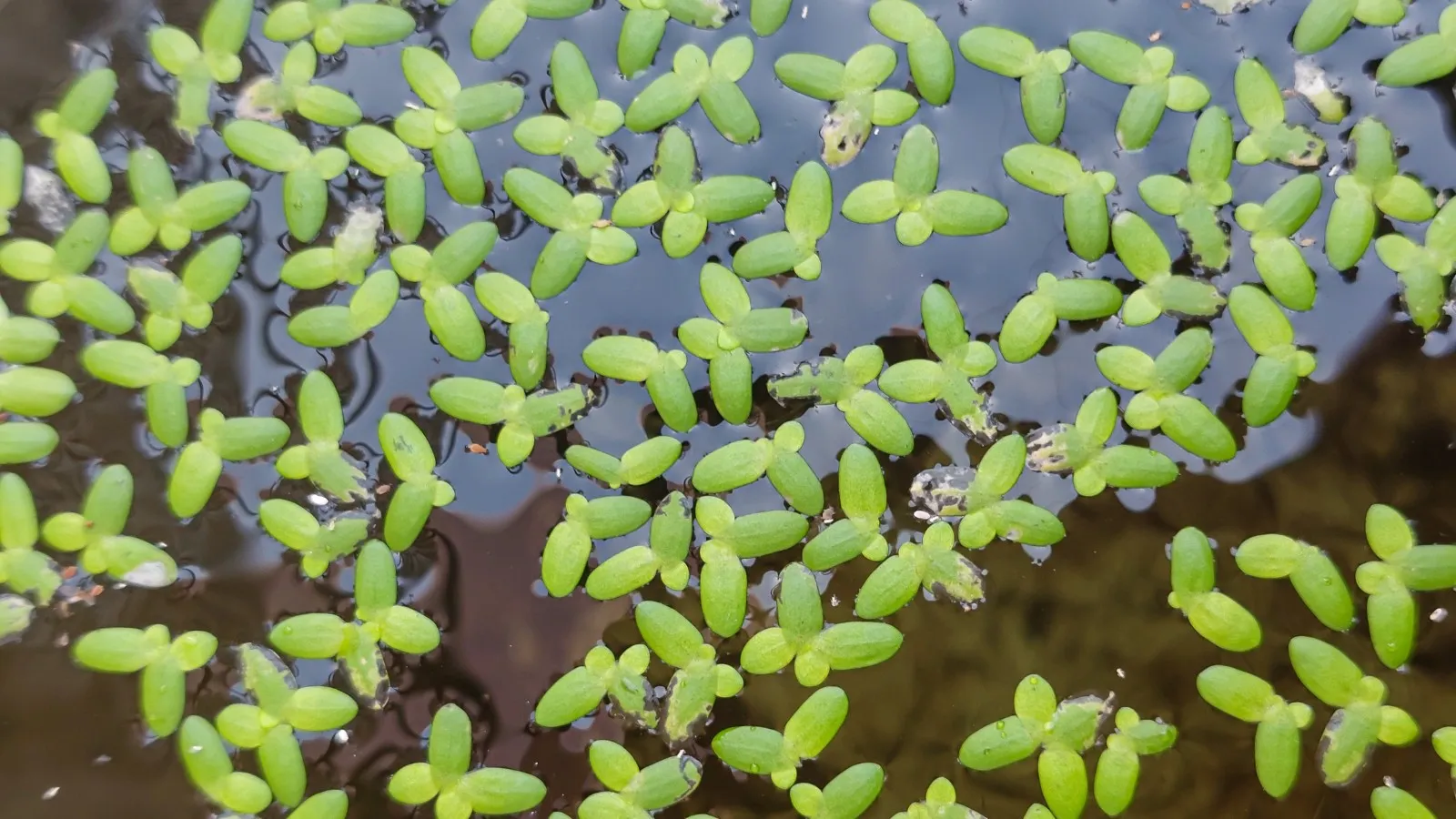
Duckweed is a tiny fast-growing floating plant commonly used in aquariums and ponds for rapid surface coverage. Lemna minor has simple round to oval fronds a few millimeters wide with fine root hairs hanging into the water and forms dense mats. It is very easy to keep in nutrient-rich water and moderate light, and care focuses on controlling spread and maintaining water quality. Regular thinning prevents shading and oxygen issues for submerged plants.
Quick overview
Duckweed, Lesser duckweed, Common duckweed, Lemna
Ideal use in aquascaping
Provides instant surface coverage and a natural look while absorbing excess nutrients. It creates shade for sensitive plants and offers shelter for fry and shy fish.
Place it as a surface layer over midground areas to reduce glare and nutrient levels. Use it as a temporary cover or nutrient sink and thin as needed to avoid full shading.
Good styles for this plant
Tiny bright green fronds create a soft dotted texture across the water and add a living carpet effect. The fine texture contrasts nicely with taller linear plants below.
Scales from nano tanks to ponds but grows so fast it can overwhelm small tanks quickly. Smaller tanks require more frequent thinning and monitoring.
Light and CO₂
Low to medium. Duckweed tolerates low light but spreads faster under brighter conditions and may bleach under intense direct light.
CO₂ is optional for duckweed and usually not necessary but added CO₂ will accelerate growth in high-light setups.
8–10 hours daily. A consistent schedule helps prevent algae and uncontrolled surface expansion.
Substrate and nutrients
As a floating plant duckweed does not require a substrate but depends entirely on water column nutrients. It thrives with ample nitrate and phosphate and benefits from trace elements. In low-nutrient systems growth will be slow.
Substrate preference
No substrate is required for duckweed itself, but a nutrient-rich substrate can support submerged plants and stabilize water chemistry in the same tank.
Nutrient needs
Duckweed draws nutrients from the water column and needs sufficient nitrates phosphates and trace elements to grow vigorously. Liquid fertilization is the most effective delivery method for this plant.
- Use a balanced liquid fertilizer to maintain nitrate and trace levels.
- Monitor phosphate to prevent stunted frond growth.
- Reduce dosing if duckweed growth becomes excessive to limit algae.
Planting and propagation
Introduce a small handful to the surface and allow fronds to spread naturally. Propagation is by rapid vegetative budding so no special planting is needed beyond stable light and nutrients. Control density by regularly removing excess mats.
How to plant
- Rinse fronds gently before introduction
- Scatter a small patch across the water surface
- Maintain light and nutrients for steady spread
Propagation method
Propagates vegetatively by budding where individual fronds split and form new plants rapidly across the surface.
- Start with a small patch and expand as needed
- Transfer fronds with a scoop or net to avoid damage
- Keep water nutrient levels stable for fastest spread
Pruning and maintenance
Regular thinning prevents total surface coverage and helps maintain oxygen exchange for the tank. Remove excess fronds with a fine net or siphon and monitor for nutrient imbalances. Keep mats away from filter intakes to prevent clogging.
Trimming style
Scoop or skim surface patches with a small net or use a surface siphon to thin evenly without disturbing the water column.
Maintenance frequency
Thin weekly in fast-growing aquariums and every few days in nutrient-rich or pond setups. Adjust frequency based on growth rate to keep partial surface coverage.
Growth and health indicators
What healthy growth looks like
Healthy duckweed shows vibrant green uniformly sized fronds with short roots and steady outward expansion. New fronds appear at the margins and older fronds are naturally replaced.
Signs it needs attention
Yellowing or browning fronds, stunted growth, or slimy decay indicate nutrient deficiency or poor water quality. Dense die-off or mats causing gas exchange problems require immediate thinning and water checks.
Tankmates and compatibility
Generally compatible with most freshwater community tanks but can block light for submerged plants if left unchecked. Some surface-feeding species will consume or scatter the fronds so choose tankmates with care.
Most small peaceful fish, shrimp, snails, and similar community species.
Use caution with surface feeders and plant-eating species that will consume or displace the fronds.
Duckweed can clog filters and reduce light to planted aquariums so manage density carefully. It is excellent for rapid nitrate uptake and providing shelter for fry.
Pro tips for this plant
Thin regularly to prevent oxygen dips at night.
Harvest with a fine net to remove fronds without disturbing the tank.
Share excess duckweed or compost it rather than letting it accumulate.
Overgrowth
Unchecked reproduction creates full surface mats that block light to submerged plants; correct by regular harvesting and reducing nutrient inputs. Maintain 30–70 percent surface coverage to balance benefits and light.
Yellowing fronds
Yellow fronds usually indicate nutrient deficiency or poor water quality so test water and dose appropriate liquid fertilizers. Remove dead material to prevent further decline.
Clogged filters
Dense mats can be pulled into intakes and clog equipment; install prefilters and keep plants away from inlet areas. Regular maintenance and thinning prevent most issues.
Typical beginner mistakes
- Allowing unchecked growth that blocks light
- Not thinning which leads to oxygen dips at night
- Introducing herbivorous fish that consume the entire crop
Short summary
Duckweed is a tiny floating plant that is easy to grow and excellent for nutrient control and surface cover. It needs moderate light and sufficient water-column nutrients and must be thinned regularly to prevent overgrowth.
Frequently asked questions (FAQs)
Is duckweed hard to grow?
No. Duckweed is one of the easiest plants and grows rapidly in nutrient-rich water.
Will duckweed harm other plants?
It can block light and outcompete submerged plants if left unchecked so regular thinning is important.
How do I remove excess duckweed?
Skim with a fine net or use a siphon to manually remove excess and dispose or share the harvest.
Some fish and waterfowl will eat it, while many aquarium species leave small fronds alone but surface feeders may consume it.
Does duckweed need CO2 injection?
No. CO2 is optional and not required, though it can boost growth in high-light tanks.
Will duckweed lower nitrates?
Yes. Duckweed absorbs nitrates and phosphates quickly but you must harvest biomass to permanently remove those nutrients from the system.