At a glance
Carpet plant
Fine leaves
Medium light
CO₂ friendly
Description
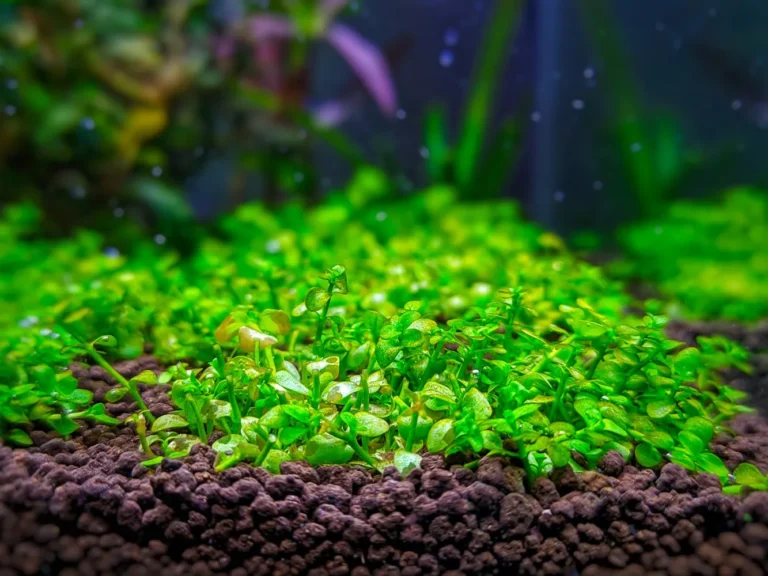
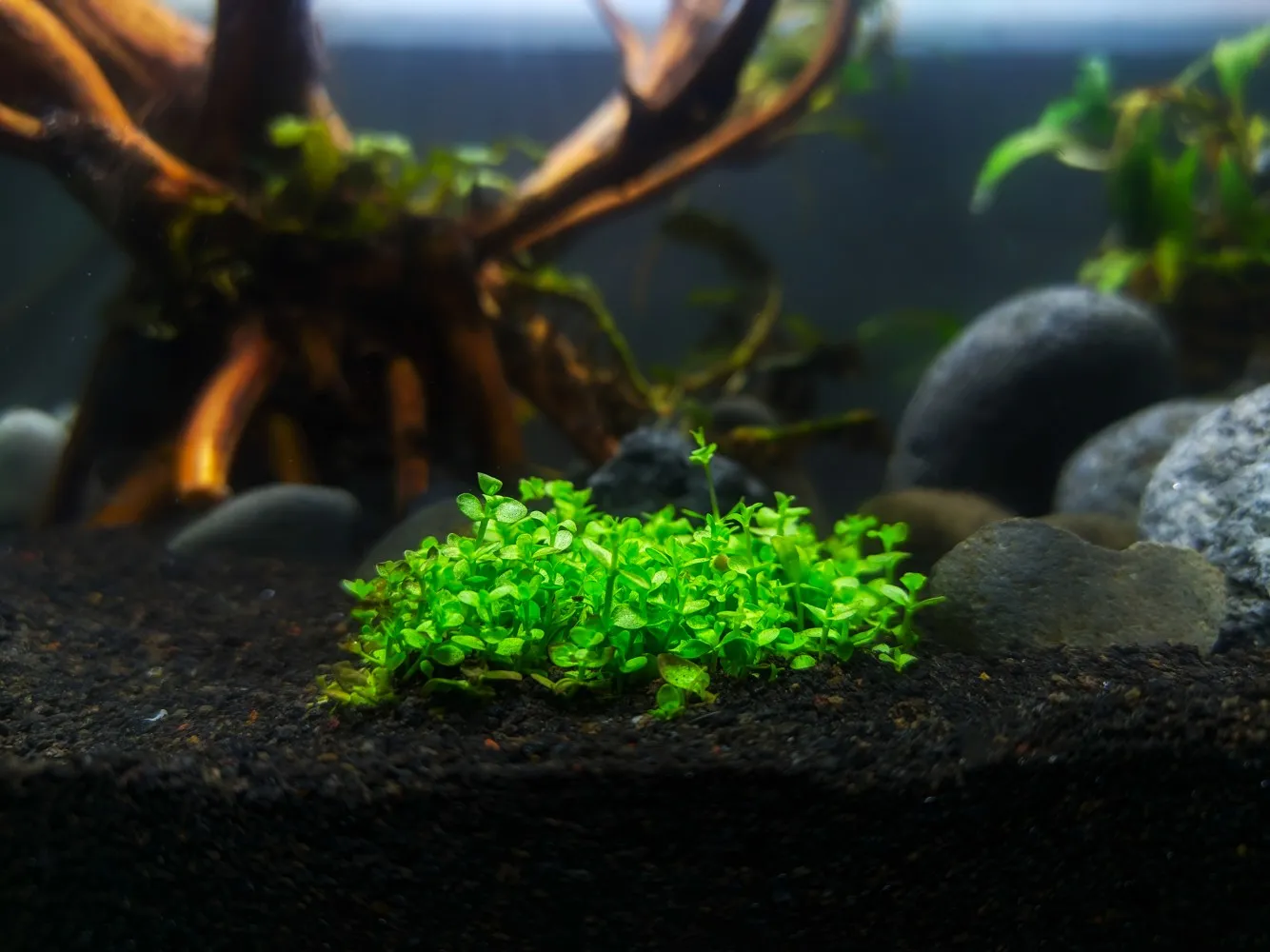
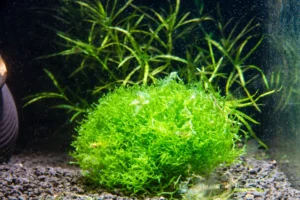
Monte Carlo is a popular low-growing aquarium carpet known for its small rounded leaves and dense mats. The plant is usually sold as Micranthemum 'Monte Carlo' and adapts into a soft green carpet under good conditions. It stays lower and spreads by stolons to form a continuous cover and benefits from stable water parameters and added CO₂ for best results.
Quick overview
Monte Carlo, Monte Carlo carpet, Dwarf Monte Carlo
Micranthemum 'Monte Carlo'
Leaves ~3–6 mm, carpet height ~1–3 cm
Ideal use in aquascaping
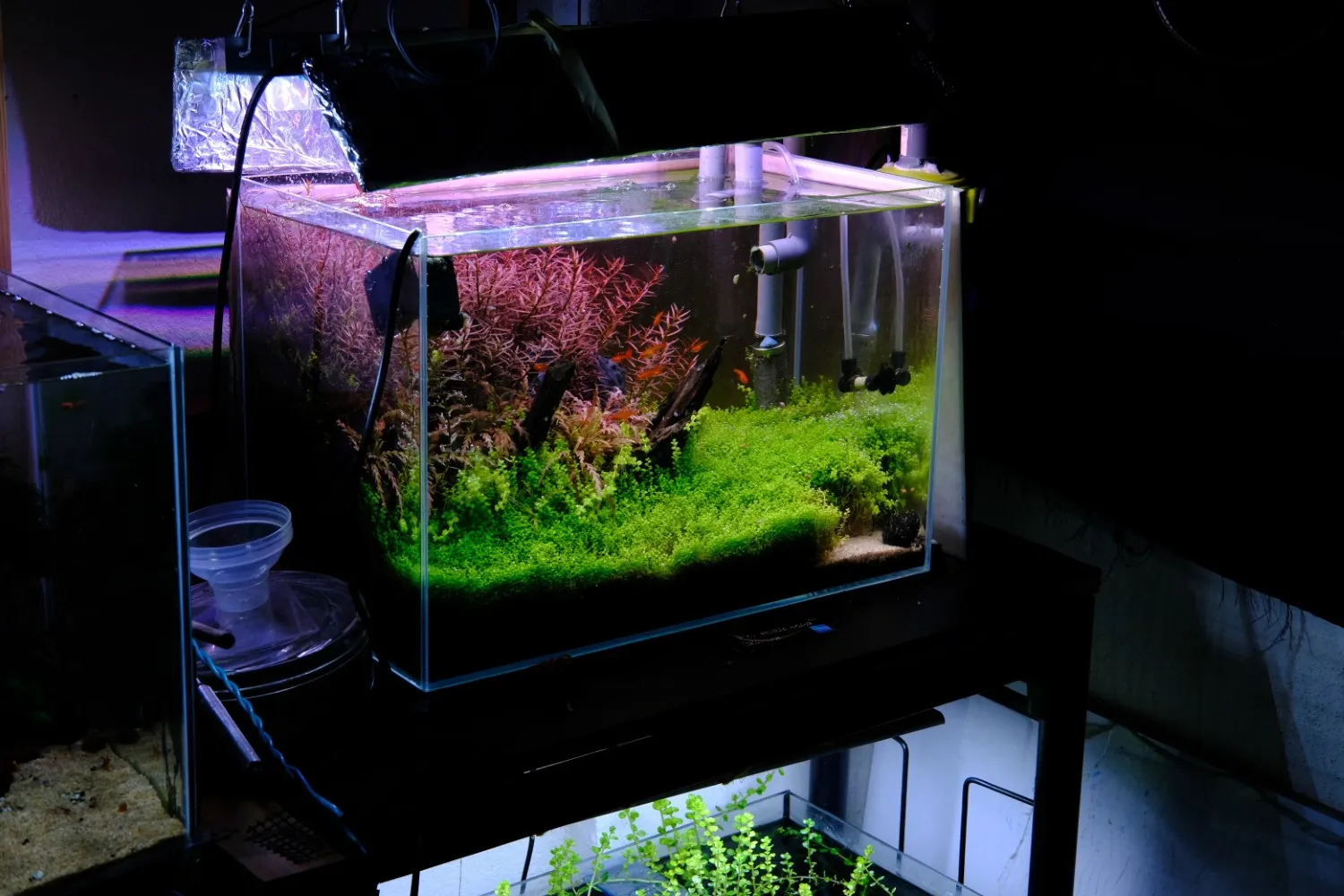
Monte Carlo creates a lush, low carpet that adds a natural lawn effect and foreground interest. It is useful for bright green contrast around rocks and driftwood and helps define pathways and focal points.
Place Monte Carlo in the foreground where it can form an uninterrupted carpet and draw attention to the base of hardscape. It works well as a transition between open substrate and taller midground plants.
Good styles for this plant
Monte Carlo suits nature, Iwagumi, and Dutch-influenced layouts where a tidy low carpet is desired. It pairs especially well with minimalist hardscape and small-leaf accent plants.
Leaves form a fine, soft texture that reads as a meadow at a glance and provides a bright mid-green color. The low profile keeps visual focus on rocks and wood while adding depth to the foreground.
It scales well from nano tanks to larger aquascapes but needs consistent maintenance on big carpets to prevent patchiness. Larger tanks require more lighting and nutrient distribution for even growth.
Light and CO₂
Medium–high. Bright, even light helps Monte Carlo remain compact and encourages lateral stolon growth while low light makes it leggy and sparse.
CO₂ is recommended for dense, fast carpeting and compact leaf size though small patches can survive without it in low demand setups.
6–8 hours daily. A consistent photoperiod reduces algae risk and helps steady carpet growth.
Substrate and nutrients
Monte Carlo benefits from a nutrient-rich substrate or root tabs because it spreads by stolons and feeds through roots and leaves. Regular liquid fertilization with macro and micro nutrients supports steady growth and healthy green coloration.
Substrate preference
Fine-grained aquarium soil or sand over soil helps stolons attach and roots establish. Very coarse substrates slow initial spread and make planting plugs harder to secure.
Nutrient needs
A balanced supply of nitrogen, potassium and micronutrients is important and complements a fertile substrate; root tabs plus weekly liquid dosing gives reliable results.
- Use root tabs beneath the carpet every 6–8 weeks for steady root nutrition
- Dose liquid macro and micro fertilizers weekly to prevent deficiencies
- Monitor nitrate and iron levels to keep leaves vibrant
Planting and propagation
Monte Carlo is planted as small clumps or plugs and spreads by sending stolons between pieces. It propagates easily from any healthy plug once conditions are stable and light and nutrients are available.
How to plant
- Divide the mat into small plugs of 4–8 stems
- Plant plugs a few centimeters apart in the foreground
- Press gently into the substrate and anchor until stolons take hold
Propagation method
Propagation is by runners and division of plugs; healthy mats will produce stolons that root and create new crowns. You can create new carpets by transplanting rooted runners or splitting established mats.
- Start with small plugs spaced evenly for quicker coverage
- Lift and replant runners rather than tearing to avoid long recovery
- Keep water movement gentle to allow stolons to root
Pruning and maintenance
Trim Monte Carlo by removing sections or lifting the mat to thin dense areas and prevent detritus buildup underneath. Regular maintenance prevents taller shoots and encourages horizontal stolon growth.
Trimming style
Trim by lifting the carpet and cutting back the top layer or scissoring the surface to maintain even height and density.
Maintenance frequency
Every 2–6 weeks depending on growth rate and tank size; faster growth with CO₂ may need more frequent trimming. Remove trimmings promptly to avoid decay and algae.
Growth and health indicators
What healthy growth looks like
A healthy carpet is even, bright green, and low with interwoven stolons and no long upright shoots. New runners should root quickly and fill gaps within weeks under good conditions.
Signs it needs attention
Yellowing leaves, holes, or sparse patches indicate nutrient or light imbalance and require adjustments. Long upright stems or slow spread suggest insufficient light, CO₂ or substrate fertility.
Tankmates and compatibility
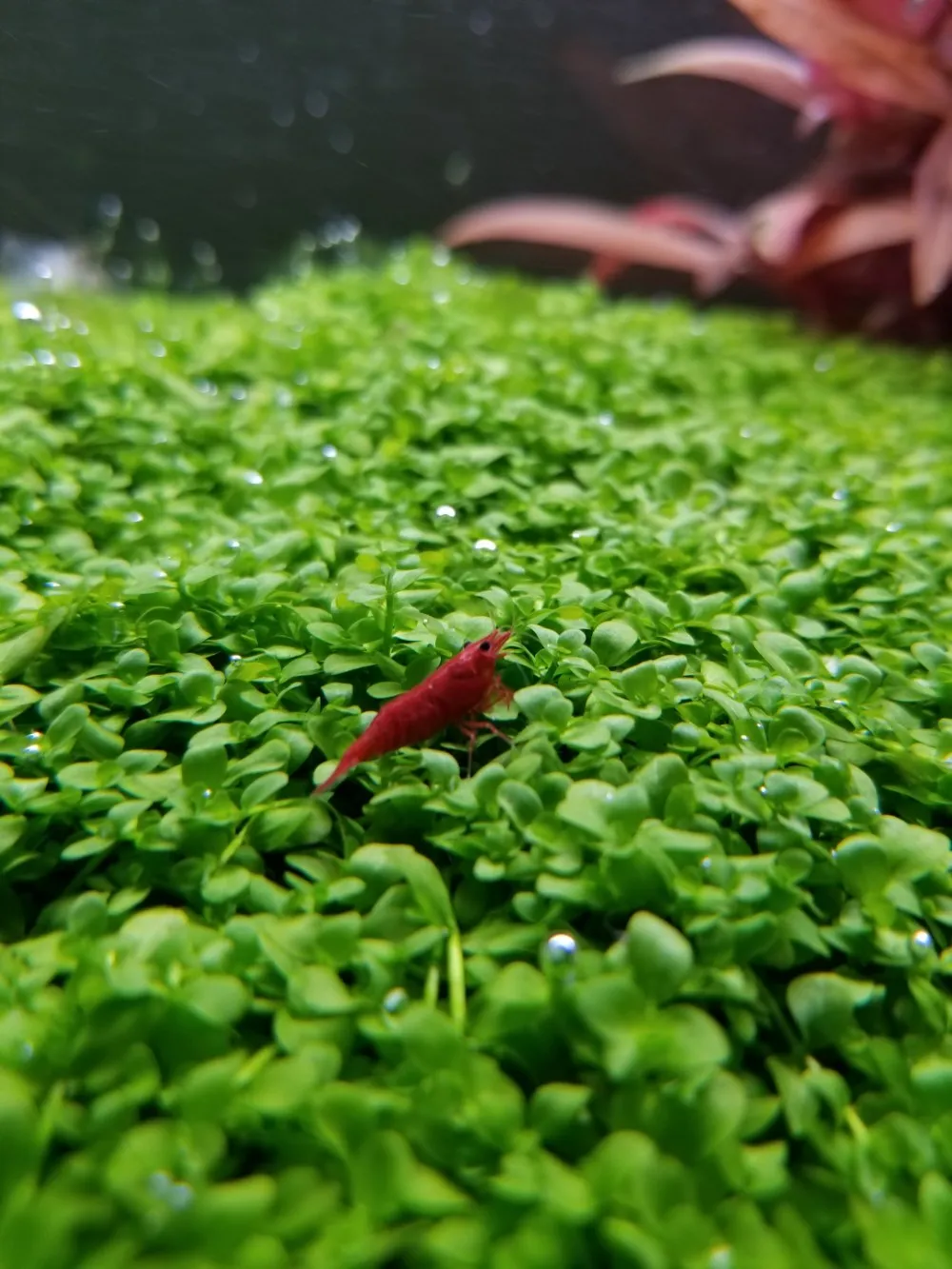
Monte Carlo is compatible with most small peaceful community fish and invertebrates that do not dig or graze heavily. It can cohabit with shrimp and small rasboras that will not uproot the carpet.
Most small peaceful fish, shrimp, snails, and similar community species work well with Monte Carlo and help keep algae off the leaves.
Avoid keeping large digging fish, goldfish, or boisterous bottom dwellers that will uproot or eat the carpet.
Keep an eye on algae on the carpet early after planting because small leaves are prone to being shaded by biofilm. Shrimp and regular gentle maintenance help keep the carpet clean.
Pro tips for this plant
Plant small plugs close enough that stolons can bridge gaps within weeks.
Use root tabs at planting and liquid fertilizers afterward for steady spread.
Trim selectively and remove trimmings to prevent nutrient hotspots and algae.
Slow spread
Slow coverage is usually caused by low light, poor substrate nutrients, or no CO₂; improve light and nutrients and consider adding CO₂ to speed stolon formation.
Melting after transplant
Newly planted plugs may melt and then recover as roots establish; keep water stable, avoid strong flow on plugs, and replant any loose pieces rather than leaving debris.
Algae on leaves
Algae growth often follows excess light or inconsistent nutrients; reduce photoperiod, ensure balanced fertilization, and add algae grazers or manual cleaning.
Typical beginner mistakes
- Planting plugs too far apart which delays carpeting
- Underestimating the need for nutrient rich substrate or root tabs
- Running long photoperiods and skipping regular maintenance
Short summary
Monte Carlo is a versatile carpeting plant that creates a soft green foreground with moderate care and good light. It responds well to CO₂ and fertilization and rewards consistent maintenance with a dense, attractive carpet.
Frequently asked questions (FAQs)
Is Monte Carlo hard to grow?
It is moderately challenging; stable light, nutrients, and optional CO₂ make it much easier to maintain.
How fast does Monte Carlo spread?
Spread rate is moderate and accelerates with CO₂, good light, and a fertile substrate.
Can Monte Carlo survive without CO₂?
Yes small patches can survive without CO₂ but dense, compact carpets form best with added CO₂.
How should I trim the carpet?
Trim by lifting and cutting or scissoring the top layer to keep it even and remove trimmings promptly.
What substrate is best for Monte Carlo?
Fine-grained aquarium soil or sand over nutrient-rich soil gives the best rooting and stolon attachment.
Are shrimp safe with Monte Carlo?
Yes shrimp are excellent tankmates because they graze algae without damaging the carpet and help keep leaves clean.