At a glance
Carpet plant
High light
Fine texture
Small leaves
Description
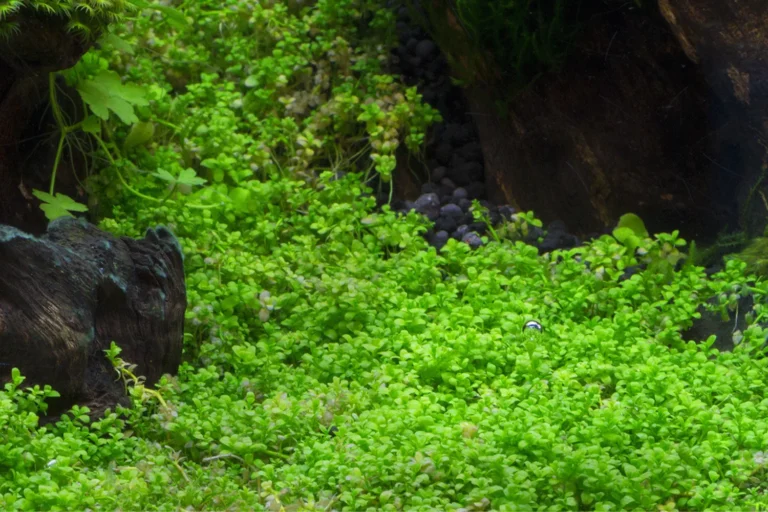
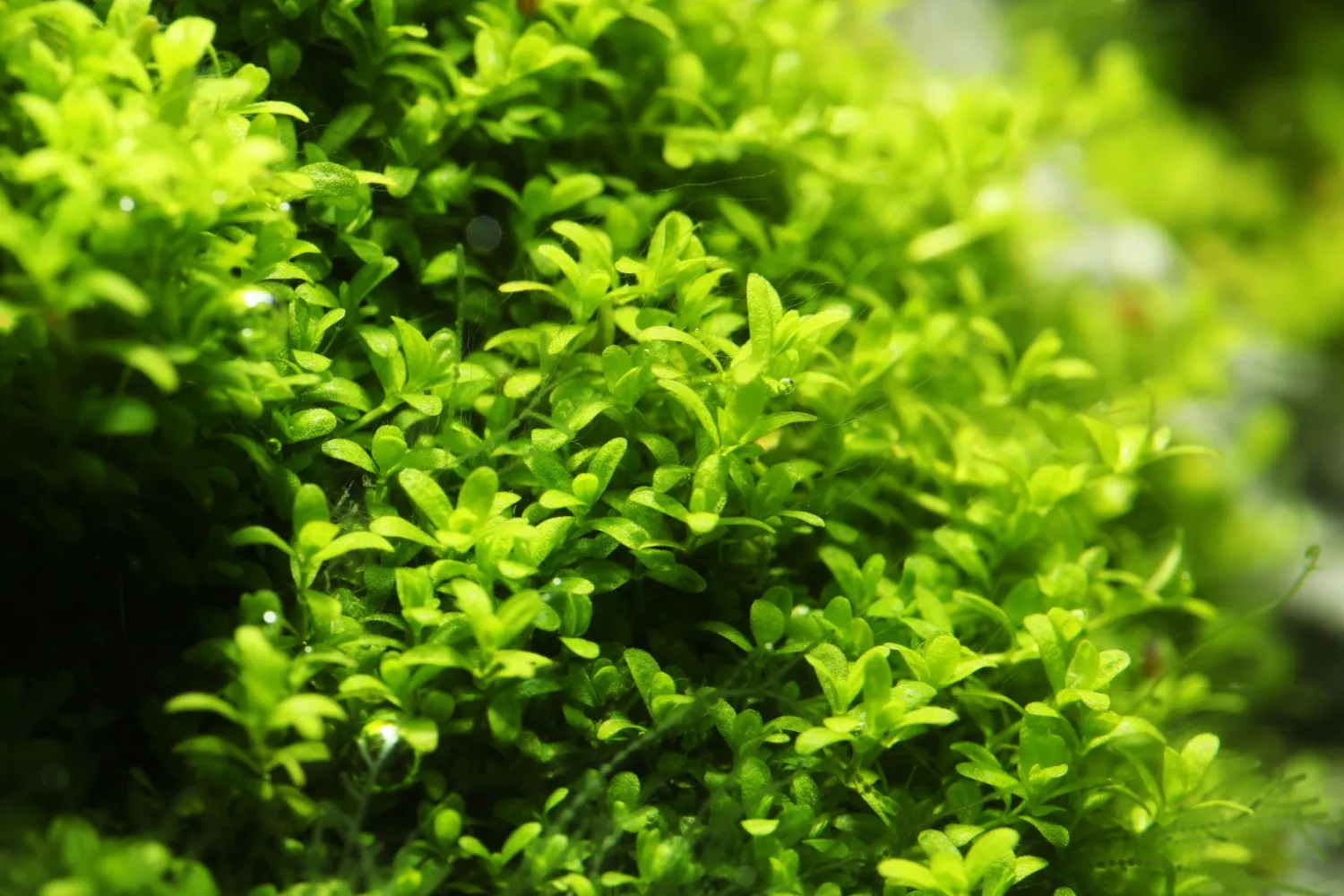
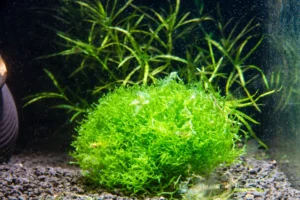
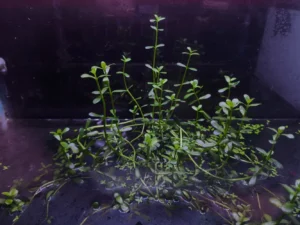
Dwarf Baby Tears (HC Cuba) is a tiny carpeting aquarium plant whose scientific name is Hemianthus callitrichoides. It forms dense bright-green mats of very small round leaves that create a delicate foreground carpet. The plant stays compact under strong light and stable CO₂ with good nutrient dosing. It is rewarding but demands attention to light, CO₂ and fertilization to avoid stretching and algae.
Quick overview
Dwarf Baby Tears, HC Cuba, Cuba HC, Baby tears
Hemianthus callitrichoides
Leaves ~2–4 mm, carpet height ~1–3 cm
Ideal use in aquascaping
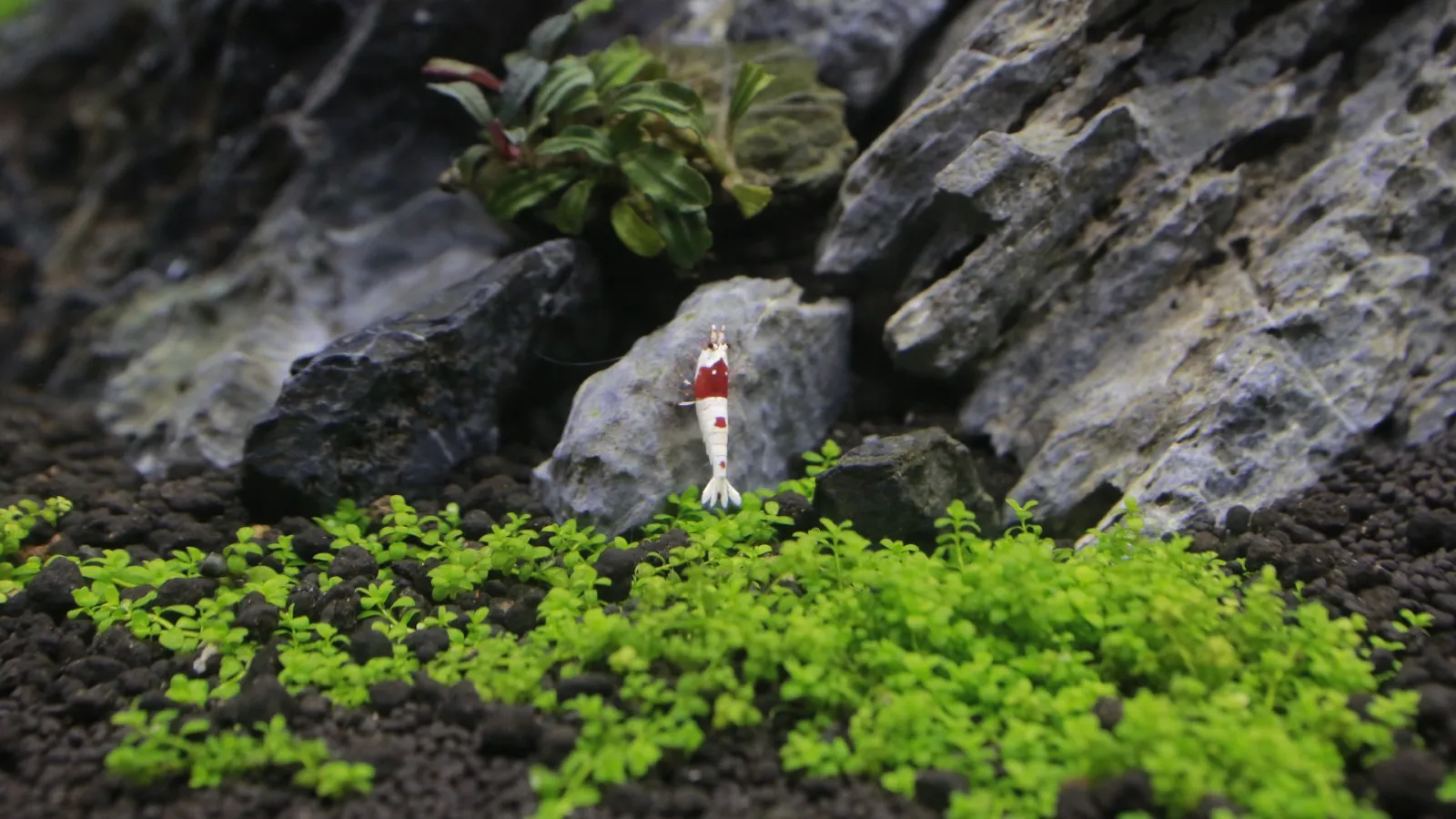
Dwarf Baby Tears is used to create a fine, detailed foreground carpet that emphasizes scale in planted aquascapes. Its small leaves work well in close-up compositions and in front of hardscape features to make the layout feel more natural. It is best when you want a high-detail, photo-ready foreground.
Plant as a foreground carpet directly in front of rocks or driftwood to form a continuous green plane that leads the eye into the scape. It functions as a visual anchor and scale reducer around focal points.
Good styles for this plant
Ideal for Iwagumi and nature aquascapes that favor minimalism and low-lying foregrounds. It also suits high-detail Dutch-style tanks when you want a delicate carpet contrast.
The plant gives a bright to medium green color and a very fine texture that reads as a soft carpet from a distance. Its dense mat provides a clean, uniform surface that contrasts well with coarser-leaved plants and hardscape.
Works best in small to medium tanks where trimming and CO₂ are easier to control, but it can scale to larger systems with consistent maintenance. Larger tanks require more effort to maintain even growth and nutrient distribution.
Light and CO₂
High. This plant performs best under strong, evenly distributed light to keep leaves small and compact and to prevent stretching.
CO₂ is strongly recommended for dense carpeting and compact growth, though very small patches can survive without it.
6–8 hours daily. A consistent schedule helps reduce algae risk and keeps growth steady.
Substrate and nutrients
Prefers a fine-grained nutrient-rich substrate or an inert substrate supplemented with root tabs because plugs rely on localized nutrients. Regular liquid dosing of macros and micros supports healthy leaf color and steady expansion. Stable levels of iron and potassium help prevent yellowing and slow growth.
Substrate preference
A fine grain aquarium soil or sand over nutrient substrate works well to anchor the delicate roots and provide nutrients. If using inert gravel, place root tabs near planted plugs to supply nutrients.
Nutrient needs
Needs steady water column fertilization for macros and trace elements plus occasional root tabs for localized nutrients, especially in inert substrates. Avoid large swings in nutrient levels that promote algae.
- Place root tabs under planted plugs every few months
- Dose liquid macros and micros consistently following manufacturer guidance
- Maintain stable iron and potassium to prevent yellowing
Planting and propagation
Plant from small plugs or fragments and allow them to spread by stolons to form a carpet. Healthy planting and steady conditions encourage faster lateral growth and plugging of gaps. Propagation is mainly by dividing and replanting small patches.
How to plant
- Divide the mat into small plugs of stems and roots
- Plant each plug a few centimeters apart in the foreground
- Press gently into the substrate and secure if needed
Propagation method
Propagated by dividing carpets or allowing runners/stolons to spread; new areas can be trimmed and replanted as individual plugs. Regular trimming encourages lateral branching and denser coverage.
- Replant small healthy patches rather than single stems
- Keep new plugs shaded for a few days after planting
- Ensure CO₂ and nutrients are stable to help establishment
Pruning and maintenance
Trim the carpet regularly to encourage density and prevent excessive vertical growth or legginess. Remove older or yellowing sections and replant healthy cuttings to fill gaps. Maintain consistent CO₂, light and fertilization to reduce frequent corrective pruning.
Trimming style
Trim with scissors held parallel to the substrate for a smooth uniform carpet and immediately remove clippings to avoid rot.
Maintenance frequency
Every 1–3 weeks depending on growth rate and tank conditions; faster under strong light and good CO₂. Monitor and trim before stems get too tall to keep the carpet even.
Growth and health indicators
What healthy growth looks like
A healthy carpet is bright green, low and dense with small closely spaced leaves and short internodes. New stolons spread evenly and fill gaps rather than long stretched runners.
Signs it needs attention
Stretching, elongated internodes, pale leaves or slow spreading indicate insufficient light, CO₂ or nutrients. Brown patches or heavy algae on leaves signal an imbalance or poor water flow and need corrective action.
Tankmates and compatibility
Generally compatible with small peaceful community fish and invertebrates that do not dig or graze aggressively. Keep in mind grazing shrimp may nibble but usually help keep leaves clean.
Most small peaceful fish, shrimp, snails, and similar community species.
Avoid fish that dig or uproot plants, such as cichlids, large loaches, and goldfish.
Shrimp and small snails are useful for cleaning but heavy grazing can slow establishment. Be patient when establishing HC as it often needs weeks of stable conditions to form a full carpet.
Pro tips for this plant
Start with small healthy plugs and give them time to fill in before expecting a full carpet.
Maintain very stable CO₂ and dosing to prevent algae and stretching.
Trim frequently and replant trimmings to thicken thin areas quickly.
Leggy growth
Leggy stems and large internodes are usually due to insufficient light or CO₂ and are corrected by increasing lighting intensity and stabilizing CO₂ levels.
Yellowing leaves
Yellow or pale leaves often indicate a lack of iron or other trace elements and respond to targeted micronutrient dosing and consistent fertilization.
Algae buildup
Algae on the carpet is commonly caused by nutrient or light imbalance and can be managed by adjusting light duration, improving flow, and ensuring balanced fertilization and CO₂.
Typical beginner mistakes
- Skipping CO₂ in high-light setups
- Planting plugs too far apart
- Inconsistent fertilization and photoperiod
Short summary
Dwarf Baby Tears (HC Cuba) is a very fine carpeting plant prized for detailed foregrounds but it demands high light, stable CO₂ and steady nutrients. With proper planting, regular trimming and consistent dosing it creates a dense bright-green carpet that enhances many aquascape styles.
Frequently asked questions (FAQs)
It is considered advanced because it needs strong light, stable CO₂ and consistent fertilization to form a dense carpet.
Can I grow it without CO₂?
Small patches may survive without CO₂ but expect slower growth, leggy stems and difficulty forming a full carpet.
How often should I trim the carpet?
Trim every one to three weeks depending on growth to keep a low, even carpet and to encourage lateral spreading.
What substrate is best for HC Cuba?
A fine nutrient-rich substrate or inert substrate with root tabs is best to provide localized nutrients for plugs.
Are shrimp safe with this plant?
Yes, most shrimp are safe and help clean debris, though heavy grazing can slow establishment in new carpets.
How long to establish a full carpet?
Under ideal conditions expect several weeks to a few months to establish a dense carpet depending on tank size and maintenance.