At a glance
Feathery leaves
Cool water
Midground plant
Moderate growth
Description
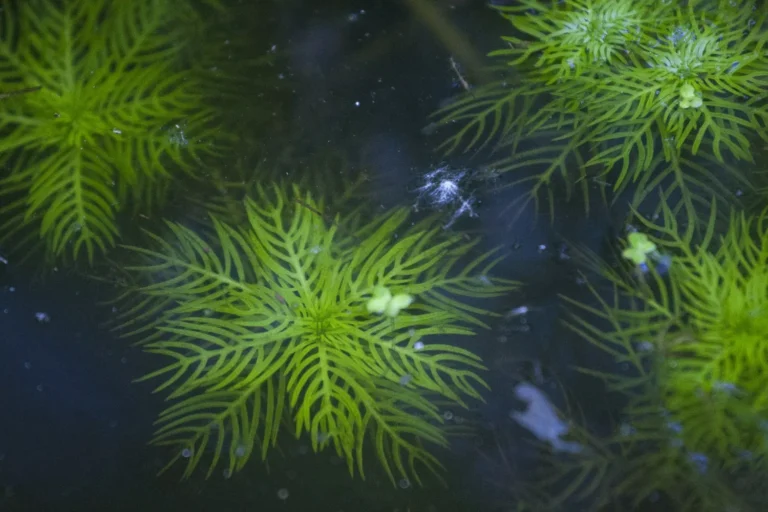
Hottonia palustris is commonly called Water Violet and features finely divided, featherlike leaves that form rosettes or short stems. The plant adds a delicate, airy texture and can produce small emersed flowers in shallow tanks or paludariums. It prefers cooler, well-oxygenated water and steady nutrients rather than extreme lighting. Care is straightforward for hobbyists who match its temperature and nutrient preferences.
Quick overview
Water violet, Feathered water violet, Water pimpernel
Leaves ~2–8 cm, height ~15–30 cm
Ideal use in aquascaping
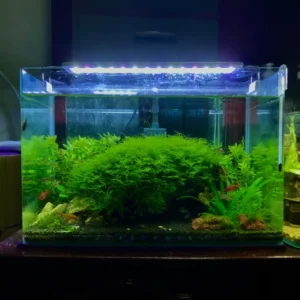
Water Violet is useful for adding a soft, feathery foreground or midground texture and works well near the tank front where its leaves can be admired. Its fine foliage contrasts nicely with broader-leaved plants and creates a natural look in cooler or temperate layouts.
Place it in the midground or front of the midground where leaves can spread without being shaded by taller stems. It functions as a textural filler and a transitional plant between low carpets and taller background species.
Good styles for this plant
It suits natural, Dutch, and paludarium-style aquascapes and also works in planted cold-water tanks. Use it where a delicate, cottage-garden look is desired.
Leaves are bright to medium green with a very fine feathery texture that softens hardscapes and contrast with broad leaves. The plant adds visual lightness and movement when flow gently sways the foliage.
It scales well in small and medium tanks where its height stays in proportion, and larger tanks can host groups or pockets to create massing. Avoid very deep tanks where lower light will cause legginess.
Light and CO₂
Medium–high. This plant grows compact and dense under brighter light but tolerates moderate conditions; low light can lead to elongated or sparse foliage.
CO₂ is optional and can boost growth and fullness but is not required in cooler, well-maintained aquaria.
8–10 hours daily. A consistent schedule helps prevent algae and supports steady growth.
Substrate and nutrients
Water Violet benefits from a nutrient-rich substrate or root tabs because it has a substantial root mass and steady nutrient uptake. Regular liquid fertilization for macronutrients and micronutrients supports healthy leaf development.
Substrate preference
A loamy planted substrate or fine gravel with occasional root tab dosing is preferred to supply steady nutrients and allow roots to anchor. Avoid very coarse substrates that leave roots unsupported.
Nutrient needs
Moderate nutrient levels with available iron and trace elements keep leaves green and robust, and occasional potassium and nitrogen dosing will prevent slow decline. Match root dosing to visual growth and avoid overfertilizing.
- Use root tabs near the crown every 6–8 weeks for steady nutrients.
- Supplement with weekly liquid trace fertilizer to prevent deficiencies.
- Adjust dosing if algae appears by reducing light or nutrients slightly.
Planting and propagation
Plant Water Violet in small groups to create a natural clump and avoid burying the crown too deeply. It propagates by division of the rosette and by side shoots under favorable conditions.
How to plant
- Separate healthy rosettes into small clumps
- Plant clumps a few centimeters apart with crown at substrate level
- Press gently and add a root tab if substrate is inert
Propagation method
Propagation is mainly by division of offsets or side rosettes and occasionally by seeds in emersed growth. In aquaria, dividing clumps produces the quickest and most reliable propagation.
- Divide during active growth to reduce stress on the plant
- Keep divided plugs shaded for a few days if flow is strong
- Use healthy, mature rosettes for best success
Pruning and maintenance
Trim any damaged or overly long foliage to keep the rosette tidy and encourage new growth. Remove decaying leaves promptly to prevent nutrient spikes and algae development.
Trimming style
Dead or leggy leaves can be pinched off at the base and longer stems shortened to maintain a compact rosette shape.
Maintenance frequency
Every 2–6 weeks trim older or damaged foliage depending on growth rate and the amount of crowding. Perform regular substrate tidy-up and nutrient checks during water changes.
Growth and health indicators
What healthy growth looks like
Healthy plants form tight rosettes with many fine, evenly spaced leaf segments and a bright green color. New growth should appear from the center and remain compact under adequate light.
Signs it needs attention
Yellowing leaves, thinning foliage, or elongated stems suggest low light, nutrient deficiency, or high temperatures. Slow decline or melting often indicates poor acclimation after planting or sudden changes in water conditions.
Tankmates and compatibility
Water Violet is compatible with peaceful community setups where fish do not nibble or uproot plants and invertebrates that do not overgraze foliage. It does not tolerate heavy disturbance from diggers or large boisterous fish.
It pairs well with small peaceful community fish and plant-friendly invertebrates in tanks that maintain cooler temperatures.
Use caution with large cichlids, digging loaches, and goldfish that will uproot or damage delicate rosettes.
This species often does better in cooler tanks or paludarium setups and will sometimes perform best emersed. Watch water temperature and flow to keep foliage intact and healthy.
Pro tips for this plant
Group several rosettes together for a natural clump instead of planting single stems.
Add root tabs when planting in inert substrates to support the heavy root system.
If leaves become leggy, raise light slightly or divide and replant into smaller clumps.
Leggy growth
Insufficient light or high temperatures cause stems to elongate; increase light gradually and lower temperature if possible to restore compact growth.
Yellowing leaves
Often a sign of iron or trace element deficiency or poor root access to nutrients; use liquid trace fertilizer and consider root tabs near the crowns.
Melting after planting
Sudden environmental changes or damaged roots cause melting; replant gently, reduce flow, and maintain stable water parameters while the plant recovers.
Typical beginner mistakes
- Burying the crown too deep when planting which causes rot
- Keeping tank temperatures too high for the species preference
- Expecting rapid carpeting growth instead of rosette clumping
Short summary
Water Violet (Hottonia palustris) is a delicate feathery rosette plant suited to cooler freshwater tanks and paludariums. It prefers moderate to high light, steady nutrients, and gentle care to maintain compact, attractive foliage.
Frequently asked questions (FAQs)
Is Water Violet suitable for small tanks?
Yes, it works well in small to medium tanks when planted in groups and kept trimmed to scale.
Does it need CO₂ injection?
CO₂ is optional and can boost growth, but many aquarists keep it healthy without injection in cooler setups.
Yes, Water Violet often thrives emersed in paludariums and can flower when grown out of water.
It grows at a moderate pace and spreads by producing offsets rather than fast carpeting runners.
What water hardness does it prefer?
It tolerates a range of hardness but prefers soft to moderately hard water with good oxygenation.
Will fish eat this plant?
Most small peaceful fish will not heavily graze it, but herbivorous or nipping species may damage the foliage.