At a glance
Peaceful
Algae eater
Active swimmer
Schooling
Description
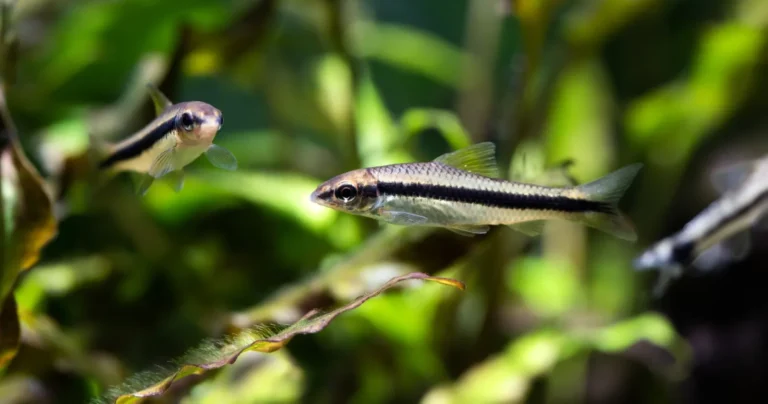
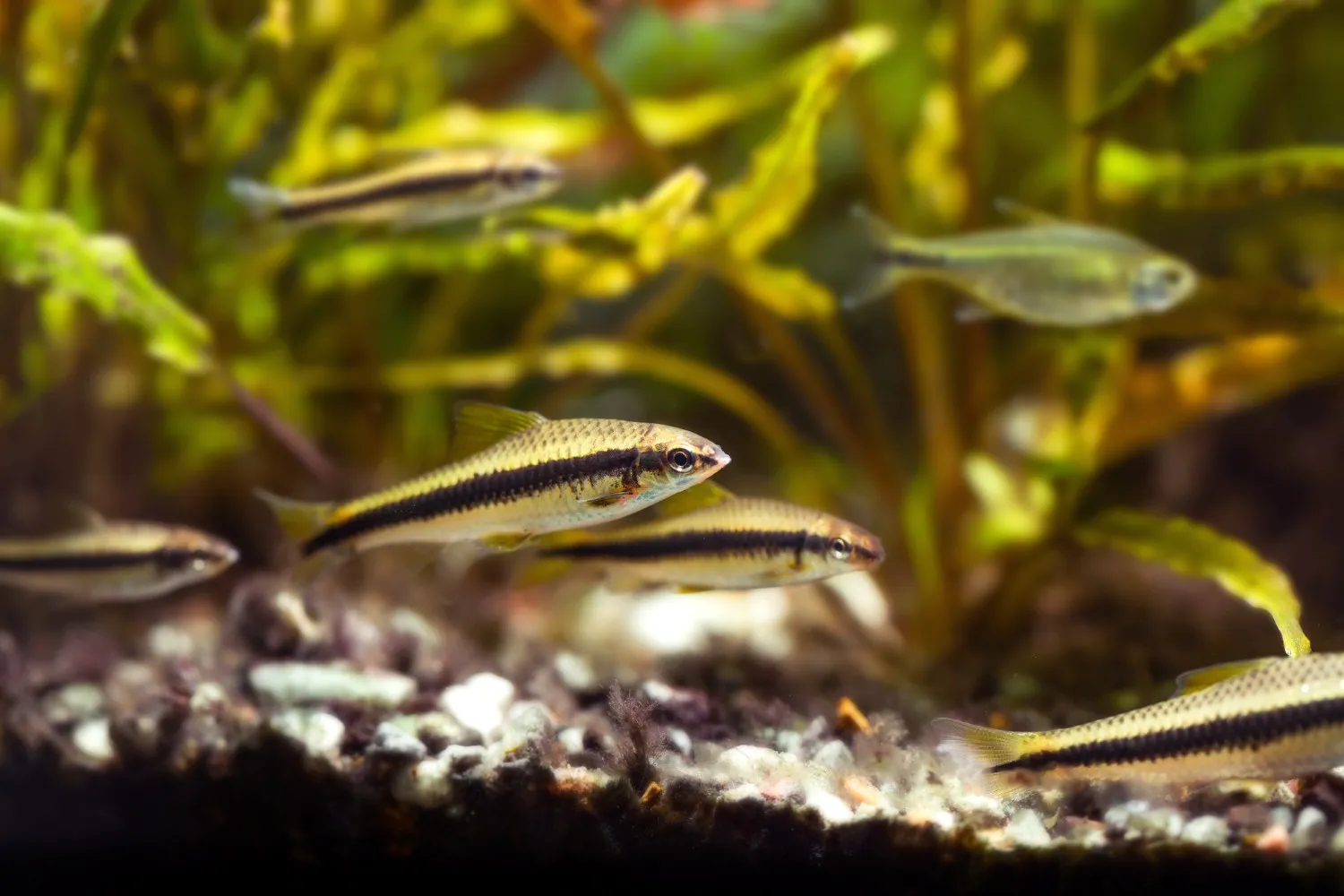
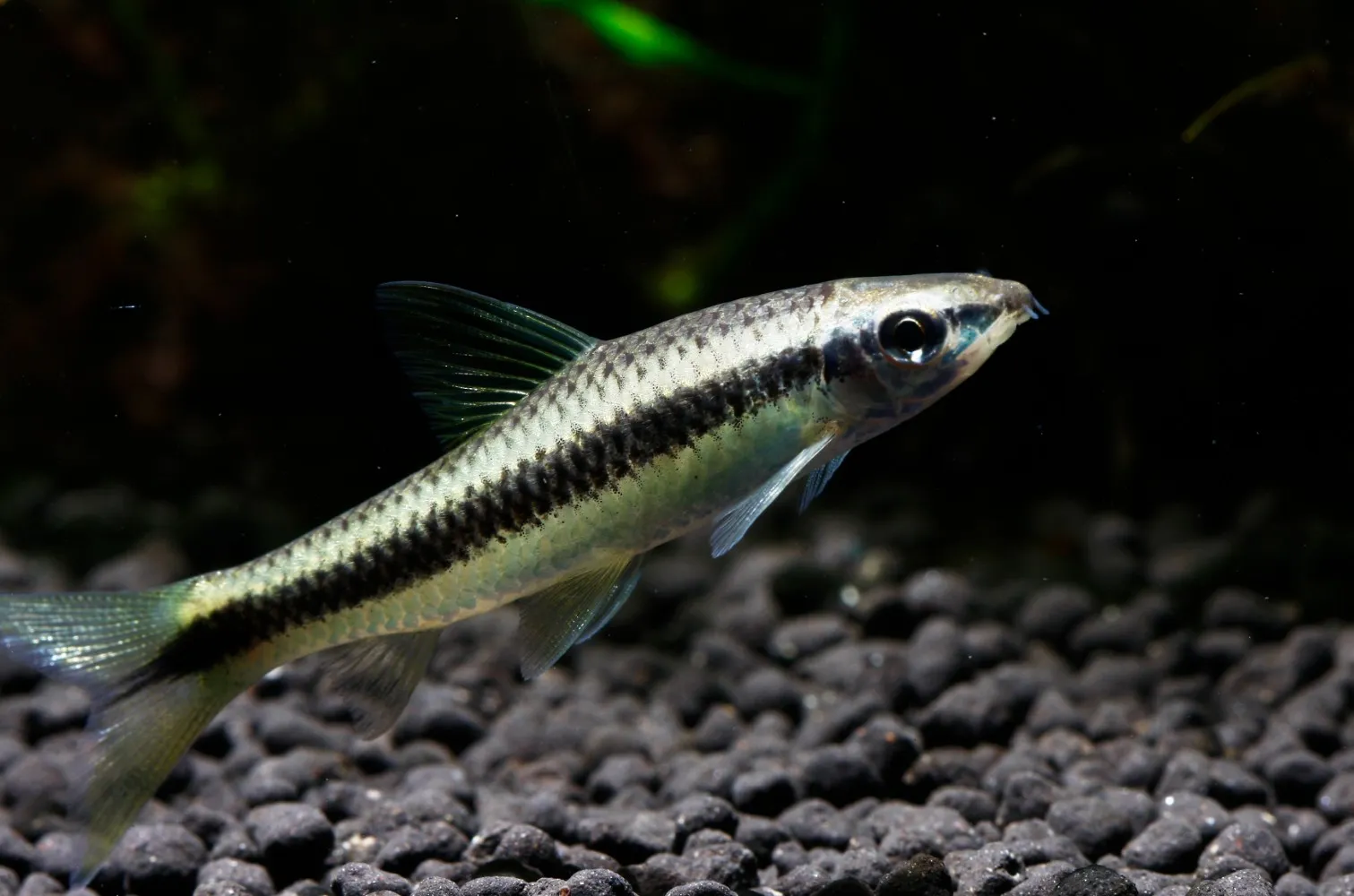
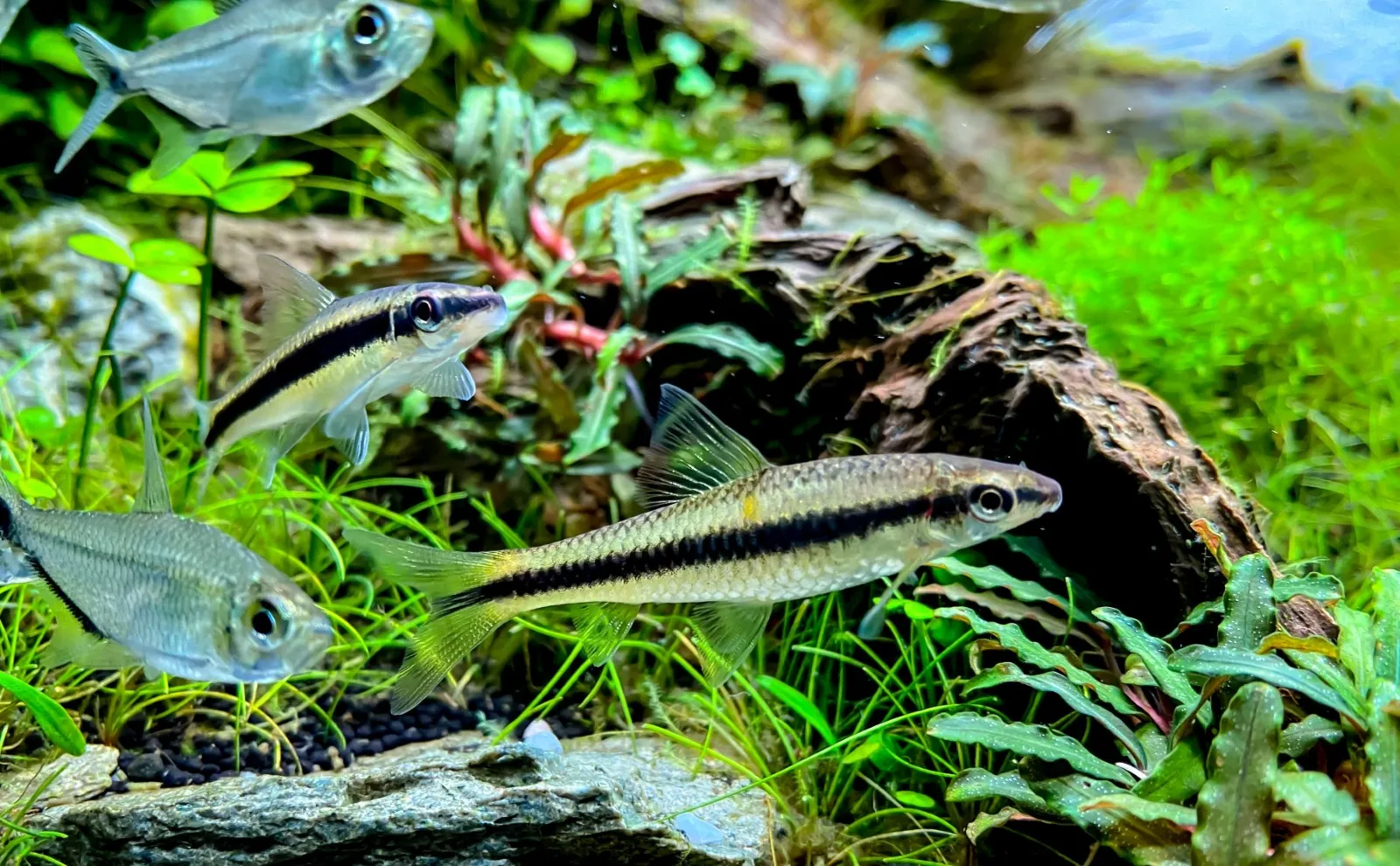
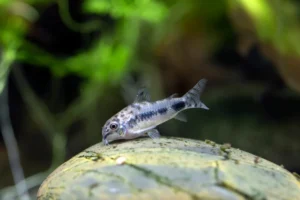
The Siamese Algae Eater (Crossocheilus siamensis) is a streamlined, active cyprinid prized for grazing filamentous algae in planted aquaria. It shows a distinctive dark lateral stripe and a slender body built for steady swimming. Care is straightforward for aquarists who provide stable water, moderate flow and plenty of grazing surfaces. They thrive in groups and appreciate long tanks with driftwood and shaded planting.

Quick overview
Siamese algae eater, SAE, Crossocheilus siamensis
100 liters (26 gallons) for a group
Ideal aquarium setup
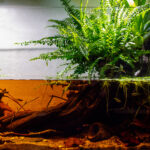
Siamese algae eaters do best in a planted, stable aquarium with plenty of grazing surfaces and open swimming lanes that resemble their stream habitats. Moderate flow, well-oxygenated water and shaded areas created by plants or driftwood help them feel secure. A long tank rather than a tall tank suits their active swimming style.
Recommend at least 100 liters (26 gallons) for a small group of 3–5; a single adult still needs roughly 75 liters (20 gallons) due to its active nature.
Moderate lighting is ideal; it supports plant growth and creates enough algae for grazing without causing excessive algal blooms. Very high light can increase nuisance algae but may stress fish if there is no cover.
Robust plants like Java fern, Anubias and Vallisneria suit them, plus floating plants to create shaded areas; plants provide cover and extra surfaces for algae and biofilm. Dense planting along the sides with open central lanes lets them swim and graze comfortably.
Moderate flow to mimic riverine conditions and provide oxygenation, which encourages natural grazing behavior.
Fine sand or smooth gravel mirrors riverbeds and protects their sensitive mouthparts and barbels.
Use driftwood and smooth river rocks to create grazing surfaces and shaded crevices, leaving open swimming lanes; leaf litter is optional for a natural look and biofilm growth.

Behavior and temperament
Siamese algae eaters are generally peaceful, active and social, preferring small groups where they establish a loose hierarchy. They spend much time grazing on surfaces and swimming midwater to surface. They can become shy or stressed in poorly oxygenated or crowded tanks and may show mild territorial displays with conspecifics when space is limited. They are not typically fin nippers but may bother slow long-finned species.
Diet and feeding
They are omnivores that naturally graze on filamentous algae and biofilm but adapt readily to prepared foods, sinking wafers and vegetables. Offer a varied diet including vegetable matter and occasional protein foods to keep them healthy and encourage grazing. Regular feeding prevents them from overgrazing hobbyist-desired plants if algae is scarce.
What they eat in nature
Filamentous algae, periphyton, biofilm, small invertebrates.
What to feed in the aquarium
- Algae wafers and sinking tablets.
- Blanched vegetables like zucchini and cucumber.
- Frozen bloodworms, daphnia, and brine shrimp.
- Sinking pellets or granules for omnivores.
- Occasional live foods for conditioning.
Feeding schedule
Feed small amounts one to two times daily, only what they can consume within two to three minutes.
Special dietary needs
No strict needs, but a steady supply of vegetable matter and algae wafers plus occasional protein-rich frozen foods improves health and coloration.
Daily:
Offer small portions of sinking pellets or an algae wafer once or twice daily.
Weekly:
Include blanched vegetables and a protein-rich frozen food two to three times per week for variety and conditioning.
Always:
Always provide some vegetable matter and grazing surfaces like wood, rock or biofilm to keep natural feeding behavior.
Tankmate compatibility
They fit well in peaceful community tanks with midwater swimmers of similar size because they are active but not aggressive. Avoid tiny slow species and very large aggressive fish which can stress them, and be cautious with long-finned tankmates. Properly sized schooling companions reduce stress and keep their behavior natural.
Yes with caution. They will sometimes eat baby shrimp and may harass very small species, so larger, well-armored shrimp are safer companions.
Generally compatible; they may nibble very small or soft-shelled snails but usually leave healthy adult snails alone.
Good companions include larger tetras, rasboras, danios and peaceful barbs in appropriately sized aquariums.
Avoid territorial or boisterous species such as large barbs, many central American cichlids and aggressive gouramis which can stress or bully Siamese algae eaters.
Keep in groups of at least 3–5 to reduce stress; schooling behavior helps minimize mild territorial displays among adults.
Breeding
Breeding in home aquaria is uncommon and can be challenging; occasional reports exist but most hobbyists do not breed them routinely. Successful spawning usually requires mature, well-conditioned fish and carefully controlled flow and water chemistry, and fry are delicate and need specialized care.
Difficulty
Difficult because they need precise water flow, high oxygenation and specific conditions for spawning, plus fry require microscopic foods and pristine water.
How they breed
Egg scatterer.
Best setup for breeding
Use a separate spawning tank with soft slightly acidic water, gentle strong flow, subdued lighting and plenty of short plants or spawning mops; remove adults after spawning to protect eggs. Frequent small water changes and high oxygenation improve survival.
Feeding the babies
Start fry on infusoria or liquid fry food, then transition to newly hatched brine shrimp and microworms before moving to finely crushed commercial foods.
Pro tips
Provide long horizontal swimming space and strong filtration for oxygenation.
Offer blanched vegetables regularly to keep them from stripping desired plants.
Quarantine new specimens to avoid introducing parasites into a planted tank.
Stops eating algae
This can happen when algae supply is low or water quality changes; introduce algae wafers and a varied diet and check water parameters to restore normal feeding.
Stress from crowding
Too-small tanks or too many active tankmates cause hiding and reduced grazing, so increase tank space, reduce stocking or add more cover to relieve stress.
Misidentified species
Many look-alikes are sold as Siamese algae eaters and may have different care or temperaments; buy from reputable sellers and research exact species before mixing with tankmates.
Typical beginner mistakes
- Keeping them in tanks that are too small or poorly oxygenated.
- Relying only on algae rather than offering varied foods.
- Pairing with long-finned or highly aggressive tankmates.
Short summary
The Siamese Algae Eater is a hardy, active algae-grazing cyprinid suited to planted community tanks with moderate flow and open swimming space. Provide stable water, varied food including vegetables, and keep them in small groups for best behavior and algae control.
Frequently asked questions (FAQs)
Are Siamese algae eaters good algae controllers?
Yes, they are effective grazers of filamentous algae but should not be relied on as the sole algae control method; combine with good maintenance and plant care.
Can they live alone in a tank?
They will survive alone but do best in small groups of 3–5 to reduce stress and show natural behavior.
Will they eat plants in my aquarium?
They rarely damage healthy mature plants but may nibble soft or tender growth if algae are scarce, so provide vegetables and grazing surfaces.
Are they compatible with shrimp?
They can coexist with large, robust shrimp, but may eat or harass baby shrimp so caution is advised with small species.
They typically reach around 10–13 cm (4–5 inches) in good conditions, so plan tank size accordingly.
Is breeding Siamese algae eaters easy?
No, breeding is uncommon and challenging in home aquaria due to specific flow and water requirements and delicate fry care.