At a glance
Semi aggressive
Predatory
Surface dweller
Jump risk
Description
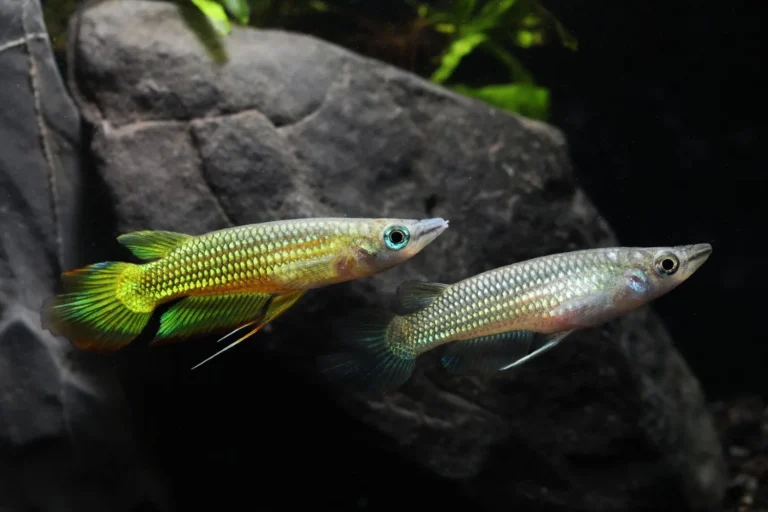
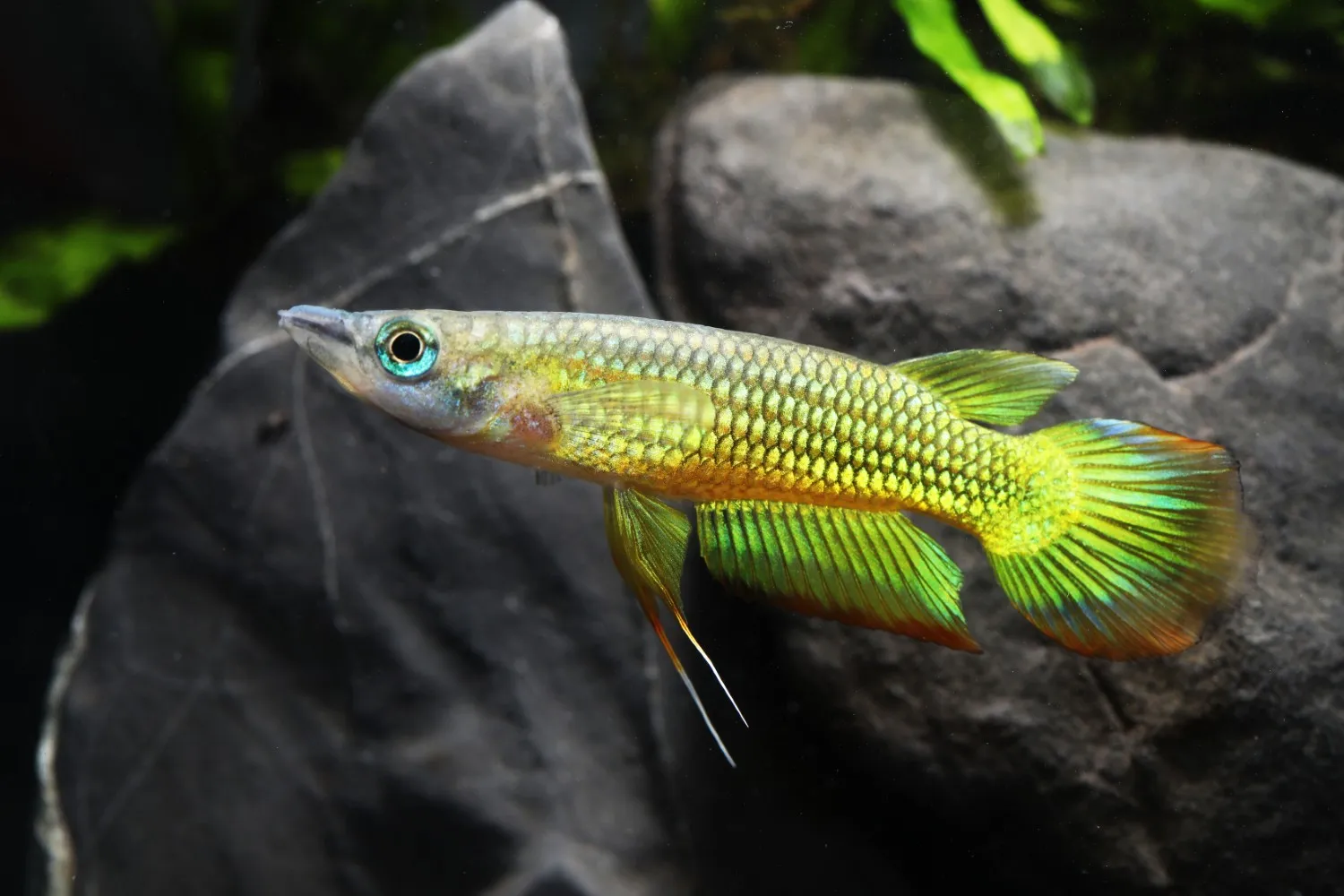
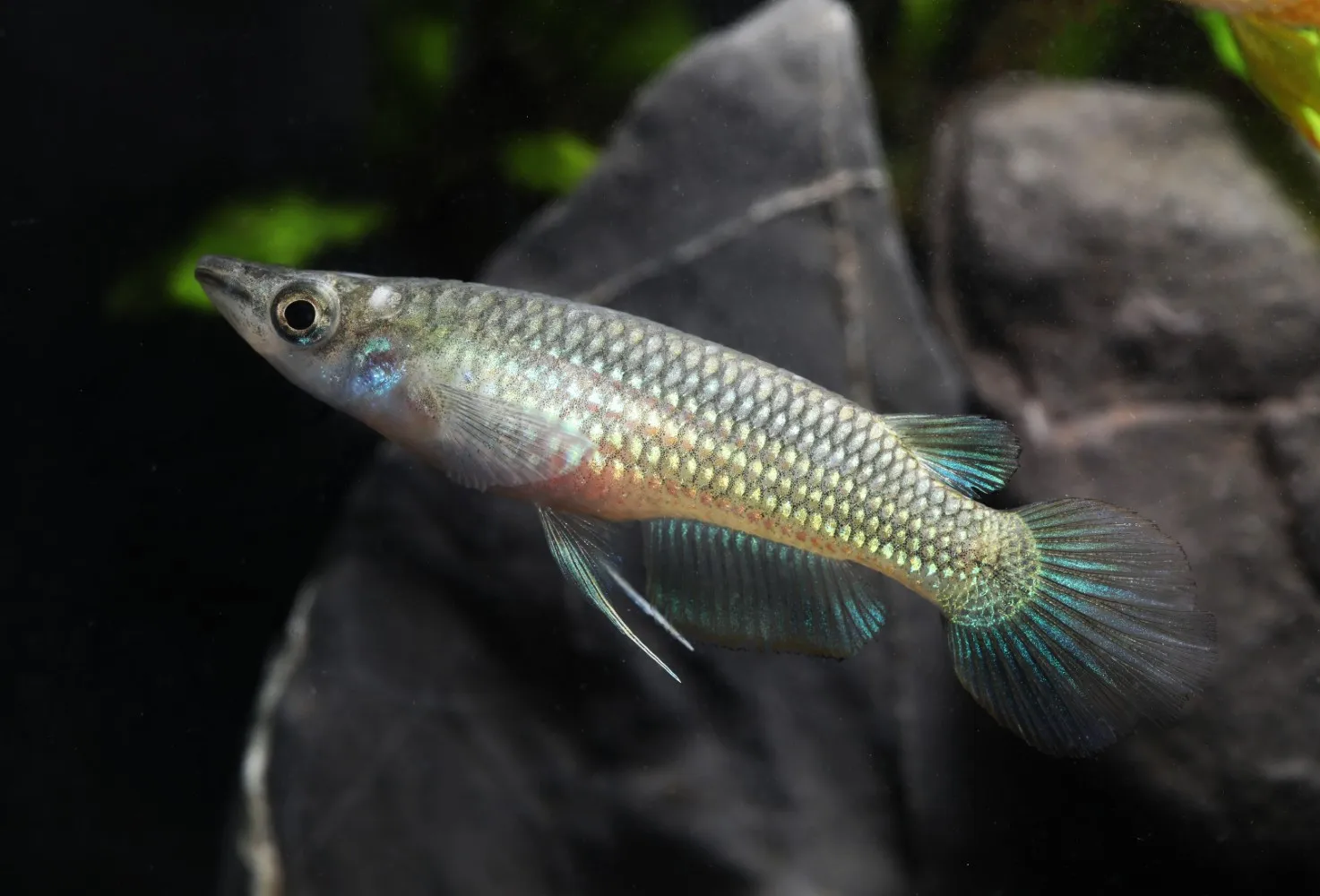
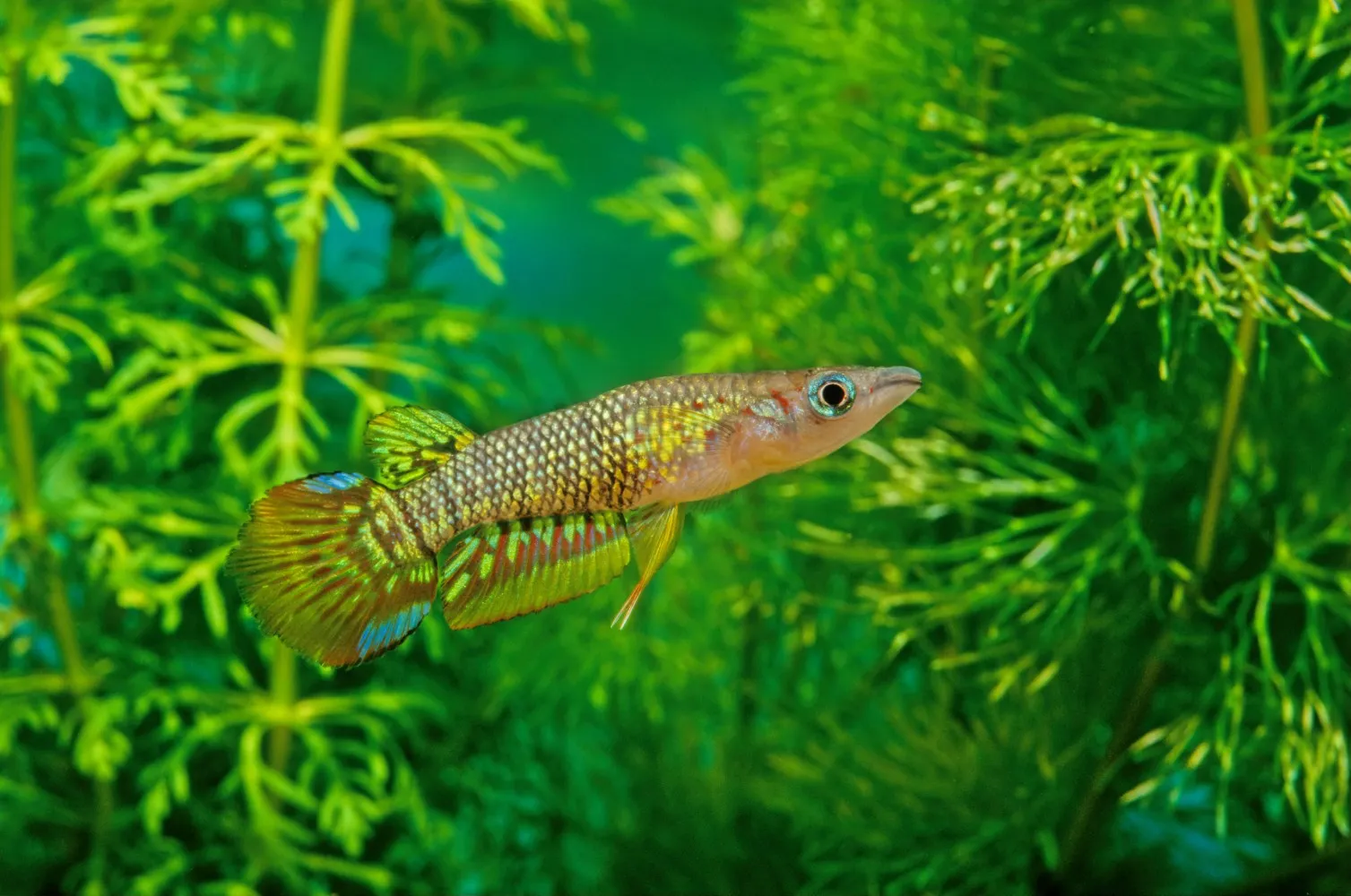
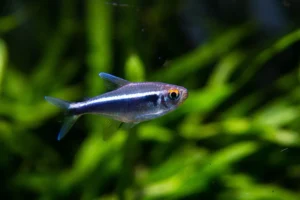
The Golden Wonder Killifish (Aplocheilus lineatus) is a striking surface-dwelling killifish known for its golden tones and dark lateral striping. Males are more brightly colored and display elongated fins while females are plainer and stockier. They are alert, semi-aggressive micro-predators that do best in tanks with floating cover and a secure lid. Care is straightforward for intermediate hobbyists who provide stable water, varied meaty foods, and plenty of surface swimming room.

Quick overview
Golden wonder killifish, striped panchax, lined panchax
60 liters (15 gallons) for a group
Ideal aquarium setup
Golden Wonders do best in a planted aquarium with plenty of floating cover and a secure lid to prevent jumping. They prefer stable water and subdued light that mimics shaded shallows. Provide open surface swimming areas alongside dense marginal planting for hunting and spawning.
A 60 liters (15 gallons) tank is a good minimum for a small group of 3–5 adults; singles or pairs can be kept in slightly smaller setups but still need generous surface area.
Low to moderate lighting is ideal; they become timid in very bright tanks and appreciate the dappled shade created by floating plants.
Floating plants like Salvinia and frogbit plus dense stem plants at the margins provide cover and spawning sites, while broad-leaved plants and root tangles help them feel secure.
Low flow is best because they inhabit quiet surface waters and strong currents stress them.
Fine gravel or sand with scattered leaf litter mimics their natural shallow margins and complements planted setups.
Use driftwood, rocks and leaf litter to create sheltered margins while keeping the central surface area open for hunting. Floating mats and dense stems at the edges give them places to hide and spawn.

Behavior and temperament
Golden Wonders are alert surface hunters that patrol the top third of the tank and may display territorial behavior among males. They can take down small fish and invertebrates, so tankmate size matters, and they are prone to jump if startled. With floating cover they become bolder during feeding, but sudden bright light or strong currents will stress them.
Diet and feeding
They are carnivorous micro-predators and do best on a diet heavy in meaty foods and small live prey. Offer a varied mix of live, frozen and high-quality dry protein foods, feeding small portions to match their appetite.
What they eat in nature
Insects, insect larvae, small crustaceans, small fish.
What to feed in the aquarium
- Live foods such as fruit flies, white worms, and mosquito larvae.
- Frozen foods like bloodworms, brine shrimp, and daphnia.
- High-quality carnivore pellets or sinking micro-pellets as supplemental food.
Feeding schedule
Feed small portions 1–2 times daily, only what they consume in a few minutes.
Special dietary needs
No strict needs, but regular live or frozen protein-rich foods improve condition and coloration.
Daily:
One or two small feeds of live or frozen meaty foods, allowing a few minutes per feed.
Weekly:
Offer a varied mix including brine shrimp and chopped earthworm or bloodworm, and include carnivore pellets two to three times per week to round out nutrition.
Always:
Always provide a varied diet and avoid overfeeding; ensure food is appropriately sized for their mouths.
Tankmate compatibility
They pair well with mid-to-large peaceful or fast-moving midwater fish that are not small enough to be eaten. Avoid tiny schooling species and slow bottom dwellers; also steer clear of very aggressive or large territorial fish.
Yes with caution They will readily eat small shrimp and may harass larger species, so only keep with large, robust shrimp if any.
Most snails are safe and can help clean the tank, but very small snails may be eaten and delicate species can be bothered.
Suitable tankmates include larger tetras, danios and rainbowfish that occupy different niches and are too big to be seen as prey.
Avoid boisterous or large predatory cichlids and very small schooling species; aggressive tankmates may stress or outcompete them. Also avoid slow-moving bottom dwellers that cannot escape nips.
They can be kept in small groups but males are territorial; a setup with one male and two to three females or a single peaceful pair reduces fighting and works best.
Breeding
Breeding is possible for hobbyists who provide floating plants and a separate breeding tank because adults will eat eggs. Spawning occurs among roots and floating vegetation and eggs typically hatch in one to two weeks depending on temperature.
Difficulty
Moderate because you need floating spawning sites, to protect eggs from adults, and to maintain stable water during incubation.
How they breed
They are egg scatterers that attach adhesive eggs to floating plants and roots.
Best setup for breeding
Use a small breeding tank with gentle filtration, floating mats and subdued light at about 22–25°C, and slightly softer water; remove adults after spawning to protect eggs. A sponge filter and peat-filtered or aged water can improve egg survival.
Feeding the babies
Start fry on infusoria or liquid fry food, then move to newly hatched brine shrimp and finely crushed dry foods as they grow. Gradually increase portion size and introduce frozen foods when they can handle larger prey.
Pro tips
Always use a tight-fitting lid to prevent escapes.
Provide floating plants to reduce stress and offer spawning sites.
Quarantine new fish to avoid introducing parasites they are sensitive to.
Fin nipping
Aggression from tankmates or overcrowding can lead to torn fins; increase space, remove aggressive individuals and add more hiding spots.
Jumping out
These fish are prone to jumping when startled or during bright light spikes; fit a secure lid and reduce overhead lighting to prevent escapes.
Loss of color
Poor diet, stress or insufficient cover can cause faded coloration; improve nutrition, add floating plants and reduce stressors to restore vibrancy.
Typical beginner mistakes
- Keeping them with very small fish that get eaten.
- No lid or open top allowing escapes.
- Bright lighting and lack of floating cover causing stress.
Short summary
The Golden Wonder Killifish is an attractive surface predator that suits planted tanks with floating cover and a secure lid. They are a good choice for intermediate aquascapers who can provide stable water, varied meaty foods, and appropriate tankmates.
Frequently asked questions (FAQs)
How big do Golden Wonders get?
Adults typically reach about 6–8 cm (2.4–3.1 inches) in captivity.
Are they safe with shrimp?
Not reliably; they often eat small shrimp, so keep them with larger, robust shrimp or avoid shrimp entirely.
Do they jump out of tanks?
Yes, they are prone to jumping, so a tight lid and low surface agitation are essential.
Can I keep them in a planted tank?
Yes, they thrive in planted tanks with floating plants that offer cover and spawning sites.
What do they eat in captivity?
Meaty foods like live or frozen bloodworms, brine shrimp, daphnia and quality carnivore pellets.
Are they good for beginners?
They are reasonably hardy but need a secure setup and appropriate tankmates, so they are better for beginners with some experience.