At a glance
Peaceful
Schooling
Midwater
Forked tail
Description
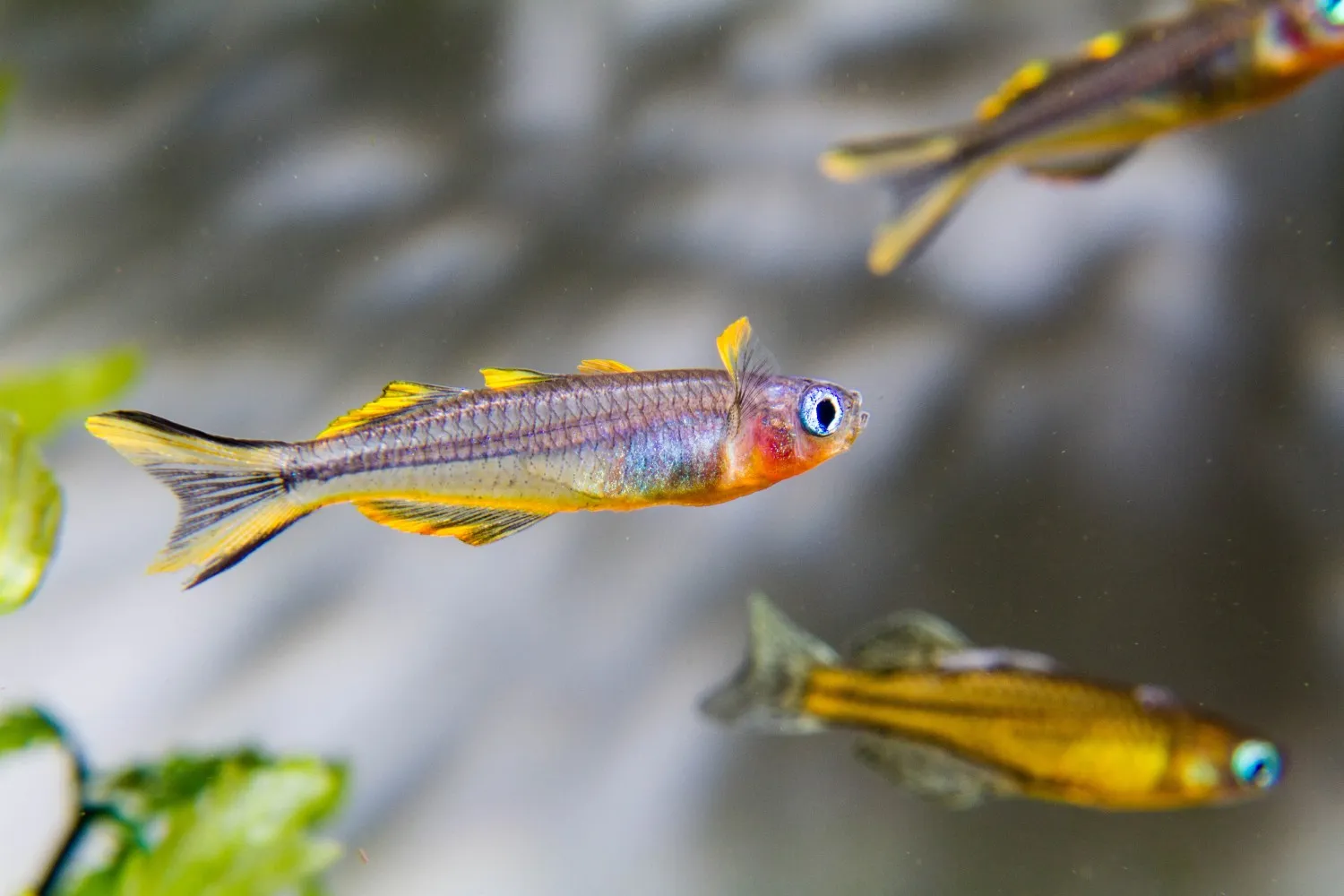
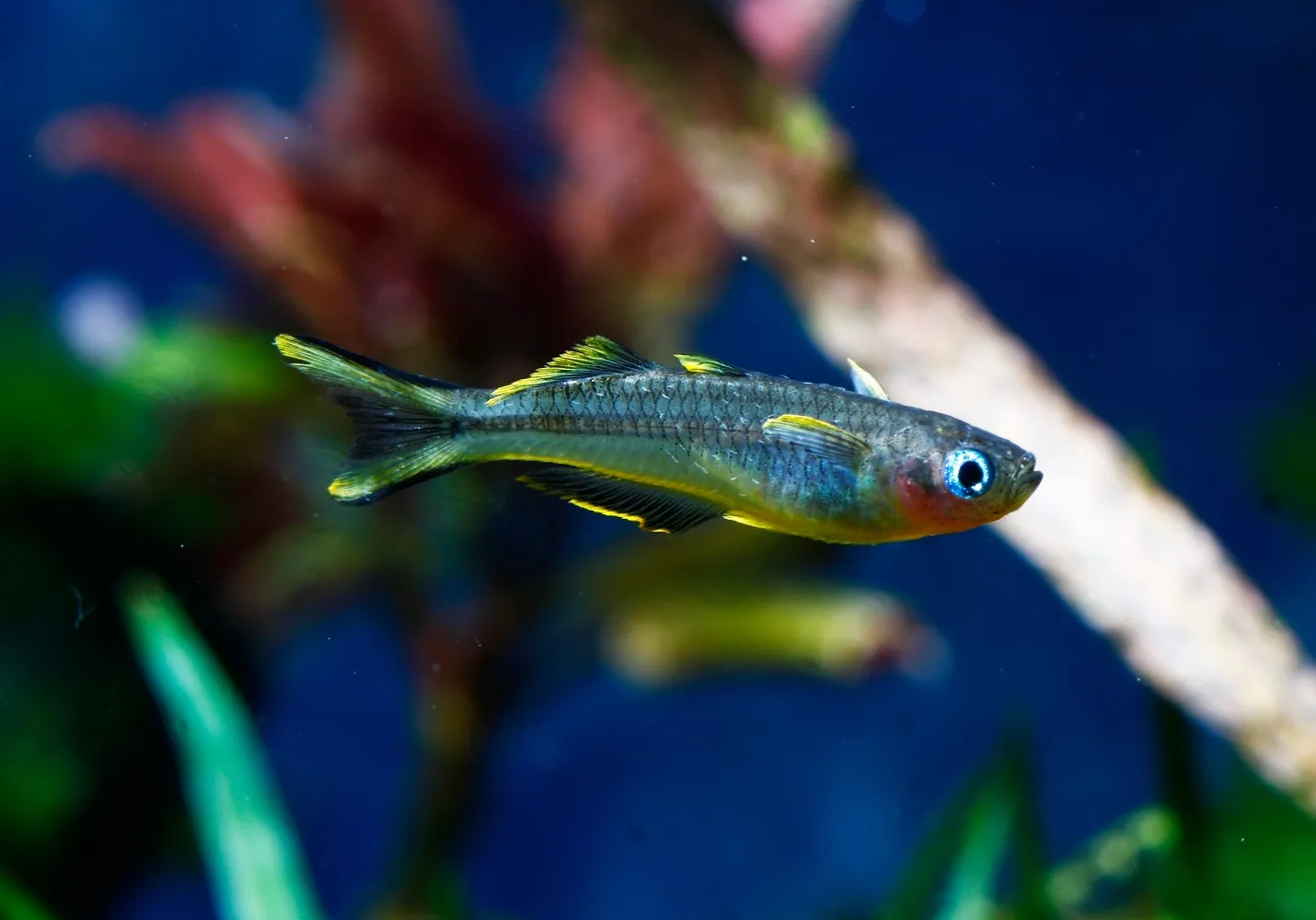
The Forktail Rainbowfish (Pseudomugil furcatus) is a small, lively schooling fish with a distinctive forked tail and iridescent highlights along its body. Males show brighter fins and slightly deeper bodies while females remain more subdued. They thrive in planted, well-oxygenated aquaria and respond quickly to stable water and a varied diet. Beginners who keep them in groups will enjoy their active, peaceful behavior and attractive movements.

Quick overview
Forktail rainbowfish, Forktail blue-eye, Pseudomugil furcatus
Peaceful, social, schooling
60 liters (15 gallons) for a group
Freshwater, pH: 6.5–7.5, temp: 22–28°C
Ideal aquarium setup
Forktail Rainbowfish do best in a planted, stable aquarium that mimics slow-flowing streams with open midwater swimming lanes and shaded spots. Moderate filtration and gentle aeration keep oxygen levels up without strong currents, and regular small water changes maintain the clear water they prefer.
A 60–100 liter tank is ideal for a small group of 6–10 individuals to allow natural schooling and reduce stress.
Moderate lighting that supports plant growth is best; fish will tolerate brighter light but appreciate shaded areas and floating plants to reduce glare.
Fine-leaved stem plants, floating plants and dense clumps of java fern or Vallisneria suit them well and provide hiding places for shy individuals and fry.
Low to moderate flow to simulate gentle stream conditions and avoid tiring the fish.
A dark fine gravel or sand substrate recreates natural contrast and helps plants root while showing off the fish's colors.
Use pieces of driftwood, smooth rocks and leaf litter to create shaded zones and territories while leaving open midwater areas for schooling and display.
Behavior and temperament
Forktail Rainbowfish are active, social fish that do best in groups and display most confidently when kept in schools. They are peaceful with tankmates but can become shy when kept singly or in very small numbers. Males may show mild rivalry during breeding displays but rarely harm tankmates. They are sensitive to poor water quality and sudden environmental changes.
Diet and feeding
They are omnivorous micro-predators with relatively small mouths, doing best on a mix of high-quality flake or micro-pellets and frequent live or frozen foods. Variety helps maintain color and condition, and smaller portions fed more often match their natural grazing behavior.
What they eat in nature
Small insects, insect larvae, zooplankton, tiny crustaceans.
What to feed in the aquarium
- High-quality flake or micro-pellets formulated for small tropicals.
- Frozen or live daphnia, brine shrimp, and bloodworms.
- Finely crushed dry foods and occasional vegetable matter for variety.
Feeding schedule
Feed small amounts once or twice daily, only what the group can consume within two minutes.
Special dietary needs
No strict needs, but regular live or frozen foods greatly improve coloration and breeding condition.
Daily:
Feed a small portion of flakes or micro-pellets once or twice daily so they graze frequently.
Weekly:
Supplement several times per week with frozen or live foods like daphnia and baby brine shrimp to boost nutrition and color.
Always:
Always offer a varied diet and avoid overfeeding to keep water quality high and fish healthy.
Tankmate compatibility
They pair well with other small, peaceful fish that occupy similar water conditions and avoid aggressive or much larger species. Good tankmates are those that will not outcompete them for food or nip their fins. Avoid boisterous cichlids or large barbs that can stress or injure them.
Yes with caution - Adult shrimp like Amano or larger Neocaridina may be tolerated, but the fish will eat very small shrimp or shrimp fry and may harass slow-moving individuals.
Small to medium snails are usually fine and help with algae control, though heavy snail populations can compete for some food.
Good companions include small peaceful species such as ember tetras, celestial pearl danios and small rasboras that share similar water parameters and schooling habits.
Avoid semi-aggressive or nippy species like tiger barbs and large danios which can stress or fin-nip forktail rainbowfish; also steer clear of larger predatory fish.
Keep them in groups of at least six to encourage natural schooling; larger groups of 8–12 are ideal for confident behavior and full color display.
Breeding
Breeding is straightforward for an experienced hobbyist and normally involves simple egg-scattering among plants or mops, with adults often leaving eggs alone. Provide fine-leaved plants or spawning mops and slightly softer water to encourage spawning and protect eggs from being eaten.
Difficulty
Breeding is easy to medium; they readily spawn in home tanks but eggs and fry are vulnerable so some measures are needed to protect young and provide proper food.
How they breed
Egg scatterer with eggs deposited on plants or spawning mops.
Best setup for breeding
Use a separate breeding tank with subdued lighting, fine-leaved plants or spawning mops, gentle filtration and slightly softer, clean water at the higher end of their temperature range.
Feeding the babies
Start fry on infusoria or liquid fry foods for the first few days, then transition to newly hatched baby brine shrimp and finely crushed foods as they grow.
Pro tips
Keep them in a well-planted tank with open midwater space to encourage natural schooling and color display.
Use frequent small water changes to maintain clarity and prevent stress from nitrate buildup.
Rotate live or frozen foods into the diet several times a week to boost health and breeding readiness.
Poor water quality
Forktail Rainbowfish are sensitive to nitrates and sudden parameter swings, so regular water maintenance and gradual changes are essential to prevent stress and disease.
Fin damage
Aggressive tankmates, sharp decor or poor water can cause frayed fins; remove nippers, smooth any sharp hardscape and treat as needed with improved water and antibacterial care.
Stress when solitary
Kept alone or in too-small groups they become shy and lose color, so maintain groups of at least six and provide hiding spots to reduce stress.
Typical beginner mistakes
- Keeping them singly or in groups that are too small which leads to stress.
- Overfeeding which quickly degrades water quality in small tanks.
- Pairing with incompatible or nippy tankmates that harass the school.
Short summary
Forktail Rainbowfish are lively, peaceful schooling fish ideal for planted aquaria when kept in groups and stable water conditions. With a varied diet, moderate lighting and simple breeding setups, they are rewarding for beginner to intermediate aquascapers.
Frequently asked questions (FAQs)
Are forktail rainbowfish good for beginners?
Yes, they are suitable for beginners who maintain stable water and keep them in a proper-sized school.
How many should I keep together?
Keep at least six individuals, with 8–12 preferred for best schooling behavior and reduced stress.
What temperature do they need?
They do well between 22–28°C (72–82°F) with good oxygenation and gentle filtration.
Can they live with shrimp?
They can coexist with adult shrimp but may eat baby shrimp, so provide hiding places or keep shrimp species accordingly.
Do they require special water chemistry?
No special chemistry is required, but slightly soft to moderate hardness and pH 6.5–7.5 suit them best.
Raise fry on infusoria or liquid fry food initially, then move to baby brine shrimp and finely crushed foods as they grow.