At a glance
Semi-aggressive
Territorial
Graceful
Midwater
Description
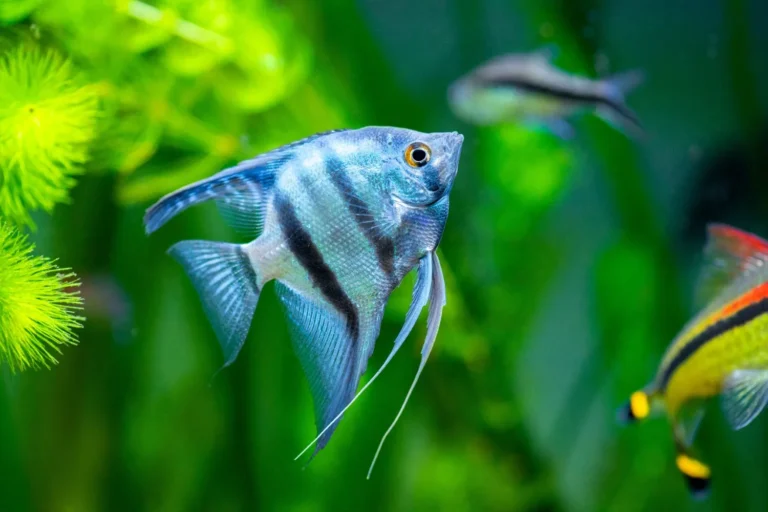
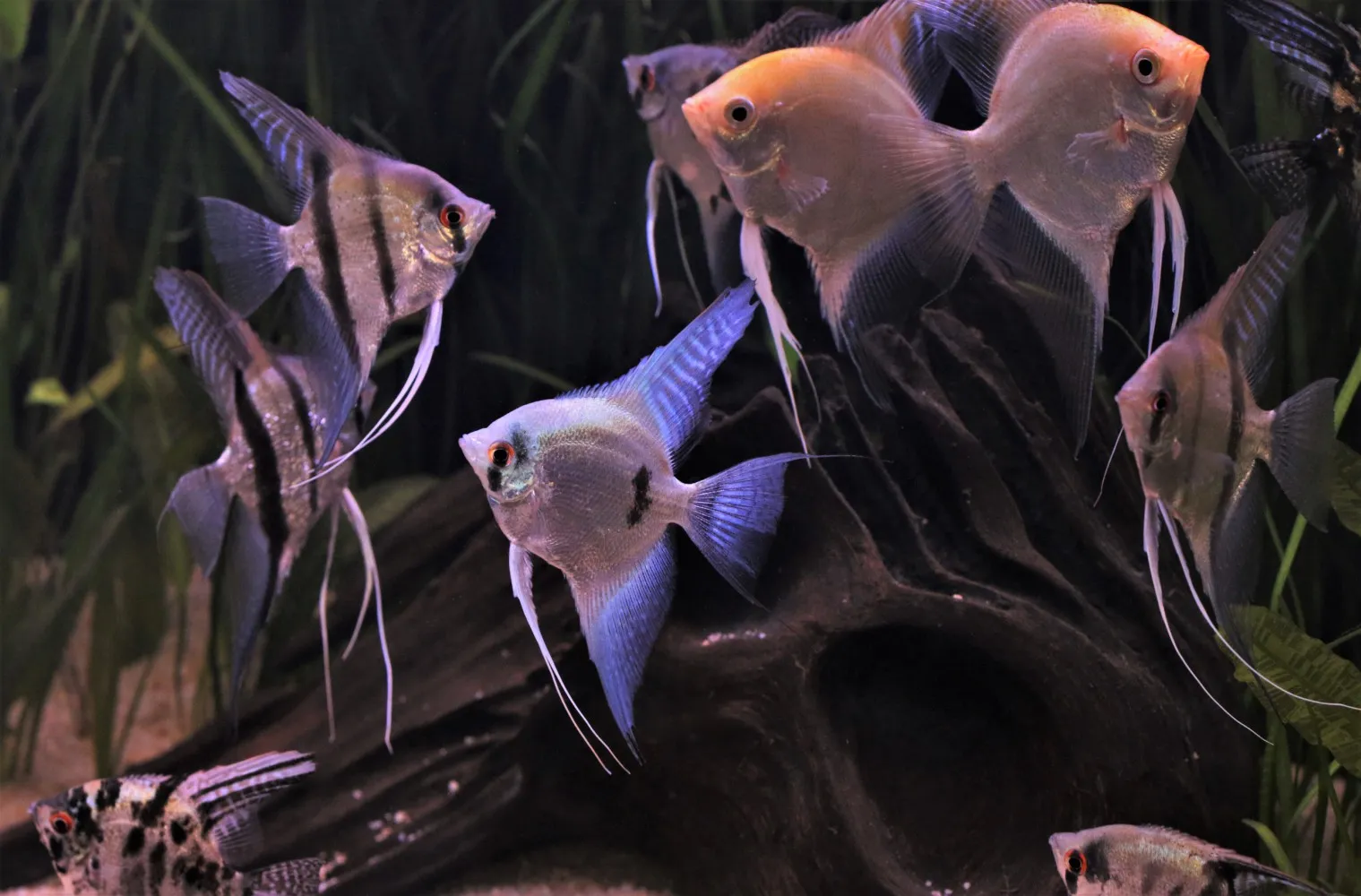
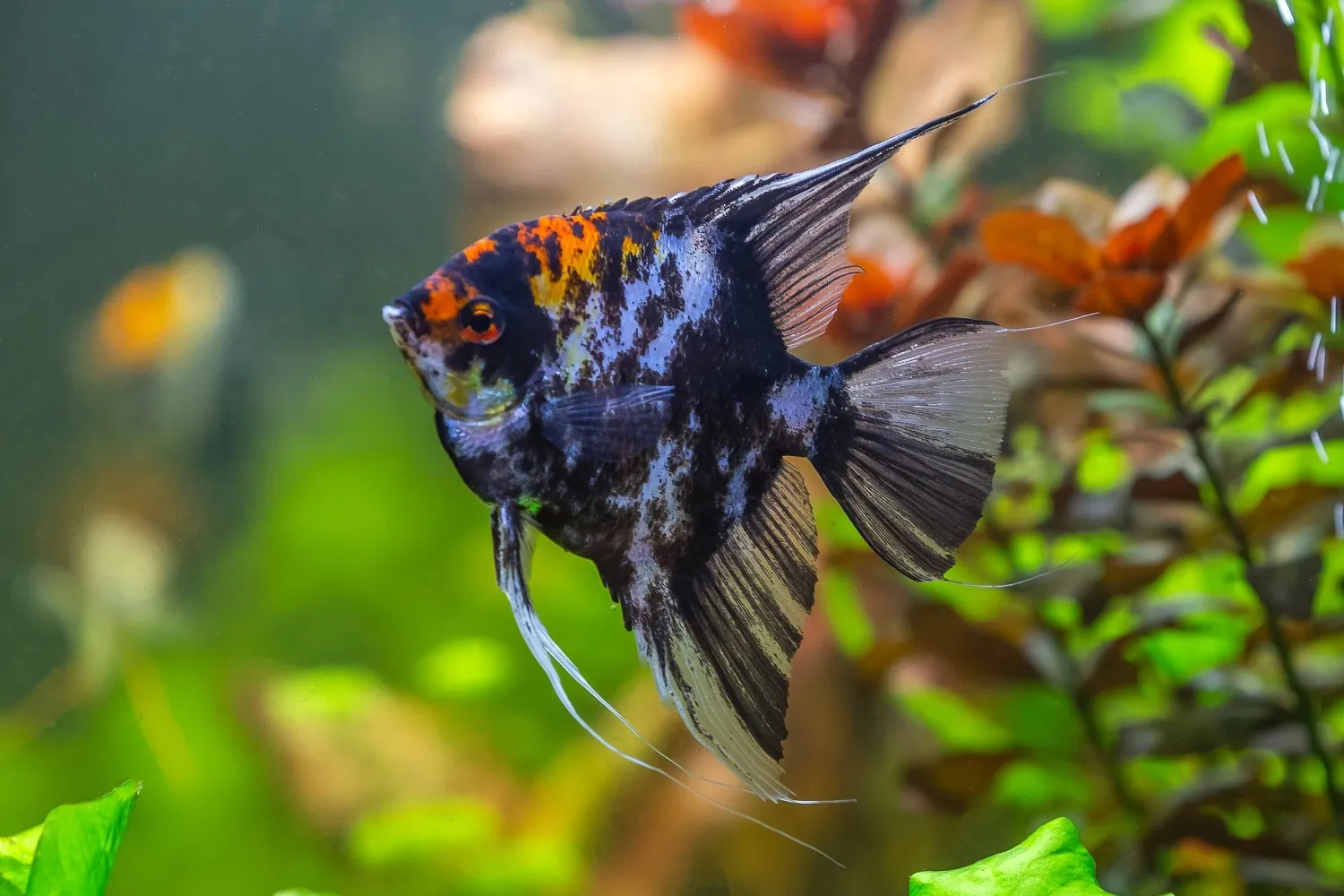
Pterophyllum scalare are tall, laterally compressed cichlids commonly known as Angelfish, prized for their elegant fins and bold vertical stripes. They display a calm but sometimes territorial temperament and develop strong pair bonds in adulthood. Color and finnage vary with captive-bred strains, and they do best in a stable, well-planted freshwater aquarium with gentle water flow. Basic care requires slightly warm, stable water, a varied diet, and room to swim vertically.

Quick overview
Angelfish, Freshwater angelfish, P. scalare
Semi-aggressive, territorial, social
100 liters (26 gallons) for a small group
Ideal aquarium setup
Angelfish do best in a planted aquarium with plenty of vertical space and stable water parameters that mimic slow-moving Amazon tributaries. Provide moderate cover, shaded areas from floating plants, and a calm environment to reduce stress and display natural behaviors. Maintain consistent temperature and clean water to keep them healthy and reduce territorial conflicts.
A 100–200 liter tank is a good starting point for a small group of 4–6 adults, while a pair can be kept comfortably in about 60 liters. Taller tanks are preferred to allow natural vertical swimming.
Moderate lighting is ideal; bright light can be softened with floating plants and helps show off coloration but too much intensity may stress shy individuals. Dimmer areas encourage natural behavior and make them more likely to display.
Tall stem plants, sword-like rosettes and floating species suit angelfish and provide cover and spawning surfaces while preserving open midwater swimming space. Plants help reduce aggression by breaking lines of sight and offer shaded resting spots.
Low to moderate flow to mimic slow waters and avoid wearing their long fins.
Fine sand or smooth gravel works well, reflecting riverbeds and protecting delicate fins.
Driftwood, vertical roots and broad-leaved plants create vertical structure and hiding spots while leaving open midwater areas for swimming; include flat slates or broad leaves for spawning.

Behavior and temperament
Angelfish are social but establish a clear hierarchy, especially as they mature and form pairs. They are moderately active in midwater and can become territorial, particularly during breeding. Stress from overcrowding or fin-nipping tankmates can lead to skittish behavior and reduced color. Juveniles are more peaceful in groups, while adults may claim a small territory.
Diet and feeding
Angelfish are opportunistic omnivores that accept flakes, pellets, frozen and live foods; they appreciate variety to maintain health and color. They have moderate appetites so feed measured portions and avoid overfeeding to prevent water quality issues.
What they eat in nature
Small crustaceans, insect larvae, zooplankton, plant matter
What to feed in the aquarium
- High-quality flakes and pellets.
- Frozen foods like bloodworms and brine shrimp.
- Occasional live foods and vegetable matter.
Feeding schedule
Feed small portions once or twice daily, offering only what they can consume in 2–3 minutes.
Special dietary needs
No strict needs, but regular live or frozen foods improve condition and enhance breeding readiness.
Daily:
Offer one to two small feedings of flakes or pellets, making sure fish finish within a few minutes.
Weekly:
Include one or two feedings of frozen or live foods like bloodworms or baby brine shrimp to boost nutrition and color.
Always:
Always provide a varied diet and avoid overfeeding to keep water quality high and prevent health issues.
Tankmate compatibility
Best tankmates are peaceful to semi-aggressive medium-sized fish that occupy different zones and will not nip long fins. Avoid very small schooling fish that can be eaten and aggressive fin-nippers that harass adults. Match sizes and temperaments to reduce stress and territorial disputes.
Yes with caution — small shrimp like cherry shrimp may be eaten by angelfish, while larger species such as Amano are more likely to coexist but can still be targeted by hungry individuals.
Most snail species are compatible and useful for algae control, though very small snails may be eaten by hungry angelfish.
Good companions include larger tetras like black skirt tetras, peaceful gouramis and Corydoras catfish which occupy lower levels and generally avoid conflict with angelfish.
Avoid tiger barbs, large boisterous cichlids and known fin-nippers because they will harass or injure angelfish and provoke stress or fin damage.
Keep angelfish in small groups of juveniles (4–6) to establish social structure, but expect pairs to form and become territorial as they mature and breed.
Breeding
Angelfish form monogamous pairs and are substrate spawners; they can breed in home aquariums but will defend a chosen site aggressively. Encouraging a bonded pair and conditioning with live foods raises success rates, and parents typically guard and tend eggs and fry.
Difficulty
Breeding is medium difficulty because pairs will guard eggs but require stable water, good conditioning, and a quiet tank to prevent egg loss or stress.
How they breed
They are egg layers and substrate spawners that lay adhesive eggs on vertical surfaces such as broad leaves or flat slate.
Best setup for breeding
Use a tall, species or breeding tank with a flat slate or broad-leaf plant for spawning, dim lighting, soft slightly acidic water and gentle filtration. Condition the pair with live and frozen foods and reduce disturbances during spawning.
Feeding the babies
Start fry on infusoria or liquid fry food for the first days, then transition to freshly hatched baby brine shrimp and finely crushed flakes as they grow. Gradually increase food size as fry develop.
Pro tips
Keep a tall tank to allow natural vertical movement and reduce stress.
Provide floating plants to diffuse light and offer shaded resting spots.
Condition breeding pairs with frequent live or frozen foods to improve spawning success.
Fin nipping
Tall fins are attractive targets for fin-nippers; remove aggressive tankmates and ensure plenty of hiding places to reduce harassment.
Ich outbreaks
Stress from poor water quality or sudden parameter shifts makes angelfish susceptible to ich; treat promptly and correct water conditions with gradual changes and improved filtration.
Aggression while breeding
Breeding pairs can become highly territorial and may attack tankmates; provide a separate breeding tank or remove other fish during spawning to protect both eggs and other inhabitants.
Typical beginner mistakes
- Keeping in tanks that are too short or small.
- Pairing with fin-nipping species.
- Inconsistent water parameters and overfeeding.
Short summary
Angelfish are elegant midwater cichlids that suit planted aquariums with vertical space and stable water. They need a varied diet, calm tankmates, and room to form pairs, making them a rewarding choice for beginner to intermediate aquascapers.
Frequently asked questions (FAQs)
Are angelfish good for planted tanks?
Yes, they thrive in planted tanks with vertical plants and shaded areas which mimic their natural habitat and reduce stress.
How many angelfish should I keep together?
A small group of 4–6 juveniles is ideal to establish hierarchy, though adults often pair off and become territorial.
What temperature do angelfish need?
Maintain a stable temperature around 24–28°C (75–82°F) for healthy activity and breeding readiness.
Will angelfish eat shrimp or snails?
They may eat small shrimp and tiny snails, while larger snails and adult Amano shrimp are more likely to be safe but still at risk from hungry individuals.
Can angelfish live with tetras?
Many medium to larger tetras are suitable companions, but avoid very small schooling tetras that may be bullied or eaten.
How do I encourage angelfish to breed?
Condition a bonded pair with live and frozen foods, provide a flat spawning surface, soft slightly acidic water and minimize disturbances during spawning.