At a glance
Peaceful
Labyrinth
Colorful
Territorial
Description
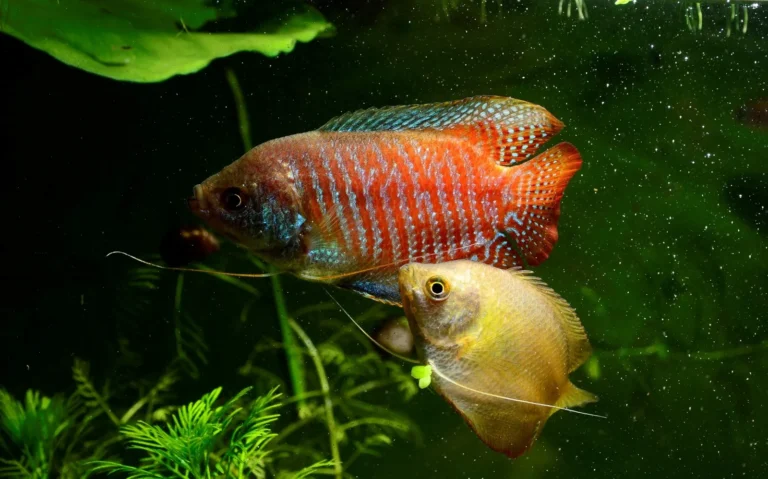
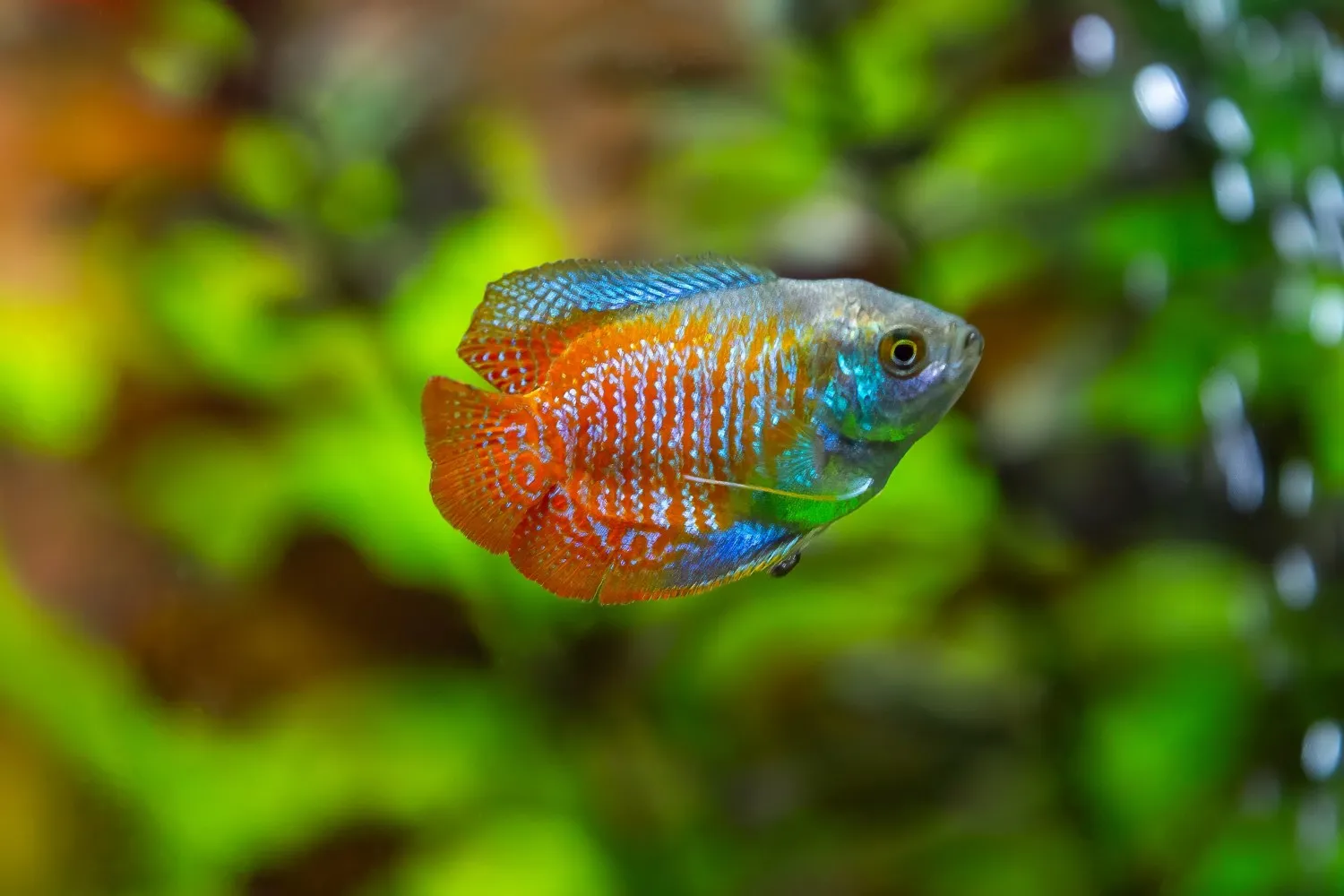
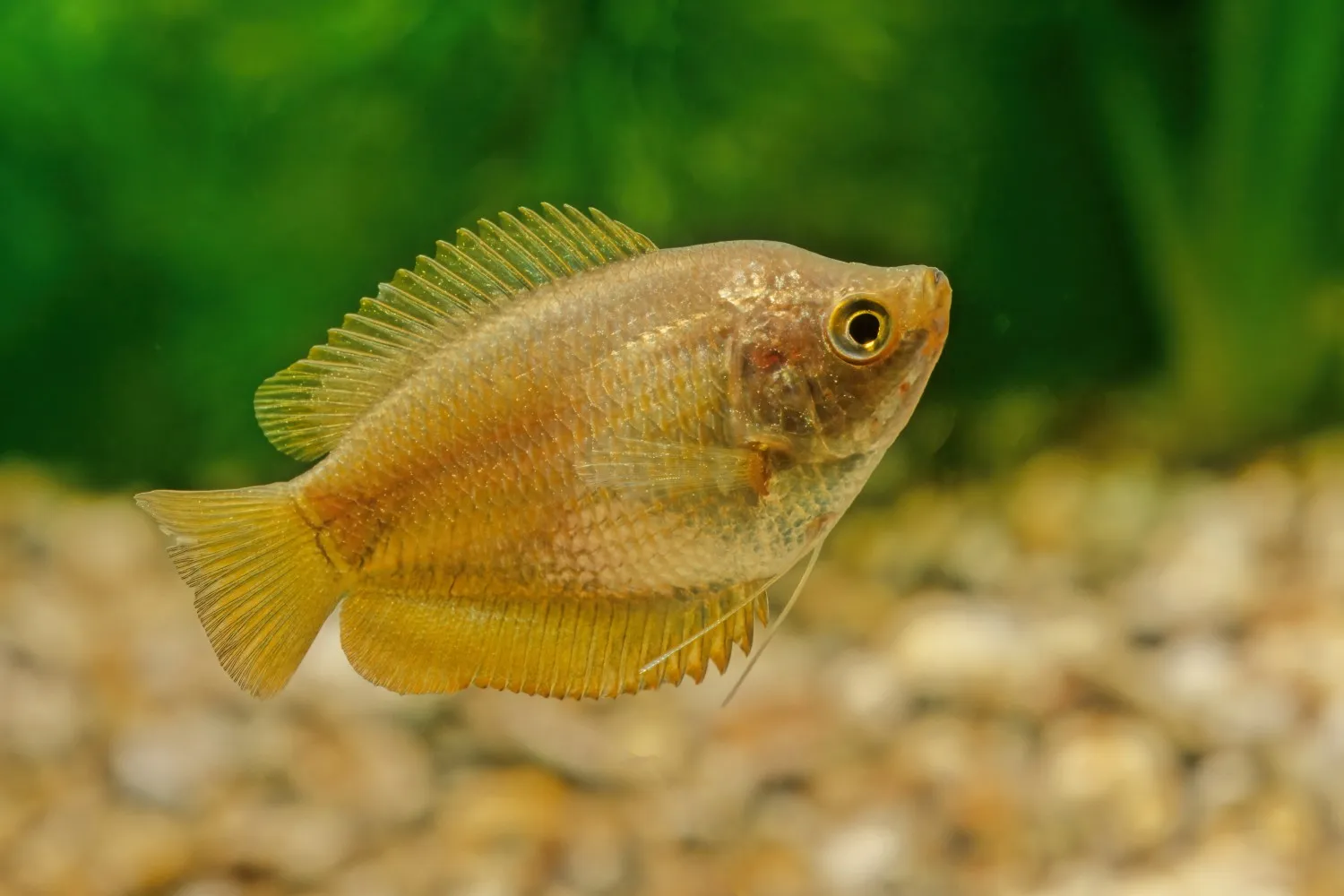
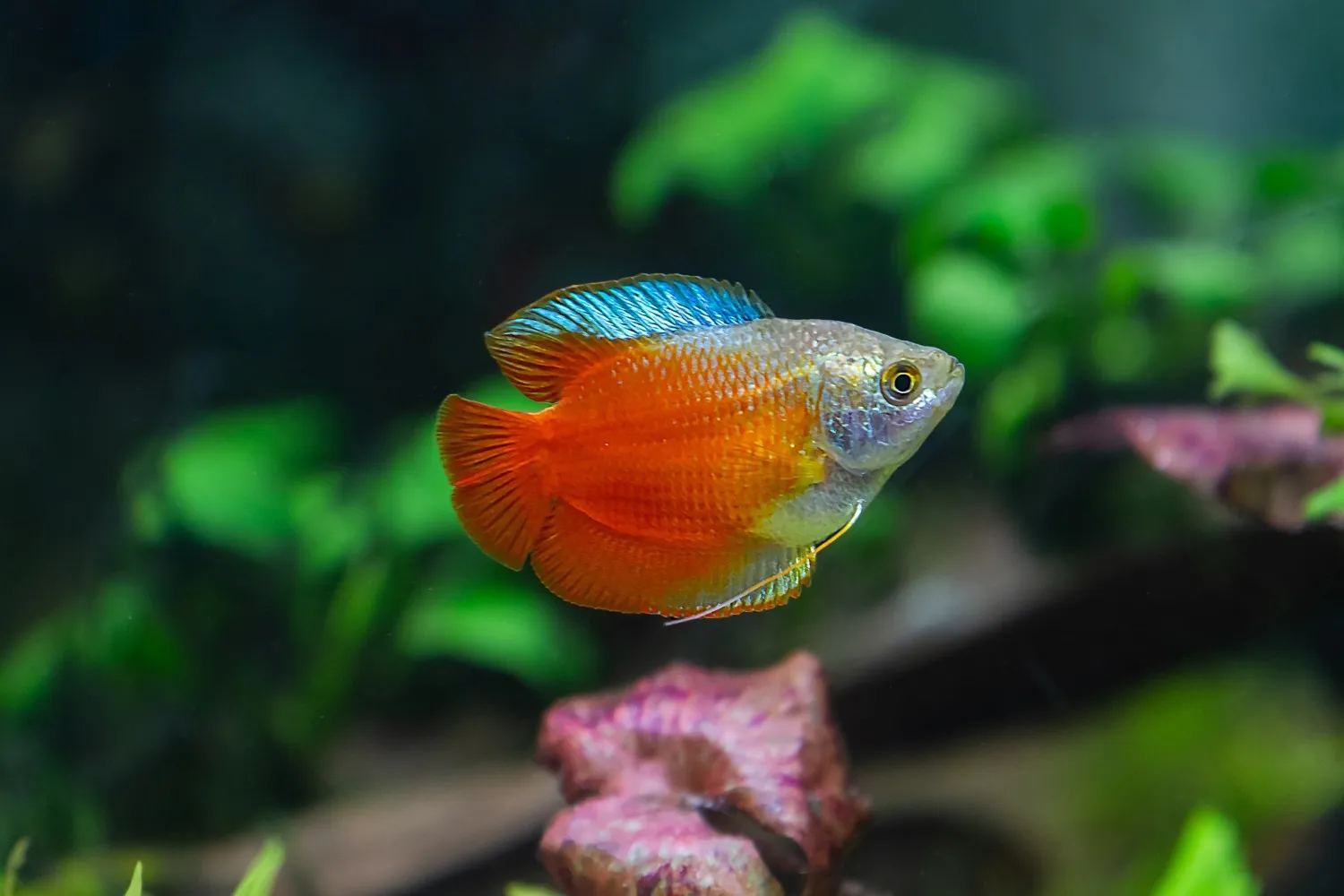
Dwarf Gourami (Trichogaster lalius) is a small, colorful labyrinth fish prized for planted aquariums and gentle community tanks. Males show bright red and blue patterning while females are plainer and rounder, and both prefer calm water with plenty of cover. They are relatively easy to care for but appreciate stable water and regular feeding of varied foods. With floating plants and a peaceful community they thrive and show their best color.

Quick overview
Dwarf gourami, honey gourami, lalia
Peaceful, territorial males
60 liters (15 gallons) for a group
Ideal aquarium setup
Dwarf gouramis do best in a planted, stable aquarium with calm water and soft lighting that mimics their slow-moving stream habitat. Include floating plants and quiet filtration to give them surface access to the labyrinth organ and shaded retreat areas. Stable temperature and gentle water movement help reduce stress and show off their colors.
Provide at least 60 liters (15 gallons) for a pair and 100 liters (26 gallons) for a small group to allow males space to establish territories and for swimming.
Moderate to low lighting is ideal; they prefer some shade from floating plants and will be stressed by very bright, harsh light. Dimmer conditions also encourage natural behavior like bubble nest building.
Floating plants, broadleaf foreground plants and dense stem background plants work well and provide cover and nesting sites; plants also reduce aggression by breaking sight lines. Java fern, hornwort and duckweed are good choices.
Low flow is best so the male can build bubble nests and fish can feed at the surface without strong currents.
A fine gravel or sandy substrate with planted pockets suits the natural environment and complements live plants.
Use smooth driftwood, root structures and rock caves to create hiding spots and territorial boundaries while leaving open midwater swimming lanes. Leaf litter or Indian almond leaves can add tannins and biofilm for natural feeding.
Behavior and temperament
Dwarf gouramis are generally peaceful but males can be territorial toward other males, especially in small tanks. They are moderately active midwater swimmers who appreciate cover and shy during rapid changes or strong light. When comfortable they display interesting courtship behaviors and may build bubble nests. Stress from poor water quality or aggressive tankmates quickly dulls their color and activity.
Diet and feeding
Omnivorous and willing eaters with relatively small mouths, dwarf gouramis do well on a mix of flakes, micro pellets and regular live or frozen foods to maintain color and health. Feed small portions 1–2 times daily and include occasional protein-rich treats like brine shrimp or daphnia.
What they eat in nature
Insect larvae, small crustaceans, zooplankton, surface insects.
What to feed in the aquarium
- High-quality flakes and micro pellets.
- Frozen brine shrimp and bloodworms.
- Live foods such as daphnia and mosquito larvae.
Feeding schedule
Feed small portions once or twice daily, only what they eat in 2–3 minutes.
Special dietary needs
No strict needs, but regular live or frozen foods improve coloration and overall condition.
Daily:
Offer small portions of flake or micro pellet food once or twice daily, removing uneaten food after a few minutes.
Weekly:
Include 2–3 protein-rich feedings per week such as frozen brine shrimp, bloodworms or live daphnia to boost color and health.
Always:
Always vary the diet and avoid overfeeding; maintain clean water as gouramis are sensitive to ammonia and nitrite.
Tankmate compatibility
They suit peaceful community tanks with small, non-nippy fish that occupy different levels or swim in schools; avoid rough or highly active species that stress them. Keep an eye on male-to-male interactions and provide plenty of cover to reduce confrontations. Avoid large boisterous cichlids and fin nippers which can harass gouramis.
Yes with caution: Small shrimp may be eaten or harassed by boisterous individuals, especially juveniles, so keep well planted tanks or larger adult shrimp species.
Snails are generally safe and make good algae control companions; gouramis typically ignore hard-shelled species.
Good tankmates include small tetras, rasboras and calm Corydoras which share peaceful temperaments and non-nippy behavior and keep the community balanced.
Avoid semi-aggressive or nippy species like tiger barbs, larger danios or many cichlids because they can stress or injure gouramis and trigger hiding or fin damage.
Keep either a single male with multiple females or only females together, as males may fight; if keeping multiple males ensure a much larger tank with visual breaks and many plants.
Breeding
Breeding dwarf gouramis is straightforward for hobbyists who provide calm water, a warm temperature and floating plants for nest building. The male builds a bubble nest and courts females under cover, then guards the nest until the fry become free-swimming. Remove the female after spawning if the male becomes overly protective or aggressive so she is not harassed.
Difficulty
Moderate: spawning is easy if conditions are right, but male territoriality and fry rearing require attention and a separate tank for higher survival. Clean, stable water and appropriate nesting sites are the keys to success.
How they breed
Bubble nest builder with the male tending eggs and fry until they are free-swimming.
Best setup for breeding
Use a small, well-planted breeding tank with floating plants, very gentle filtration or sponge filter, warm water (around 26–28°C) and slightly acidic to neutral pH. Dim the lighting and provide peat or leaf tannins if possible to simulate natural conditions.
Feeding the babies
Start fry on infusoria or liquid fry foods for the first few days, then transition to newly hatched baby brine shrimp and finely crushed micro foods. Gradually move to powdered fry food and small live items as they grow.
Pro tips
Provide floating plants to support bubble nests and reduce stress from bright light.
Keep male numbers low or separate males to avoid persistent territorial fights.
Include regular frozen or live feedings to boost color and breeding condition.
Stress and hiding
Frequent hiding and dull color usually come from poor water quality, bright lighting or aggressive tankmates; improve water parameters, add cover and choose calm companions.
Fin damage
Torn or frayed fins often result from nippy tankmates or poor water conditions; remove aggressors, perform water changes and treat any infections promptly.
Loss of color
Faded coloration can indicate stress, inadequate diet or illness; increase varied protein-rich foods, check water chemistry and reduce stressors like overcrowding.
Typical beginner mistakes
- Overstocking small tanks leading to aggression and poor water quality.
- Bright bare tanks without floating cover causing constant stress.
- Infrequent water changes and inconsistent parameters harming health.
Short summary
Dwarf gouramis are colorful, peaceful labyrinth fish ideal for planted community tanks when kept with calm companions and stable water. They are relatively easy to care for but benefit from floating plants, varied food and careful male management.
Frequently asked questions (FAQs)
How many dwarf gouramis per tank?
In small tanks keep a single male with one or more females or a small group of females; larger tanks can house multiple males if plenty of cover is provided.
What temperature do dwarf gouramis need?
They prefer warm water around 24–28°C (75–82°F); keep temperature stable to avoid stress.
Can dwarf gouramis live with shrimp?
They can live with shrimp but there is a risk of predation or harassment, so provide dense planting and choose larger, hardy shrimp species.
Do dwarf gouramis build nests?
Yes, males build bubble nests at the surface when breeding and will guard eggs and fry until they are free-swimming.
What should I feed to enhance color?
Offer high-quality flakes or micro pellets plus regular frozen or live foods like brine shrimp and daphnia to enhance coloration.
Are dwarf gouramis good for beginners?
They are suitable for beginners comfortable with regular maintenance and stable water; avoid very small or bare tanks and monitor male behavior.