At a glance
Territorial male
Bubble nester
Vibrant colors
Surface dweller
Description
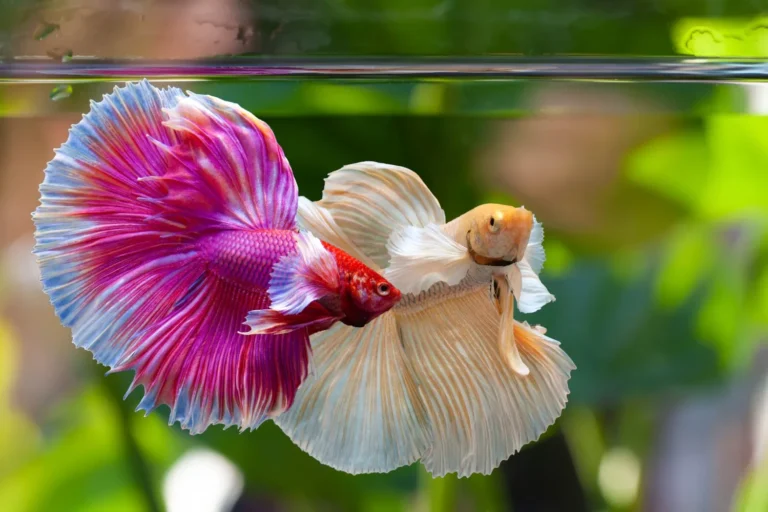
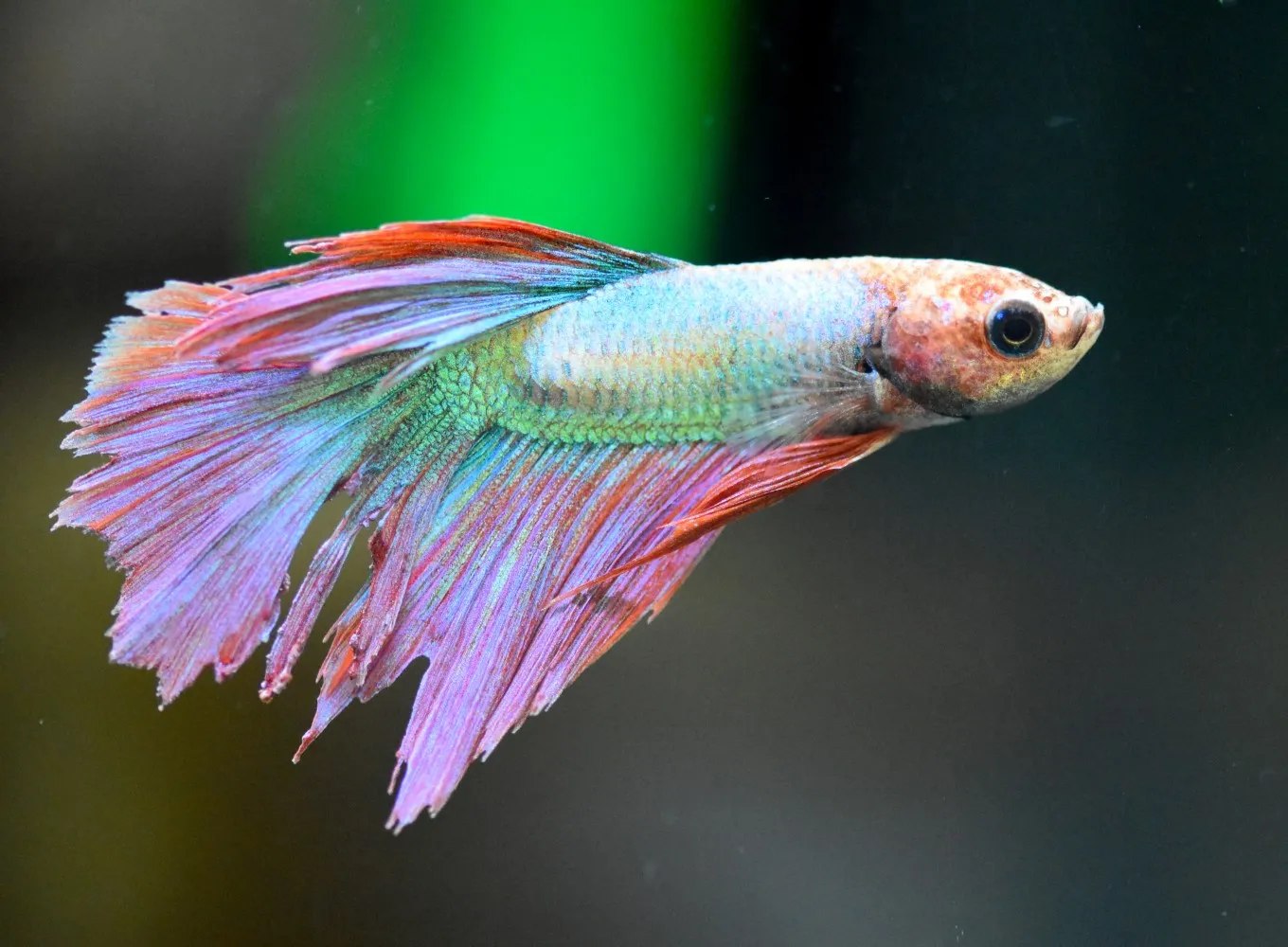
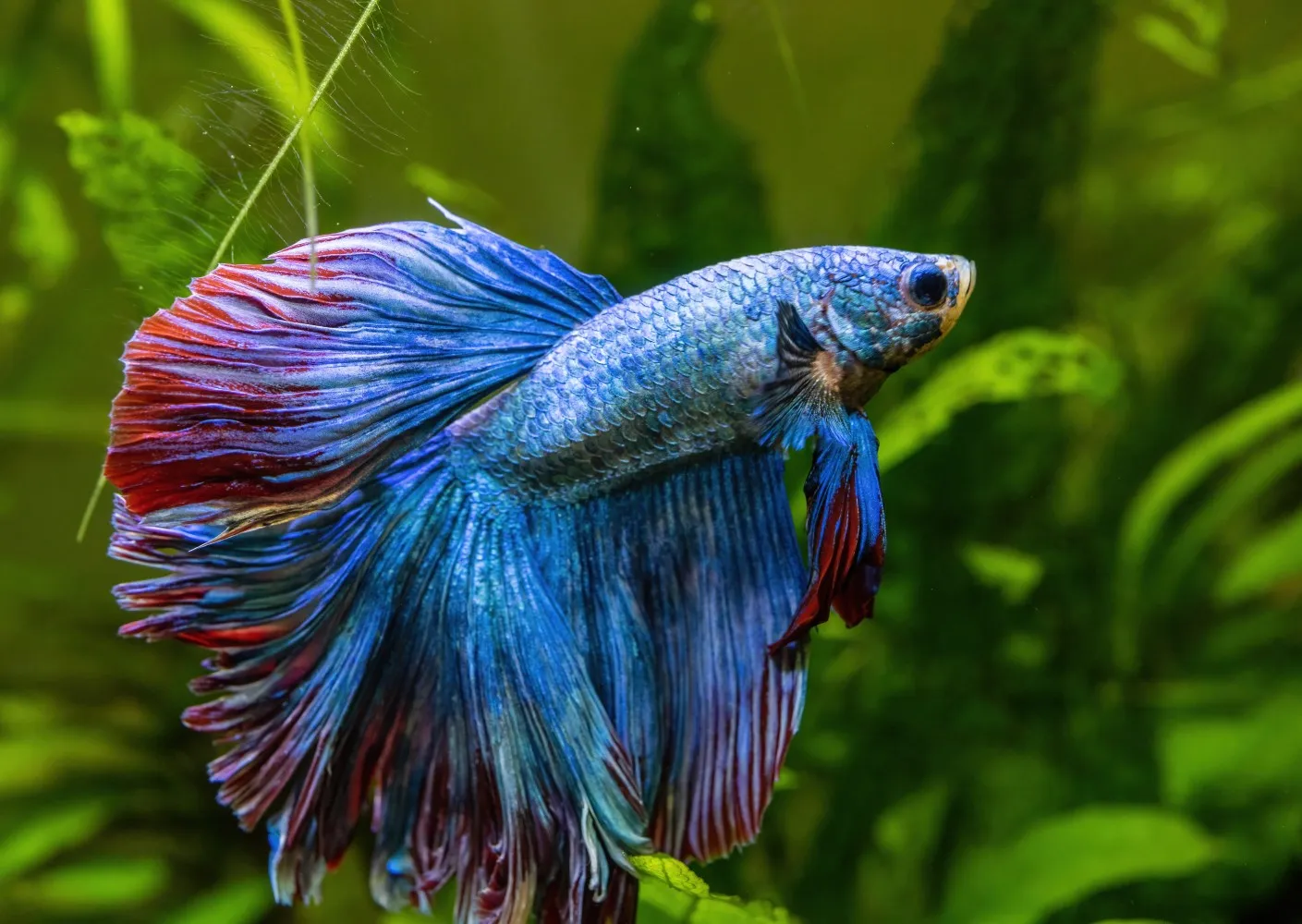
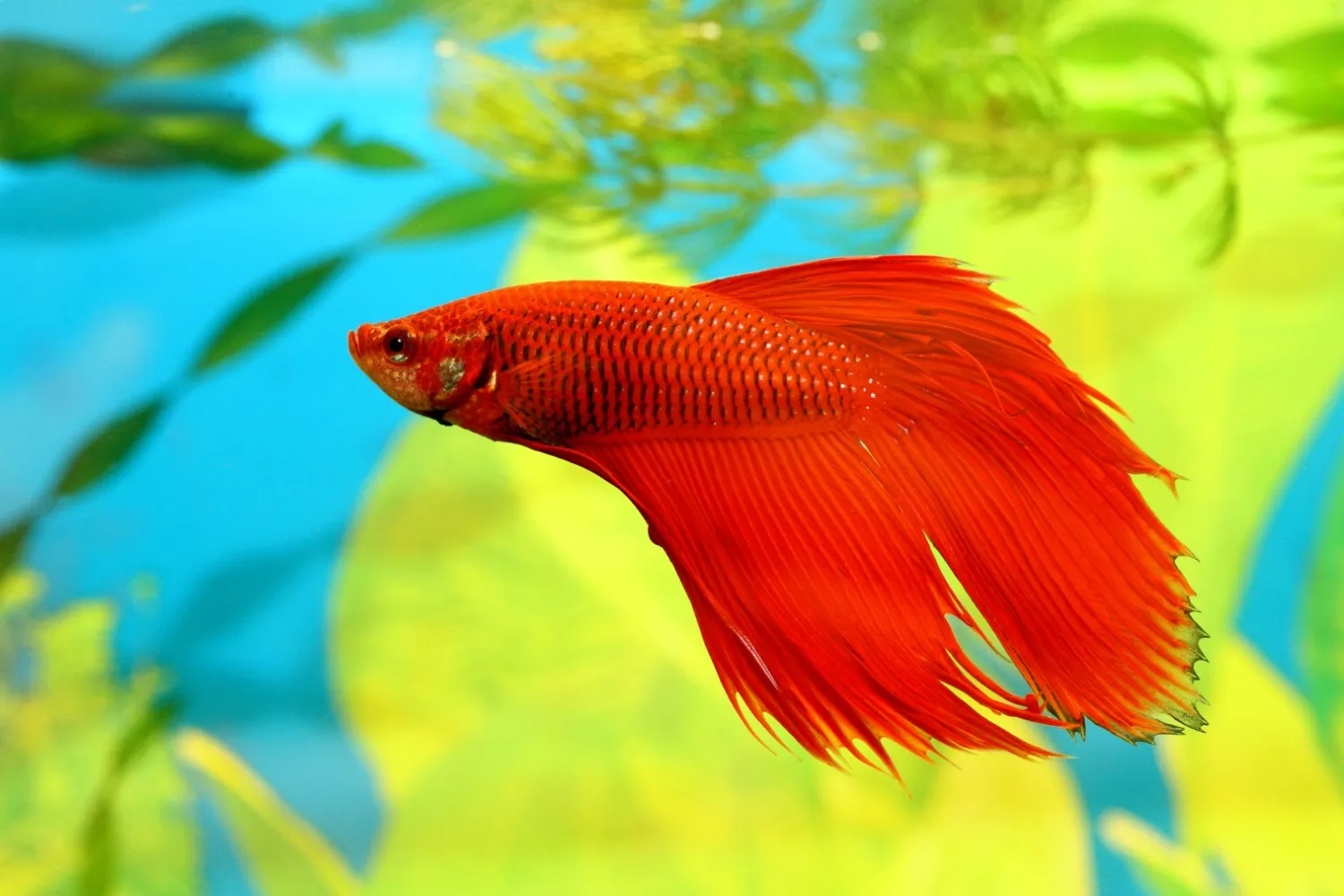
The Siamese fighting fish is a colorful and territorial freshwater species valued by aquascapers, known scientifically as Betta splendens. Males display long flowing fins and intense coloration while females are shorter-finned and more muted. They prefer warm, stable water with plenty of plants or floating cover and low flow. With proper care they are rewarding and relatively beginner-friendly, but males should usually be kept alone or with carefully chosen tankmates.

Quick overview
Betta, Siamese fighting fish, Fighting fish
Territorial, solitary, hardy
20 liters (5 gallons) for a single male
Ideal aquarium setup
Betta splendens does best in a planted aquarium with calm water and plenty of hiding and resting spots that mimic slow-moving forest streams. Warm temperatures, stable chemistry and soft to moderate hardness help them display color and build bubble nests. Floating plants and shaded areas make them feel secure and reduce stress.
A single male is comfortable in 20 liters (5 gallons) or larger; a community tank or female sorority should be 40 liters (10 gallons) or more with ample horizontal swimming space.
Low to moderate lighting is ideal; bright light should be diffused with floating plants since strong light can stress bettas and encourage flaring behavior. Dimmer setups also showcase their colors and support floating plant cover.
Broad-leaved plants and hardy epiphytes like Anubias and Java fern plus floating plants such as Salvinia or dwarf water lettuce provide resting spots and shelter. Plants reduce stress, offer spawning sites and help maintain water quality.
Low flow only, since their labyrinth organ lets them breathe air and strong currents exhaust them and prevent normal surface breathing.
Fine sand or smooth gravel suits planted tanks and creates a natural look while being gentle on delicate fins.
Include driftwood, smooth rock caves and leaf litter to create sheltered areas and visual depth, while leaving open surface space for bubble nests and swimming.

Behavior and temperament
Males are strongly territorial and will flare at rivals and reflections, while females are generally less aggressive but can still be bossy. Bettas are relatively sedentary compared with many tetras and appreciate places to rest at the surface. They are sensitive to poor water quality and sudden changes, so stable conditions reduce stress and unwanted aggression.
Diet and feeding
Betta splendens are carnivorous micro-predators with small stomachs, so feed nutrient-dense protein foods in small portions. A varied diet of quality pellets plus regular frozen or live treats keeps color and health strong, while avoiding overfeeding prevents digestive issues.
What they eat in nature
Insect larvae, small crustaceans, zooplankton, and other tiny invertebrates.
What to feed in the aquarium
- High-quality carnivore pellets formulated for bettas.
- Frozen or live brine shrimp, daphnia and bloodworms.
- Occasional freeze-dried treats and finely chopped mysis shrimp.
Feeding schedule
Feed small portions once or twice daily, offering only what is eaten within about two minutes.
Special dietary needs
No strict needs, but regular live or frozen protein-rich foods improve coloration and health.
Daily:
Provide one to two small protein-rich feedings per day, only what the fish consumes in a couple of minutes to avoid overfeeding.
Weekly:
Offer live or frozen treats 2–3 times per week and include one fasting day to help digestion.
Always:
Maintain a varied diet of pellets plus live or frozen foods and avoid over-reliance on freeze-dried items.
Tankmate compatibility
Choose peaceful, non-fin-nipping species that occupy different zones and are similar in size and temperament. Avoid fast, boisterous fish and obvious fin nippers which will harass long-finned males; females and many small community fish can work with careful observation. Isolate males from other male bettas to prevent fighting.
Yes with caution — many bettas will attack or eat small shrimp, though larger shrimp like Amano can sometimes coexist if the betta is well-fed and the tank has hiding places.
Snails are generally safe tankmates and help with algae control, though very small snails may attract curious attention from a hungry betta.
Small peaceful schooling species such as Harlequin rasboras, ember tetras and dwarf corydoras usually make compatible tankmates when the tank is large enough and has hiding spots.
Avoid semi-aggressive or fin-nipping species like tiger barbs and many danios, plus larger aggressive cichlids, as they will stress or injure a betta. Fast, boisterous fish can outcompete bettas for food and territory.
Male bettas should be housed alone; females can sometimes be kept in a sorority of 4–6 in a spacious, planted tank with careful monitoring. Group dynamics require space and many hiding places to reduce aggression.
Breeding
Breeding bettas is rewarding but requires careful conditioning, a calm breeding tank and understanding of male nesting behavior; the male builds a bubble nest and guards eggs and fry. Spawning can be quick, but raising fry needs attention to water quality and specialized food.
Difficulty
Moderately challenging because males are territorial and successful breeding requires conditioning both sexes, a separate breeding tank, and careful timing to remove the female after spawning.
How they breed
Bubble nest builder — the male builds a floating nest, embraces the female to release eggs, collects them and guards the nest until fry hatch.
Best setup for breeding
Use a small dimly lit breeding tank around 10–20 liters with very low flow, a heater set near 26–28°C and floating plants or a nest support; a sponge filter provides gentle filtration. Introduce a conditioned pair with caution and remove the female after spawning to avoid aggression.
Feeding the babies
Start fry on infusoria or liquid fry food for the first few days, then move to newly hatched baby brine shrimp and micro foods before introducing finely crushed pellets or micro flakes as they grow.
Pro tips
Provide plenty of floating plants to give resting spots and reduce reflections that trigger flaring.
Keep water warm and stable; small temperature drops stress bettas quickly.
Trim sharp decor edges and choose smooth substrates to prevent fin tears.
Fin nipping
Fin nipping often happens from fin-nipping tankmates or rough decorations; remove aggressive species and add hiding places and broader-leaved plants to reduce harassment.
Ich and parasites
White spot diseases and parasites occur with new introductions or temperature stress; quarantine new fish and treat promptly while improving water quality and temperature stability.
Overfeeding issues
Overfeeding leads to bloating and poor water quality; feed tiny portions and remove uneaten food, and perform regular water changes to keep ammonia and nitrate low.
Typical beginner mistakes
- Keeping males together in the same tank without dividers.
- Housing bettas in tiny cups or unfiltered bowls long-term.
- Overfeeding and skipping water changes.
Short summary
Betta splendens are striking, territorial surface-dwelling fish that thrive in warm, planted, low-flow aquariums with stable water. They are relatively easy to keep for beginners who respect their territorial nature and provide a varied protein-rich diet and appropriate tankmates.
Frequently asked questions (FAQs)
Can male bettas live together?
No, male bettas are highly territorial and should not be housed together except in divided tanks; fights can be deadly.
How warm should a betta aquarium be?
Maintain water between 24–28°C (75–82°F) for best health and activity, with stable temperature to avoid stress.
Are bettas good for planted aquariums?
Yes, bettas do very well in planted tanks with floating cover and broad-leaved plants that provide resting spots and reduce stress.
Will bettas eat shrimp or snails?
Some bettas will eat small shrimp and may nip snails; larger snail species and ample hiding places improve coexistence chances.
What is the best diet for bettas?
A staple of high-quality carnivore pellets plus regular live or frozen foods like brine shrimp and bloodworms provides balanced nutrition and color enhancement.
How do I know if my betta is stressed?
Signs include clamped fins, faded color, hiding, reduced appetite and excessive flaring; check water parameters, lighting and remove stressors like aggressive tankmates or reflections.