At a glance
Territorial
Shy
Colorful
Solitary
Description
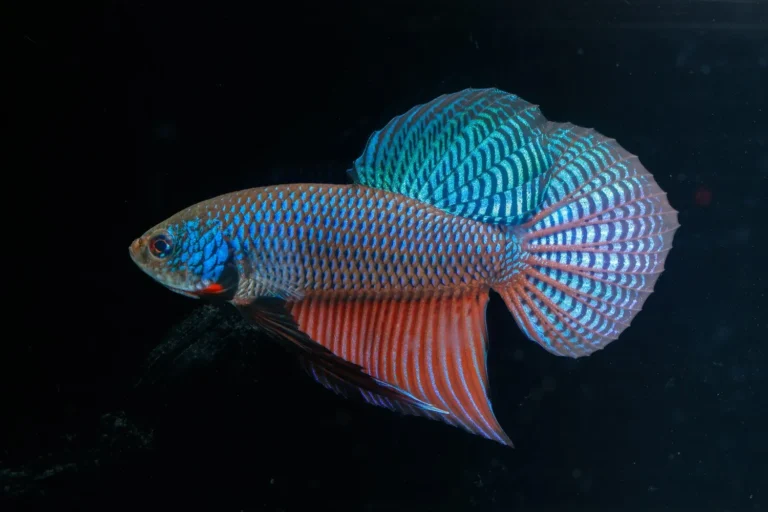
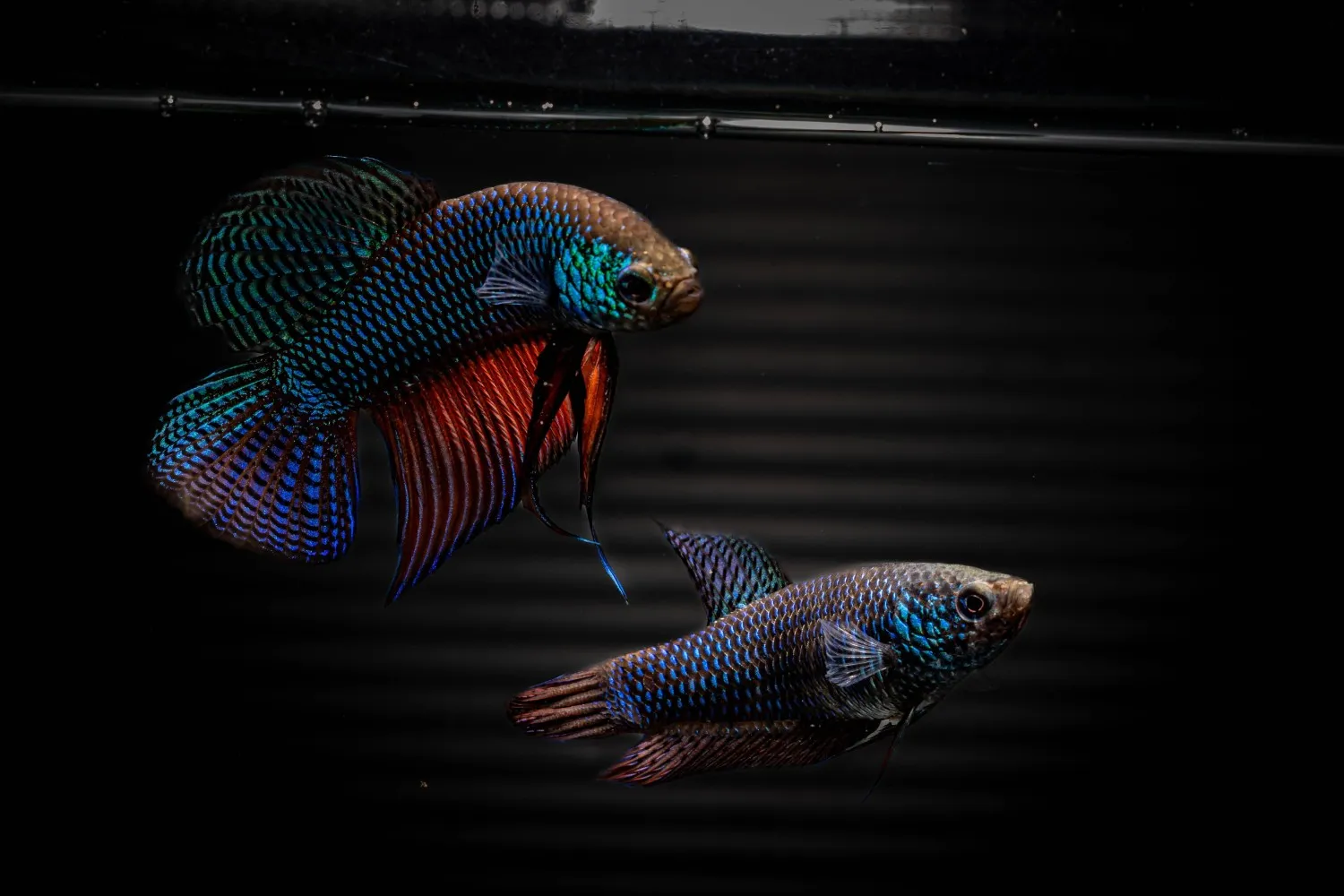
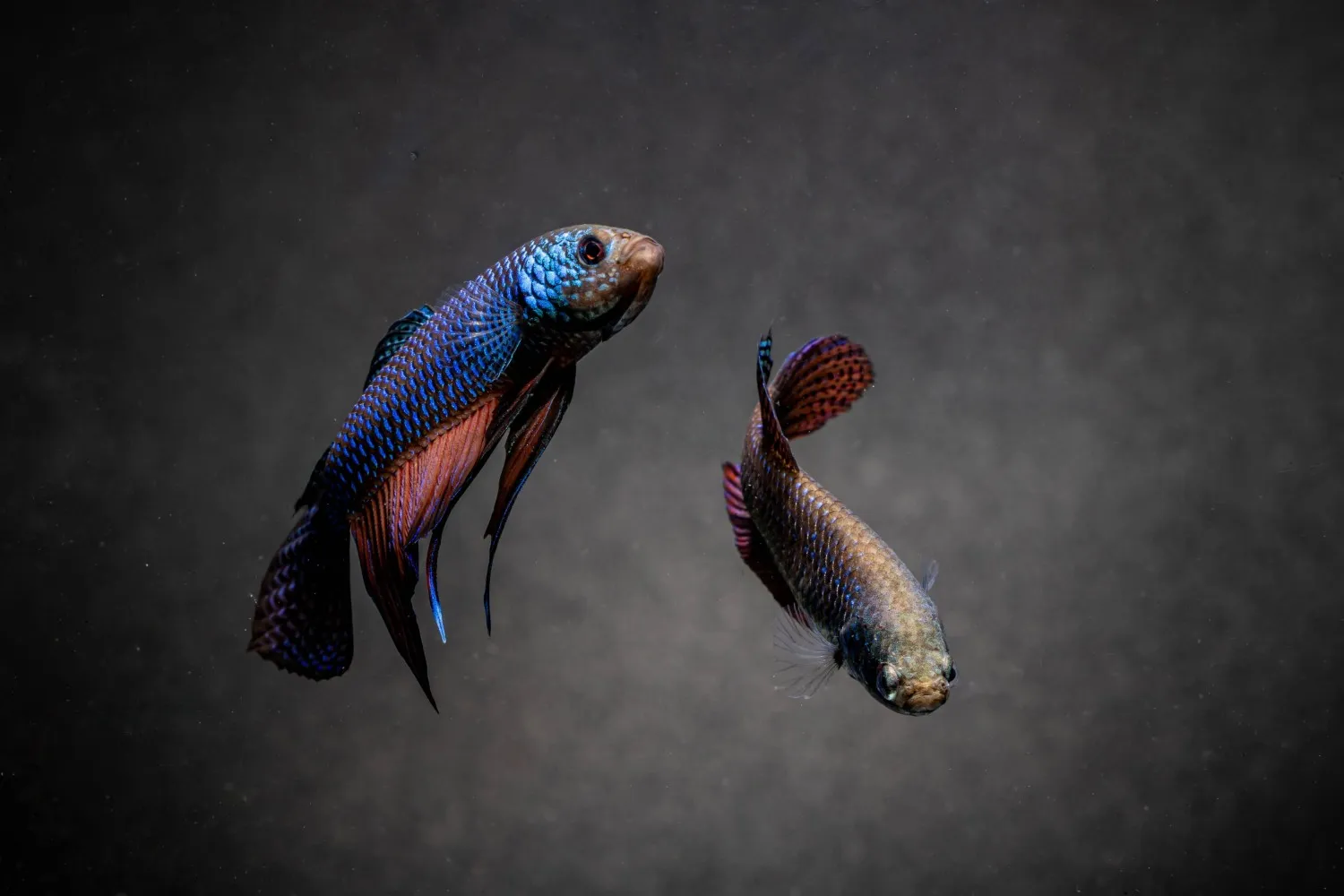
Betta smaragdina (commonly called emerald betta) is a compact, vividly colored wild betta with metallic green and blue highlights and fine patterning on the fins. It prefers calm, heavily planted, shallow waters and shows territorial behavior among males while remaining shy around fast movers. Care focuses on stable warm water, soft to neutral pH, subdued lighting and plenty of cover of floating and stem plants. With proper setup they are rewarding for intermediate keepers who enjoy naturalistic aquascapes.

Quick overview
Betta smaragdina, Emerald betta, Burmese blue betta
Semi-aggressive, territorial, solitary
60 liters (15 gallons) for a pair
Ideal aquarium setup
Betta smaragdina does best in a planted aquarium that mimics shallow forest pools with lots of hiding spots and subdued light. Stable temperature and soft to slightly acidic water will keep stress low and encourage natural behavior. Floating plants and quiet filtration that produces minimal flow make them comfortable and show their colors.
Provide at least 60 liters (15 gallons) for a pair or one male with several females; larger tanks of 100 liters are better for mixed communities and to reduce territorial conflicts.
Low to moderate lighting is ideal; subdued light with floating plants reduces stress and encourages natural activity while brighter light can be used sparingly to highlight plants.
Dense stem plants, floating cover and mosses suit them best since these provide shelter and break lines of sight; plants also help diffuse light and provide enrichment for shy individuals.
Low flow preferred because strong currents stress labyrinth breathers and make them avoid open areas.
Dark fine sand or smooth gravel with leaf litter works well and recreates their natural shallow, soft-bottom habitat.
Use driftwood, bogwood and leaf litter to create shaded zones and surface cover; include open swimming lanes between plant clumps to allow natural displays.
Behavior and temperament
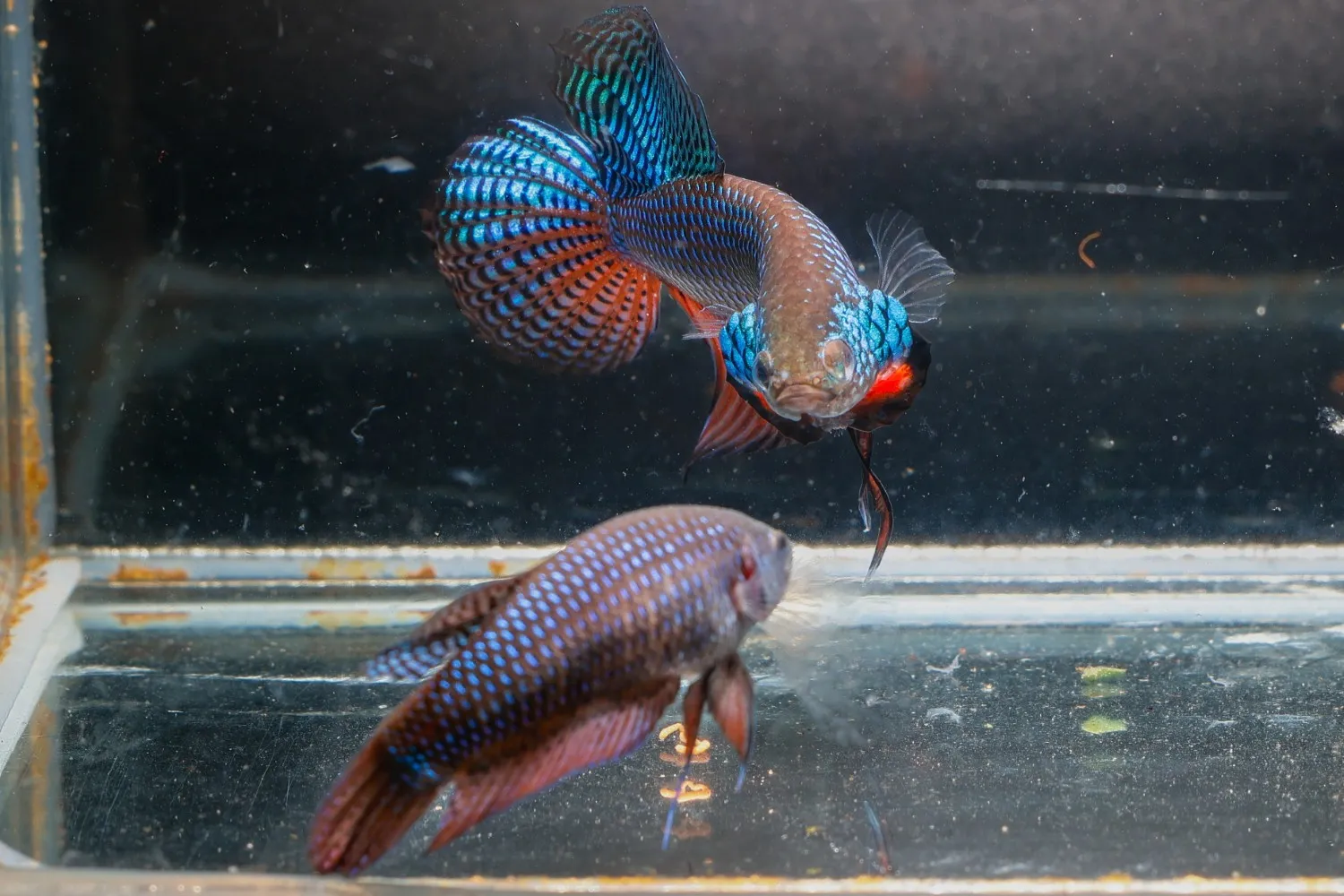
Wild Betta smaragdina are territorial, especially males, and often display in short bouts rather than constant activity. They are generally shy around noisy or fast-moving tankmates and appreciate plenty of cover to retreat into. Males will flare and defend small territories; females are less aggressive but can still show hierarchical behavior. They are sensitive to poor water quality and sudden changes in environment.
Diet and feeding
They are carnivorous micro-predators with a preference for small live and frozen foods and will accept high-quality prepared foods when conditioned. Offer a varied diet to maintain color and health, and avoid overfeeding due to their small stomachs.
What they eat in nature
Small insects, insect larvae, crustacean larvae, zooplankton.
What to feed in the aquarium
- High-quality protein pellets or flakes formulated for carnivores.
- Live or frozen bloodworms, daphnia and brine shrimp.
- Freeze-dried options and occasional tubifex for variety.
Feeding schedule
Feed once or twice daily with small portions they can consume in a couple of minutes.
Special dietary needs
No strict special needs, but frequent live or frozen protein-rich foods improve condition and coloration.
Daily:
Feed one small portion once or twice daily, only what they eat in a couple of minutes to prevent uneaten food.
Weekly:
Offer at least two days per week with live or frozen protein-rich foods like bloodworms or brine shrimp for conditioning and breeding readiness.
Always:
Always provide a varied diet and avoid overfeeding; keep meals small due to their limited stomach capacity.
Tankmate compatibility
Choose peaceful, non-territorial tankmates that won't nip fins or outcompete them for food, and avoid boisterous or large species that stress bettas. Fast schooling species that swim in the mid to upper water column and shy bottom dwellers work best. Monitor interactions and have plenty of hiding spots.
Yes with caution, small shrimp may be eaten or harassed so provide dense cover and consider larger or robust species like Amano shrimp if keeping them together.
Most snails are safe and useful algae cleaners; very small snails can occasionally be harassed but generally snails coexist well.
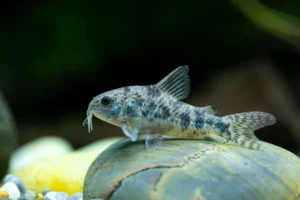
Good tankmates include small rasboras, pencilfish and peaceful tetras as well as Corydoras catfish that occupy the bottom and avoid direct competition or displays.
Avoid semi-aggressive or fin-nipping species such as many barbs, some danios and larger gouramis because they provoke stress and can injure fins.
Males are best kept singly unless you have a large tank and see by-eye personalities; a single male with a few females or female-only groups work better than multiple males in one tank.
Breeding
Breeding Betta smaragdina is possible in the home aquarium but requires conditioning with live foods and careful handling of aggressive males. They build bubble nests and males guard the nest and fry, so separate the breeding pair in a calm, planted tank. Watch for male aggression after spawning and remove the female if she is harassed.
Difficulty
Moderate; breeding needs water stability, conditioning on live foods, and monitoring because males can become very territorial while guarding the nest.
How they breed
Bubble nest spawner with the male building and guarding a nest while tending eggs and fry.
Best setup for breeding
Use a small, heavily planted breeding tank with floating plants, warm water around 26–28°C, soft slightly acidic conditions and a gentle sponge filter to keep flow minimal. Dim lighting and lots of cover reduce stress and encourage nesting.
Feeding the babies
Start fry on infusoria or liquid fry foods for the first few days, then move to newly hatched baby brine shrimp and microworms before transitioning to finely crushed prepared foods.
Pro tips
Provide floating plants to help males anchor bubble nests and to dim the tank.
Keep water changes small but regular to maintain stable parameters.
Condition breeders with live foods for several weeks before pairing to improve success.
Male aggression
Males will fight if kept together or without enough hiding spots; separate males or increase space and cover to reduce conflicts.
Stress from bright light
Too much light or sparse cover causes skittish behavior and poor color expression; add floating plants and lower intensity to calm the fish.
Poor coloration
Inadequate diet, poor water quality or stress cause faded colors; improve nutrition with frozen/live foods and stabilize water parameters to restore vibrancy.
Typical beginner mistakes
- Keeping multiple males in too-small tanks leading to constant fighting.
- Using strong-flow filters that exhaust labyrinth breathers.
- Overfeeding and poor water maintenance causing ammonia spikes.
Short summary
Betta smaragdina is a small, colorful wild betta that thrives in planted, calm aquariums with stable warm water and soft to neutral pH. They require careful tankmate selection and a protein-rich varied diet but are rewarding for aquascapers who enjoy natural setups and watching territorial displays.
Frequently asked questions (FAQs)
Can Betta smaragdina live with shrimp?
They can coexist with shrimp but often harass or eat small shrimp, so provide dense cover or choose larger, robust shrimp and monitor closely.
What temperature do they prefer?
Keep them between 24–28°C (75–82°F) for best activity and breeding readiness.
Are they suitable for planted tanks?
Yes, they excel in heavily planted tanks with floating cover and shaded areas that mimic their natural habitat.
How aggressive are males toward each other?
Males are territorial and will fight in close quarters, so avoid housing multiple males together unless the tank is very large and well-structured.
Do they need special water chemistry?
They prefer soft to moderately hard water with pH near neutral to slightly acidic but tolerate a range if conditions are stable.
What is the best diet for vibrant colors?
A varied diet of high-quality protein flakes/pellets plus regular live or frozen foods like bloodworms and brine shrimp brings out their best colors.