At a glance
Peaceful
Shy
Schooling
Colorful
Description
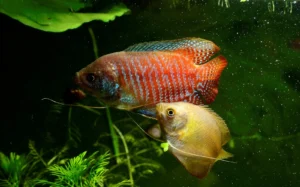
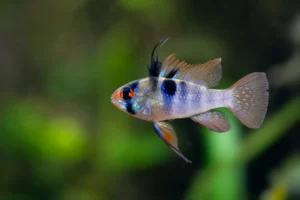
The Honey Gourami (Trichogaster chuna) is a small, warmly colored labyrinth fish prized for calm community aquariums. Males show honey to orange hues and a slimmer profile while females are rounder and paler. They prefer heavily planted, dimly lit tanks with gentle water conditions and lots of hiding spots. Overall care is straightforward but stability and a peaceful tankmates list make them thrive.

Quick overview
Honey gourami, Sunset gourami, Golden gourami
40 liters (10 gallons) for a group
Ideal aquarium setup
Honey gouramis do best in a planted, stable aquarium that mimics slow-moving, shaded waters with gentle filtration and plenty of cover. Soft slightly acidic to neutral water, floating plants and subdued lighting help them feel secure and display color. Stable parameters and peaceful tankmates are more important than pristine high-flow setups.
A 40–60 liter tank suits a small group or community containing 4–6 honey gouramis; larger tanks are needed if combined with other species. Provide horizontal swimming space and visual breaks with plants and wood.
Low to moderate lighting is ideal; they become shy under very bright light and will appreciate floating cover to diffuse illumination. Brighter light can be used if balanced with dense planting and shaded areas.
Floating plants, broad-leaf plants, and dense stem plants suit them well and provide shelter for shy individuals and breeding males. Plants also soften the water surface and give sites for bubble nests and resting near the surface.
Low flow; they prefer calm water reflecting their slow-moving natural habitat and may struggle with strong currents.
Fine sand or smooth gravel in natural tones replicates riverbeds and supports plants without harming delicate fins.
Use driftwood, bogwood and leaf litter to create shaded zones and natural hiding spots, plus a few open swimming areas. Include some smooth rock features and floating cover to encourage natural behavior and nest building.

Behavior and temperament
Honey gouramis are peaceful and somewhat shy, often staying near plants and mid-to-top levels of the tank. They are social and do well in small groups but males can show mild territorial displays toward one another. Sudden changes in water or boisterous tankmates can stress them and cause hiding or fin clamping. With calm companions they are curious and will become more outgoing over time.
Diet and feeding
Honey gouramis are omnivores with small mouths and a preference for small live or frozen foods alongside quality flakes or micro pellets; variety keeps them healthy. Feed small portions multiple times daily and include occasional protein-rich treats to condition males for breeding.
What they eat in nature
Insect larvae, small crustaceans, zooplankton, and plant detritus.
What to feed in the aquarium
- High-quality flake food suitable for small gouramis.
- Micro pellets or granules designed for small omnivores.
- Frozen or live daphnia, bloodworms, and brine shrimp.
- Occasional blanched vegetables like spinach or peas.
- Live foods for conditioning before breeding.
Feeding schedule
Feed small amounts once or twice daily, offering only what they consume within two to three minutes.
Special dietary needs
No strict needs, but regular small live or frozen foods improve coloration and overall condition.
Daily:
Offer a small portion of flakes or micro pellets once or twice daily plus a few live or frozen morsels occasionally.
Weekly:
Include one to two protein-rich feedings per week such as frozen bloodworms or brine shrimp to boost condition and breeding readiness.
Always:
Always provide a varied diet and avoid overfeeding to prevent water quality issues.
Tankmate compatibility
They suit peaceful, similarly sized community species that do not chase or nip fins; avoid large or aggressive fish. Good tankmates share calm behavior and midwater habits so the gouramis are not stressed or outcompeted for food.
Yes with caution. Smaller shrimp and juveniles may be targeted by hungry or territorial individuals, but adult shrimp often coexist if plenty of hiding spots and dense plants are provided.
Snails are generally safe companions and help control algae; a few small snails may be picked at but are usually left alone.
Pairs well with small tetras, rasboras and Corydoras catfish that are non-aggressive and occupy different niches, creating a calm mixed community.
Avoid boisterous species like tiger barbs, large danios or aggressive cichlids because they can nip fins and stress honey gouramis, leading to hiding and poor health.
Keep in small groups or harems; a single male with two to three females or a peaceful mixed group of four to six works best since males may show occasional displays toward each other in cramped conditions.
Breeding
Breeding honey gouramis is rewarding and moderately straightforward when the male is well conditioned and you provide floating plants and calm water. The male builds a bubble nest and cares for the eggs and fry until they become free-swimming. Separation of adults after spawning is often recommended to protect the fry.
Difficulty
Relatively easy with proper conditioning; breeding success improves with slightly warmer, stable water and a diet rich in live foods to encourage spawning and nest building.
How they breed
Bubble nest builder.
Best setup for breeding
Use a small dedicated breeding tank with gentle filtration or none, lots of floating plants, dim light and a reduced water level; set temperature to about 26–28°C and slightly soft acidic water. A sponge filter and visual barriers help reduce stress and protect the nest.
Feeding the babies
Start fry on infusoria or commercial liquid fry food for the first few days, then introduce newly hatched baby brine shrimp and microworms as they grow. Gradually move to finely crushed flakes and micro pellets as the fry reach several weeks old.
Pro tips
Provide dense floating cover to reduce stress and encourage natural feeding and breeding behavior.
Condition breeding males with frequent live or frozen protein-rich foods for several weeks before attempting spawning.
Keep water parameters stable and perform regular small water changes to prevent stress-related illnesses.
Fin nipping
Fin nipping usually happens with fast or aggressive tankmates and can be reduced by choosing peaceful companions and providing hiding places for stressed fish.
Stressful water swings
Sudden changes in temperature or chemistry cause hiding and loss of appetite, so maintain stable parameters and perform gradual water changes to keep them healthy.
Poor coloration
Pale colors often indicate stress or poor diet; improve lighting balance, add varied live or frozen foods and reduce aggression from tankmates to restore vibrancy.
Typical beginner mistakes
- Overstocking small tanks causing stress and aggression.
- Bright bare tanks without hiding spots leading to hiding and poor display.
- Inconsistent water changes and parameter swings that reduce health.
Short summary
Honey gouramis are peaceful, small labyrinth fish ideal for planted community tanks with calm water and plenty of cover. They are relatively easy to care for if kept in stable conditions, given a varied diet and paired with gentle tankmates.
Frequently asked questions (FAQs)
Are honey gouramis good for beginners?
Yes, they are suitable for beginners who can maintain stable water conditions and choose peaceful tankmates.
How many honey gouramis should I keep?
A small group of four to six works well in a 40–60 liter tank, or a single male with two to three females to reduce male-male displays.
What temperature do they prefer?
They do well between 24–28°C, with slightly warmer water often used for conditioning before breeding.
Will honey gouramis nip shrimp?
They may eat or stress small shrimp so shrimp are possible only with caution and plenty of hiding places.
Can honey gouramis live with tetras?
Yes, peaceful small tetras make excellent tankmates as long as water parameters are compatible and no fin-nipping species are present.
How can I sex honey gouramis?
Males are slimmer and more intensely colored, often with an orange hue and longer fins, while females are rounder and paler.