At a glance
Peaceful
Active swimmer
Hardy
Livebearer
Description
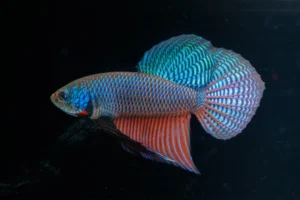
The Swordtail is a colorful livebearer known for the elongated lower tail fin in males and a variety of body colors. In the wild and aquarium the species is Xiphophorus hellerii, a hardy fish that adapts well to planted community tanks. Swordtails are moderately active and display interesting social interactions, with males occasionally chasing rivals. They are straightforward to care for provided water is stable and there is open swimming space plus plant cover.

Quick overview
Swordtail, Common swordtail, Red swordtail
Peaceful, semi-aggressive, social
75 liters (20 gallons) for a group
Ideal aquarium setup
Swordtails do best in a planted aquarium with open swimming areas and stable, slightly warm water that mimics their Central American rivers. Provide a mix of taller background plants and floating cover so shy individuals can hide while more dominant males display. Slightly alkaline, well-filtered water with regular maintenance keeps them at peak health.
A 75 liters (20 gallon) tank is a good starting point for a small group; larger tanks allow more males with less chasing. Aim for at least 5–6 fish to distribute social pressure and reduce aggression toward individuals.
Moderate lighting suits both plants and swordtails; they tolerate brighter light if cover is available. Under very dim light they may be less active, while very intense light without hiding spots can stress males.
Tall background plants, floating plants, and dense patches of fine-leaved plants help create territories and cover for fry. Plants also reduce aggression and provide grazing surfaces for algae and biofilm.
Moderate flow helps simulate their natural riverine environment and keeps water oxygenated.
Fine gravel or sand suits planted layouts and is easy to clean while allowing rooting plants.
Use driftwood and smooth rocks to create visual structure while leaving open mid-top swimming lanes; leaf litter or rock caves offer shelters and breeding hideouts.

Behavior and temperament
Swordtails are social and generally peaceful but males display and can become territorial, especially in small tanks. They are active swimmers that appreciate open space near the water surface. Excessive crowding or poor water quality increases chasing and stress. With the right sex ratio and hiding places they make lively community additions.
Diet and feeding
Swordtails are opportunistic omnivores with relatively small stomachs and benefit from a varied diet to stay healthy and colorful. Feed a mix of quality flake or pellet food plus regular live or frozen items and some vegetable matter to prevent bloating and improve coloration.
What they eat in nature
Algae, insect larvae, small crustaceans, plant matter.
What to feed in the aquarium
- High-quality flake or pellet food.
- Live or frozen foods like daphnia, bloodworms, and brine shrimp.
- Vegetable matter such as blanched spinach or spirulina flakes.
Feeding schedule
Feed small portions once or twice daily, only what they can consume in about two minutes.
Special dietary needs
No strict needs, but regular live or frozen foods and occasional vegetables improve health and color.
Daily:
Offer a small portion of flake or pellets once or twice a day so they stay active but not overfed.
Weekly:
Include one to two feedings of live or frozen foods and a vegetable feeding like blanched spinach each week.
Always:
Maintain a varied diet that includes plant material and protein-rich items to prevent nutritional deficiencies.
Tankmate compatibility
Swordtails suit most peaceful community fish of similar size that tolerate slightly alkaline water. Avoid very small slow-moving fish that may be harassed and also avoid large aggressive cichlids that will bully them. Maintain proper sex ratios to limit male harassment and choose tankmates with similar activity levels.
Yes with caution; adults may ignore larger shrimp but juveniles and baby shrimp are at risk of being eaten, so provide heavy plant cover if keeping shrimp.
Generally compatible; snails are usually left alone and can help with algae, though very small snails may be eaten by hungry fish.
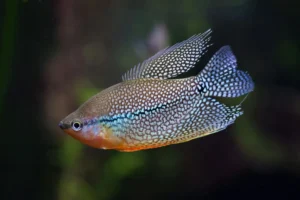
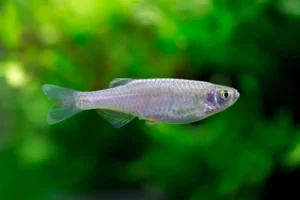
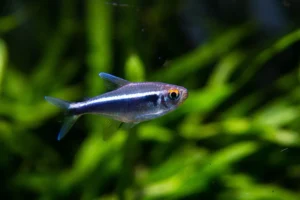
They do well with danios, platies, mollies and peaceful tetras that share similar water needs and activity levels.
Avoid keeping with larger barbs, aggressive cichlids or very boisterous species that will outcompete or nip fins. Males will also spar among themselves if cramped.
Keep in small groups with more females than males to reduce chasing; one male with two to three females or a mixed group of several females and a few males works best.
Breeding
Swordtails are prolific livebearers and relatively easy to breed in home aquariums; females give birth to free-swimming fry. Provide dense plants or breeding boxes to protect fry from adults who may eat them. Fry appear fully formed and grow quickly when given appropriate food.
Difficulty
Breeding is easy because swordtails are livebearers and will breed readily in community tanks if water is stable and food is plentiful. Controlling predation on fry and maintaining proper sex ratios are the main challenges.
How they breed
Livebearer; internal fertilization with females giving birth to live fry.
Best setup for breeding
Use a separate breeding tank or densely planted area with fine-leaved plants and a sponge filter, keep water slightly warmer and stable, and provide hiding for fry. Dim lighting and gentle filtration reduce stress for pregnant females and newborns.
Feeding the babies
Start fry on infusoria or liquid fry food for the first few days, then move to baby brine shrimp and finely crushed flake as they grow. Increase feeding frequency with tiny portions several times per day to support rapid growth.
Pro tips
Keep a 2:1 or 3:1 female to male ratio to reduce male harassment.
Provide floating plants to diffuse aggressive displays and offer shaded resting spots.
Use a sponge filter in breeding tanks to protect fry from being sucked into the filter.
Male aggression
Males will chase and nip each other or females when overcrowded; add more females or increase tank size and hiding places to reduce aggression.
Overfeeding bloating
Feeding large amounts of rich foods can cause constipation and bloating; reduce portions, offer vegetables, and fast for a day to recover.
Poor coloration
Dull color often signals inadequate diet or poor water quality; improve nutrition with varied live or frozen foods and keep water parameters stable.
Typical beginner mistakes
- Keeping too many males in a small tank which raises stress and fighting.
- Overfeeding leading to water quality problems and health issues.
- Insufficient plant cover leaving fry vulnerable to predation.
Short summary
Swordtails are hardy, colorful livebearers that suit planted community tanks and beginner aquascapers. They need stable slightly warm water, varied diet and space to swim plus plants for cover to thrive.
Frequently asked questions (FAQs)
Are swordtails good for beginners?
Yes, they are hardy, adaptable, and straightforward to care for, making them suitable for beginners.
Do swordtails eat plants?
They may nibble soft plant leaves occasionally, so choose robust plants or provide ample vegetable foods to reduce grazing.
How many swordtails should I keep?
Keep at least a small group of five to six fish with more females than males to spread social pressure and reduce aggression.
Will swordtails breed in community tanks?
Yes, they breed readily in community tanks, but many fry will be eaten unless heavy cover or breeding traps are provided.
What water temperature do they prefer?
They do well in 22–26°C (72–79°F) with stable conditions and good filtration.
Can swordtails live with shrimp?
They can coexist with larger shrimp but will eat small or juvenile shrimp unless there is dense cover to hide them.