At a glance
Peaceful
Labyrinth
Surface dweller
Shy
Description
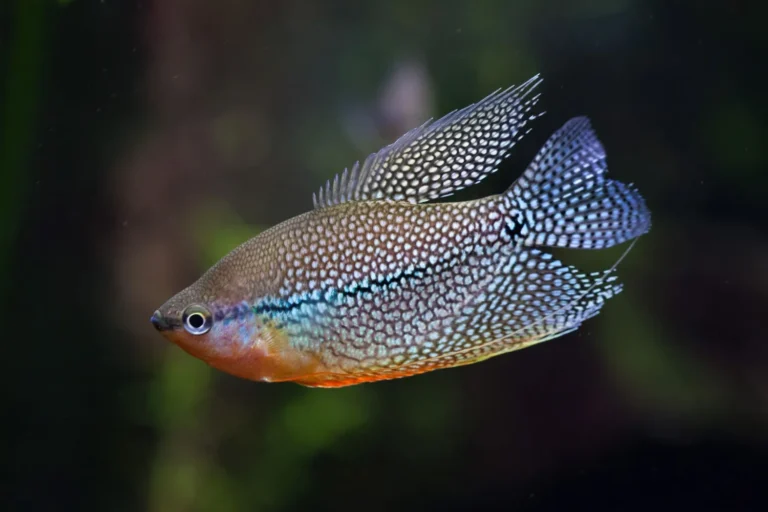
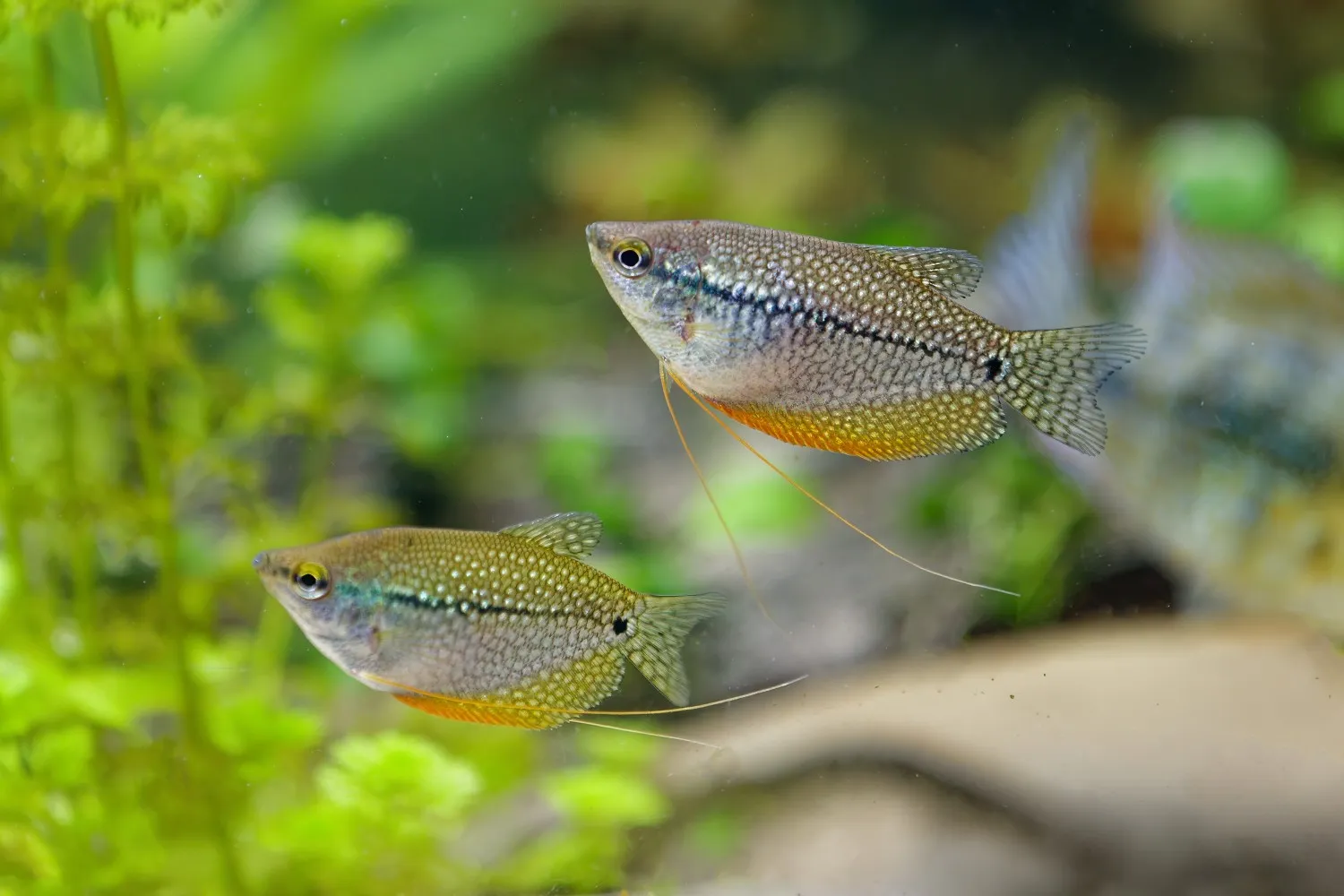
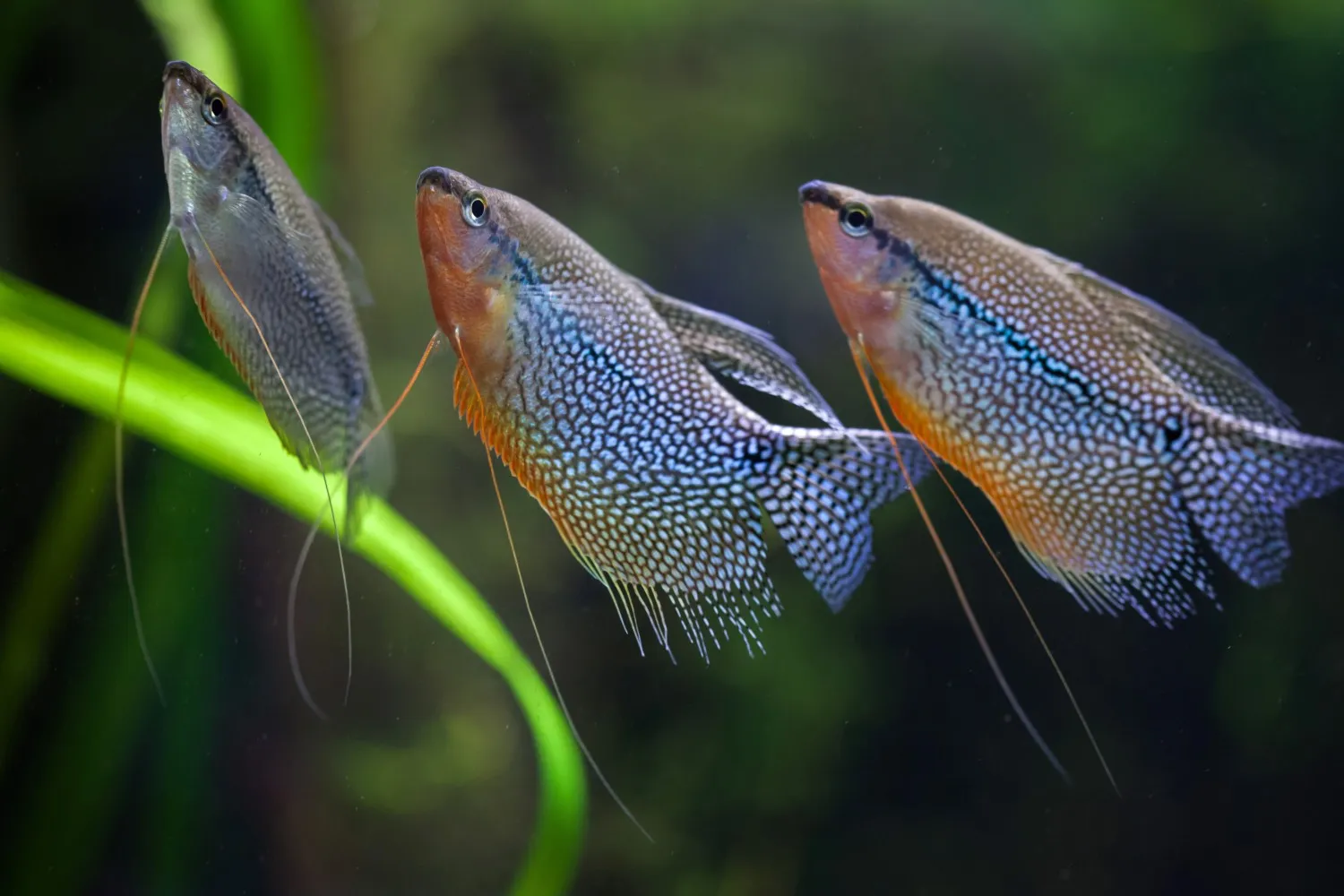
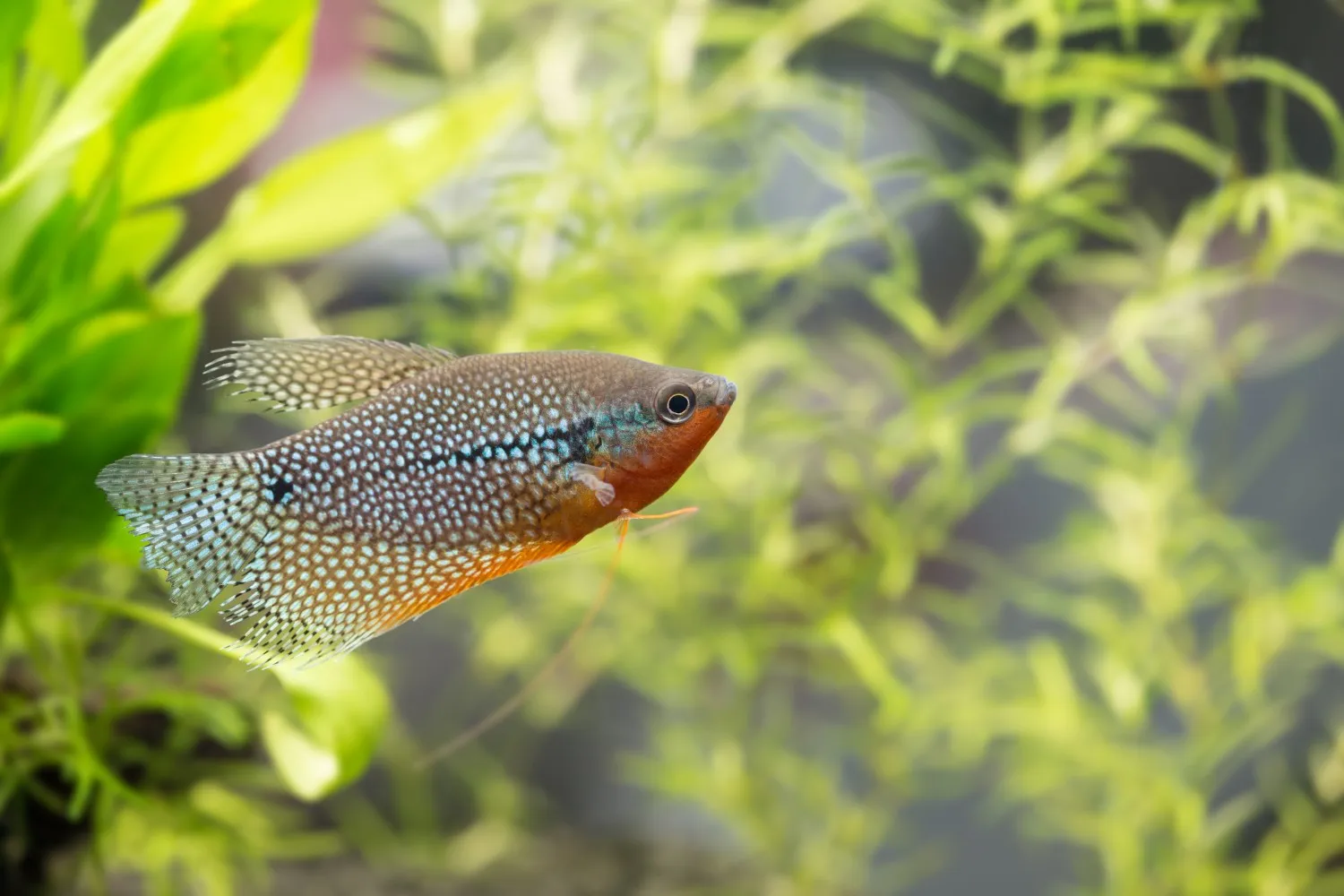
The Pearl Gourami (Trichopodus leerii) is a graceful, laterally compressed labyrinth fish known for its pearly spotting and elegant fins. Males show deeper coloration and a narrow red throat patch during displays, while both sexes appreciate planted, dimly lit tanks. They are generally peaceful but can be shy without floating cover and gentle water flow. Care focuses on stable warm water, soft to moderately hard parameters, and a varied diet.

Quick overview
Pearl gourami, Lace gourami, Leerii gourami
Peaceful, shy, semi-social
120 liters (30 gallons) for a pair
Ideal aquarium setup
Pearl gouramis do best in a heavily planted tank with open midwater swimming lanes and floating cover to soften light. They prefer warm, slightly acidic to neutral water and a calm environment that allows surface visits for labyrinth breathing. Stable water chemistry, gentle filtration, and shaded areas will keep them relaxed and showing natural behavior.
A minimum of 120 liters (30 gallons) is recommended for a pair; increase volume for groups of four or more to reduce male tension and give room for territories.
Low to moderate lighting is ideal; floating plants create dappled shade that reduces stress and encourages natural activity while strong bright light may make them reclusive.
Broad-leaved plants and floating mats such as Amazon swords, Cryptocoryne, Java fern and duckweed provide cover, reduce aggression and mimic their natural swampy habitat.
Low flow is best so they can access the surface easily and feel secure; strong currents cause stress and reduce surface breathing.
Soft sand or fine dark gravel mimics their native riverbeds and highlights their colors while being gentle on roots of plants.
Use driftwood, leaf litter and smooth roots to create hiding spots and tidal cover while leaving open midwater space for swimming and displays.
Behavior and temperament
Pearl gouramis are generally peaceful and slow-moving, preferring to cruise the mid to upper levels of the tank. They can be somewhat shy and benefit from plants and floating cover to feel secure. Males may show mild territorial displays, especially during breeding, but serious aggression is uncommon in a well-planted, spacious aquarium. They are social enough to do well in small groups when space permits.
Diet and feeding
Pearl gouramis are omnivores with small mouths and modest appetites, so offer a varied diet of flakes, pellets, frozen and live foods to maintain color and health. They feed near the surface and midwater, and respond well to frequent small meals rather than large single feedings.
What they eat in nature
Insects, insect larvae, small crustaceans, and plant material
What to feed in the aquarium
- High-quality flake or micro pellet food suitable for surface feeders.
- Live or frozen foods such as daphnia, bloodworms and brine shrimp.
- Blanched vegetables or spirulina-based pellets for plant matter.
Feeding schedule
Feed small portions once or twice daily, giving only what they consume in 2–3 minutes.
Special dietary needs
No strict needs, but regular live or frozen protein-rich foods and some vegetable matter improve coloration and condition.
Daily:
Offer a small portion of flakes or pellets once or twice a day, enough for a few minutes of feeding.
Weekly:
Include live or frozen protein-rich foods like bloodworms or brine shrimp 2–3 times per week to boost nutrition.
Always:
Maintain a balanced diet with both animal and plant components and avoid overfeeding to keep water quality high.
Tankmate compatibility
They pair well with other peaceful, similarly sized community fish that occupy different niches in the tank. Avoid fin-nipping species and large aggressive fish; small tetras, rasboras and peaceful bottom dwellers usually work well. Males can become territorial with each other, so space and hiding spots help reduce tension.
Yes with caution — larger adult shrimp may coexist, but tiny or juvenile shrimp are at risk of being eaten or harassed.
Generally compatible; most snails are left alone though curious gouramis may inspect or disturb small snail species.
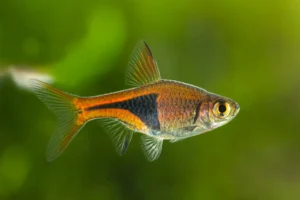
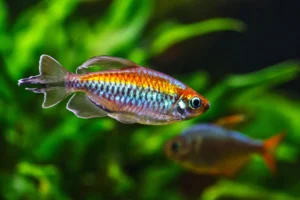
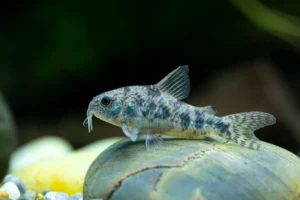
Suitable companions include small peaceful tetras, rasboras, peaceful dwarf cichlids and Corydoras catfish that occupy different water levels and won’t nip fins.
Avoid boisterous barbs, large cichlids or aggressive fin-nippers that stress or injure gouramis and compete for surface space.
Keep in small groups of one male with two or more females or a small mixed group; multiple males in tight quarters will show territorial displays.
Breeding
Breeding pearl gouramis involves male-built bubble nests and a degree of sensitivity to water conditions and privacy. Males build a nest under floating plants, court females and then guard the nest until fry disperse. Breeding is rewarding but requires soft acidic water, floating cover and sometimes separated tanks to protect fry.
Difficulty
Breeding is moderate; the main challenges are achieving the right soft, slightly acidic water, providing floating cover for nest building, and ensuring calm, low-stress conditions for spawning.
How they breed
Bubble nest builder with the male constructing and guarding a surface nest while eggs and fry are tended until free-swimming.
Best setup for breeding
Use a small, dimly lit breeding tank with gentle filtration, soft slightly acidic water (pH around 6.0–6.8), stable temperature near 26–28°C and plenty of floating plants for the male to build a nest. A separate tank reduces predation on eggs and fry and makes water quality easier to control.
Feeding the babies
Start fry on infusoria or liquid fry food, then transition to newly hatched baby brine shrimp and finely crushed flake as they grow. Gradually introduce larger foods as the fry develop.
Pro tips
Provide floating plants to reduce stress and encourage natural surface breathing.
Keep water stable and warm; sudden changes can trigger illness or stress.
Offer varied live and frozen foods to enhance color and overall health.
Fin nipping
Fin nipping can come from tankmates that are too boisterous or from overcrowding; remove aggressive species and give more space and hiding spots to calm the group.
Stress from bright light
Bright or constant lighting can hide gouramis among plants and make them shy, so add floating cover or lower light levels to promote normal activity.
Poor water quality
Because they are sensitive to ammonia and nitrite, regular water changes and a good filter are vital; test water frequently and correct imbalances promptly.
Typical beginner mistakes
- Overstocking small tanks causing stress and aggression.
- Using harsh lighting without floating cover or plants.
- Feeding large amounts leading to poor water quality.
Short summary
Pearl gouramis are peaceful, attractive labyrinth fish that do well in planted, calm aquariums with floating cover and stable warm water. They require a balanced omnivorous diet, gentle tankmates and moderate care, making them a rewarding choice for beginner to intermediate aquascapers.
Frequently asked questions (FAQs)
Are pearl gouramis good for planted tanks?
Yes, they thrive in planted tanks with floating plants that provide shade and reduce stress.
Can pearl gouramis live with shrimp?
They can coexist with larger shrimp species but small or juvenile shrimp may be eaten or harassed.
Do pearl gouramis need a heater?
Yes, they prefer stable temperatures around 24–28°C so a heater is recommended.
How many should I keep together?
A small group or a single male with multiple females is best; ensure adequate space to reduce male tension.
What water parameters suit them best?
They prefer pH 6.0–7.5, soft to moderately hard water (2–12 dGH) and warm temperatures of 24–28°C.
Are pearl gouramis good community fish?
Yes, they make excellent community fish when paired with peaceful species that do not nip fins or compete for surface space.