At a glance
Peaceful
Schooling
Hardy
Active swimmer
Description
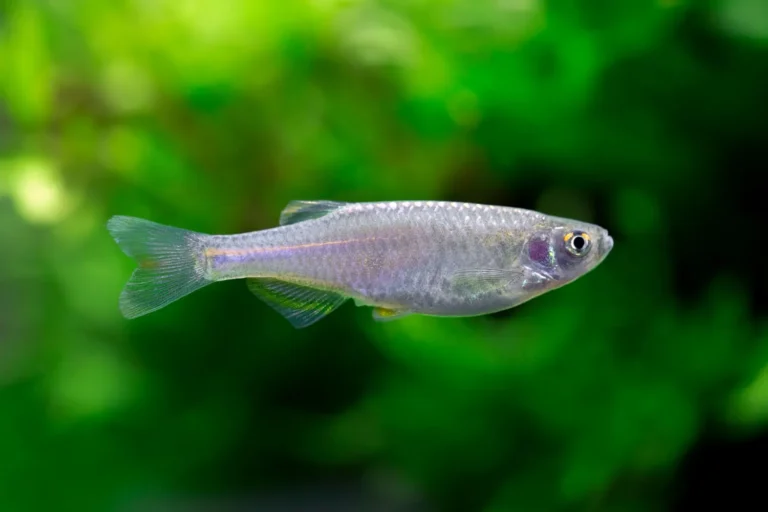
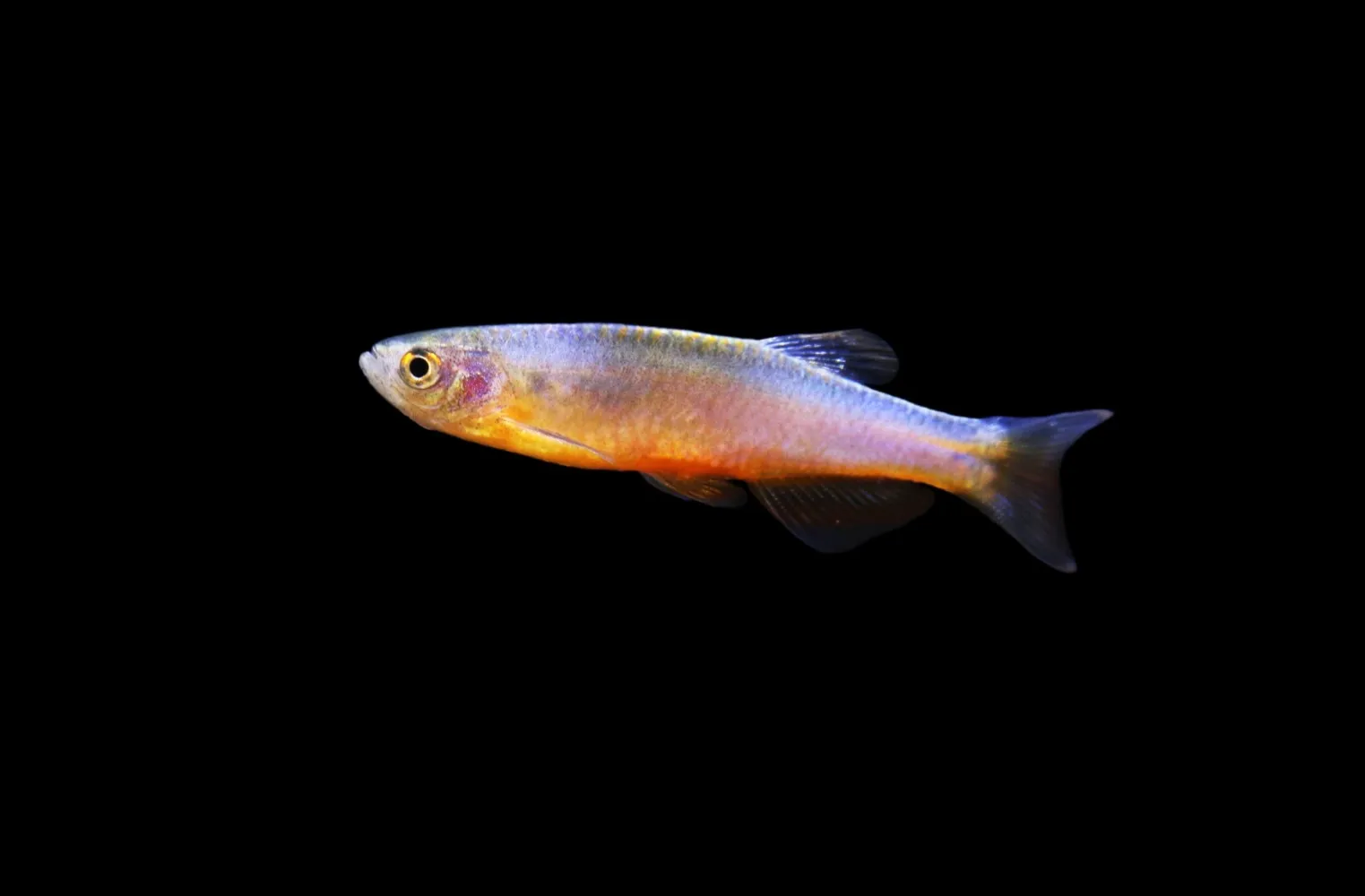
The Pearl danio (Danio albolineatus) is a small, attractive cyprinid known for its pearly iridescent scales and lively schooling behavior. Males are slightly slimmer and may show more intense colors while females are rounder when full of eggs. They are beginner-friendly and thrive in planted, stable tanks with open swimming areas and a calm routine. Care is straightforward but regular water quality and a varied diet keep them at their best.

Quick overview
Pearl danio, albino pearl danio, long-finned pearl danio
Peaceful, social, schooling
40 liters (10 gallons) for a group
Ideal aquarium setup
Pearl danios do best in a planted aquarium with plenty of midwater swimming space and stable water conditions that mimic their clear, slow-moving Asian streams. Slightly soft to moderately hard water and a stable temperature help reduce stress and bring out color. A mix of shaded areas from floating plants and open lanes helps them school naturally and feel secure.
A group of six or more needs at least 40–80 liters (10–20 gallons); larger tanks are better for bigger schools of 8–12 to encourage natural schooling behavior.
Moderate lighting is ideal; they do well under standard planted-tank light and will use shaded zones or floating plants when light is bright. Very intense light can make them seek cover, while dimmer light encourages natural coloration and calmer behavior.
Fine-leaved plants, mosses, and floating species suit pearl danios since they provide spawning sites and soft cover, while taller background plants create natural lanes for swimming. Carpeting plants work if you leave open midwater space for the school.
Moderate flow is preferred to mimic gentle currents and keep them active without stressing weaker swimmers.
Smooth sand or fine gravel suits their natural environment and helps plant growth while reducing the risk of injury.
Use driftwood, smooth rocks, and leaf litter to create shaded corners and visual interest, while keeping plenty of open swimming lanes; spawning mops or fine-leaved plants provide egg-laying sites.
Behavior and temperament
Pearl danios are active, social schooling fish that feel safest in groups and display their best colors when kept together. They are generally peaceful and get along with other nonaggressive community fish but can be skittish with sudden disruptions. Males may chase one another briefly during courtship, but there is no real aggression. They react quickly to poor water quality so stability and gentle maintenance are important.
Diet and feeding
Pearl danios are omnivores with small mouths and appreciate a varied diet of high-quality flake, micro pellets, and regular live or frozen protein feeds to stay vibrant. Feed small portions that they can consume quickly and include occasional vegetable matter for balance.
What they eat in nature
Small crustaceans, insect larvae, zooplankton, and plant detritus.
What to feed in the aquarium
- High-quality flake food formulated for small tropicals.
- Frozen or live daphnia, bloodworms, and brine shrimp.
- Micro pellets and finely crushed vegetable flakes.
Feeding schedule
Feed small amounts once or twice daily, only what the school consumes in about two minutes.
Special dietary needs
No strict needs, but regular small live or frozen foods improve coloration and condition.
Daily:
Offer a small portion of flakes or micro pellets once or twice daily so they finish within a couple of minutes.
Weekly:
Include one or two protein-rich feedings per week such as frozen bloodworms or brine shrimp to boost breeding condition and color.
Always:
Provide a varied diet and occasional vegetable matter to support overall health and prevent nutritional deficiencies.
Tankmate compatibility
They pair well with other peaceful, small community fish that occupy similar water parameters and won’t nip fins or outcompete them for food. Avoid large or aggressive species that could stress or eat pearl danios. Keep tankmates similar in size and temperament for a harmonious community.
Yes with caution - adult shrimp usually coexist fine but very small shrimp or young juveniles may be eaten, so provide plenty of hiding spots for shrimp to reproduce successfully.
Most freshwater snails are good tankmates and can help with algae control without disturbing peaceful danios.
Suitable companions include small tetras, rasboras, and Corydoras catfish because they share similar water needs and peaceful temperaments.
Avoid larger, aggressive cichlids, large barbs, or fin-nipping species that may harass the school or injure individuals.
Keep pearl danios in schools of at least six, and preferably eight to twelve, so they display natural schooling behavior and feel secure.
Breeding
Pearl danios are relatively straightforward to breed in the home aquarium and are egg scatterers that deposit eggs among plants or spawning mops. Spawning often occurs in the morning after a drop in temperature or a water change; adults do not guard eggs and should be removed after spawning. Raising fry requires stable water and suitably tiny foods until they are large enough for crushed flake.
Difficulty
Easy for hobbyists who can maintain clean water and provide small live or frozen foods for fry, though removing adults promptly is important to protect eggs.
How they breed
Egg scatterers that release eggs among plants or spawning mops and do not guard their young.
Best setup for breeding
Use a shallow breeding tank with fine-leaved plants or spawning mops, gentle filtration, softer slightly acidic water, and dim lighting to encourage spawning; a mesh or marbles layer can protect eggs from adults. A slight temperature rise to about 24–26°C can stimulate spawning.
Feeding the babies
Start fry on infusoria or commercial liquid fry foods for a few days, then introduce newly hatched baby brine shrimp and microworms as they grow; transition to finely crushed flake or micro pellets as the fry reach several weeks old.
Pro tips
Keep them in a proper school to reduce stress and encourage natural behavior.
Provide floating plants to create shade and encourage calmer, more natural schooling.
Perform frequent small water changes rather than rare large ones to maintain stability.
Ich outbreaks
Pearl danios can pick up ich in tanks with poor quarantine or fluctuating temperatures; raise temperature slightly and treat with an appropriate ich medication while maintaining good water quality.
Fin nipping stress
Stress from aggressive tankmates or cramped conditions can lead to torn fins and shy behavior; increase school size, remove bullies, and ensure ample swimming space to reduce aggression.
Poor coloration
Dull color often signals diet or water quality issues; improve diet variety with live or frozen foods and check parameters to restore vibrant pearly sheen.
Typical beginner mistakes
- Keeping them singly or in too-small groups.
- Large, aggressive tankmates causing chronic stress.
- Neglecting regular small water changes and stability.
Short summary
The pearl danio is a hardy, peaceful schooling fish ideal for planted community tanks and beginner aquascapers looking for active midwater color. Keep them in groups, offer varied food, and provide a planted setup with stable water to enjoy their best behavior and appearance.
Frequently asked questions (FAQs)
How many pearl danios should I keep together?
Keep at least six, ideally eight to twelve, so they can form a secure, natural school and show natural behavior.
What temperature do pearl danios prefer?
They do well between 22–26°C (72–79°F) with stable conditions preferred over rapid changes.
Can pearl danios live with shrimp?
Yes with caution; adults usually coexist but may eat very small shrimp or babies so provide hiding places for shrimp reproduction.
Are pearl danios suitable for planted tanks?
Yes, they thrive in planted tanks with open swimming areas and appreciate floating plants and fine-leaved species for cover and spawning.
How do I encourage spawning?
A small temperature change, clean water, and abundant fine-leaved plants or spawning mops often trigger spawning behavior in the morning.
What should I feed pearl danio fry?
Start with infusoria or commercial liquid fry food, then move to baby brine shrimp and microworms before transitioning to crushed flake.