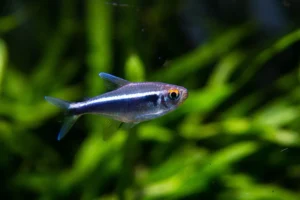
At a glance
Peaceful
Schooling
Bottom dweller
Hardy
Description
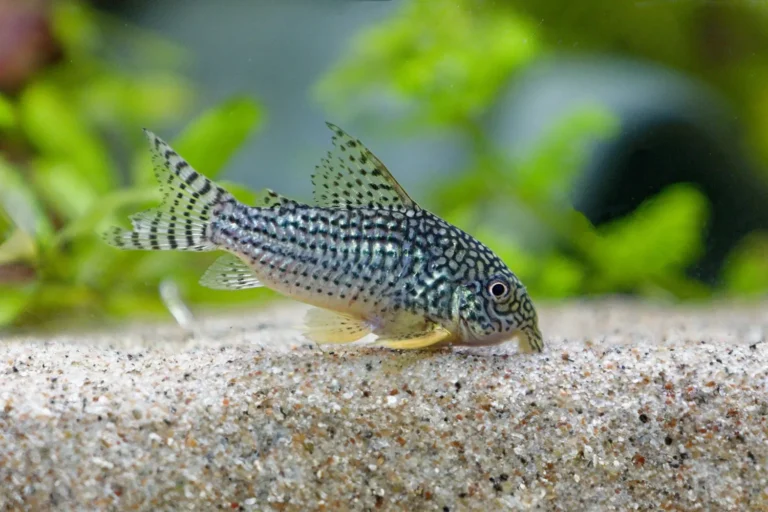
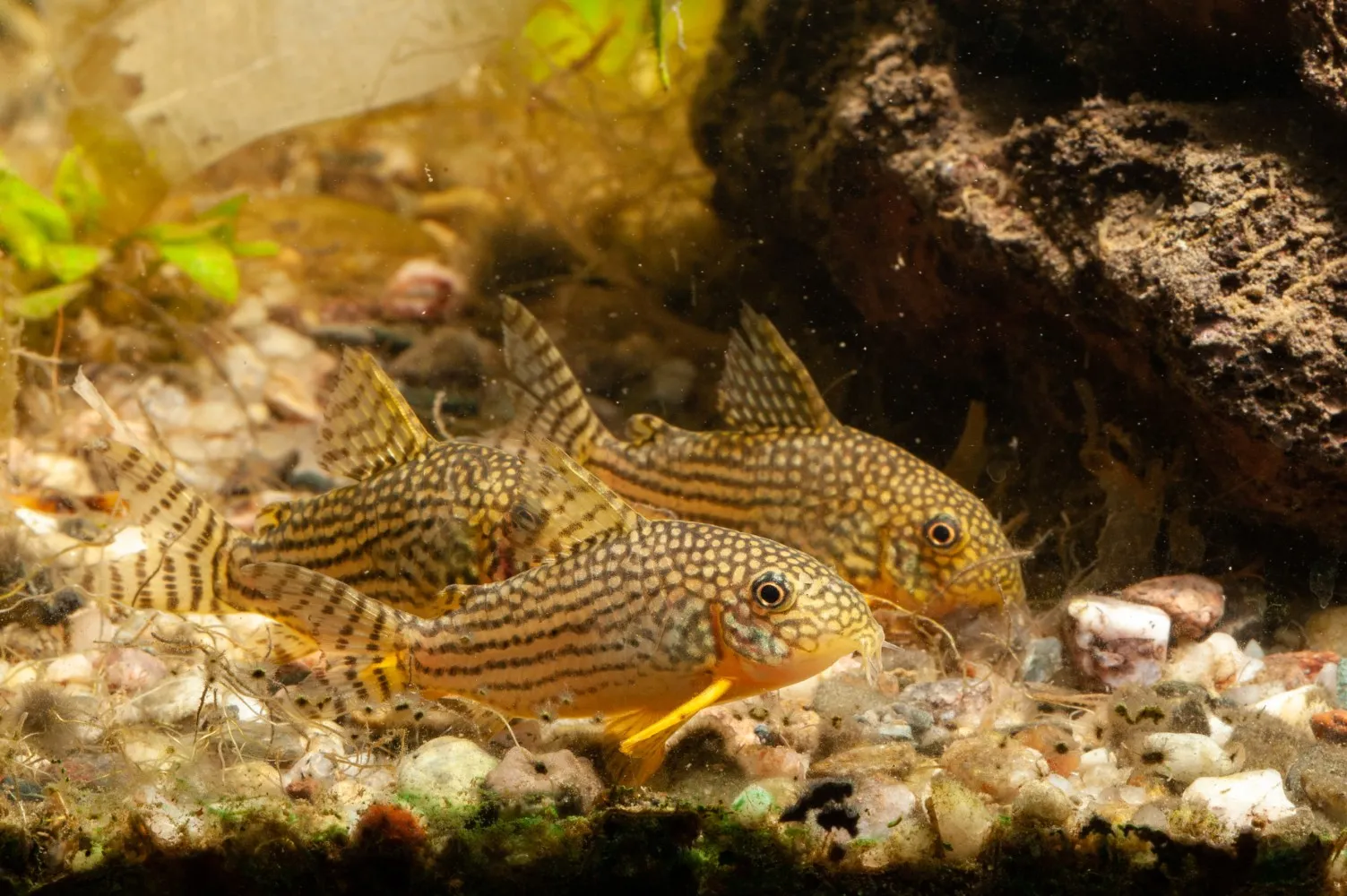
Corydoras Sterbai (Corydoras sterbai) is a compact, attractively patterned armored catfish with a distinctive spotted head and banded body. It is a social, gentle species that spends its time sifting the substrate for food and resting among plants and driftwood. Care is straightforward for aquascapers who provide stable water, a soft substrate and a calm, planted layout. Their curious, schooling nature makes them a rewarding addition to planted aquaria.

Quick overview
Sterba's cory, Sterbai cory, dwarf armored catfish
Peaceful, social, bottom-dwelling
60 liters (15 gallons) for a group
Ideal aquarium setup
Corydoras sterbai do best in a planted, stable aquarium that mimics slow-moving South American streams with shaded areas and clean water. Provide a calm environment with regular maintenance and soft, fine substrate to keep their barbels healthy. Good filtration and stable water parameters are more important than bright light.
A 60–100 liter (15–25 gallon) tank is ideal for a small group of 6–8 Sterbai, giving them room to forage and establish comfort. Larger aquariums make their schooling behavior more visible and reduce stress.
Low to moderate lighting suits Sterbai well; bright light makes them prefer shaded spots while subdued light encourages natural foraging. Floating plants or shaded areas help them feel secure under stronger lights.
Rosette plants, stem plants and floating cover work well; broad-leaved plants and Java fern provide resting spots. Plants help maintain water quality and give hiding places that reduce stress and encourage natural behavior.
Low to moderate flow to mimic slow streams and prevent strong currents that stress them.
Fine sand or very smooth rounded gravel to protect sensitive barbels and allow natural sifting behavior.
Use driftwood, smooth rocks and leaf litter to create shaded foraging zones and tactile surfaces; leave open sandy areas for active searching. Avoid sharp decorations that could damage barbels and body plating.

Behavior and temperament
Sterbai are highly social and should be kept in groups where they form a peaceful, active school that explores the bottom regularly. They are relatively shy around large or aggressive tankmates and become bolder in well-planted tanks with plenty of hiding spots. Sudden changes in water or poor substrate quickly stress them, so stable conditions and gentle maintenance are important. They are daytime foragers with short bursts of activity followed by resting periods.
Diet and feeding
These corydoras are opportunistic bottom feeders with small mouths and a steady appetite, so sinking foods that are small and soft work best. Offer a varied diet of quality sinking pellets, frozen or live protein foods and occasional vegetable matter to keep them healthy and colorful.
What they eat in nature
Insect larvae, small crustaceans, biofilm, detritus
What to feed in the aquarium
- Sinking micro pellets or wafers.
- Frozen/live bloodworms and daphnia.
- Blanched vegetables and algae wafers.
Feeding schedule
Feed small portions once or twice daily, offering only what they can consume in a few minutes to avoid fouling the substrate.
Special dietary needs
No strict needs, but regular small live or frozen foods and occasional vegetable matter improve condition and coloration.
Daily:
Offer a small portion of sinking pellets or granules once or twice daily to meet their baseline needs.
Weekly:
Supplement with live or frozen foods like bloodworms or daphnia two to three times per week for protein and enrichment.
Always:
Always provide small sinking foods suited to their mouth size and avoid large hard pellets that can be difficult to eat.
Tankmate compatibility
They pair well with other peaceful community fish that occupy different water levels and are similar in size, since Sterbai are nonaggressive and easily outcompeted by boisterous feeders. Avoid large, nippy or territorial species that chase them or steal food. Good filtration and calm tankmates help keep stress low and allow natural schooling behavior.
Yes with caution — Adult Sterbai usually ignore large adult shrimp but may snack on baby shrimp, so heavily planted tanks with hiding places are important for shrimp safety.
Generally compatible; Corydoras will not bother most healthy adult snails and both can help manage detritus and algae in the aquarium.
Good tankmates include small tetras, rasboras and peaceful dwarf gouramis that occupy midwater and do not harass the bottom dwellers.
Avoid larger barbs, aggressive cichlids and boisterous loaches that nip fins or outcompete Corydoras for food; these species can stress or injure Sterbai.
Keep Sterbai in groups of at least six to promote natural schooling and reduce stress; larger groups of 8–12 are even better for visible social behavior.
Breeding
Breeding Sterbai is approachable for hobbyists who condition adults with protein-rich foods and maintain excellent water quality with frequent water changes. Spawning often follows a drop in temperature or a fresh water change and active courting involves the typical T-position. Adults place sticky eggs on smooth surfaces and do not guard them, so removing adults or protecting the eggs can improve fry survival.
Difficulty
Moderate — breeding is not highly specialized but requires conditioned adults, clean water and a safe place for eggs since adults may eat eggs in a community tank.
How they breed
Egg scatterer where the female holds eggs between her pelvic fins briefly before attaching them to plants, glass or hard surfaces.
Best setup for breeding
Provide a separate breeding tank with subdued light, fine sand, flat stones or spawning mops and stable parameters around pH 6.5–7.0 and 24–26°C. Gentle filtration and frequent small water changes, plus conditioning with live/frozen foods, encourage spawning.
Feeding the babies
Start fry on green water or infusoria for the first days, then move to newly hatched baby brine shrimp and micro-powder foods as they grow. Gradually transition to finely crushed sinking foods as fry reach a few weeks old.
Pro tips
Use very fine sand to prevent barbel damage and encourage natural foraging.
Keep them in groups to reduce skittishness and bring out natural behavior.
Feed sinking foods and target-feed slower individuals to ensure everyone eats.
Barbel damage
Damaged barbels usually result from coarse substrate or poor water quality; switch to fine sand and improve water maintenance to allow healing.
Stress and hiding
Excessive hiding often comes from aggressive tankmates or bright light; add more cover, reduce aggression and stabilize water to encourage normal activity.
Poor coloration
Dull colors often indicate inadequate diet or water quality; boost varied protein-rich foods and check parameters to restore vibrancy.
Typical beginner mistakes
- Keeping them singly or in too-small groups.
- Using coarse substrate that injures barbels.
- Pairing with aggressive or large tankmates.
Short summary
Corydoras sterbai is a peaceful, social bottom dweller ideal for planted community tanks when kept in groups and given soft substrate and stable water. Their care is straightforward with a varied diet, gentle flow and plenty of hiding spots, making them a rewarding choice for beginner to intermediate aquascapers.
Frequently asked questions (FAQs)
How many Sterbai should I keep together?
Keep at least six Sterbai to allow natural schooling behavior; groups of 8–12 are even better.
What substrate is best for Sterbai?
Fine sand or very smooth rounded gravel is best to protect their sensitive barbels while they forage.
Do Sterbai eat snails or shrimp?
They usually ignore adult snails and shrimp, but may eat very small shrimp, so provide hiding spots for shrimp young.
Are Sterbai good for planted tanks?
Yes, they are excellent for planted aquariums because they are gentle, help stir the substrate and appreciate shaded areas.
How do I encourage spawning in Sterbai?
Condition adults with live and frozen foods, perform cooler water changes and provide flat surfaces for egg attachment to encourage spawning.
What water parameters do Sterbai prefer?
They prefer slightly acidic to neutral pH around 6.0–7.5, soft to moderate hardness and stable temperatures near 24°C.