At a glance
Peaceful
Schooling
Shy male
Colorful
Description
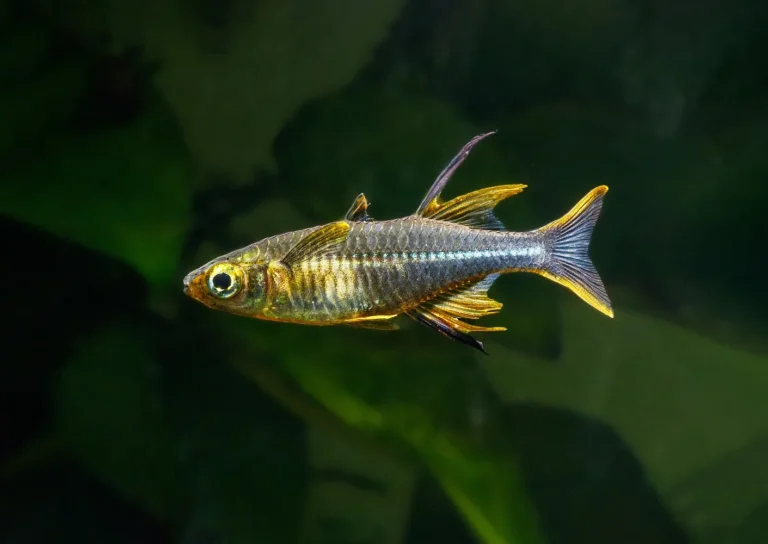
Celebes Rainbowfish (Marosatherina ladigesi) is a small, slender rainbowfish prized for its shimmering blue and red highlights and active midwater swimming. Males show brighter colors and slightly deeper bodies while females remain more subdued. They thrive in planted, stable aquariums with open swimming areas and peaceful tankmates. Care is straightforward for hobbyists who provide consistent water quality and a varied diet.

Quick overview
Celebes rainbowfish, Maros rainbowfish
Peaceful, social, schooling
60 liters (15 gallons) for a group
Ideal aquarium setup
Celebes rainbowfish do best in a planted aquarium with plenty of midwater swimming space and stable water parameters reminiscent of their Sulawesi home streams. Soft to moderately hard water, neutral to slightly acidic pH, and consistent temperature make them comfortable. A gentle filtration system and regular water changes keep colors bright and stress low.
Recommend at least 60 liters (15 gallons) for a small group of 6, larger tanks are better for mixed groups and to reduce male competition.
Moderate lighting is ideal; brighter light will encourage plant growth but very intense light can stress them and reduce color if there is no cover. They appreciate some shaded areas created by floating plants.
Fine-leaved stem plants and floating cover work well because they mimic natural hiding spots and egg-laying sites while also softening light. Robust background plants and open midwater areas let them school and display.
Low to moderate flow to simulate gentle stream conditions while providing good oxygenation.
Fine gravel or sand suits planted setups and natural leaf litter aesthetics while being easy to clean.
Use smooth driftwood, scattered rocks, and leaf litter to create sheltered zones and visual contrast while leaving open swimming lanes for schooling behavior.
Behavior and temperament
Celebes rainbowfish are peaceful schooling fish that feel most secure in groups of six or more and show active midwater movement during the day. Males can display short-lived rivalry during spawning but are not typically aggressive. They are somewhat sensitive to rapid water changes and poor water quality, so stable conditions reduce stress and promote color. Shy individuals will hide among plants until they acclimate.
Diet and feeding
They are omnivores with a preference for small live foods and will readily accept quality flake and micro pellet foods; variety produces the best color and condition. Their stomachs are small so offer several small feedings rather than one large meal.
What they eat in nature
Insects, insect larvae, small crustaceans, zooplankton, algae.
What to feed in the aquarium
- High-quality micro flakes
- Small pellets or granules
- Frozen brine shrimp and daphnia
- Live micro-worms and mosquito larvae
- Occasional blanched vegetables like spinach
Feeding schedule
Feed small portions once or twice daily, only what they can consume within about two minutes.
Special dietary needs
No strict needs, but regular live or frozen protein foods and some vegetable matter improve coloration and overall health.
Daily:
Offer a small portion of flakes or micro pellets once or twice daily to maintain condition and energy.
Weekly:
Include at least two or three feeds per week of frozen or live protein-rich foods like brine shrimp or daphnia to boost color and breeding condition.
Always:
Always provide a varied diet and avoid overfeeding; remove uneaten food promptly to protect water quality.
Tankmate compatibility
They suit peaceful community tanks with small tetras, rasboras, danios, and dwarf corydoras that share similar water needs; avoid large or aggressive species. Because they are midwater swimmers, pairing them with bottom dwellers or small surface dwellers works well and reduces territorial overlap. Avoid fin-nippers and large predatory fish that may harass or eat them.
Yes with caution — adult shrimp usually coexist fine but tiny shrimp or baby shrimp may be eaten by hungry fish or during spawning frenzies.
Generally compatible with most peaceful snails; snails help clean algae and uneaten food without disturbing the fish.
Good companions include small peaceful tetras, rasboras, and dwarf corydoras that share similar water parameters and will not nip fins.
Avoid larger semi-aggressive species such as large barbs, cichlids, or aggressive bettas because they can bully or injure rainbowfish and stress the group.
Keep in groups of at least six to allow natural schooling and reduce stress; more females than males or a ratio of one male to two females helps limit male harassment.
Breeding
Breeding Celebes rainbowfish is straightforward for hobbyists who provide dense fine-leaved plants or spawning mops where eggs can adhere. They scatter eggs among plants and do not guard the brood, so separating adults or using a breeding trap helps protect eggs. Slightly softer water and a bit cooler temperature can encourage spawning activity.
Difficulty
Easy to medium; they spawn readily in home aquaria but protecting eggs and fry requires either a separate breeding tank or heavy plant cover because adults may eat eggs.
How they breed
Egg scatterer that deposits adhesive eggs among fine-leaved plants and surfaces.
Best setup for breeding
Use a small breeding tank with dense fine-leaved plants or spawning mops, gentle filtration such as a sponge filter, dim lighting, and slightly softer, neutral pH water. Provide frequent small live food to condition the spawning pair or group.
Feeding the babies
Start fry on infusoria or commercial liquid fry foods for the first days, then transition to newly hatched baby brine shrimp and micro-worms as they grow. Gradually move to finely crushed flakes and micro pellets as fry develop.
Pro tips
Maintain excellent water quality with regular partial water changes to keep colors vibrant.
Use floating plants to create shaded zones that reduce stress and encourage natural behavior.
Keep groups of six or more to reduce shyness and let males display naturally without constant confrontation.
Stress from shipping
Long transport and sudden water parameter changes can cause stress; acclimate slowly with drip acclimation and provide quiet hiding places until fish recover.
Faded color
Dull color usually signals poor diet or water quality; improve feed variety with live/frozen foods and check water parameters and lighting.
Fin nipping
Nipping often comes from incompatible tankmates or overcrowding; remove aggressors and ensure ample swimming space and hiding spots.
Typical beginner mistakes
- Keeping too small a group which causes stress and shyness.
- Rapid water changes or unstable parameters upsetting sensitive fish.
- Overfeeding leading to poor water quality and disease.
Short summary
Celebes rainbowfish are peaceful, colorful midwater swimmers ideal for planted community aquariums with stable water and a varied diet. They are suitable for beginner to intermediate aquascapers who provide groups, moderate lighting, and good water quality.
Frequently asked questions (FAQs)
Are they good for planted tanks?
Yes, they thrive in planted tanks that provide cover and open swimming areas while enhancing their colors.
How many should I keep together?
Keep at least six individuals to promote natural schooling and reduce stress, larger groups are better.
Adults may eat very small or baby shrimp, so keep larger shrimp or accept some losses with tiny juveniles.
What temperature do they prefer?
They do well between about 22–26°C (72–79°F) with stable temperatures preferred.
Are they difficult to breed?
Not especially difficult; they are egg scatterers that spawn in dense plants but protecting eggs and fry is necessary for good survival.
What tankmates should I avoid?
Avoid large, aggressive cichlids, fin-nippers, and predatory species that can harass or eat rainbowfish.