At a glance
Peaceful
Bottom dweller
Algae eater
Current lover
Description
The Hillstream Loach is a flattened, streamlined freshwater fish valued for its unique suction-like fins and rock-clinging behaviour. Native to fast-flowing streams, the species Sewellia lineolata has a mottled brown pattern that helps it blend with stones. These loaches prefer cool, well-oxygenated water and do best in aquariums with strong flow, lots of smooth rock surfaces and steady water quality. They are peaceful but somewhat shy and are happiest in small groups where they can graze on biofilm.

Quick overview
Hillstream loach, Sewellia loach
60 liters (15 gallons) for a group
Ideal aquarium setup
Hillstream loaches do best in a planted, rocky aquarium that mimics fast mountain streams with strong filtration and high oxygenation. Provide many flat stones and smooth rocks for grazing, open areas for resting, and stable water parameters with cool temperatures. Regular water flow and good surface agitation are more important than heavy planting.
Keep a small group of 3–6 loaches in at least 60 liters (15 gallons); larger groups need correspondingly more space and flow. They are social and show more natural behaviour when kept together.
Low to moderate lighting is ideal because bright light can stress shy individuals but encourages algae growth for grazing. Provide shaded areas with plants or rock overhangs so loaches can retreat from direct light.
Attach mosses, Anubias, and Java fern to rocks and driftwood so they survive strong currents and provide grazing surfaces. Floating plants help soften light and create sheltered areas that reduce stress.
High flow and strong oxygenation to replicate stream conditions and keep biofilm healthy.
Use smooth pebbles, gravel or sand with plenty of flat rock slabs to mimic their natural riverbed habitat.
Create a hardscape of flat stones and slate arranged to form terraces and crevices for grazing and hiding. Include driftwood and leaf litter for microfauna, but keep open, fast-flowing lanes for swimming.

Behavior and temperament
Hillstream loaches are active grazers that cling to rocks and move around the tank in search of biofilm. They are peaceful and mostly non-confrontational but can be shy until accustomed to a tank. Territorial displays can occur between males on the same rock, so provide multiple grazing spots to reduce conflict. They are sensitive to poor water quality and low oxygen.
Diet and feeding
These loaches are natural grazers with small stomachs that feed continuously on algae and biofilm, so they benefit from frequent small feedings and grazing opportunities. Offer a varied diet that includes algae wafers, sinking pellets, and occasional frozen or live foods to meet protein needs and encourage good condition.
What they eat in nature
Algae, biofilm, diatoms, insect larvae, microcrustaceans
What to feed in the aquarium
- Algae wafers and spirulina tablets.
- Sinking pellets and tablets formulated for bottom feeders.
- Supplemental frozen foods like bloodworms or daphnia.
Feeding schedule
Feed small amounts 1–2 times daily, offering only what they can graze or consume within a few minutes.
Special dietary needs
No strict needs, but regular vegetable matter and algae-based foods improve digestion, coloration and overall health.
Daily:
Offer a small portion of algae wafers or sinking food once or twice daily so they can graze throughout the day.
Weekly:
Include 1–2 richer protein feedings per week such as frozen bloodworms, daphnia or finely chopped mussel to supplement their diet.
Always:
Always provide plenty of hard surfaces and stable biofilm; maintain good water oxygenation and avoid overfeeding.
Tankmate compatibility
Hillstream loaches pair well with other peaceful, cool-water species that enjoy similar flow and oxygen requirements. Avoid large or aggressive fish that will outcompete them for space or harass them on rocks. Choose tankmates that are similar in size and temperament to keep stress low.
Yes with caution: Adult shrimp usually coexist fine but very small shrimp or newborns can be disturbed or eaten during feeding; provide lots of hiding spots.
Generally compatible; snails and loaches both graze biofilm and usually coexist peacefully while offering different benefits to tank cleaning.
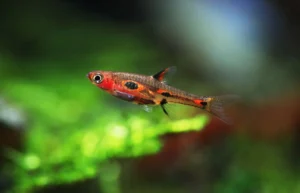
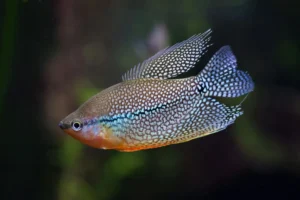
Small rasboras, peaceful danios and some tetras can make good companions if the tank is cool and well oxygenated, and they do not harass the loaches.
Avoid larger barbs, cichlids or fast nippy species that chase or pick at loaches; such tankmates stress loaches and disrupt grazing behaviour.
Keep in groups of at least three to encourage natural behaviour and reduce aggression; males may still spar over favorite rocks so provide multiple territories.
Breeding
Breeding hillstream loaches in home aquariums is uncommon and can be challenging; captive breeding has been achieved but needs specific conditions. They lay adhesive eggs on flat rocks in strong current and may guard small areas briefly, but fry are delicate and require microfauna to survive.
Difficulty
Breeding is difficult because eggs and fry need very high oxygenation, stable cool temperatures, and abundant biofilm or live microfoods for the fry to feed on. Many hobbyists need specialized setups or breeder racks to succeed.
How they breed
Egg scatterer that deposits adhesive eggs on rock surfaces in fast-flowing water.
Best setup for breeding
Use a separate cooler, high-flow breeding tank with many flat stones, strong aeration, and slightly cooler temperatures; simulate seasonal changes with water changes to encourage spawning. Provide abundant microfauna or inoculated biofilm for the emerging fry.
Feeding the babies
Fry start by grazing on biofilm and microfauna; begin with infusoria or green water and finely powdered commercial fry foods. Transition to freshly hatched baby brine shrimp and finely crushed sinking foods as they grow.
Pro tips
Provide multiple flat rocks to prevent territorial disputes over grazing sites.
Keep water cool and well oxygenated with good surface agitation and strong filtration.
Encourage natural biofilm by limiting aggressive algae scrubbing and adding leaf litter or driftwood.
Poor water quality
Hillstream loaches are sensitive to ammonia and nitrite spikes; regular water changes and stable filtration keep them healthy.
Lack of algae
If the tank has too little biofilm or algae they may refuse dry food; provide algae wafers and allow some controlled algae growth or add blanched vegetables.
High temperatures
Temperatures above their comfort range cause stress and reduced appetite; cool the tank, increase aeration and provide shaded areas.
Typical beginner mistakes
- Keeping them in too-small solitary setups without flow.
- Overcleaning rocks and removing all biofilm.
- Pairing with aggressive or very large tankmates.
Short summary
Hillstream loaches are intriguing, algae-grazing bottom dwellers that thrive in cool, high-flow aquariums with lots of flat rock surfaces. They are peaceful and best kept in small groups with good water quality, varied diet and stable conditions.
Frequently asked questions (FAQs)
Are hillstream loaches good for beginners?
They are suitable for beginners comfortable with cool, well-oxygenated tanks and steady water quality, but require more attention than typical community fish.
How many hillstream loaches should I keep?
Keep at least three to five individuals so they display natural behaviour and reduce territorial stress.
What temperature do they prefer?
They prefer cool water around 18–22°C (64–72°F) depending on species, with strong oxygenation.
No, they do not usually eat healthy plants but may graze on soft algae-covered leaves or biofilm.
Can they live with shrimp and snails?
Yes, adult shrimp and most snails coexist well, but protect tiny shrimp juveniles with hiding places.
How do I encourage breeding?
Simulate rainy-season conditions with cooler, oxygen-rich water, strong flow, and plenty of flat rocks, and ensure abundant microfauna for fry.