
Table of contents
At a glance
Stem plant
High light
Moderate growth
Background
Description
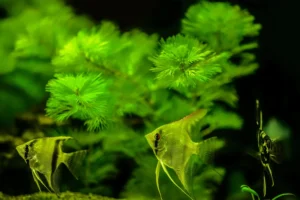
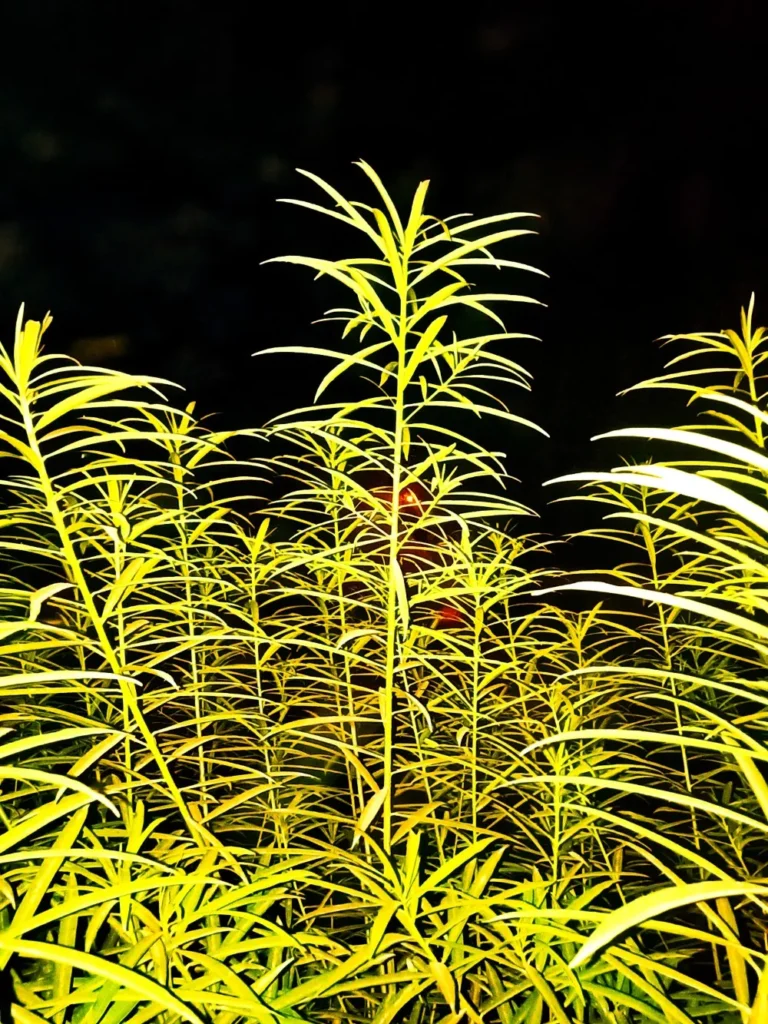
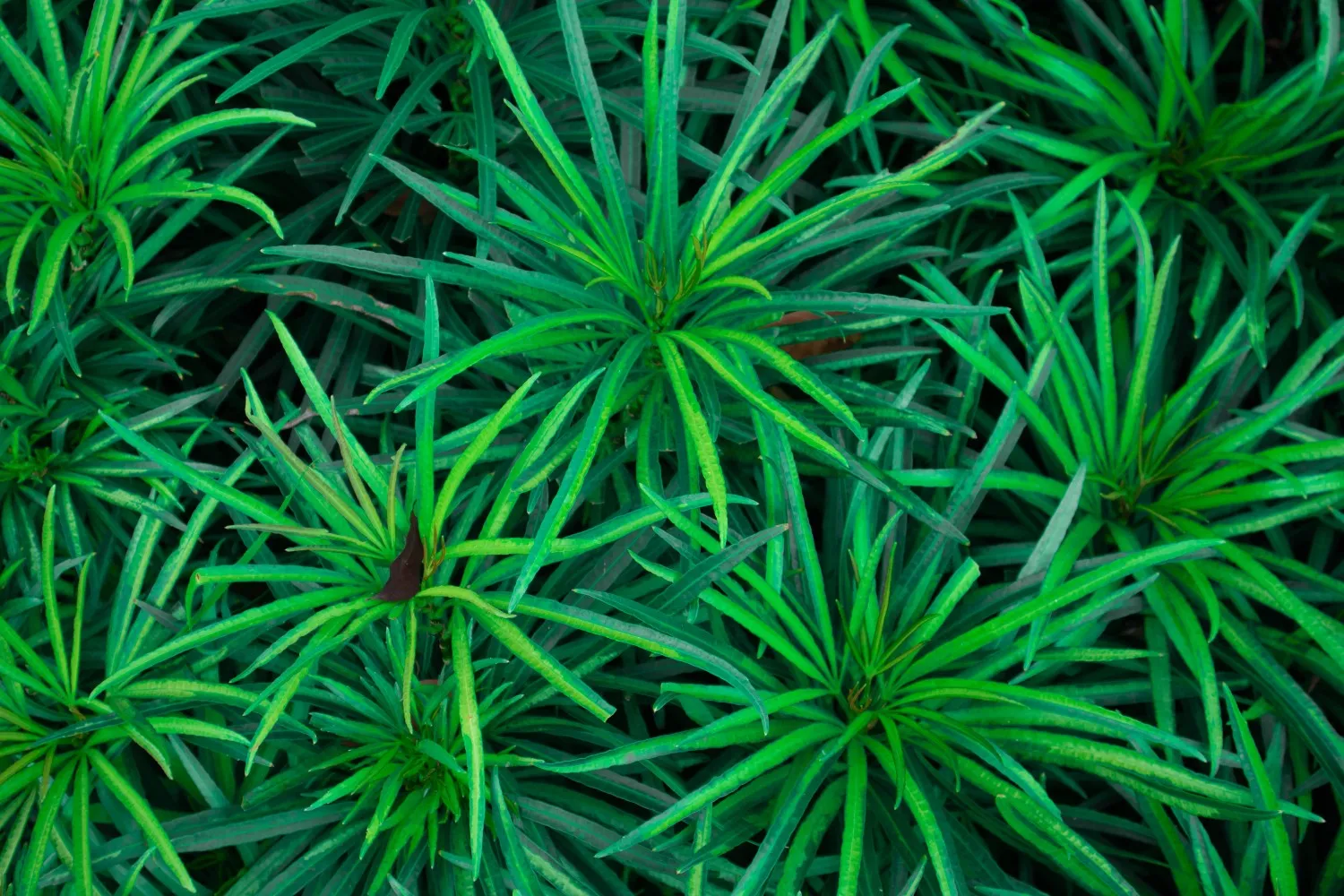
Pogostemon stellatus is commonly called starry pogostemon and is prized for its feathery, variable leaf forms and striking colors under bright conditions. It grows upright stems with whorled leaves that can range from green to red or purple depending on light and nutrients. This plant performs best with strong lighting, nutrient-rich substrate and supplemental CO₂ for compact growth and vivid coloration. Regular trimming keeps it bushy and suitable as a background or taller midground specimen.
Quick overview
Starry pogostemon, Star pogostemon, Stellatus pogostemon
Pogostemon stellatus
Lamiaceae
Stem plant
Moderate
Background
Freshwater
20–28 °C
Leaves ~5–25 mm, height ~10–40 cm
High
Recommended
Medium to advanced
Ideal use in aquascaping
Pogostemon stellatus creates vertical texture and a colorful backdrop that contrasts well with softer foreground plants. Use it to add height, movement and a focal point behind hardscape elements.
Place in the background or taller midground to form a textured screen or to frame rockwork and wood, where its upward growth and color shifts can be showcased.
Works well in nature andDutch-influenced layouts that emphasize dense planting and height, and in high-contrast biotope-style aquascapes where vivid color is desired.
Fine to medium textured leaves add delicate feathery movement and can show green, bronze, red or purple tones under strong light for striking contrast.
Performs in medium to large tanks where tall stems have room to develop, though it can be kept in smaller aquariums with frequent trimming.
Light and CO₂
Light requirement
High. Strong bright light encourages compact internodes and the best color expression while low light causes leggy growth and faded hues.
CO₂ requirement
CO₂ is recommended for dense growth and vivid coloration, though it will survive slower without CO₂ in very bright, nutrient-rich setups.
Photoperiod
8–10 hours daily. A consistent schedule helps maintain healthy growth and reduces algae pressure.
Substrate and nutrients
Prefers a nutrient-rich substrate supplemented by regular dosing of macro and micronutrients. Root tabs and liquid fertilizers together support both root uptake and column fertilization for robust stems and colorful leaves.
Substrate preference
A fine-grained, mineral-rich planted substrate works best to anchor stems and supply roots with nutrients, but high-quality inert substrates with root tabs are acceptable.
Nutrient needs
Moderate to high amounts of nitrogen, potassium and trace elements are beneficial, and iron boosts red and purple pigmentation under strong light.
- Use root tabs near stem bases monthly for steady root nutrition
- Dose a comprehensive liquid fertilizer weekly to supply macros and micros
- Supplement iron if leaves remain pale or fail to redden
Planting and propagation
Plant as single stems or small bunches and trim tops to encourage branching; it propagates easily from cuttings which root quickly in substrate or even when floated temporarily.
How to plant
- Trim long stems into 3–6 cm sections
- Plant stems a few centimeters apart in the substrate
- Press gently to anchor and start flow toward leaves
Propagation method
Propagate by cutting healthy stem tips and replanting them into the substrate; side shoots will also root once buried and trimmed tops will branch.
- Take cuttings from top growth for rapid rooting
- Plant cuttings immediately to avoid desiccation
- Provide CO₂ and bright light to speed establishment
Pruning and maintenance
Regular trimming maintains a bushy, compact habit and prevents legginess as light levels fall deeper in the tank. Remove older lower leaves and replant trimmed tips to thicken the stand.
Trimming style
Cut stems back to just above a node to promote branching and replace trimmed tips as new plants for denser coverage.
Maintenance frequency
Every 1–3 weeks depending on growth speed; fast growth under ideal conditions will need more frequent shaping. Frequent light trimming encourages compact, leafy growth.
What healthy growth looks like
Healthy plants have short internodes, dense whorls of leaves and vivid color under bright light with new shoots forming from nodes. Roots should be white and abundant at the base.
Signs it needs attention
Leggy stems, pale or transparent leaves, and slow growth indicate low light, nutrient deficiency or lack of CO₂. Yellowing or melting lower leaves usually means poor root nutrition or sudden water changes.
Tankmates and compatibility
Generally compatible with small peaceful community fish and invertebrates that do not graze heavily on plants. Avoid species that nip fins or uproot plants in planted layouts.
Good with
Most small peaceful fish, shrimp, snails, and similar community species.
Use caution with
Avoid fish that dig or uproot plants, such as cichlids, large loaches, and goldfish.
Special notes
Color intensity often requires a combination of high light, CO₂ and iron supplementation. Floating plants can shade it quickly so manage surface cover if you want strong coloration.
Pro tips for this plant
Trim tops regularly and replant cuttings to create dense stands quickly.
Combine root tabs with regular liquid dosing for best growth and color.
Increase iron if leaves refuse to develop red or purple tones under good light.
Leggy stems
Leggy growth is usually caused by insufficient light or long internodes from weak CO₂ and can be corrected by increasing light, adding CO₂ and trimming back stems to promote branching.
Faded color
Pale or washed-out leaves often indicate low light or lack of nutrients like iron, and improving lighting and adjusting fertilization typically restores coloration.
Lower leaf loss
Dropping lower leaves is normal as the plant grows but excessive loss suggests poor root nutrition, water quality swings, or inadequate substrate and should be addressed by stabilizing conditions and adding root fertilizer.
Typical beginner mistakes
- Underestimating light needs and keeping the plant in dim conditions
- Not providing CO₂ or sufficient fertilization under strong light
- Allowing heavy surface cover that shades the plant
Short summary
Pogostemon stellatus is a dramatic stem plant prized for its feathery leaves and color variation under strong light and good nutrition. It rewards aquascapers with dense, colorful growth when given high light, CO₂ and steady fertilization.
Frequently asked questions (FAQs)
Is Pogostemon stellatus difficult to grow?
Is Pogostemon stellatus difficult to grow?
It is moderately challenging; success is easier with strong light and CO₂ but careful beginners can grow it with attention to nutrients.
Can it tolerate low light?
Can it tolerate low light?
It will survive in low light but becomes leggy, loses color and looks sparse without sufficient illumination.
How do I propagate it?
How do I propagate it?
Propagate by cutting healthy stem tips and replanting them; trimmed tops root quickly and form new shoots.
Does it need root tabs?
Does it need root tabs?
Root tabs are recommended to supply localized nutrients and support strong root and stem growth, especially in inert substrates.
How tall does it get in aquariums?
How tall does it get in aquariums?
It commonly reaches 20–40 cm in height depending on conditions and trimming practices.
Is it shrimp safe?
Is it shrimp safe?
Yes, it is safe with shrimp and often provides excellent grazing and hiding areas for invertebrates.

Mette Tulin
Mette Tulin is the creator of Aquascapedia, with more than 15 years of hands-on experience in aquascaping, planted aquariums, and freshwater fish, shrimp, crayfish, and snails. She shares practical insights, curated aquatic life profiles, and inspiration to help others build thriving underwater landscapes.