
Table of contents
At a glance
Fine leaves
Background plant
High light
Fast growth
Description
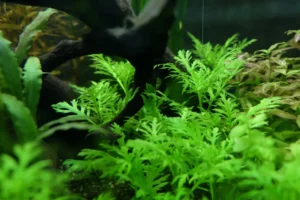
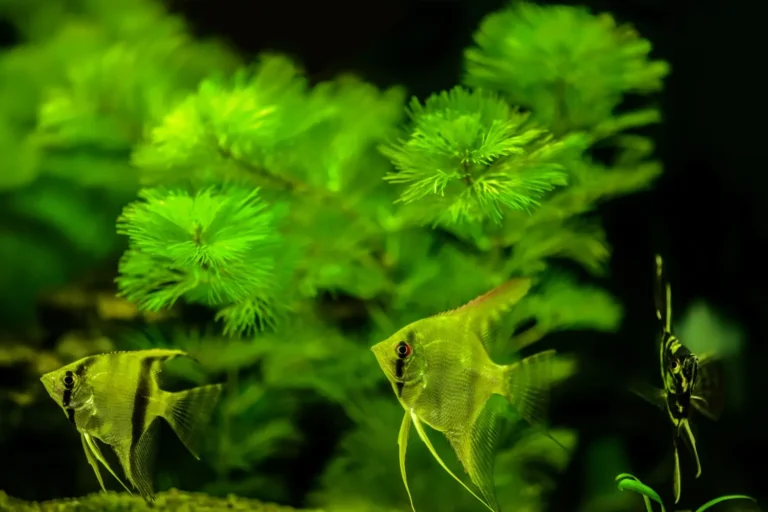
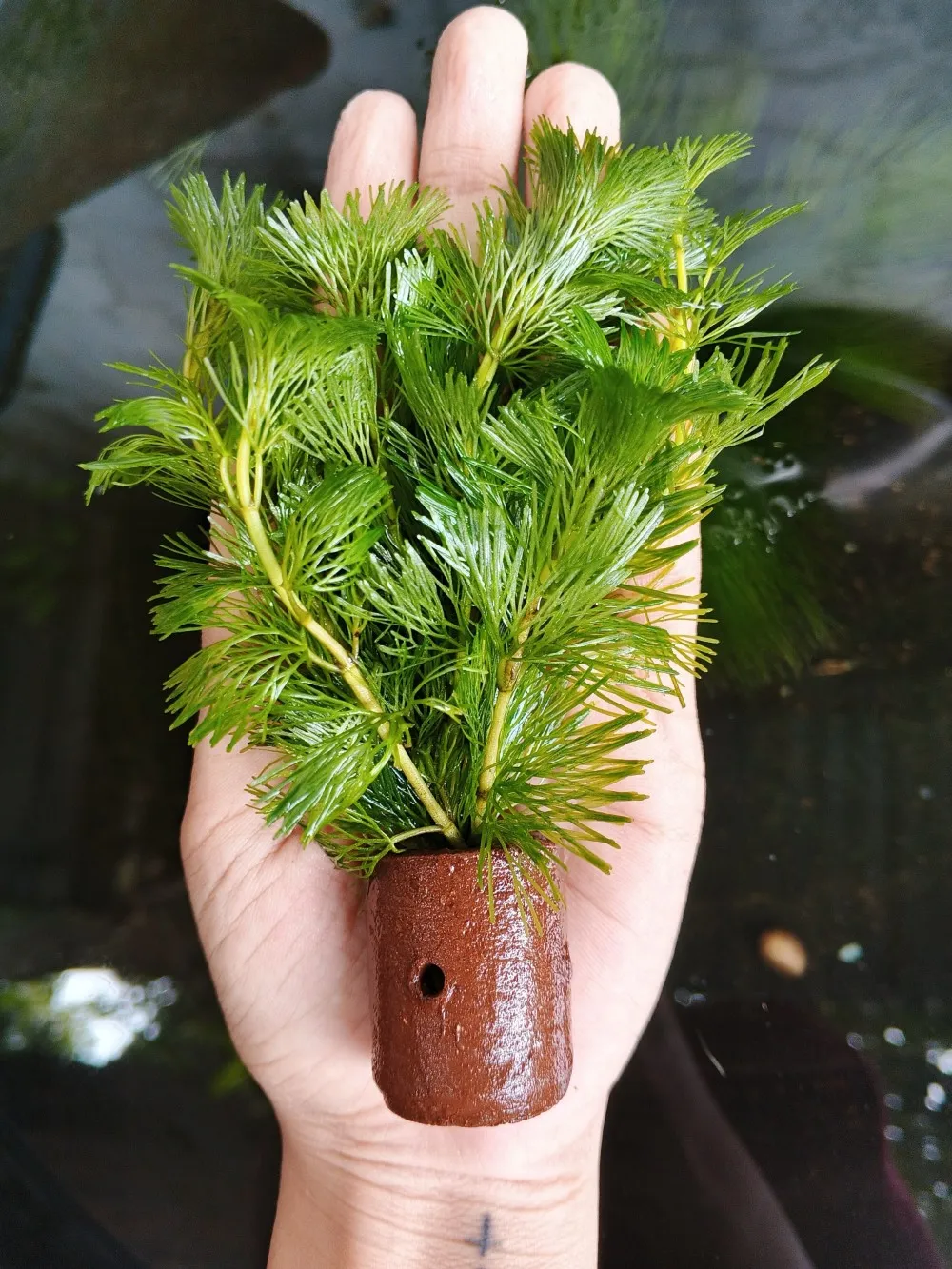
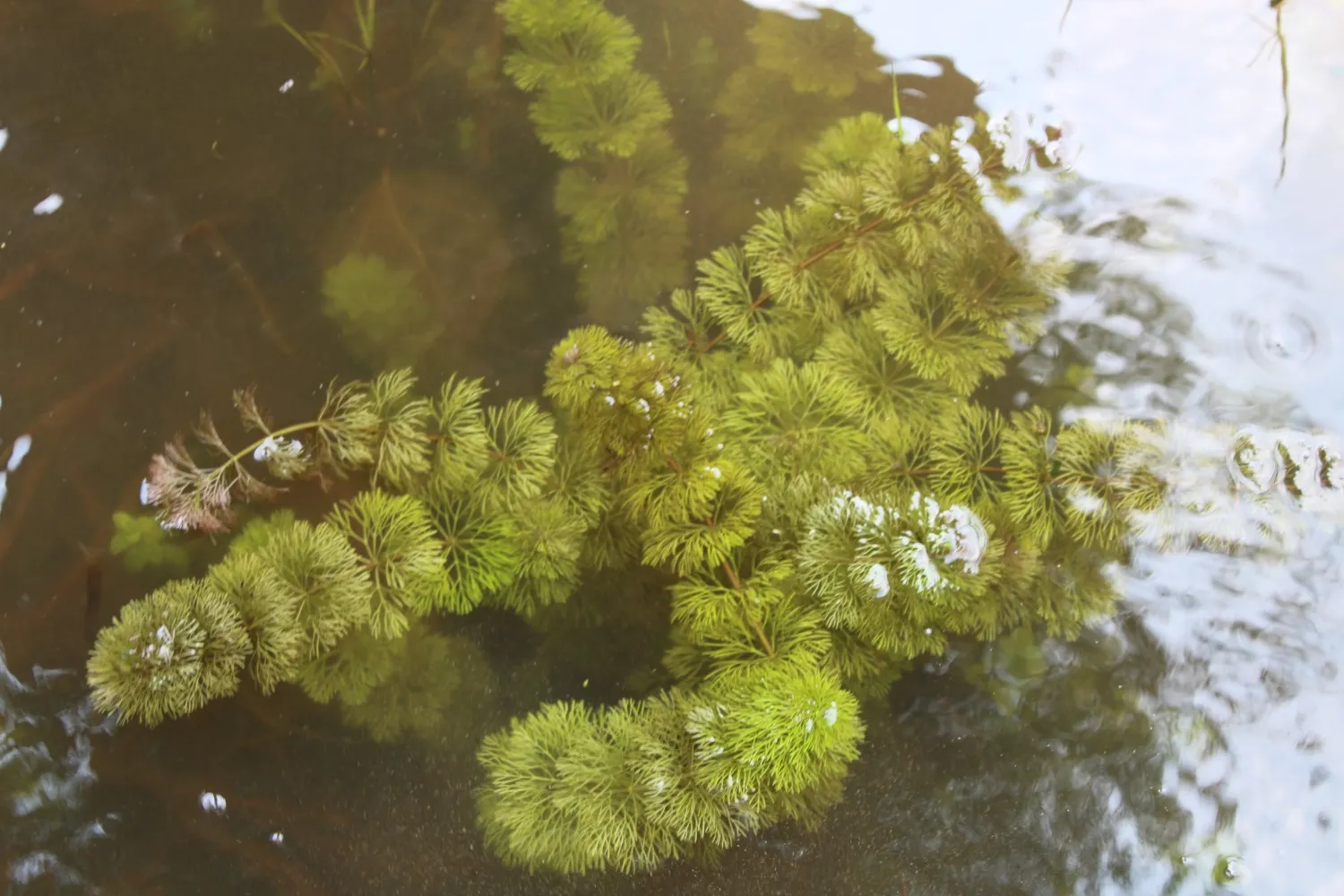
Fanwort (Cabomba caroliniana) is a feathery stem plant prized for dense, fan-like leaf whorls and fast vertical growth. It forms bushy, layered stems that add depth to the background and provide hiding places for small fish and shrimp. Care is straightforward with stable water, regular trimming, and moderate to high light with good nutrients. In good conditions it responds quickly to fertilization and CO₂ by producing compact healthy growth.
Quick overview
Cabomba, Fanwort, Carolina fanwort
Cabomba caroliniana
Cabombaceae
Stem plant
Fast
Background
Freshwater
20–26 °C
Leaves ~5–15 mm, stems ~20–60 cm
Medium–high
Recommended
Medium to advanced
Ideal use in aquascaping
Cabomba is excellent for filling background space with fine texture and vertical structure, creating depth and contrast behind midground plants. Its feathery leaves soften hardscape lines and provide natural cover for fry and shrimp.
Plant in the background in groups or staggered rows to create a layered backdrop; it performs well as a tall filler and as a transition between hardscape and shorter plants.
Works well in natural, Dutch, and jungle-style aquascapes where its fine texture contrasts with broader-leaved species and hardscape.
Leaves are typically bright to medium green and create a delicate, airy texture that breaks up solid masses of rock or wood. Dense plantings create a soft background that enhances foreground detail.
Cabomba scales to most tank sizes but needs height for full effect; in small tanks keep trimmed to prevent overcrowding, while larger tanks allow taller, bushier stands.
Light and CO₂
Light requirement
High. This plant does best with strong light to maintain compact branches and rich color; under low light it will elongate and lose density.
CO₂ requirement
CO₂ is recommended for compact healthy growth and faster propagation but it can survive without CO₂ at reduced vigor.
Photoperiod
8–10 hours daily. A consistent schedule helps avoid algae and supports steady growth.
Substrate and nutrients
Cabomba takes most nutrients through the stems and leaves but benefits from a nutrient-rich substrate and regular liquid fertilization. Root tabs help if you use an inert gravel or sand substrate to supply slower-release nutrients.
Substrate preference
A fine to medium grain substrate with root tab supplements is ideal but the plant will root in sand or gravel if surface nutrients and water column dosing are provided. It does not require an active soil to thrive.
Nutrient needs
Moderate to high macro and micro nutrients are important and consistent dosing supports dense growth; iron helps keep the leaves a healthy green and prevent yellowing.
- Use regular liquid dosing of macros and micros weekly
- Place root tabs near established stems if substrate is inert
- Supplement with iron if yellowing appears
Planting and propagation
Plant as single stems or small bunches; stems root from lower nodes but are more commonly propagated by cuttings. Regular trimming both shapes the plant and provides material to replant as new stems.
How to plant
- Snip healthy stems into 5–10 cm sections
- Plant each cutting a few centimeters into the substrate
- Trim top growth to encourage branching
Propagation method
Propagation is primarily by stem cuttings; new roots form at lower nodes when buried slightly and cuttings will develop into full stems under good light and nutrients.
- Use clean scissors to cut below a node
- Plant cuttings promptly to avoid decay
- Keep water flow gentle around new cuttings
Pruning and maintenance
Regular trimming keeps Cabomba compact and prevents it from overshadowing other plants; pinch or cut tops to encourage lateral branching. Remove older lower growth periodically to maintain water flow and prevent decay.
Trimming style
Trim tops back frequently to create bushy regrowth and harvest cut stems for propagation or removal to thin dense areas.
Maintenance frequency
Every 1–3 weeks depending on light and nutrients; faster growth under high light will need more frequent trimming. Monitor tank balance and remove trimmings promptly to avoid decomposition.
What healthy growth looks like
Healthy plants show bright green, evenly spaced fan-like whorls with compact internodes and vigorous vertical shoots. New growth is dense and the plant retains a full appearance to the base.
Signs it needs attention
Leggy elongated stems, pale or yellowing leaves, and loss of lower foliage indicate inadequate light, nutrients, or poor water quality. Excess algae growth on leaves or slowed growth suggests imbalanced fertilization or lighting.
Tankmates and compatibility
Cabomba is generally compatible with most peaceful community aquaria and provides shelter for small species, but it is vulnerable to heavy grazing. It is not suited to tanks with large herbivores that will eat or uproot it.
Good with
Most small peaceful fish, shrimp, snails, and similar community species thrive with Cabomba in the background and benefit from the cover it provides.
Use caution with
Avoid housing Cabomba with large plant-eating fish, digging species, or aggressive herbivores that will uproot or consume the stems.
Special notes
Remove excess trimmings quickly to prevent ammonia spikes from decay. Start new cuttings in a low-flow area until roots establish to reduce the chance of dislodging.
Pro tips for this plant
Trim regularly to keep internodes short and maintain a dense appearance.
Use gentle water flow to prevent stems from collapsing and to deliver nutrients to leaves.
Combine liquid dosing with occasional root tabs for the best overall nutrition.
Leggy growth
Leggy stems usually mean insufficient light or low nutrients; increase light or adjust fertilization and prune back to encourage compact branching.
Yellowing leaves
Yellow leaves can indicate nutrient deficiency, often iron or nitrogen; test water, dose appropriate fertilizers, and consider root tabs for substrate-poor tanks.
Algae buildup
Algae on leaves appears with excess light or imbalanced nutrients; reduce photoperiod, stabilise dosing, and maintain regular water changes to control it.
Typical beginner mistakes
- Planting too densely without enough light causing lower leaves to die
- Neglecting trimming and letting stems overrun the tank
- Relying only on substrate and not dosing the water column for a stem feeder
Short summary
Cabomba caroliniana is a feathery background stem plant that adds fine texture and shelter in community tanks. It grows quickly under medium to high light with regular nutrients and trimming, and is best propagated by stem cuttings.
Frequently asked questions (FAQs)
Is Cabomba easy to grow?
Is Cabomba easy to grow?
It is moderately easy but prefers stable conditions, good light, and regular fertilization to avoid legginess.
How do I propagate Cabomba?
How do I propagate Cabomba?
Propagation is by stem cuttings planted into the substrate or floated until roots form; cut below a node for best results.
Does Cabomba need CO₂ injection?
Does Cabomba need CO₂ injection?
CO₂ is recommended for compact growth and faster propagation but the plant can survive without it at reduced vigor.
How often should I trim it?
How often should I trim it?
Trim every 1–3 weeks depending on growth rate to keep stems tidy and encourage branching.
Will fish eat Cabomba?
Will fish eat Cabomba?
Some herbivorous and large fish will nibble or uproot it so avoid housing it with known plant eaters.
What light level is best?
What light level is best?
Medium to high light produces the best density and color while low light causes stretching and sparse growth.

Mette Tulin
Mette Tulin is the creator of Aquascapedia, with more than 15 years of hands-on experience in aquascaping, planted aquariums, and freshwater fish, shrimp, crayfish, and snails. She shares practical insights, curated aquatic life profiles, and inspiration to help others build thriving underwater landscapes.