At a glance
Carpet plant
High light
Fine texture
Slow growth
Description
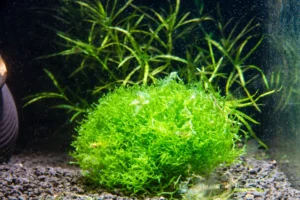
Tonina belem (Tonina fluviatilis) is a small rosette aquarium plant that forms tight low mats of narrow grassy leaves. It has a compact habit and creates a delicate foreground carpet under strong lighting. This plant prefers soft acidic water, steady nutrients and benefits strongly from CO₂ to stay dense and compact.
Quick overview
Tonina belem, Tonina, Tonina 'Belem', Tonina carpet
Leaves ~0.5–2 cm, rosette height ~1–4 cm
Ideal use in aquascaping
Tonina belem is used as a refined foreground carpet where a very fine texture is desired. Its small rosettes add a natural soft edge in high-contrast layouts and work well to lead the eye to midground focal points.
Plant in the aquarium foreground to create a delicate low carpet and to frame rocks or wood. Use it to add a subtle grassy texture rather than broad green coverage.
Good styles for this plant
Best suited to high-tech nature and iwagumi style aquascapes where strong light and CO₂ are available. It can also appear in botanical layouts as a delicate foreground mass.
Leaves are typically bright to deep green and offer a fine, grassy texture that contrasts well with larger-leaved plants and hardscape. It brings a neat, understated look that emphasizes structure.
Scales well in medium to large tanks where it can be given space to form continuous carpets, and it also fits small tanks as a precise foreground accent. In very large tanks frequent propagation is needed to fill open areas.
Light and CO₂
High. Strong lighting keeps the rosettes compact and prevents stretching, while lower light leads to sparse and leggy growth.
CO₂ is strongly recommended for dense carpets and fast recovery after trimming.
8–10 hours daily. A consistent schedule helps minimize algae and supports steady growth.
Substrate and nutrients
Tonina prefers a nutrient-rich substrate with available iron and micros to maintain deep green leaves. It benefits from root tabs and regular liquid dosing for macros and micros if substrate fertility is low.
Substrate preference
A fine-grain aquarium soil or sand over enriched substrate works best to anchor the rosettes and provide root nutrients. Avoid very coarse gravel that prevents close planting.
Nutrient needs
Requires a steady supply of iron and trace elements and moderate nitrogen and phosphorus to avoid slow, pale growth. Root fertilization is particularly useful since the plant feeds from both roots and water column.
- Place root tabs near established rosettes every 6–8 weeks
- Dose liquid iron weekly if leaves show yellowing
- Maintain stable macros with routine water column dosing to avoid deficiencies
Planting and propagation
Plant small rosettes close together to encourage lateral spread and minimize algae traps. Propagation is mainly by dividing and replanting daughter rosettes that form at the edges of mature clumps.
How to plant
- Separate healthy rosettes into small groups
- Plant each group a few millimeters apart in fine substrate
- Press gently to secure roots and avoid burying the crown
Propagation method
Propagates by division of daughter rosettes and by careful separation of the outer plantlets. Healthy clumps will produce offsets that can be replanted once they have a few leaves.
- Select dense healthy rosettes for division
- Handle roots gently to avoid damage
- Acclimate new plugs under slightly reduced light for a few days
Pruning and maintenance
Routine maintenance involves removing older brown leaves and dividing crowded clumps to keep the carpet even. Regular trimming of surrounding plants helps maintain light levels on the carpet.
Trimming style
Pinch or snip out older outer leaves and remove individual rosettes to encourage even lateral spread.
Maintenance frequency
Every 2–8 weeks depending on growth and tank conditions, divide and replant offsets to prevent bunching. Monitor and clean debris frequently to reduce algae growth.
Growth and health indicators
What healthy growth looks like
Healthy Tonina presents tight compact rosettes with uniformly green narrow leaves and minimal spacing between plants. A continuous carpet with small new offsets shows active healthy growth.
Signs it needs attention
Stretching, yellowing leaves, or sparse coverage indicate low light, CO₂ deficiency, or nutrient problems and should prompt adjustments. Excess algae on leaves suggests excess light relative to nutrient or CO₂ balance.
Tankmates and compatibility
Generally compatible with peaceful community species and small grazing invertebrates, but avoid large diggers and heavy plant eaters. Keep water conditions stable to suit both plants and animals.
Most small peaceful fish, shrimp, and snails are compatible with this plant.
Avoid fish that dig or uproot plants such as cichlids, large loaches, and goldfish.
Tonina is sensitive to sudden changes so introduce it to a stable, cycled aquarium and be patient as it establishes. Shrimp can help keep leaf surfaces clean and promote a healthy carpet.
Pro tips for this plant
Plant plugs close together to reduce algae-prone bare substrate patches.
Use root tabs to feed the carpet rather than relying only on water column dosing.
Raise CO₂ and light gradually after planting to avoid shock and algae spikes.
Melting
Newly planted rosettes may melt if roots are disturbed or water parameters change; replant healthy tissue and keep conditions stable to recover.
Slow growth
Slow expansion often results from low light, absent CO₂, or nutrient-poor substrate; increase light and CO₂ and add root fertilizer to stimulate growth.
Algae cover
Algae can settle on small leaves when CO₂, light, and nutrients are out of balance; trim affected leaves, adjust dosing, and improve water flow to reduce algae.
Typical beginner mistakes
- Planting too sparsely leading to algae-prone bare spots
- Insufficient CO₂ or light for compact growth
- Neglecting root fertilization causing pale leaves
Short summary
Tonina belem is a fine-textured rosette carpet plant that rewards aquascapers with a delicate foreground when given strong light, CO₂, and root nutrients. It is slow and demanding but creates a refined low carpet in high-tech layouts.
Frequently asked questions (FAQs)
It is considered advanced because it needs strong light, CO₂, and stable nutrients for a dense carpet.
It will survive with no CO₂ but becomes leggy and sparse; CO₂ is recommended for good results.
How do I plant Tonina plugs?
Separate small healthy rosettes and plant them a few millimeters apart in fine substrate, pressing gently to secure roots.
How often should I fertilize the substrate?
Use root tabs every 6–8 weeks and maintain regular water column dosing for macros and micros.
Most shrimp will not eat healthy Tonina and can help keep leaf surfaces clean.
What causes slow spread of the carpet?
Common causes are low light, insufficient CO₂, and poor substrate nutrition, so adjust those factors to encourage spread.