At a glance
Background plant
Tall leaves
Fast growth
Beginner friendly
Description
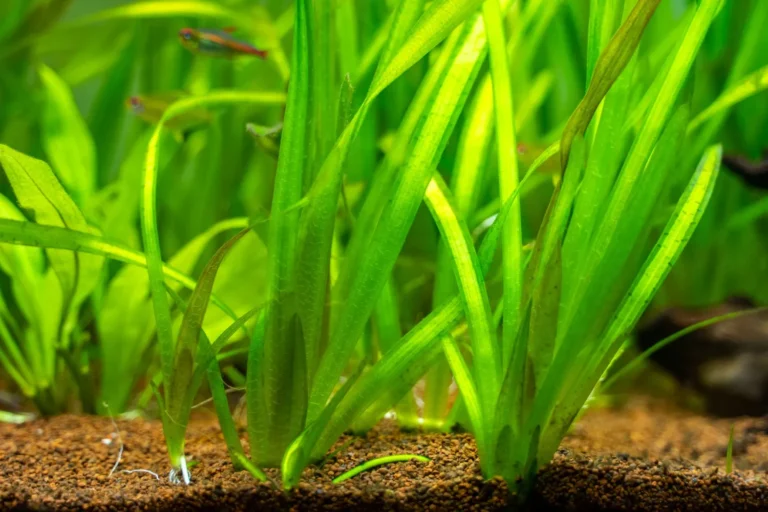
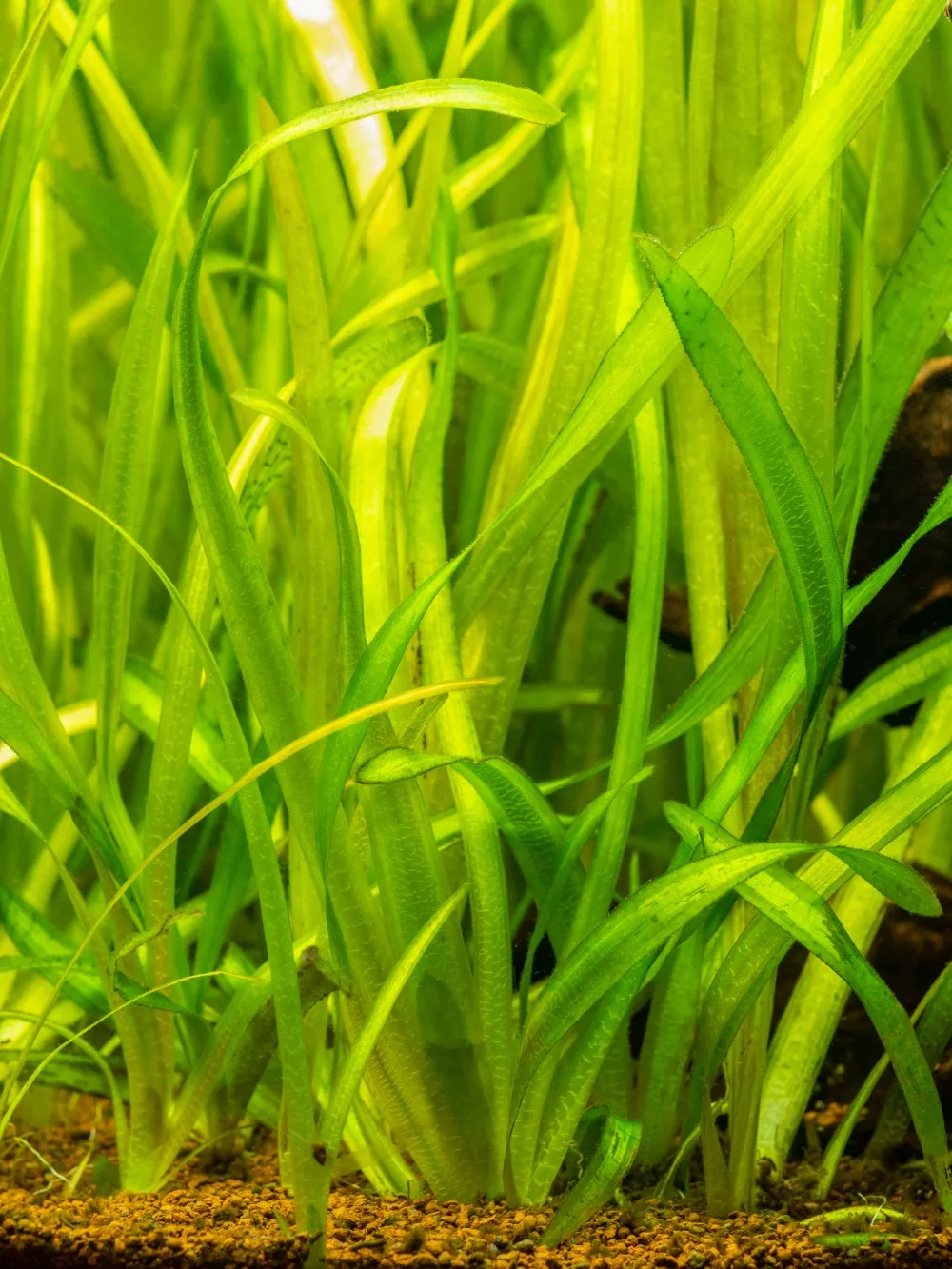
Giant vallisneria (Vallisneria americana 'Gigantea') is a tall ribbon-leafed aquatic plant that forms dramatic background stands in freshwater aquariums. It features long, broad leaves that move with flow and spread quickly by runners to fill open areas. Care is straightforward and forgiving, tolerating a wide range of water parameters while responding well to good light and nutrients. Its bold vertical texture makes it an easy choice for natural and jungle-style layouts.
Quick overview
Giant vallisneria, American eelgrass, Tape grass
Vallisneria americana 'Gigantea'
Leaves ~5–30 mm, height ~30–120 cm
Ideal use in aquascaping
Use this plant to create tall background screens, add vertical structure, and provide hiding places for fish. Its runner habit makes it useful for quickly filling empty areas and creating a natural backdrop.
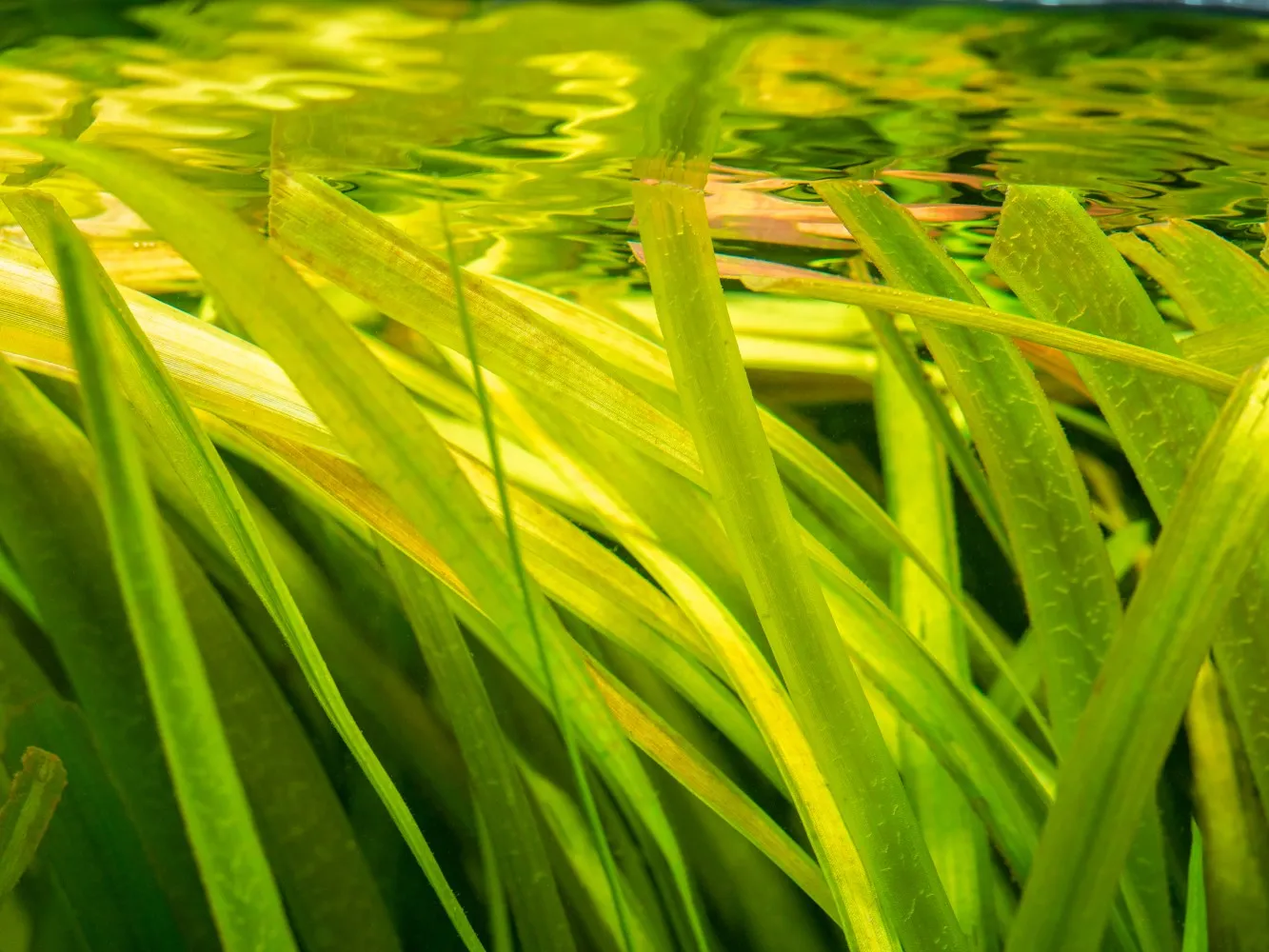
Place in the background where its long leaves can reach the surface and form a backdrop; use it to frame the hardscape and add height. It also works well along the rear and sides of the tank to hide equipment.
Good styles for this plant
Works well in nature, jungle, Amazon biotope, and planted community aquariums where tall, flowing foliage is desired. It is less common in tightly trimmed Dutch or high-tech carpet layouts.
Bright to medium green broad ribbons provide a smooth, flowing texture that contrasts with fine-leaved foreground plants. Movement of the leaves adds a dynamic, natural look.
Best in medium to large tanks where leaves have room to grow tall without overwhelming the scene. In smaller tanks it can dominate quickly and will need regular thinning.
Light and CO₂
Medium–high. Under moderate to strong light the leaves remain broad and vigorous while low light produces thinner, slower growth.
CO₂ is optional and not required for basic success but will boost growth rate and runner production in higher light setups.
8–10 hours daily. A consistent schedule helps prevent algae and supports steady growth.
Substrate and nutrients
Giant vallisneria benefits from a nutrient-rich substrate because it is a strong root feeder. Regular root tab placement and occasional water column fertilization will keep leaves healthy and green.
Substrate preference
Fine gravel or aquarium soil works best because roots can anchor and spread easily; avoid very coarse substrates that impede runner establishment. A layer of nutrient-rich substrate under a finer cap is ideal.
Nutrient needs
This plant needs good root-accessible macronutrients and iron to avoid yellowing leaves, while regular potassium and nitrate levels in the water column help sustained growth. Use root tabs for long-term root nutrition and supplement with liquid fertilizers as needed.
- Place root tabs near crowns every 6–12 weeks for steady root nutrients
- Supplement with regular liquid fertilization if leaves show yellowing or slow growth
- Maintain balanced nitrate and potassium to prevent deficiencies
Planting and propagation
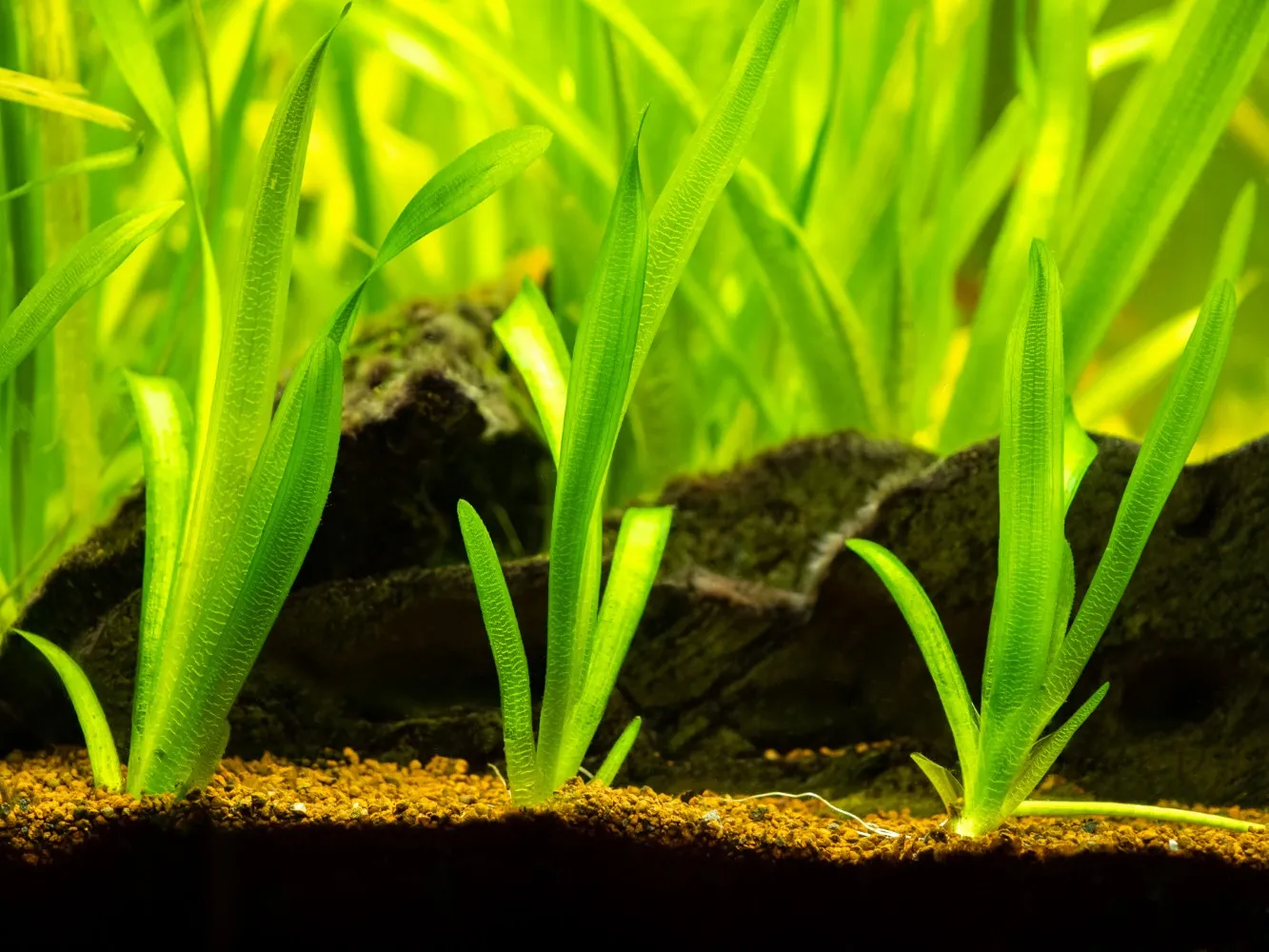
Plant individual crowns and give space for runners to spread; do not bury the crown. Propagation occurs naturally via runners that produce daughter plantlets which can be separated and replanted.
How to plant
- Dig a small hole in the substrate
- Set the crown at substrate level without burying it
- Press substrate gently around roots
Propagation method
Propagation is primarily by runners that form daughter plantlets; detach these plantlets when roots are developed and replant to start new clumps. You can also thin mature clumps by trimming and replanting sections.
- Allow runners to form several leaves before cutting them free
- Replant daughters in groups for faster establishment
- Thin crowded stands to encourage new runner production
Pruning and maintenance
Remove yellow or damaged leaves at the base to keep the stand tidy and reduce decaying material. Thin out or remove excess runners to control spread and prevent shading of other plants.
Trimming style
Trim by cutting older leaves at the base and remove excess runners or daughter plants to manage density.
Maintenance frequency
Every 2–8 weeks depending on growth rate and tank size; fast growth needs more frequent thinning. Regular observation after trimming helps avoid sudden overgrowth.
Growth and health indicators
What healthy growth looks like
Healthy plants show long, upright green ribbons and steady production of runners with small daughter crowns. New leaves should be full and free of holes or yellowing.
Signs it needs attention
Yellowing, translucent leaves or holes usually indicate nutrient deficiencies or low iron, while excessive algae on blades suggests imbalanced light or nutrients.
Tankmates and compatibility
Generally tolerant of most community aquarium species but avoid bottom dwellers that dig aggressively. It provides cover for shy species and spawning sites for some fish.
Most small peaceful fish, shrimp, snails, and similar community species.
Avoid fish that dig or uproot plants, such as cichlids, large loaches, and goldfish.
This cultivar can quickly cover the rear of the tank and shade slower plants, so plan runner control. Regular thinning prevents it from becoming invasive in mixed plantings.
Pro tips for this plant
Trim runners selectively to shape the background without removing all new growth.
Use root tabs near crowns rather than burying the crown to avoid rot.
Plant in groups to create a fuller background more quickly than single crowns.
Algae on leaves
Thin or patchy algae growth on broad leaves is usually from excess light or imbalanced nutrients; reduce light or adjust fertilization and clean leaves gently.
Nutrient deficiency
Yellowing or translucent leaves often point to iron or macronutrient shortages; add root tabs and balanced liquid fertilizers to correct deficiencies.
Overcrowding
Dense runner mats can shade other plants and reduce flow around the substrate so periodically remove or replant runners to restore balance.
Typical beginner mistakes
- Burying the plant crown too deep causing rot
- Allowing unchecked runners to overtake the tank
- Neglecting root nutrition leading to yellow leaves
Short summary
Vallisneria americana 'Gigantea' is a hardy, tall background runner ideal for adding vertical structure and movement. It is easy to grow with moderate light, a nutrient-rich substrate, and occasional thinning to control spread.
Frequently asked questions (FAQs)
How fast does gigantea grow?
Growth is rapid under good light and nutrients, with runners producing daughters within weeks to months depending on conditions.
Can it survive without CO₂?
Yes, it tolerates low-tech setups without CO₂ but will grow faster and denser with supplemental CO₂.
How deep should I plant the crown?
Plant the crown at substrate level and do not bury it; only cover roots with substrate to avoid crown rot.
No, this variety grows tall and spreads by runners to form background stands rather than a foreground carpet.
How do I control its spread?
Trim or remove runners regularly and replant daughters elsewhere to keep the original area clear and prevent overcrowding.
Is it suitable for small tanks?
It can be kept in small tanks but will need more frequent trimming and may dominate the layout if not managed.