At a glance
Peaceful
Schooling
Small size
Colorful males
Description
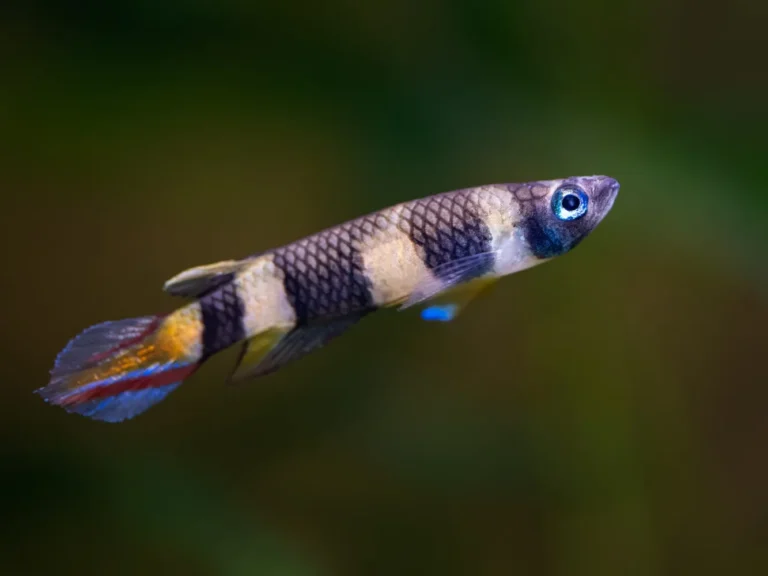
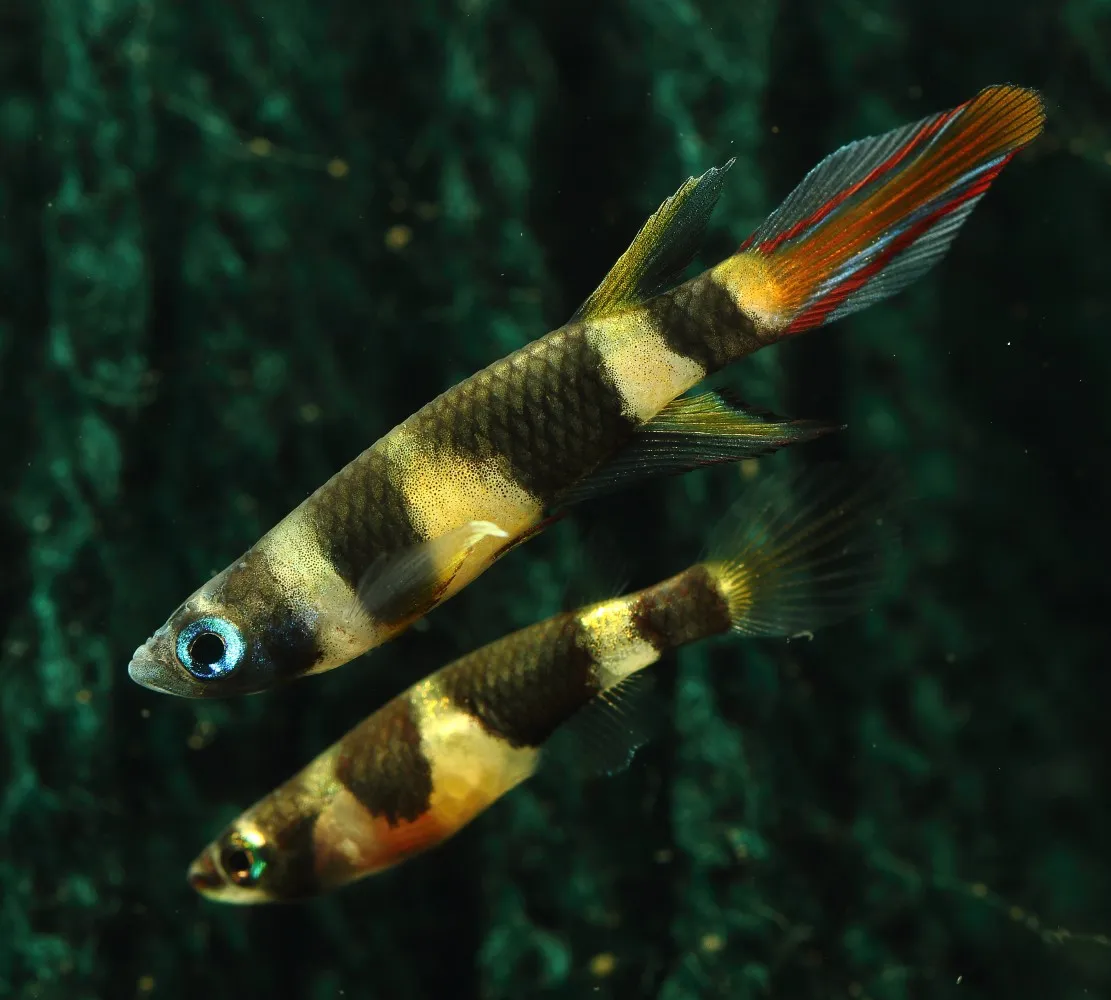
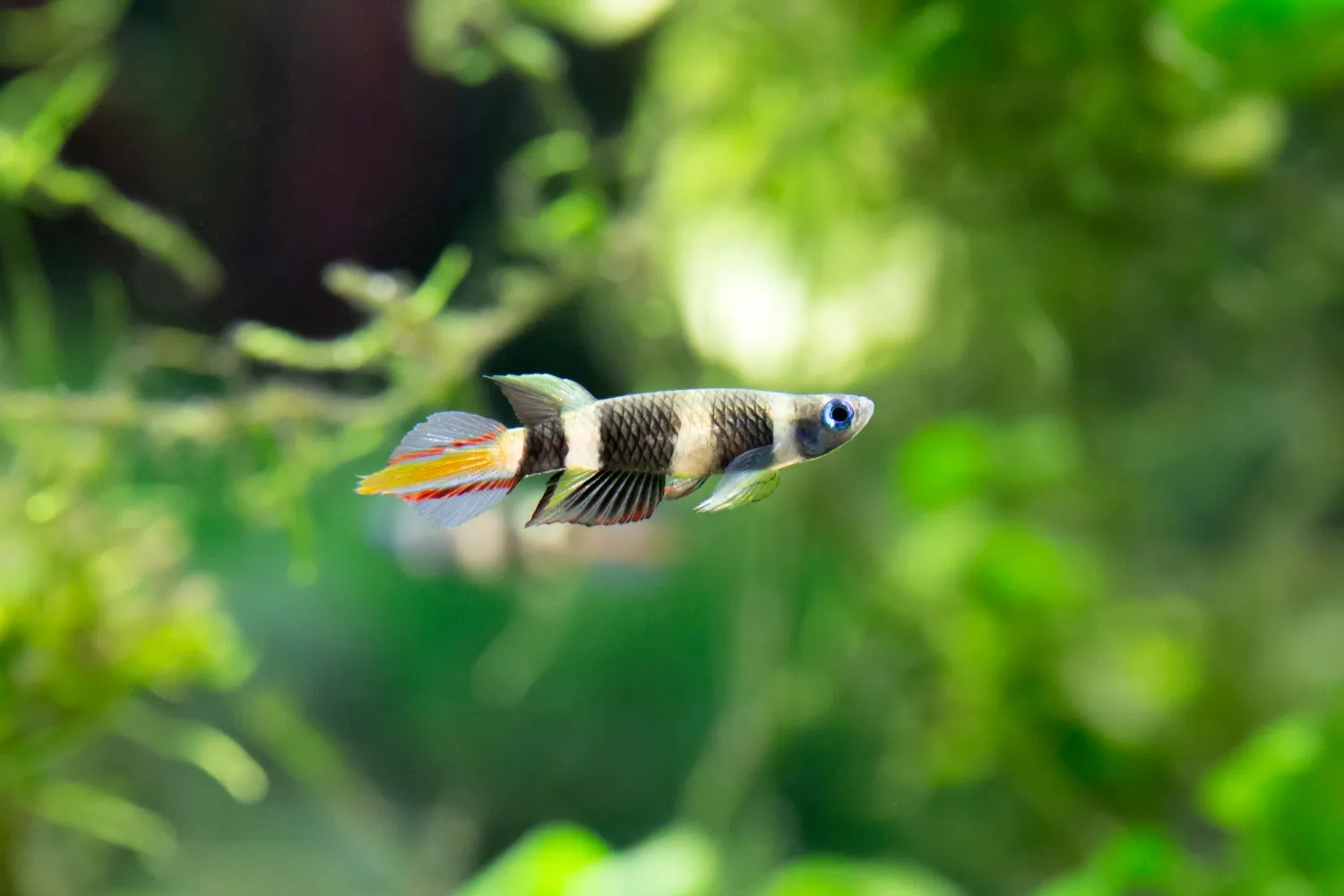
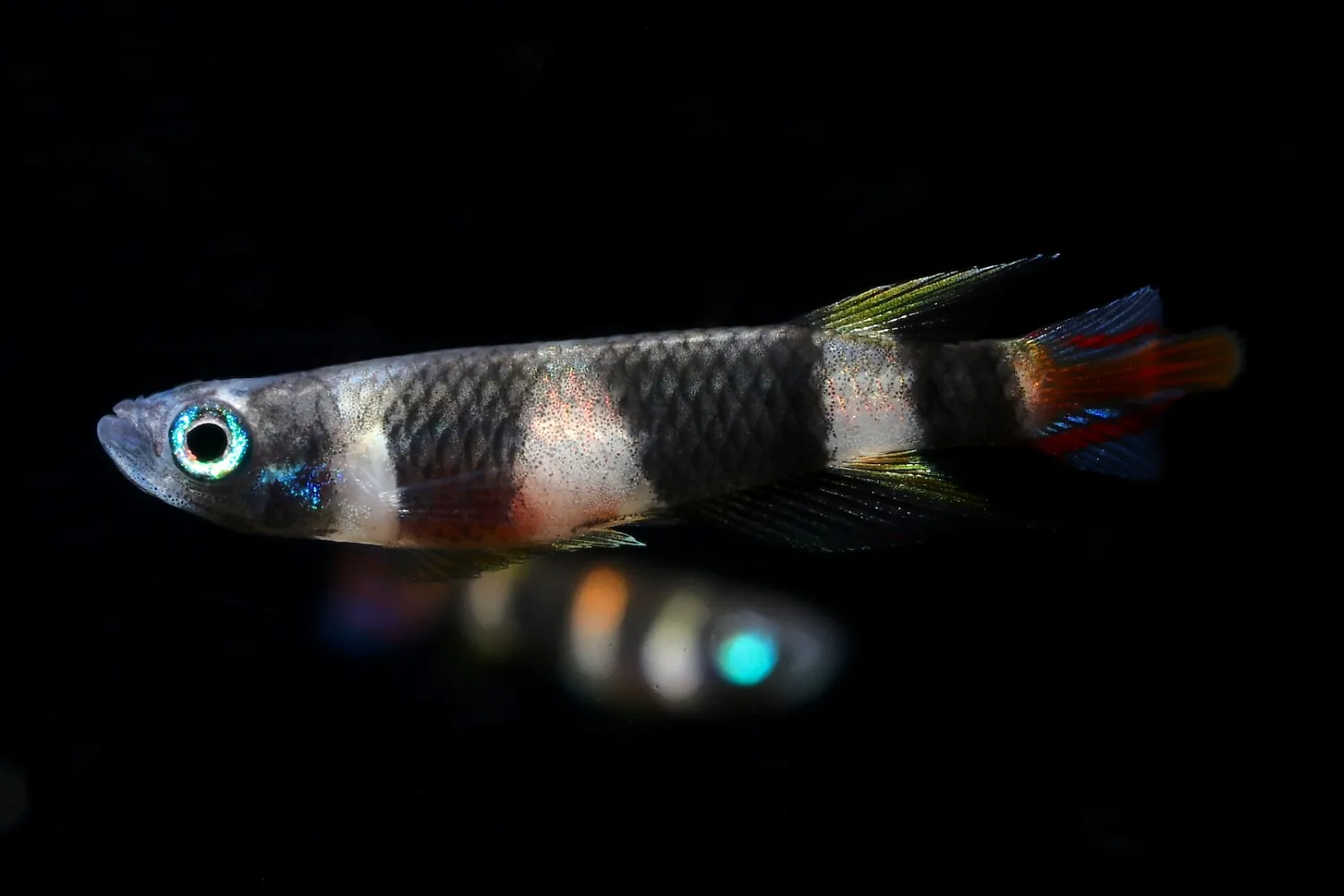
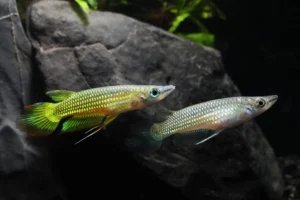
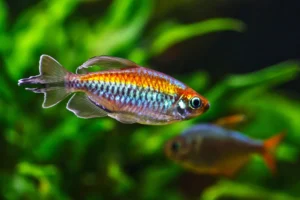
The Clown Killifish is a tiny, attractively banded aquarium favorite, scientifically known as Epiplatys annulatus. Males display bright bands and iridescent spots while females are paler and rounder. They thrive in well-planted, calm tanks with stable water and regular small live foods. Overall care is straightforward for hobbyists comfortable with soft to moderate water.

Quick overview
Clown killifish, African clown killifish
40 liters (10 gallons) for a group
Ideal aquarium setup
A planted, calm aquarium with gentle filtration and plenty of hiding places mimics their riverbank habitat and keeps them comfortable. Provide stable temperature and slightly acidic to neutral water, and avoid strong currents or bright direct light. Regular water quality maintenance and a mature plantscape make them thrive.
A 40–60 liter (10–15 gallon) tank is a good starting point for a small group of 6–10 clown killifish and offers enough swimming room and territory. Larger tanks allow more stable water and easier community setups.
Use low to moderate lighting; they prefer subdued light and will be less shy with floating plants or shaded areas. Very bright light can stress them and encourage skittish behavior.
Fine-leaved stems, Java fern, mosses and floating plants suit them well and provide spawning sites and cover. Dense planting reduces stress and gives fry places to hide.
Low flow; they do best in calm water because strong currents tire them and disrupt feeding.
Fine sand or smooth gravel works well and complements a natural planted look while being safe for small fish.
Include driftwood, smooth rocks and leaf litter to create sheltered spots and low-light areas. Keep open midwater swimming lanes so the fish can display and school.

Behavior and temperament
Clown killifish are peaceful, social fish that do best in small groups and show interesting surface-oriented feeding behavior. They are relatively shy at first but become confident in planted setups with floating cover. Males can display to one another but serious aggression is rare if there are enough females. They are sensitive to sudden water changes and poor water quality.
Diet and feeding
They are micropredators that prefer live and frozen foods but will accept high-quality micro pellets or flakes if sized appropriately. Provide frequent small portions and a mix of foods to maintain color and breeding condition.
What they eat in nature
Small insects, mosquito larvae, tiny crustaceans, zooplankton.
What to feed in the aquarium
- High-quality flake or micro pellets formulated for small tropicals.
- Frozen or live daphnia, bloodworms and brine shrimp for protein.
- Micro live foods like microworms and infusoria for fry and picky eaters.
Feeding schedule
Feed small portions once or twice daily, offering only what they consume in two to three minutes.
Special dietary needs
No strict needs, but regular live or frozen micro foods improve coloration, health and breeding readiness.
Daily:
Offer a small mix of flake or micro pellets plus a pinch of live or frozen microfoods each day.
Weekly:
Include one or two days a week of richer foods like frozen bloodworms or daphnia to boost protein and condition.
Always:
Always feed appropriately sized foods and avoid overfeeding by removing uneaten food promptly.
Tankmate compatibility
They do best with small, peaceful species that occupy similar water conditions and avoid large or boisterous tankmates. Avoid fin nippers and large predators; tiny schooling tetras, rasboras and small Corydoras are ideal companions. Keep an eye on very small shrimp or baby fish, which may be eaten.
Yes with caution Small or juvenile shrimp may be eaten, but larger adult shrimp usually coexist if there is dense cover.
Snails generally do well as they are left alone and help with algae and detritus, but watch for very small ornamental snails that could be harassed.
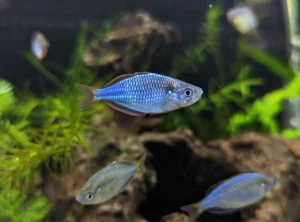
Small peaceful species like ember tetras, small rasboras and dwarf Corydoras make good tankmates because they share similar water needs and gentle temperaments.
Avoid semi aggressive or territorial species such as larger barbs, cichlids or tiger danios which can bully or outcompete clown killifish for food and space.
Keep clown killifish in groups of at least 6 to spread male attention and reduce stress; a ratio with more females helps limit male harassment.
Breeding
Breeding is rewarding and moderately easy with the right setup; they are seasonal spawners in the wild and do well with a dedicated breeding tank and floating mops or fine plants. Eggs are laid on plants or spawning material and should be collected or adults removed to protect the eggs. With stable water and regular feeding the pair will spawn repeatedly.
Difficulty
Breeding is accessible to hobbyists who can provide stable soft slightly acidic water and a calm breeding tank; collecting or protecting eggs and providing microscopic first foods are the main challenges.
How they breed
Egg-scatterer that deposits sticky eggs on plants, fine-leaved vegetation or spawning mops.
Best setup for breeding
Use a small breeder tank with dim lighting, fine-leaved plants or a spawning mop and gentle filtration; slightly softer, acidic water and temperatures around 24–26°C help encourage spawning. Remove adults after spawning or use a trap to protect eggs until they hatch.
Feeding the babies
Start fry on infusoria or commercial liquid fry foods for the first days, then progress to microworms and newly hatched Artemia as they grow. Offer tiny frequent feedings and keep water very clean for best survival.
Pro tips
Provide floating plants to reduce stress and simulate natural cover.
Use live or frozen microfoods regularly to maintain color and condition.
Keep water changes small and frequent to avoid shocking these sensitive fish.
Temperature stress
Rapid temperature swings or temperatures outside their preferred 22–26°C range can cause lethargy and increased disease risk; stabilize heater settings and acclimate slowly.
Poor water quality
High nitrate or ammonia from overfeeding and inadequate maintenance leads to stress and illness; perform regular small water changes and monitor parameters.
Inadequate diet
A lack of varied micro foods can dull color and reduce breeding success; feed a mix of live, frozen and appropriate dry foods to keep them in top form.
Typical beginner mistakes
- Overcrowding small tanks which raises stress and waste.
- Using strong filtration that creates high current.
- Skipping acclimation to new water conditions.
Short summary
Clown killifish are small, peaceful and colorful fish ideal for nano planted tanks and attentive hobbyists. They require calm, well-planted aquariums, a diet rich in microfoods and stable water to show their best colors and breed reliably.
Frequently asked questions (FAQs)
How many clown killifish should I keep together?
A group of at least six is best to reduce male harassment and encourage natural schooling behavior.
What temperature do they prefer?
Keep them between about 22–26°C for comfortable activity and breeding.
Can they live with shrimp?
Yes with caution; larger adult shrimp usually coexist but small shrimp or juveniles can be eaten.
Are clown killifish good for beginners?
They are suitable for beginners who can provide stable water, a planted tank and microfoods but may be stressful for complete novices who struggle with water stability.
Do they need live food to thrive?
While they accept quality dry foods, regular live or frozen microfoods greatly improve color, health and breeding readiness.
How do I breed clown killifish?
Set up a dimly lit breeding tank with fine plants or a spawning mop, provide soft slightly acidic water and feed conditioning live foods, then protect eggs from adults until hatching.