At a glance
Peaceful
Algae grazer
Hardy
Plant-safe
Description
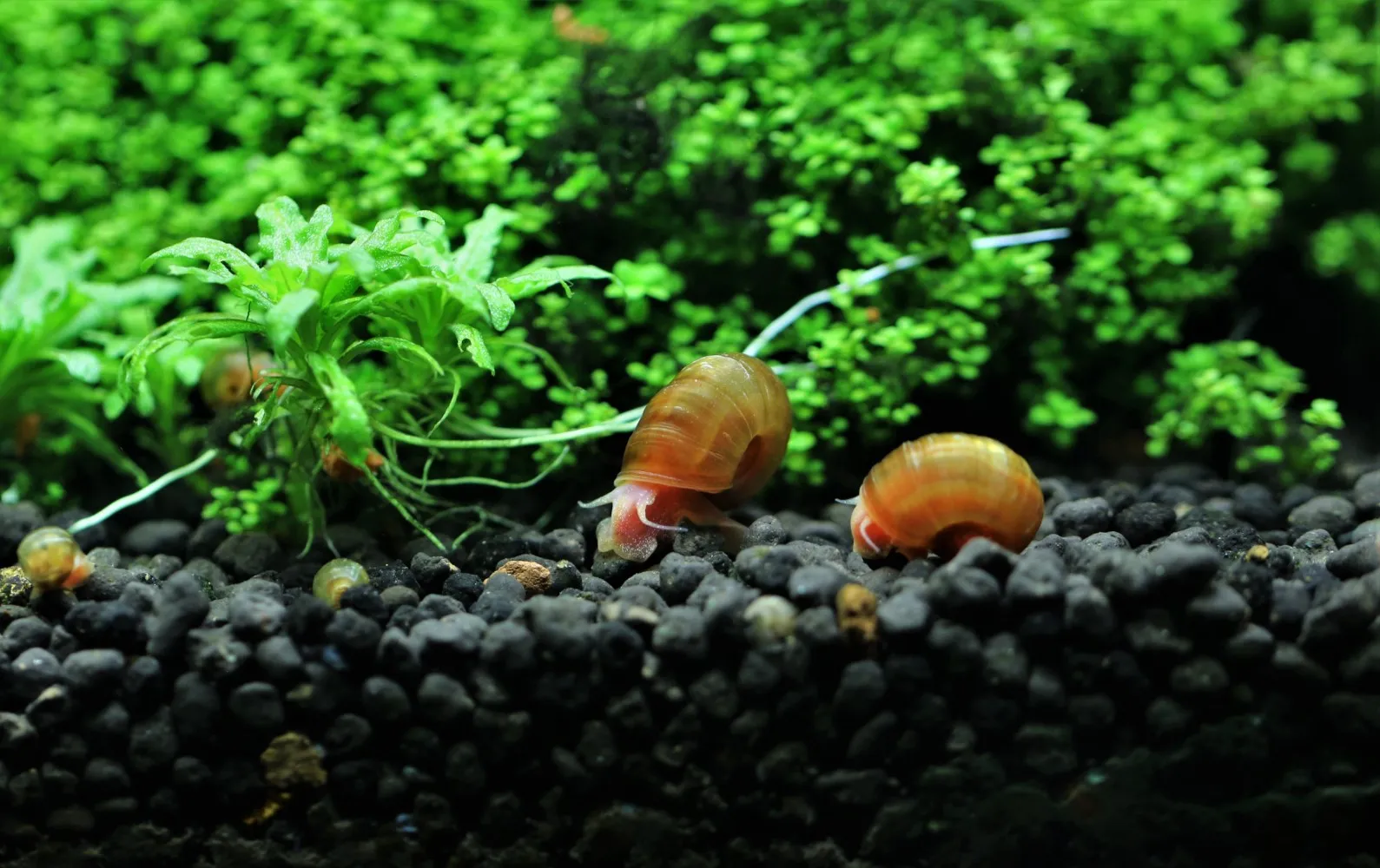
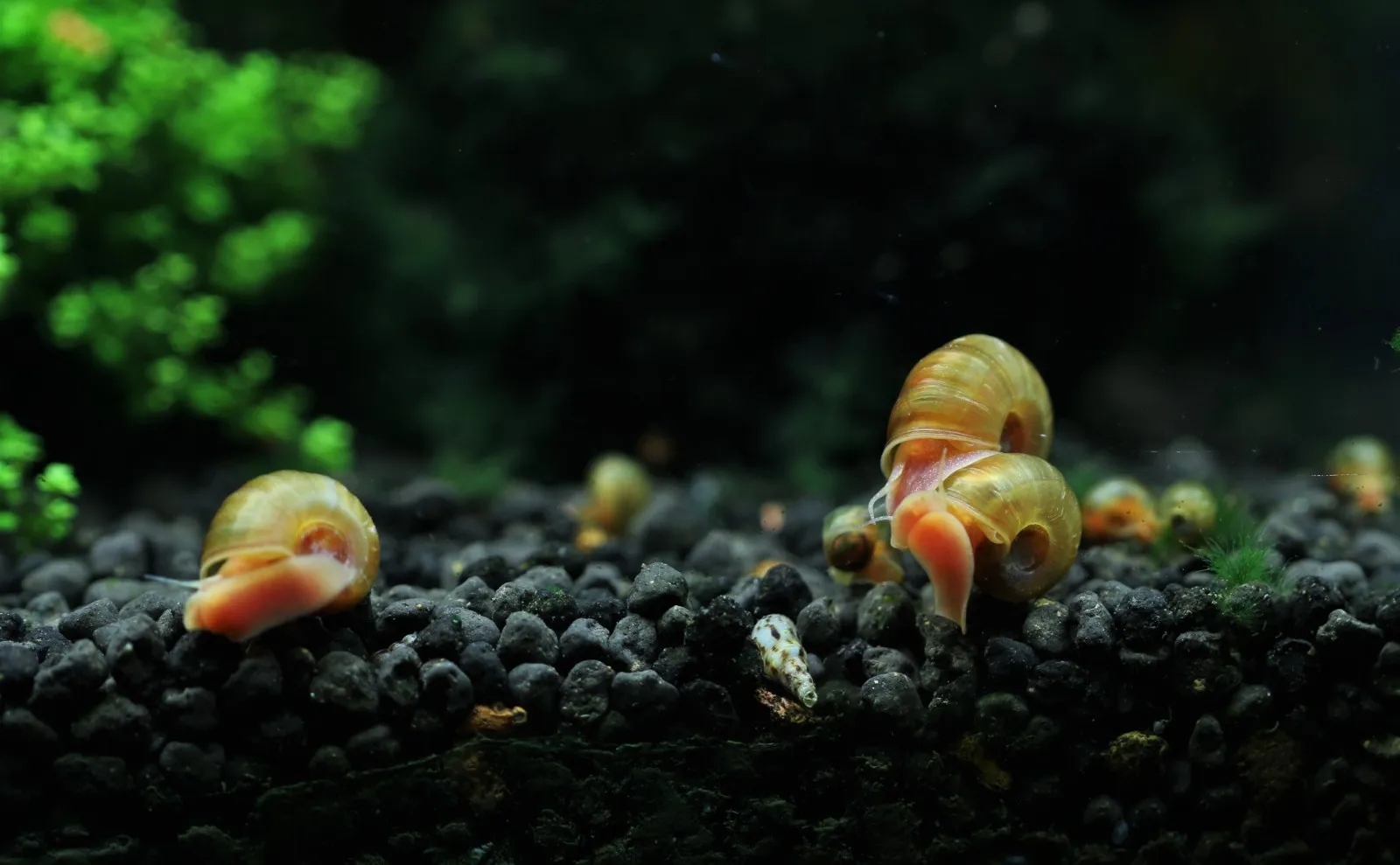
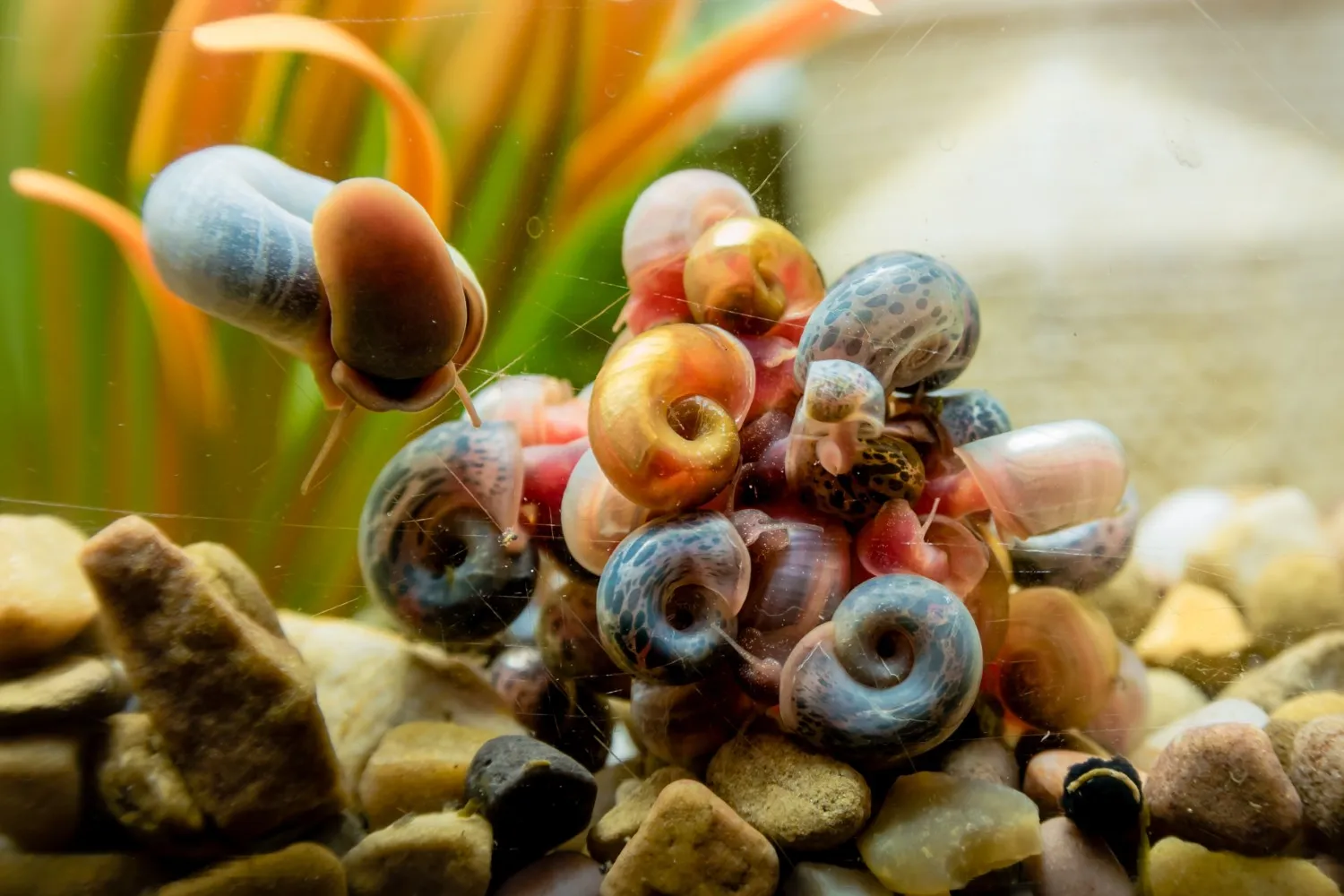
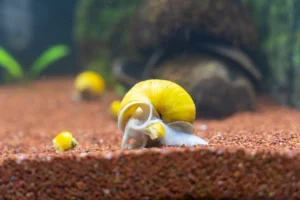
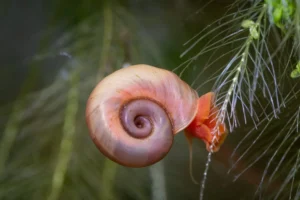
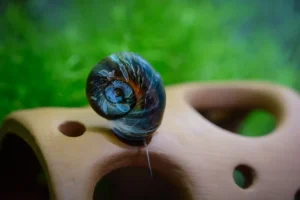
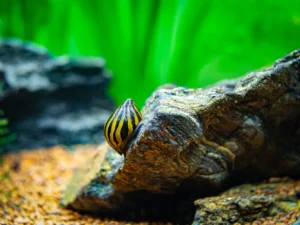
Ramshorn Snail (Planorbella duryi) has a distinctive flat, coiled shell often in red, brown, or dark tones and a compact body that moves steadily across glass and plants. They are active foragers that graze on algae and biofilm and are most visible along the aquarium walls and plant leaves. These snails are gentle and well suited to planted aquascapes because they rarely damage healthy mature plants. Their small size and calm behavior make them a popular cleanup crew in community tanks.

Quick overview
Ramshorn snail, Planorbella duryi, Marsh ramshorn
0.8–2.5 cm (0.3–1.0 inches)
20 liters (5 gallons) minimum
Ideal aquarium setup
A planted, stable freshwater tank with plenty of hard surfaces for grazing suits ramshorn snails best and helps keep them healthy. Maintain consistent parameters, offer calcium-rich decor like cuttlebone or limestone, and avoid copper-based treatments since they are toxic to snails. They are generally plant-safe but benefit from a varied environment with biofilm and detritus to feed on.
A small group does fine in a 20–40 liter tank, while larger colonies need more space to avoid food shortages. Stability matters more than size, so steady temperature and water chemistry reduce stress and reproduction spikes.
Fine sand or smooth gravel is ideal since they crawl across it rather than burrow deeply, and sharp substrates can damage soft tissue or shells.
Ramshorn snails are largely plant-safe and prefer algae and detritus, though very soft or new plant growth may be nibbled occasionally. They work well with most common aquarium plants and can help keep leaf surfaces clean.
Provide smooth rocks, driftwood, and large-leaf plants for grazing and egg attachment, and avoid sharp edges that can chip shells. Hiding spots under decor reduce stress and offer surfaces for biofilm to grow.
Low to moderate flow is best so snails can move and graze without being dislodged by strong currents.
Moderate lighting encourages algal growth that these snails feed on, so bright planted tanks may support larger snail populations. Too little light reduces natural food availability and increases the need for supplemental feeding.

Behavior and temperament
Ramshorn snails are active daytime and nighttime grazers that move deliberately over surfaces to scrape algae and biofilm. They are peaceful and generally ignore fish and shrimp, making them good community tankmates. If stressed by poor water or predators they may retreat into their shells and reduce activity. They tolerate a range of conditions but thrive when water chemistry is steady and calcium is available.
Diet and feeding
They mainly graze algae, biofilm, and decaying plant matter but will accept supplemental vegetables and sinking wafers if natural food is scarce. Avoid overfeeding fish, as excess food can lead to population booms and poor water quality.
What they eat in nature
Algae, biofilm, detritus, decaying plant matter, microorganisms.
What to feed in the aquarium
- Algae wafers
- Blanched zucchini or spinach
- Cucumber slices
- Sinking veggie pellets
- Cuttlebone or calcium block
Feeding schedule
Offer supplemental vegetables or wafers 1–3 times per week depending on natural algae levels and remove uneaten food after 24 hours.
Special dietary needs
Regular calcium sources like crushed coral, cuttlebone, or mineral supplements are essential to prevent shell erosion and support growth.
Daily:
Check that snails are active and surfaces show grazing; remove visible uneaten food to protect water quality.
Weekly:
Provide a small piece of blanched vegetable or an algae wafer once or twice and top up calcium sources as needed.
Always:
Maintain stable water chemistry and an available calcium source to support healthy shell development.
Tankmate compatibility
Ramshorn snails are peaceful and compatible with most community fish and invertebrates but are vulnerable to snail-eating species. They help control algae and clean detritus without bothering most plants. Keep them away from aggressive snail predators to maintain a stable population.
Yes Ramshorn snails are compatible with most shrimp and generally coexist peacefully though both may compete for biofilm and vegetable offerings.
They are compatible with other peaceful snail species but may compete for food and breeding space if resources are limited.
Small community fish like tetras, rasboras, danios, and peaceful gouramis are good tankmates and will usually ignore or coexist with ramshorn snails.
Avoid loaches, puffers, and many cichlids which can prey on or harass snails and rapidly reduce their numbers. Even semi-aggressive nibblers can cause stress and mortality in snail populations.
Ramshorn snails breed readily and can form large colonies, so provide space and monitor food to avoid overcrowding. Regular removal of egg clutches or population thinning can help control numbers.
Breeding
Ramshorn snails reproduce readily in freshwater and most aquarium strains will breed without special conditions, laying sticky gelatinous egg clutches on glass, plants, and hardscape where juveniles hatch. They are hermaphroditic and usually cross-fertilize, which makes population growth rapid in nutrient-rich tanks with ample food. Owners should expect frequent egg masses and may need to remove some to prevent overpopulation; adults may lay dozens of eggs in favorable conditions and juveniles mature quickly.
Pro tips
Add a piece of cuttlebone to the tank to supply continuous calcium for shell health.
Remove visible egg clutches if you want to control population growth.
Keep copper-based medications out of tanks with snails and shrimp.
Shell erosion
Shell erosion is usually caused by low hardness or inadequate calcium; raise GH and add calcium supplements to halt and repair damage.
Overpopulation
High nutrients and excess food lead to rapid breeding; reduce feeding, increase maintenance, and remove egg clutches to manage numbers.
Predation loss
Fish that eat snails will quickly reduce populations, so separate snails from known snail predators or keep them with peaceful community species.
Typical beginner mistakes
- Overfeeding causing blooms
- Using copper medications
- Neglecting calcium needs
Short summary
Ramshorn snails are peaceful, hardy algae grazers well suited to planted aquascapes and community tanks. They help control algae and clean surfaces but need stable water, regular calcium, and occasional population management. Overall they are an easy-care addition for beginners and experienced aquascapers alike.
Frequently asked questions (FAQs)
Are ramshorn snails harmful to plants?
No, they are mostly plant-safe and prefer algae and detritus, though they may nibble very soft new growth occasionally.
How do I stop a snail population boom?
Reduce excess feeding, perform regular water changes, and manually remove egg clutches or relocate excess adults to control numbers.
Do ramshorn snails need calcium supplements?
Yes, a steady calcium source like cuttlebone or crushed coral helps prevent shell erosion and supports healthy growth.
Can ramshorn snails live with shrimp?
Yes, they usually coexist well with shrimp and both benefit from similar grazing habits, though they may compete for biofilm.
Will fish eat ramshorn snails?
Some fish, like loaches, puffers, and many cichlids, will eat or harass snails, so choose peaceful community fish as tankmates.
How often do they lay eggs?
In favorable conditions adults can lay multiple egg clutches per month, so expect steady reproduction without intervention.