At a glance
Peaceful
Algae grazer
Hardy
Plant-safe
Description
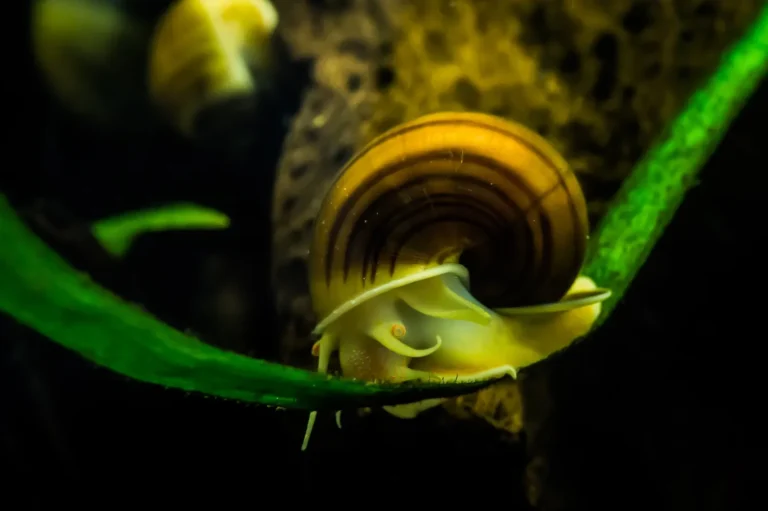
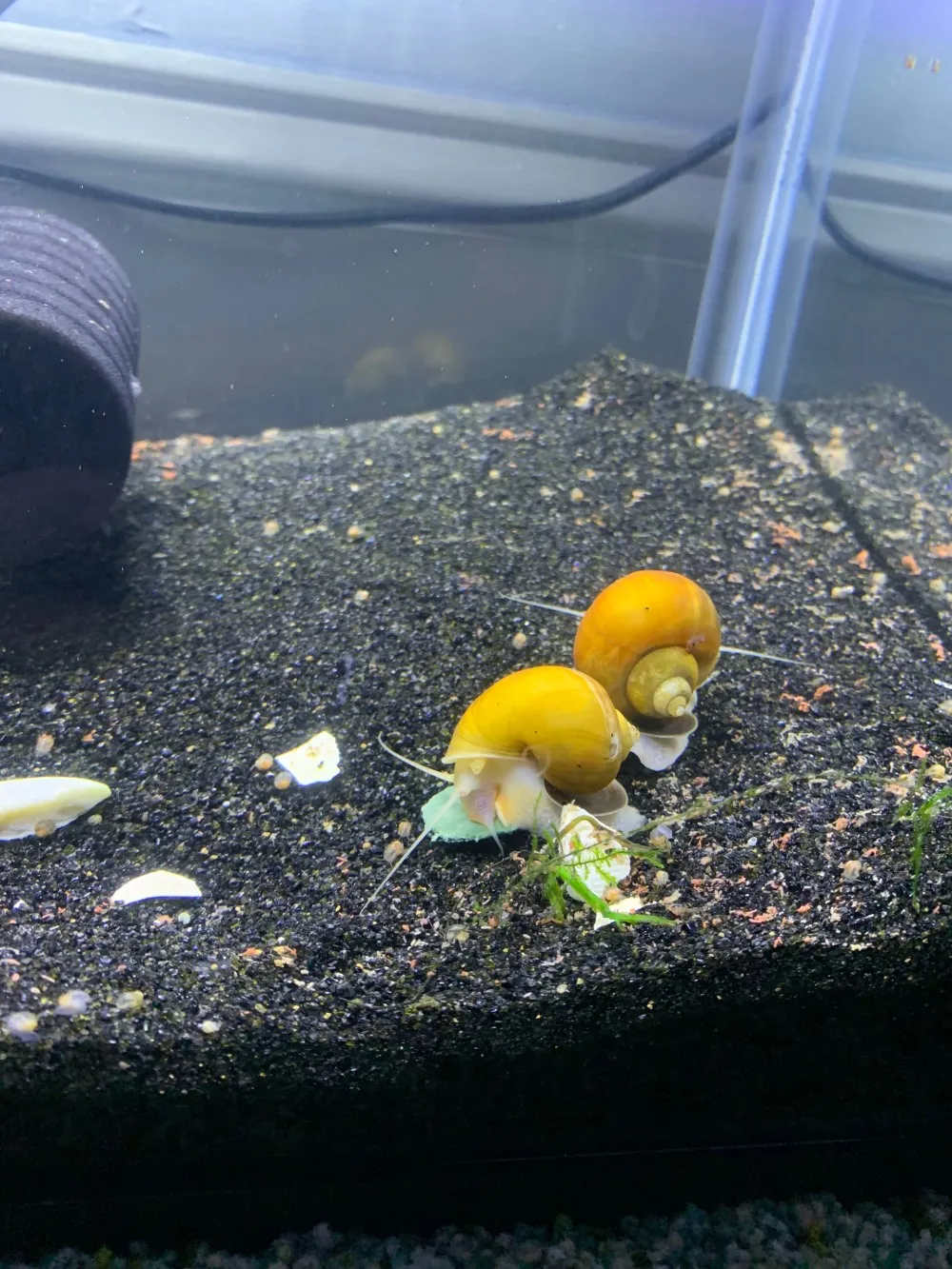
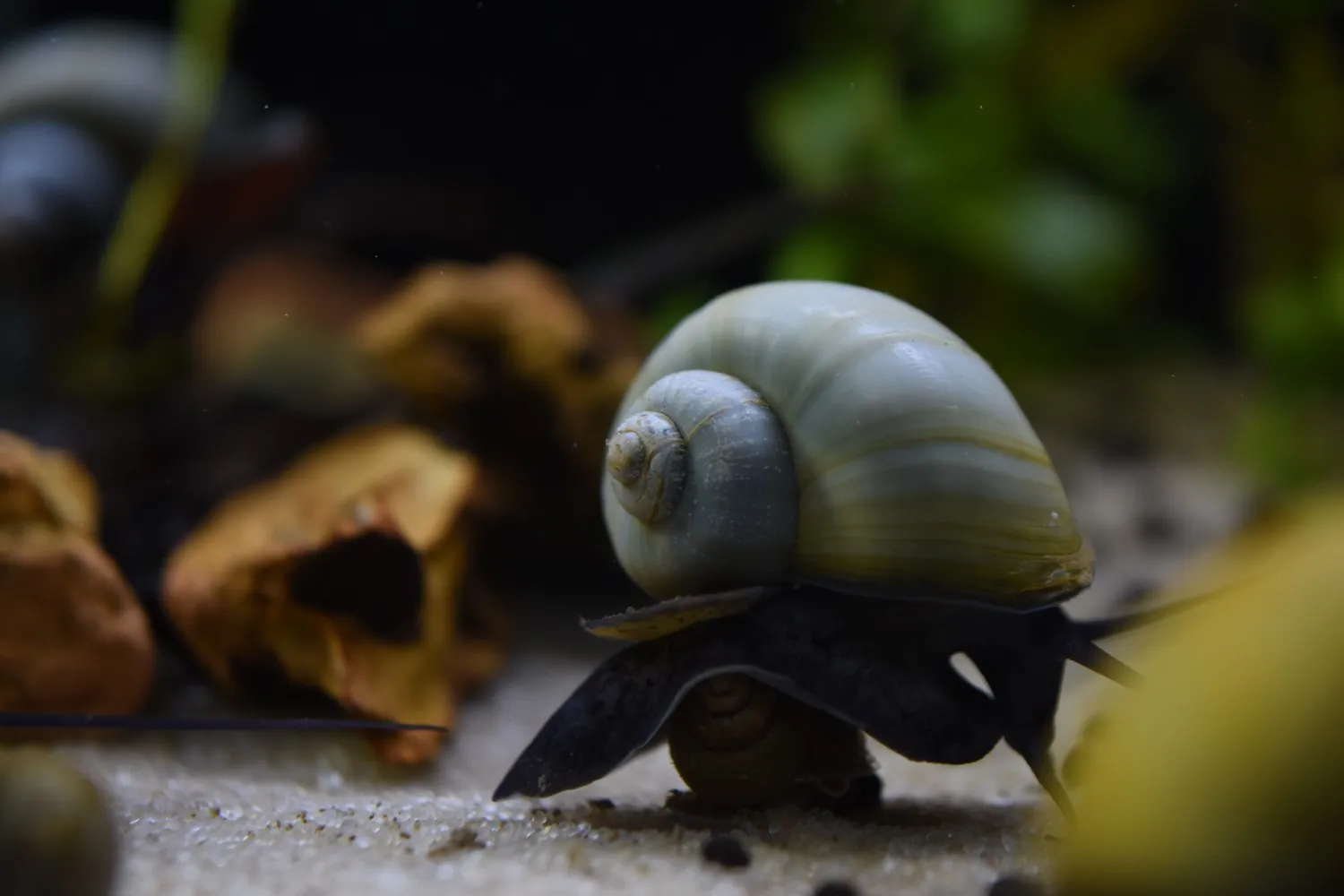
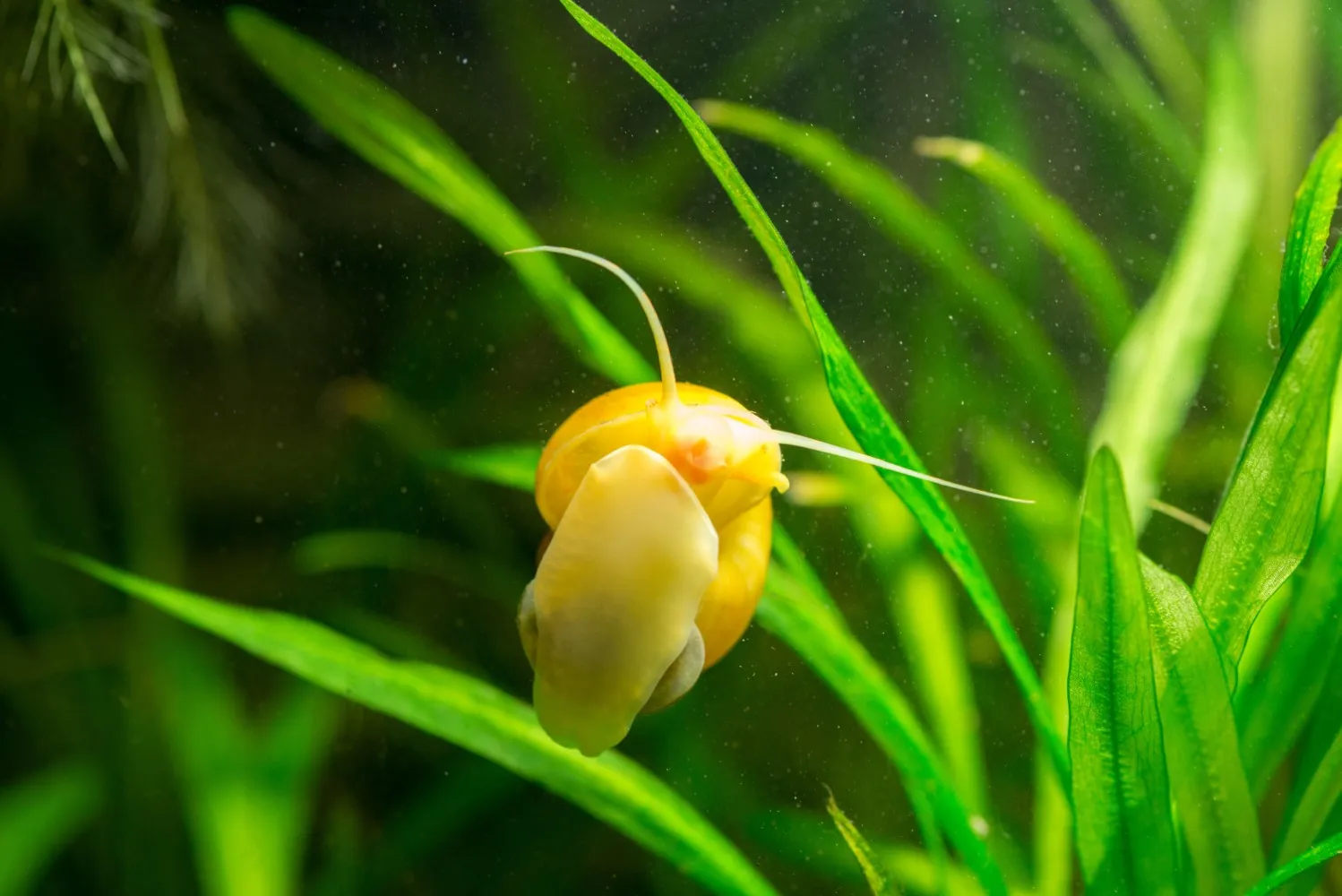
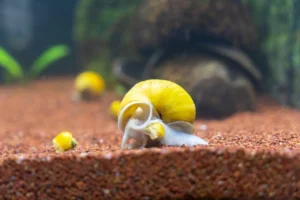
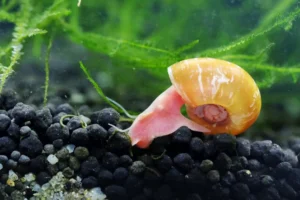
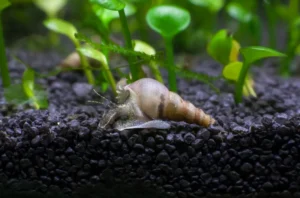
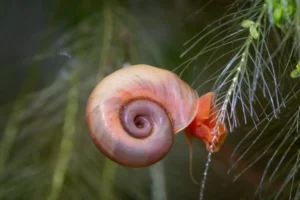
Mystery Snail (Pomacea bridgesii) has a smooth globular shell that comes in a range of colors from tan and gold to brown and striped, and a large muscular foot for steady grazing. They are moderately active across the tank, often seen crawling on glass, plants, and hardscape while grazing on algae and biofilm. Mystery snails are peaceful and suitable for most planted aquascapes when water chemistry is stable and calcium is available. Their calm behavior and useful algae cleanup make them a popular choice for beginner to intermediate aquascapers.

Quick overview
Mystery snail,Apple snail,Golden mystery
20 liters (5 gallons) minimum
Ideal aquarium setup
Provide a planted, well-established aquarium with stable parameters and regular calcium availability; mystery snails prefer steady conditions over frequent changes. Include plenty of smooth surfaces for grazing and hiding, and avoid acidic soft water that leads to shell erosion. They are plant-safe for most species but benefit from a varied diet and mineral supplements.
A group does best in 40 liters (10 gallons) or larger to keep parameters stable and give space for grazing; single snails can live in smaller tanks but are more sensitive to water swings. Stable water chemistry and regular maintenance are more important than tank size alone.
Fine gravel or sand works well; they do not burrow deeply but appreciate smooth substrate they can glide over. Avoid sharp substrates that could damage the shell or foot.
Generally plant-safe and unlikely to destroy established plants, though they may nibble very soft or decaying leaves. Fast-growing hardy plants are ideal in tanks with mystery snails.
Use smooth rocks, driftwood, and broad-leaf plants to provide grazing surfaces and hiding spots; avoid sharp edges that can chip shells. Caves and overturned pots give secure retreats and help reduce stress.
Low to moderate flow so algae and biofilm remain accessible and snails can move comfortably.
Moderate lighting encourages algal growth that they feed on, but too much light can create nuisance algae; balance lighting with plant needs and maintenance. Mystery snails will take advantage of available algae under moderate light but do not require high light themselves.

Behavior and temperament
Mystery snails are calm, slow-moving grazers that spend much of their time on hardscape and glass searching for algae and biofilm. They are peaceful with other invertebrates and most fish, and rarely disturb plants. When stressed they may retract into their shell for extended periods or climb above the waterline to escape poor water. They are curious daylight-active snails that become more visible during feeding or when grazing heavily.
Diet and feeding
They graze algae and biofilm continuously but benefit from supplemental foods like blanched vegetables, algae wafers, and calcium-rich supplements to maintain shell health. Avoid overfeeding and remove uneaten food to prevent water quality issues.
What they eat in nature
Algae, biofilm, detritus, decaying plant matter, microorganisms
What to feed in the aquarium
- Algae wafers
- Blanched zucchini or spinach
- Cucumber slices
- Calcium blocks or cuttlebone
- Sinking pellets
Feeding schedule
Feed vegetables or wafers a few times per week and offer calcium supplements regularly, removing uneaten food after 24 hours.
Special dietary needs
Require good calcium levels for shell growth and repair; offer cuttlebone, mineral blocks, or calcium-fortified foods.
Daily:
Quickly check for activity and remove uneaten food if present.
Weekly:
Offer blanched vegetables once or twice a week and top up calcium sources as needed.
Always:
Maintain stable water parameters and a steady source of calcium to prevent shell problems.
Tankmate compatibility
Mystery snails are generally compatible with peaceful community fish and other invertebrates but are vulnerable to snail-eating species. They serve as useful algae cleaners but are not a substitute for proper tank maintenance. Avoid housing them with known snail predators.
Yes with caution. Larger mystery snails usually coexist with shrimp, but tiny shrimp species can be stressed in crowded tanks and large snails may outcompete them for food.
Usually compatible with other peaceful snails, though competition for food may occur if resources are limited.
Small community fish like tetras, rasboras, and peaceful gouramis are suitable tankmates that will not bother snails. Fish that are curious but non-aggressive provide a peaceful environment.
Avoid loaches, puffers, many cichlids, and larger gouramis that may attack or eat snails; these fish can quickly reduce snail populations. Keep snails away from species known to target invertebrates.
They can be kept together and will breed if males and females are present, but numbers can increase if eggs are not managed. Provide space and calcium to support a growing population.
Breeding
Adults may lay eggs above the waterline in clutches of pink or white eggs if males and females are present; eggs are deposited on glass, hardscape, or tank trim and need humidity to develop. Unlike some pond snails, mystery snails are not hermaphrodites and require both sexes for fertilization. Breeding can lead to steady population growth in a well-maintained tank, so remove or relocate egg clutches if you want to control numbers.
Pro tips
Keep a piece of cuttlebone or a calcium block in the tank to prevent shell erosion.
Perform regular partial water changes to maintain stable parameters and reduce stress.
Provide varied foods beyond algae to support reproduction and health.
Shell erosion
Often caused by low pH or low calcium; raise hardness or add calcium supplements and stabilize pH to repair and prevent further erosion.
Calcium deficiency
Leads to thin or pitted shells; offer cuttlebone, calcium blocks, or calcium-fortified foods and ensure GH is adequate.
Poor water quality
Ammonia, nitrite spikes, or frequent parameter swings cause stress and retraction; perform water changes and fix filtration or stocking issues to restore health.
Typical beginner mistakes
- Keeping in very soft or acidic water
- Overfeeding leading to ammonia spikes
- Housing with snail-eating fish
Short summary
Mystery snails are peaceful, hardy algae grazers that make useful cleanup crew members in planted aquascapes. They are generally plant-safe, require stable water and calcium for healthy shells, and are easy to care for with regular maintenance. Their calm behavior and visible grazing make them a beginner-friendly addition to many tanks.
Frequently asked questions (FAQs)
Do mystery snails eat plants?
They rarely eat healthy established plants but may nibble very soft or decaying leaves; provide enough algae and vegetables to reduce any nibbling.
How do I know if my snail needs calcium?
Look for dull, pitted, or eroding shell surfaces and slowed growth; provide cuttlebone or calcium supplements and check GH levels.
Can mystery snails live with shrimp?
Yes, they generally coexist well with most shrimp species, though ensure sufficient food and hiding places for smaller shrimp.
Will they overpopulate my tank?
They reproduce if males and females are present and conditions are good, so remove egg clutches if you want to control population growth.
Where do mystery snails lay eggs?
Females lay egg clutches above the waterline on glass, hardscape, or equipment where the eggs develop in a humid environment.
What tank size do they need?
A single snail can live in a small tank but a group needs at least 40 liters (10 gallons) to keep water stable and provide enough grazing area.