At a glance
Large
Vegetable eater
Calcium lover
Active
Description
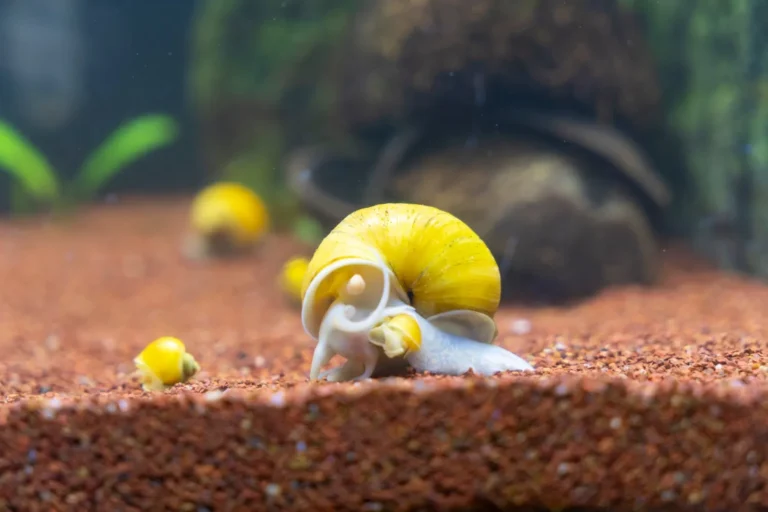
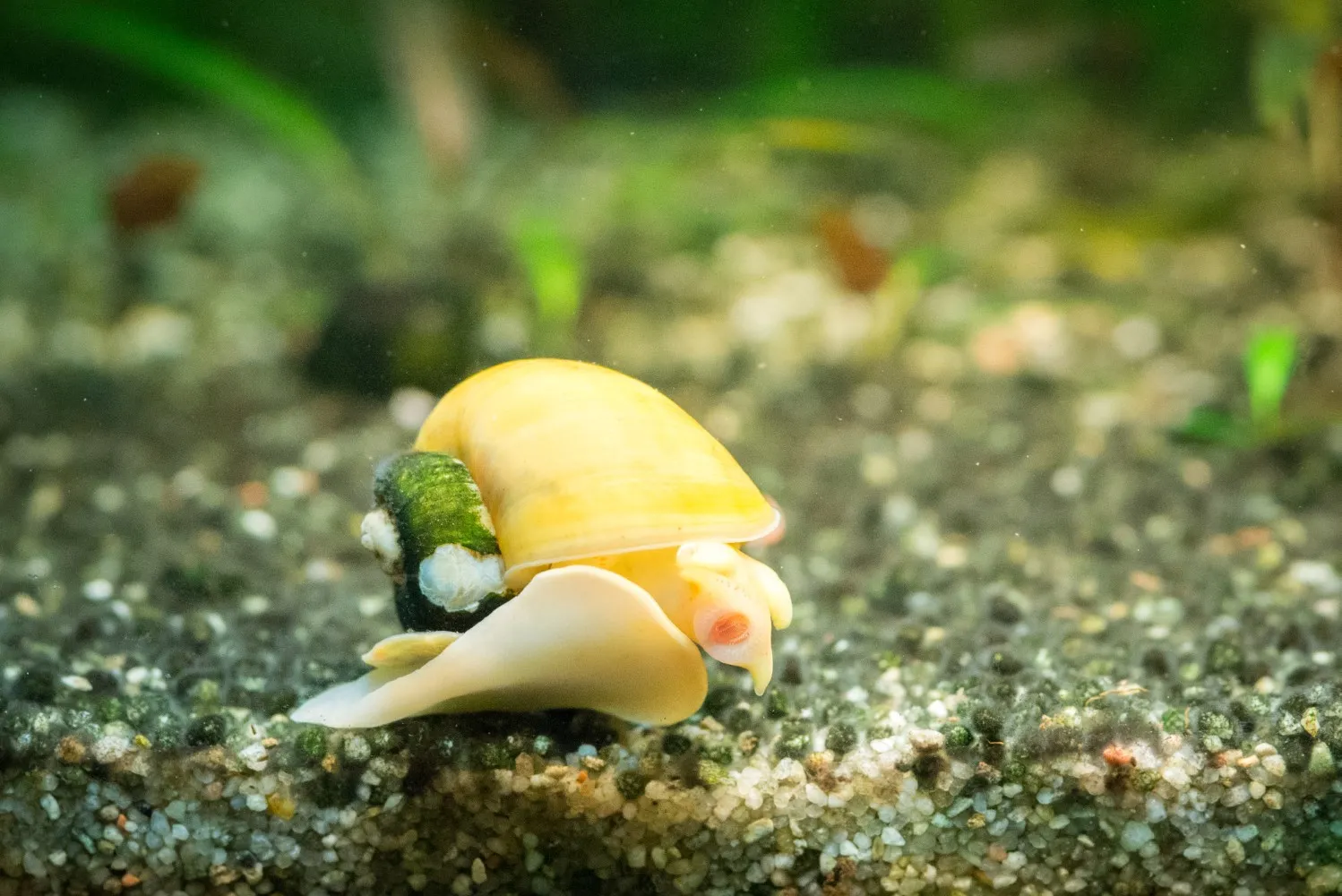
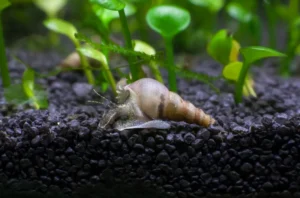
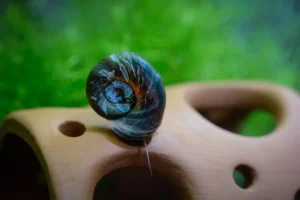
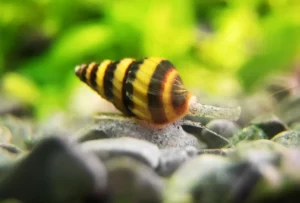
Apple snail (Pomacea spp.) is a chunky, often brightly colored freshwater snail with a rounded shell that can reach several centimetres across; shells may be smooth or banded depending on species. They are fairly active for snails, often roaming the tank floor and climbing the glass to breathe at the surface. Apple snails eat algae and biofilm but will also accept vegetables and prepared foods, and larger individuals may nip soft plant leaves. They suit planted tanks when tank size, calcium levels, and plant choices are managed carefully.

Quick overview
Apple snail, Mystery snail, Golden apple snail
40 liters (10 gallons) minimum
Ideal aquarium setup
A mature, well-cycled tank with stable parameters and plenty of grazing surfaces is ideal; include broad smooth leaves and hardscape for roaming and hiding. Maintain steady calcium and general hardness for healthy shell growth and offer cuttlebone or mineral blocks to supplement. Apple snails can coexist with many plants but expect occasional nibbling of very soft species.
Choose a larger tank for adult apple snails; a single adult is best kept in at least 40 liters (10 gallons) with more room for multiple snails. Stable water quality is important because these snails are sensitive to rapid parameter swings.
Sand or fine gravel works well for roaming and foraging and is easy to clean without damaging the snail. They do not burrow deeply but will explore the substrate surface.
Generally plant-safe with sturdy species like Anubias, Java fern, and crypts, but they may nibble soft or newly planted stems and leaves. Protect delicate or newly planted specimens or provide alternate food to reduce grazing pressure.
Provide smooth rocks, driftwood, and broad-leafed plants for grazing and attachment while avoiding sharp edges that can chip shells. Include hiding spots and surfaces for algae growth to keep snails occupied and safe.
Low to moderate flow so snails can move and feed without being pushed around.
Moderate lighting encourages algae growth, which benefits grazing snails, but excessive light can cause nuisance algae blooms. Balance light with plant needs and routine maintenance to keep a steady, useful algae supply.
Behavior and temperament
Apple snails are active scavengers that cruise the aquarium day and night searching for algae, detritus, and plant matter. They are peaceful and generally ignore fish and shrimp but can disturb substrate and rearrange small decorations while exploring. When stressed by poor water quality or low calcium they may retract for long periods or develop pitted shells. They will often surface to breathe and may climb the glass or tank walls.
Diet and feeding
Apple snails graze on algae and biofilm but benefit from regular supplemental feedings of vegetables, algae wafers, and sinking pellets. They need a reliable calcium source to maintain healthy shell growth, so include cuttlebone or mineral supplements as part of their diet.
What they eat in nature
Algae, biofilm, detritus, decaying plant matter, microorganisms
What to feed in the aquarium
- Blanched zucchini
- Blanched cucumber
- Algae wafers
- Blanched spinach or lettuce
- Sinking snail pellets
- Spirulina tablets
- Cuttlebone or calcium block
Feeding schedule
Offer vegetables or prepared foods every other day and provide algae wafers or pellets several times a week, removing uneaten food within 24 hours.
Special dietary needs
Regular calcium supplementation is essential for shell health, via cuttlebone, crushed coral, or mineral blocks, alongside a varied vegetable-rich diet.
Daily:
Quickly check for uneaten food and remove it to avoid water quality issues.
Weekly:
Provide a piece of blanched vegetable 2–3 times per week and top up calcium supplements as needed.
Always:
Always keep calcium available in the tank and maintain stable water parameters.
Tankmate compatibility
Apple snails are peaceful and do well with non-predatory community fish and invertebrates, but they are vulnerable to snail-eating species. They help control algae but will not replace good maintenance practices. Avoid housing them with known snail predators.
Yes with caution — they generally coexist with shrimp but may disturb shrimp eggs or tiny juveniles while foraging.
Compatible with other peaceful snail species, though different species can compete for food and space if resources are limited.
Small peaceful fish like tetras, rasboras, and most gouramis are fine tankmates and will not harm adult apple snails. Avoid overcrowding so snails have sufficient food and space.
Loaches, puffers, and many cichlids are likely to nip at or eat apple snails and should be avoided as tankmates. These fish can quickly decimate a snail population.
Apple snails breed readily and populations can increase if conditions are right, so provide ample space and plan for egg clutches. Keep numbers in check to avoid overcrowding and excessive bioload.
Breeding
Many apple snail species can breed in freshwater and adults commonly lay clutches of eggs above the waterline on glass, hardscape, or plant stems, often as pink or pale masses; some species may deposit eggs closer to the surface. Clutches can be large and frequent in warm, stable tanks with good nutrition, so expect population growth unless egg laying is limited or eggs are removed. Hatchlings require small food and good water quality; monitoring and management are needed in community tanks to prevent overpopulation.
Pro tips
Keep a cuttlebone in the tank or secured to the glass for continuous calcium availability.
Feed occasional blanched vegetables to reduce pressure on delicate plants.
Monitor shell condition regularly and address pitting or erosion quickly by adjusting hardness and calcium.
Shell erosion
Often caused by low calcium or acidic water; raise GH and add calcium supplements to slow or reverse damage.
Overfeeding algae
Excess food and light can create nuisance algae and poor water quality; reduce feedings and control lighting to manage growth.
Plant damage
Large apple snails may nibble soft leaves or uproot plants while foraging; protect delicate species or offer extra vegetables to distract them.
Typical beginner mistakes
- Keeping in too-small tanks
- Ignoring calcium needs
- Overfeeding and poor cleanup
Short summary
Apple snails are large, active algae grazers that can be a useful addition to planted tanks when given proper space and calcium. They are peaceful but may nibble soft plants and require steady water parameters and mineral supplementation. Overall care is easy with attention to tank size, diet, and shell health.
Frequently asked questions (FAQs)
Do apple snails eat live plants?
They may nibble soft or new plant growth, but sturdy plants like Anubias and Java fern are usually safe; feeding vegetables can reduce plant grazing.
How do I provide calcium to my snail?
Offer cuttlebone, crushed coral in the substrate, or mineral blocks and maintain moderate to high GH to support shell growth.
Will apple snails leave the tank?
They can climb the glass and may explore higher surfaces, so keep lids secure to prevent escapes and dehydration.
How often do they lay eggs?
Frequency depends on species and conditions; well-fed adults in warm stable tanks may lay clutches every few weeks.
Can they live with shrimp?
Yes with caution, as adult snails are generally peaceful but may disturb shrimp eggs or tiny juveniles while foraging.
How many should I keep together?
Start with one or two in a medium tank and increase only if you can provide enough space, food, and filtration to handle the extra bioload.