At a glance
Peaceful
Algae grazer
Hardy
Plant-safe
Description
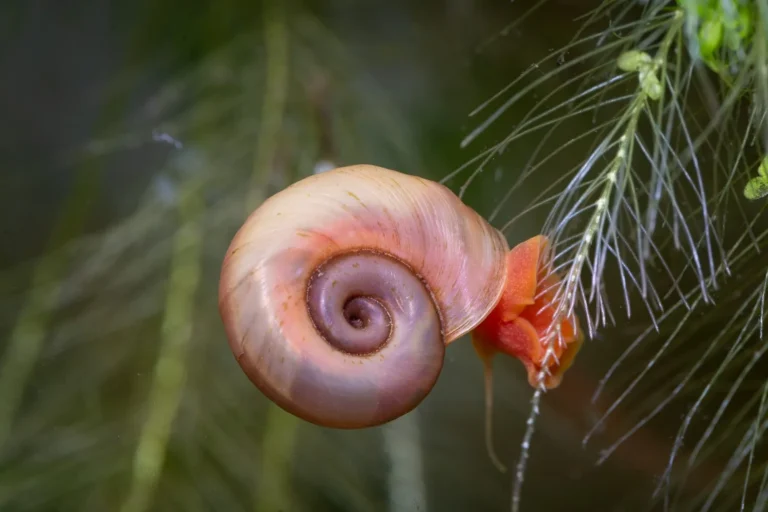
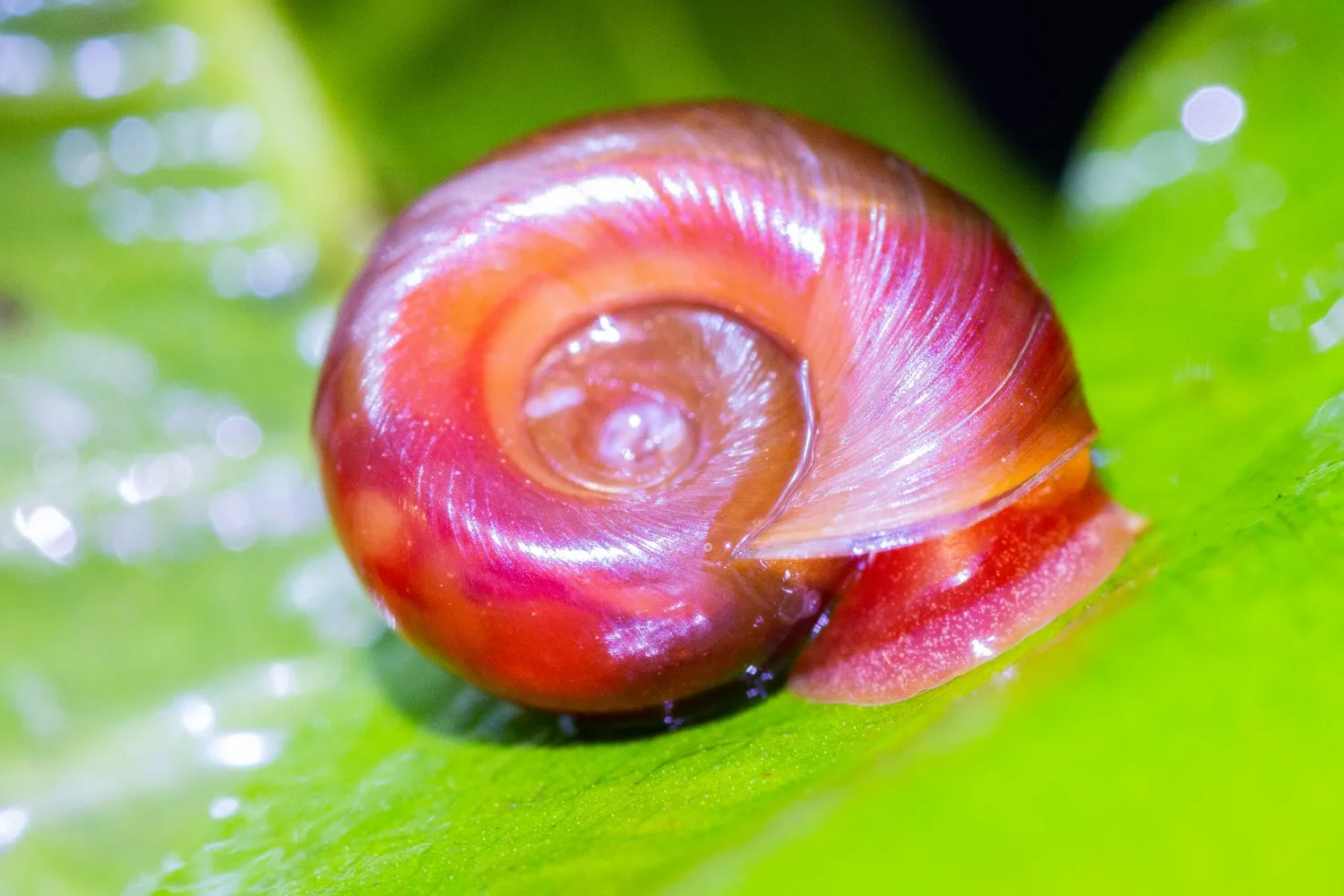
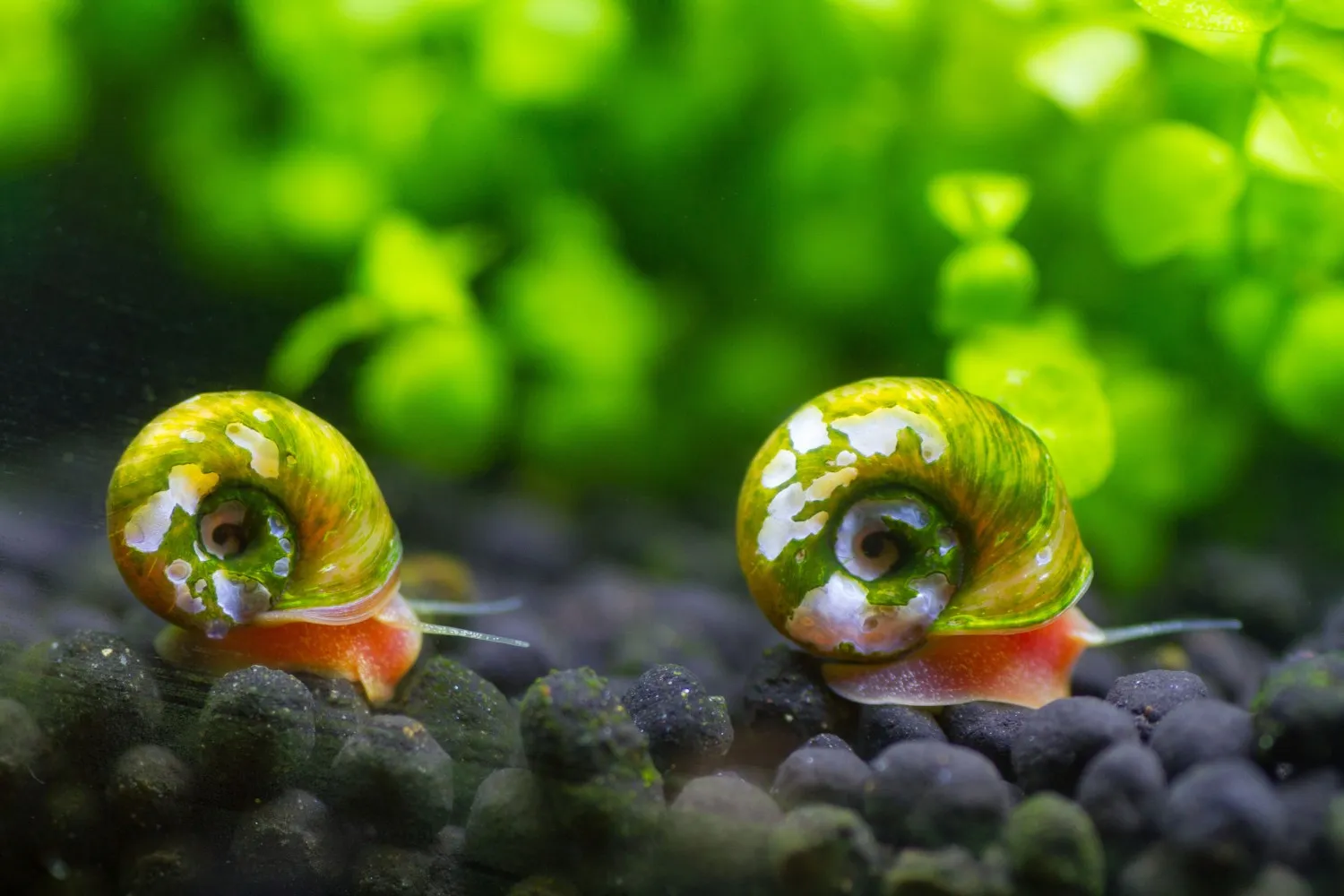
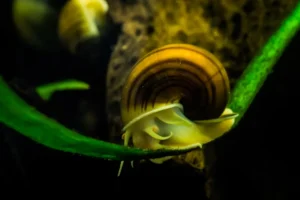
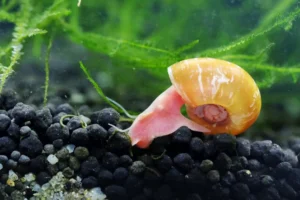
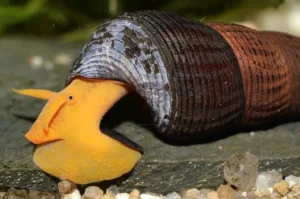
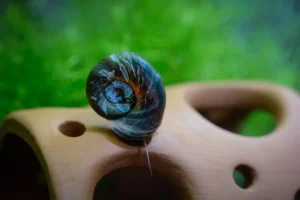
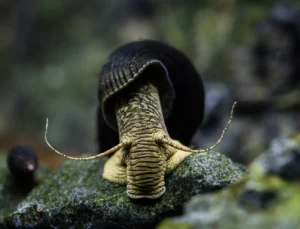
Red Ramshorn Snail (Planorbella duryi) has a distinctive flat, coiled shell often bright red to orange but sometimes mottled, with a smooth glossy surface and visible whorls. These snails are moderate activity grazers that spend most time on glass, hardscape, and plant leaves removing algae and biofilm. They are peaceful and generally safe in planted aquascapes though they may occasionally nibble very soft new growth. Their compact size and easy care make them well suited to beginner and intermediate planted tanks.

Quick overview
Red ramshorn snail, Red planorbella, Ramshorn snail
20 liters (5 gallons) minimum
Freshwater, pH: 6.5–8.0, Temp: 20–26°C
Ideal aquarium setup
A planted tank with stable parameters and plenty of hard surfaces suits this snail well, with moderate lighting to encourage manageable algae growth. Provide dissolved calcium and mineral sources for healthy shell development, and avoid copper-based treatments which are toxic. They are generally plant-safe but offer hiding spots and stable water chemistry for best results.
Small groups do well in 20–40 liter tanks, but larger setups offer more stable water conditions and algae sources. Stability is more important than volume, so steady filtration and regular maintenance matter.
A fine gravel or sand substrate is suitable; these snails do not burrow deeply but will crawl across and rest on substrate surfaces.
Red ramshorn snails are mostly plant-safe and help clean leaves, but they may nibble very soft or newly grown foliage like moss tips or tender stem plants. Dense planting and slow-growing foreground plants reduce the chance of noticeable damage.
Provide smooth rocks, driftwood, and ceramic caves for grazing and egg attachment while avoiding sharp edges that can damage the shell. Surfaces above the substrate are useful for egg laying and daily activity.
Low to moderate flow is best so biofilm remains available and snails can move without being constantly pushed around.
Moderate lighting helps grow a steady supply of algae and biofilm for grazing without causing explosive algae blooms. Too much high light increases algae that can overwhelm a tank and encourage overpopulation.
Behavior and temperament
Red ramshorn snails are active grazers, often visible on glass, leaves, and hardscape searching for algae and biofilm. They are peaceful and do not disturb fish or plants under normal conditions. When stressed by poor water or low calcium they may retreat into their shells or show slowed movement. They are social with conspecifics and often congregate where food is plentiful.
Diet and feeding
These snails primarily graze on algae, biofilm, and detritus but will accept supplemental foods like blanched vegetables and algae wafers. Regular additions of calcium and occasional vegetable treats help maintain shell health and prevent the need for overfeeding the tank. Avoid overfeeding fish as excess food can lead to water quality issues affecting snails.
What they eat in nature
Algae, biofilm, detritus, decaying plant matter, microorganisms
What to feed in the aquarium
- Algae wafers
- Blanched zucchini or cucumber
- Blanched spinach or lettuce
- Cuttlebone or calcium block
- Leaf litter such as Indian almond leaves
Feeding schedule
Offer small vegetable treats every 2–3 days and algae wafers or supplemental food once or twice weekly, adjusting based on visible grazing and tank bioload.
Special dietary needs
A steady calcium source such as crushed coral in the substrate or a cuttlebone in-tank is important for robust shell growth and repair.
Daily:
Check that most snails are active and grazing; remove uneaten soft food after a few hours to protect water quality.
Weekly:
Provide a calcium supplement or refresh a cuttlebone weekly and offer a small vegetable treat once or twice per week.
Always:
Maintain stable water parameters and avoid copper or malachite green which are toxic to snails.
Tankmate compatibility
They are very peaceful and pair well with small community fish and invertebrates that will not prey on them. Predatory or snail-eating species will reduce their numbers, so avoid loaches, puffers, and some cichlids. Their algae grazing can complement other cleaners without aggressive interactions.
Yes with caution — Shrimp and red ramshorns generally coexist, but they may compete for biofilm and occasional egg predation by some shrimp can occur.
Compatible with other peaceful snail species, though fast-breeding ramshorns can outcompete slower species for food and space.
Small tetras, rasboras, guppies, and peaceful dwarf gouramis are suitable as they will not target the snails and benefit from the snails' cleaning behavior. Bottom-dwelling algae eaters like otocinclus are compatible and will not harm adult ramshorns.
Avoid loaches, puffers, larger gouramis, and many cichlids because they may prey on or harass snails and quickly reduce populations.
Ramshorn snails breed readily and populations can expand quickly; provide ample space and monitor numbers to avoid overpopulation in small tanks.
Breeding
Red ramshorn snails can breed in freshwater and are prolific under favorable conditions, and adults may lay eggs on glass, plant leaves, rock, or hardscape in gelatinous clusters above or below the waterline; these hatch into miniature snails without a larval stage, so populations can grow rapidly if food is abundant and predators are absent.
Pro tips
Provide a dedicated calcium source like a cuttlebone to keep shells strong.
Limit excess food to control population booms and maintain water quality.
Use smooth hardscape and plenty of surfaces for egg attachment and grazing.
Shell erosion
Shell erosion is commonly caused by low calcium or acidic water; raise GH and add calcium supplements to stop and repair damage.
Overpopulation
With plentiful food and few predators ramshorn numbers can explode; control by reducing excess food and manually removing egg clutches or snails.
Copper poisoning
Copper-based medications and trace copper in tap water can quickly kill snails; avoid copper treatments and use dechlorinators that bind heavy metals.
Typical beginner mistakes
- Overfeeding causing population surge
- Using copper medications
- Ignoring calcium needs
Short summary
The red ramshorn snail is a peaceful, hardy algae grazer ideal for planted aquascapes and beginner tanks. It helps control algae and cleans detritus while generally being plant-safe, though populations can grow quickly if unchecked. Care is straightforward with stable water, moderate lighting, and a steady calcium source.
Frequently asked questions (FAQs)
Will ramshorn snails eat my plants?
They rarely damage healthy mature plants and mostly graze algae and biofilm, but they may nibble very soft new growth or delicate moss tips on occasion.
How do I prevent a population explosion?
Limit excess food, remove visible egg clutches, introduce a natural predator if appropriate, and maintain balanced tank conditions to reduce rapid reproduction.
Do they need special water chemistry?
Keep stable freshwater with moderate GH and provide supplemental calcium to support shell health; avoid acidic conditions and sudden parameter swings.
Can they survive cold water?
They tolerate a range of tropical temperatures but do best between about 20–26°C; colder temps slow metabolism and breeding.
Are they compatible with shrimp?
Generally yes, but monitor for competition over biofilm and occasional egg predation depending on shrimp species.
How can I help a snail with a damaged shell?
Improve calcium availability, keep water clean and stable, and offer blanched vegetables and cuttlebone pieces so the snail can remineralize and repair the shell over time.