At a glance
Peaceful
Algae grazer
Hardy
Plant-safe
Description
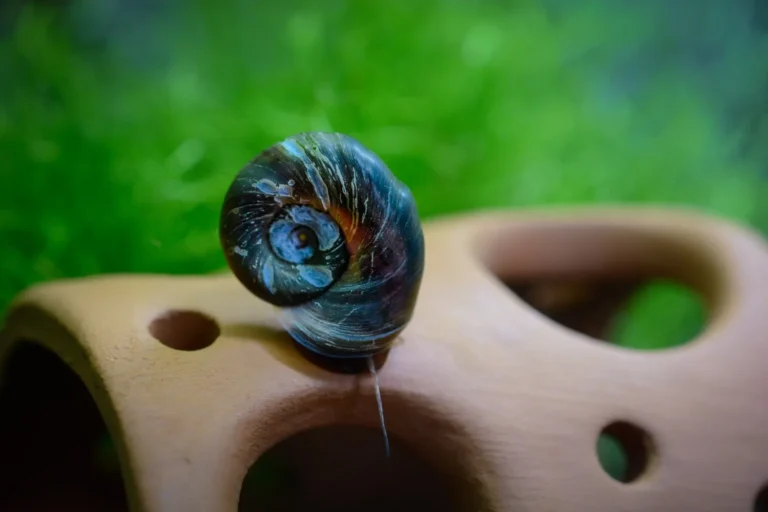
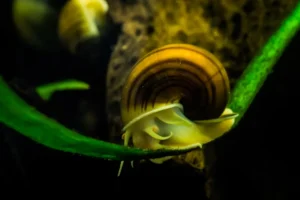
Blue Ramshorn Snail (Planorbella duryi) has a distinctive flat, coiled shell often showing blue to turquoise hues and a smooth, rounded aperture; shells can be thin but attractive in aquascapes. These snails are active grazers that move across glass, leaves, and hardscape searching for algae and biofilm, and they are most active during the day and at dusk. They are generally peaceful and do well in planted tanks where they help control algae, though very soft-leaved plants may get occasional nibbles. Their calm behavior and moderate size make them suitable for beginner and intermediate aquascapers who maintain stable water and calcium levels.
Quick overview
Blue Ramshorn,Ramshorn snail,Planorbella ramshorn
20 liters (5 gallons) minimum
Ideal aquarium setup
A planted tank with stable parameters and plenty of hard surfaces suits Blue Ramshorn Snails; include smooth stones, driftwood, and dense planting to provide grazing areas and shelter. They benefit from consistent calcium levels and a moderate GH to keep shells healthy, so avoid very soft, low-mineral water. This species is generally plant-safe but may nibble on very soft or damaged leaves.
A small colony does fine in 20–40 liters, but larger groups need more space and stability; aim for at least a 20 liter (5 gallon) tank and steady water chemistry. Stability is more important than tank size for healthy shells and slow, steady growth.
Fine gravel or sand works well since they do not burrow deeply; ensure substrate is clean to avoid excess detritus. Smooth substrate helps prevent shell damage when moving.
Generally plant-safe and useful in planted setups, but may nibble soft new leaves or damaged tissue; robust plants like Anubias, Java fern, and crypts are good companions. Fresh vegetable supplements will reduce the chance they target delicate plants.
Provide smooth rocks, driftwood, and broad leaf surfaces for egg deposition and grazing while avoiding sharp edges that can chip shells. Hiding spots under stones and among plant roots give them refuge and reduce stress.
Low to moderate flow is best so they can graze without being pushed around and biofilm can accumulate on surfaces.
Moderate lighting encourages some algal growth which provides natural food, while very high light will boost algae too much and low light reduces grazing resources. Balance lighting to support plants while allowing manageable amounts of algae for the snails.
Behavior and temperament
Blue Ramshorn Snails are slow to moderate movers that spend most of their time grazing surfaces for algae and biofilm. They are peaceful and ignore most tankmates, making them excellent community additions. When stressed by poor water or predators they may hide or retract into their shells and stop grazing. They are social in the sense they tolerate each other and often cluster where food is abundant.
Diet and feeding
They are primarily algae and biofilm grazers but will accept supplemental foods and blanched vegetables in the aquarium, and they also scavenge detritus. Regular supplementation of calcium-rich foods helps maintain shell health while occasional vegetable treats keep them fed when algae are scarce.
What they eat in nature
Algae, biofilm, detritus, decaying plant matter, microorganisms
What to feed in the aquarium
- Algae wafers
- Blanched zucchini or spinach
- Cuttlebone or crushed coral
- Sinking vegetable pellets
Feeding schedule
Offer supplemental vegetables or wafers 2–3 times per week and remove uneaten food after 24 hours to avoid water quality issues.
Special dietary needs
They require a steady supply of dietary calcium and minerals to prevent shell thinning and should have occasional vegetable supplements for balanced nutrition.
Daily:
Check for uneaten food and remove if present to keep water clean.
Weekly:
Provide one or two vegetable treats or a wafer and replenish calcium sources as needed.
Always:
Maintain a source of calcium such as cuttlebone or mineral-rich water to support shell health.
Tankmate compatibility
Blue Ramshorn Snails are peaceful and compatible with most community species but are vulnerable to snail-eating fish and invertebrates. They fill a helpful niche as algae grazers and detritivores, but populations can increase quickly in nutrient-rich tanks. Avoid aggressive or specialized snail predators if you want a stable colony.
Yes with caution,They coexist well with most freshwater shrimp but may compete for biofilm and food; ensure ample hiding places and food for both.
Compatible with other peaceful snail species though they may compete for grazing surfaces and resources.
Small tetras, rasboras, guppies, and other calm community fish are good tankmates as they ignore the snails and do not nip shells. These fish help maintain a peaceful environment without preying on the snails.
Loaches, puffers, and many cichlids will harass or eat ramshorn snails, so avoid housing them together unless you expect losses. Even larger gouramis or some catfish may pick at snails if hungry.
They breed readily and a few individuals can become a large colony over time; provide space and be prepared to remove excess snails if numbers get too high. Population control is often a practical part of keeping this species in planted tanks.
Breeding
Blue Ramshorn Snails are hermaphroditic and can breed in freshwater, depositing gelatinous egg clutches on glass, plants, and hardscape where young hatch as miniature snails; no larval stage is required. Eggs are visible as small clear or cloudy masses and hatch in about one to three weeks depending on temperature. Because they reproduce readily in stable, nutrient-rich tanks, keepers often see rapid population growth unless eggs or adults are removed or predators are present.
Pro tips
Keep a piece of cuttlebone or crushed coral in the tank to supply steady calcium for shell health.
Avoid copper-based medications which can be lethal to snails and shrimp in the aquarium.
Remove excess food promptly to prevent spikes in nutrients that drive overpopulation and algae blooms.
Shell erosion
Shell erosion is usually caused by low calcium, acidic water, or poor water quality; raise GH and provide calcium supplements to slow and repair damage. Monitor pH and hardness and correct deficiencies gradually.
Calcium deficiency
Thin or pitted shells and slow growth indicate insufficient calcium or low GH; add cuttlebone, crushed coral, or a dedicated mineral supplement and keep GH in a healthy range. Regular water changes with mineral-rich water help maintain levels.
Overpopulation
In nutrient-rich tanks with abundant food they can quickly become numerous; control by limiting supplemental food, removing egg clutches, or introducing safe snail predators. Manual removal or relocating extras is a common and effective approach.
Typical beginner mistakes
- Overfeeding causing food buildup
- Low calcium or soft water
- Keeping with snail-eating fish
Short summary
Blue Ramshorn Snails are peaceful, effective algae grazers that are easy to care for in planted aquascapes, provided water and mineral levels are kept stable. They are generally plant-safe but may nibble very soft leaves, and they require accessible calcium to maintain healthy shells. Their easy care and algae-cleaning habits make them a good choice for beginners and experienced aquascapers alike.
Frequently asked questions (FAQs)
Are blue ramshorn snails plant safe?
Mostly yes; they prefer algae and biofilm but may nibble soft or damaged leaves, so pair them with robust plants.
Will they overrun my tank?
They can breed rapidly in nutrient-rich tanks if food is abundant, so control feeding and remove excess snails or egg clutches to manage population.
Do these snails need calcium supplements?
Yes, a steady calcium source like cuttlebone or crushed coral helps prevent shell erosion and supports growth.
Can they live with shrimp?
Yes, they coexist well with most freshwater shrimp but may compete for biofilm, so ensure enough food and hiding spots for both.
How often do they lay eggs?
Egg laying depends on conditions but in warm, nutrient-rich tanks expect eggs every few weeks; clutches hatch in one to three weeks.
Will common aquarium fish eat them?
Many peaceful community fish ignore them, but loaches, puffers, and some cichlids will eat or harass them, so avoid those species if you want to keep snails.