At a glance
Peaceful
Algae grazer
Burrower
Hardy
Description
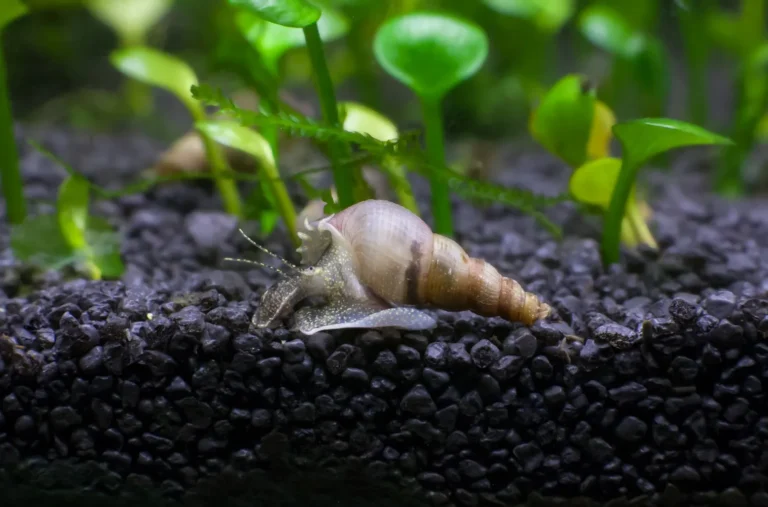
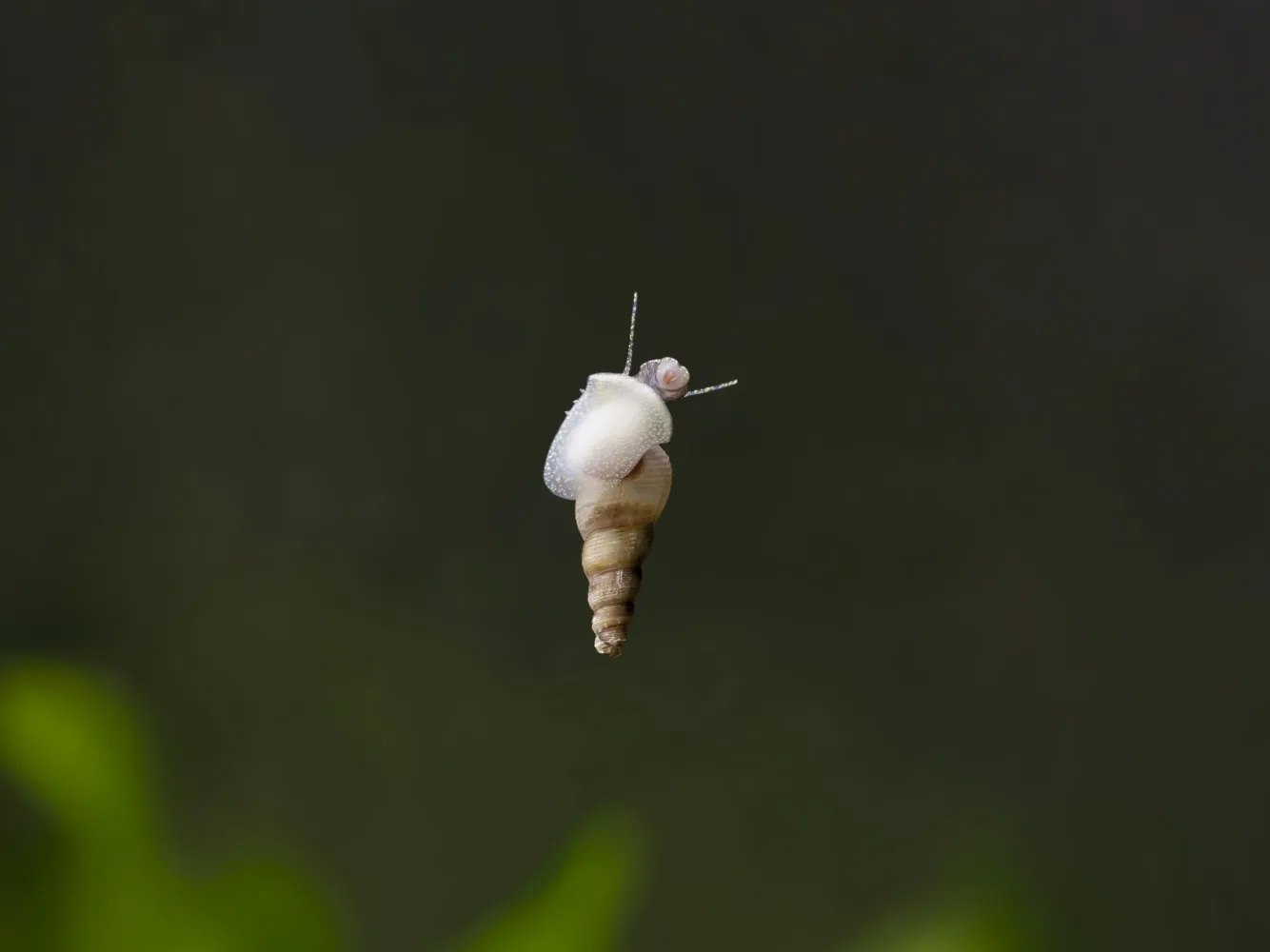
Malaysian trumpet snail (Melanoides tuberculata) has a tall conical shell usually brown to dark with subtle banding and a small operculum, adults typically reach 2–4 cm. These snails are active burrowers that sift fine substrate for detritus and biofilm and are most active at night but can be seen during the day. They are peaceful, efficient algae cleaners and generally safe for healthy plants. Their hardy nature and tolerance for a wide range of conditions makes them well suited to many planted aquascapes.

Quick overview
Malaysian trumpet snail,MTS,Trumpet snail
20 liters (5 gallons) minimum
Ideal aquarium setup
Provide a planted, well-established tank with fine sand or smooth gravel for burrowing and plenty of biofilm and detritus. Maintain stable water chemistry with moderate temperatures (about 20–28°C) and ensure adequate calcium to support shell health. They are plant-safe in most cases but benefit from areas with leaf litter and hiding spots.
A small colony does fine in 20–40 liters (5–10 gallons), but larger tanks reduce rapid population swings and make maintenance easier. Stability in water parameters is more important than tank size for long-term health.
Fine sand or smooth small-grain gravel is ideal to allow natural burrowing and prevent shell damage.
Generally plant-safe and unlikely to eat healthy mature leaves, though they may nibble soft new growth or weakened plants. Dense planting and robust root systems help protect delicate stems and leaves.
Provide smooth rocks, driftwood, and plenty of hiding spots; avoid sharp edges or jagged decorations that can chip shells. Dense planting and leaf litter create natural refuges and feeding areas.
Low to moderate flow is best because burrowers prefer gentle currents and detritus accumulation where they feed.
Moderate lighting encourages algal growth which provides a natural food source; very high light can produce nuisance algae but also more grazing opportunities. In well-balanced tanks they will thrive on the biofilm that forms under typical planted-tank lighting.

Behavior and temperament
These snails are active burrowers and spend much time sifting substrate for food, often surfacing at night. They are peaceful and do not bother fish or most plants in a healthy tank. They can help keep detritus and algae under control but may become more visible after feeding or when the substrate is disturbed. When stressed they may remain buried or retract into their shells for extended periods.
Diet and feeding
Malaysian trumpet snails are opportunistic feeders that graze algae, biofilm, and detritus; they will accept supplemental vegetables and sinking foods if natural food is scarce. Provide occasional blanched vegetables and a calcium source to support shell growth.
What they eat in nature
Algae, biofilm, detritus, decaying plant matter, microorganisms.
What to feed in the aquarium
- Algae and biofilm
- Blanched zucchini or spinach
- Sinking algae wafers or pellets
- Cuttlebone or crushed coral for calcium
- Leaf litter and decomposing plant matter
Feeding schedule
Supplemental feeding 1–3 times per week is usually sufficient; in well-established tanks they often find enough natural food on their own.
Special dietary needs
They need steady mineral and calcium intake for healthy shells, so add cuttlebone, crushed coral, or a mineral supplement if GH is low.
Daily:
Check for activity and remove uneaten vegetables after 24 hours to avoid water issues.
Weekly:
Top up calcium sources weekly and inspect shells for erosion or damage.
Always:
Always avoid copper-based medications and keep water parameters stable to prevent stress.
Tankmate compatibility
MTS are peaceful and compatible with most community fish and invertebrates, but are vulnerable to snail-eating species. They contribute to cleanup by consuming algae and detritus and generally coexist well with other bottom dwellers that do not prey on snails.
Yes with caution, they coexist well with shrimp but can compete for biofilm and hiding places and may be affected by the same water quality issues.
Compatible with other peaceful snail species, though competition for food can increase in crowded tanks and some species may reproduce faster.
Small community fish like tetras, rasboras, and guppies are suitable tankmates since they do not target snails. These fish benefit from the snail's cleanup behavior without causing harm to them.
Exercise caution with loaches, puffers, larger cichlids and other snail-eating species because they will prey on or harass Malaysian trumpet snails. Keeping snails with known predators will drastically reduce their numbers.
They reproduce readily and can form dense colonies if food is plentiful; providing larger tanks or controlled feeding helps manage population growth. Removing some individuals or introducing snail predators are common control methods.
Breeding
These snails can breed in freshwater and produce live young, often giving birth to small, fully formed juveniles rather than laying eggs; this means populations can increase quickly in a well-established tank. Young are hidden in substrate and are immediately independent, so control requires either removal or environmental management. Rapid growth is common in nutrient-rich setups, so expect steady recruitment unless checked.
Pro tips
Add a cuttlebone or crushed coral to the tank to maintain shell strength.
Use a fine sand substrate to allow natural burrowing and reduce stress.
Avoid copper medications and fast-acting snail traps if you want to keep them.
Shell erosion
Caused by low calcium or acidic water; raise GH or provide calcium supplements to halt and reverse damage when possible.
Calcium deficiency
Thin, pitted shells indicate insufficient minerals; add cuttlebone, crushed coral, or a liquid supplement and check hardness.
Population explosion
When food and hiding places are abundant they can multiply rapidly; control by reducing excess feeding, manual removal, or increasing tank size.
Typical beginner mistakes
- Overfeeding creating blooms
- Using copper or medication
- Keeping with snail-eating fish
Short summary
Malaysian trumpet snails are hardy, peaceful burrowers that help keep substrate clean by grazing algae and detritus. They are generally plant-safe and easy to care for, but their ability to reproduce in freshwater means populations can grow quickly if not managed. Provide stable water chemistry and calcium to keep them healthy in planted aquascapes.
Frequently asked questions (FAQs)
Do Malaysian trumpet snails eat live plants?
They rarely eat healthy mature plants and are mostly interested in detritus and biofilm, though soft new leaves can be nibbled in some cases.
Will they overrun my tank quickly?
They can reproduce rapidly in nutrient-rich tanks, so population control through feeding management or manual removal may be necessary.
Can they breed in freshwater aquariums?
Yes, they give live birth to juveniles in freshwater and do not require special conditions beyond stable parameters and adequate food.
How do I prevent shell problems?
Maintain adequate GH and provide calcium sources like cuttlebone or crushed coral to prevent erosion and promote healthy shells.
Are they compatible with shrimp and small fish?
Yes, they generally coexist well with shrimp and peaceful schooling fish but may compete for biofilm and hiding spots.
What kills Malaysian trumpet snails?
Copper medications and snail-eating species like some loaches and puffers will kill them, and poor water chemistry can lead to shell loss and mortality.