
Table of contents
At a glance
Peaceful
Hardy
Colorful
Beginner friendly
Description
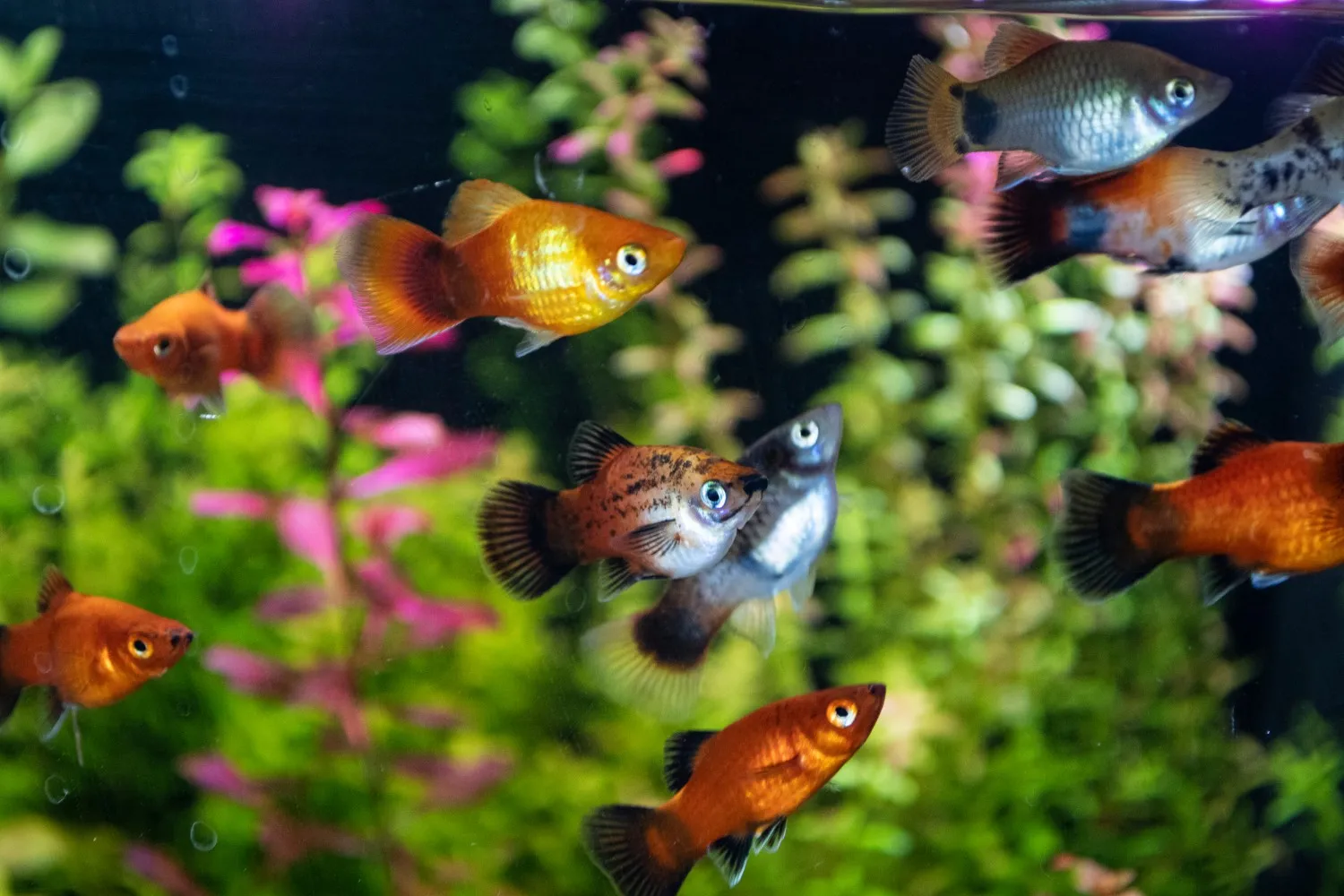
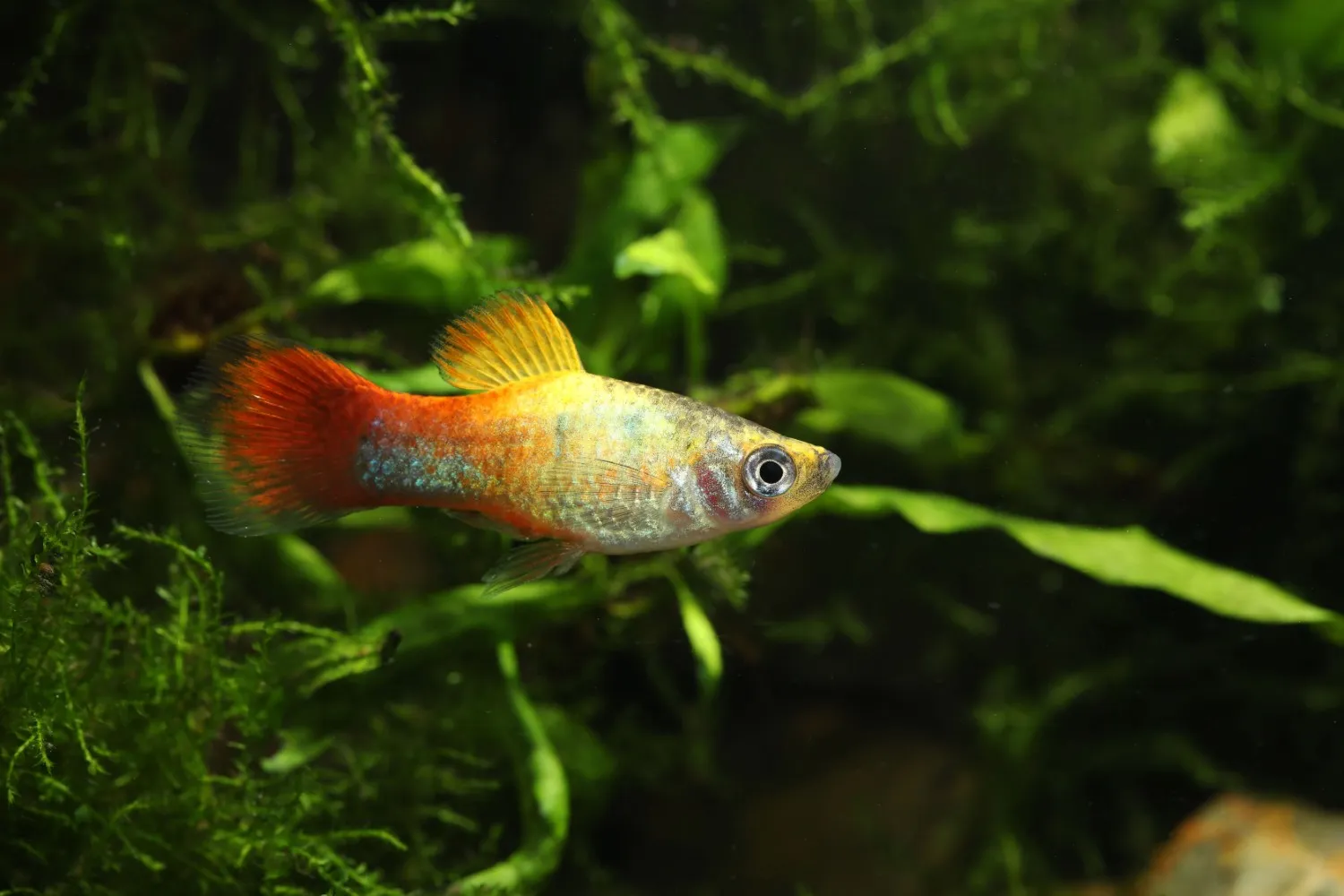
Platy (Xiphophorus maculatus) is a small, colorful livebearer prized for community aquariums and easy care. They occur in many bright color morphs and have a peaceful, active temperament that makes them a favorite for beginners and experienced hobbyists alike. Platys do best in stable, planted tanks with a varied omnivorous diet and places for fry to hide.
Quick overview
Platy, Common platy, Mickey mouse platy
Xiphophorus maculatus
Poeciliidae
4–6 cm (1.5–2.5 inches)
Peaceful, social, hardy
Midwater
40 liters (10 gallons) for a group
Freshwater, pH: 7.0–8.0
10–25 dGH
Easy
Ideal aquarium setup
Platys do best in a planted community aquarium with stable temperature and water chemistry that mimics their Central American origins. Provide plenty of open swimming space plus dense planting or floating cover so timid fish and fry can hide. Moderate temperatures, regular water changes and a balanced diet keep colors bright and behavior relaxed.
A 40–60 liter (10–15 gallon) tank is a good starting point for a small group of 4–6 platys, larger for more fish. More females than males helps reduce constant male harassment.
Moderate lighting suits both plant growth and platy behavior; they do well under typical aquarium lighting and tolerate lower light levels. Bright light highlights colors but provide shaded areas with floating plants to reduce stress.
Hardy stem plants, Java fern, Vallisneria and floating plants work well and give fry hiding places; dense planting reduces aggression and makes fish feel secure. Plants also help maintain water quality and offer grazing surfaces for algae and biofilm.
Low to moderate flow is best so fish can swim comfortably without fighting strong currents.
Fine gravel or sand suits planted tanks and looks natural for a Central American style setup.
Use smooth driftwood and rounded rocks to create visual interest while keeping open swimming areas; leaf litter or Malaysian almond leaves add tannins and cover for fry. Avoid sharp decor that can damage fins.
Behavior and temperament
Platys are social, active fish that do well in small groups but do not form tight schools like tetras. Males display and may chase females briefly during courtship, which is normal but can stress lone females if numbers are small. They are generally peaceful with similar-sized community fish but can become nippy when overcrowded or stressed. Good water quality and plenty of hiding spots reduce aggression and keep them relaxed.
Diet and feeding
Platys are omnivores with small stomachs that prefer frequent small meals and a varied diet to stay healthy and colorful. Offer a mix of quality flakes or pellets, frozen or live foods, and occasional vegetable matter to meet their nutritional needs.
What they eat in nature
Algae, small invertebrates, insect larvae, and plant detritus.
What to feed in the aquarium
- High-quality flake or micro-pellet food.
- Frozen or live foods like daphnia, brine shrimp and bloodworms.
- Vegetable treats such as blanched zucchini or spirulina flakes.
Feeding schedule
Feed small portions once or twice daily, offering only what they consume in 2–3 minutes.
Special dietary needs
No strict needs, but regular live or frozen foods and occasional vegetables improve coloration and condition, especially for breeding females.
Daily:
Feed small servings of flake or micro-pellets once or twice daily, enough for a few minutes of eating.
Weekly:
Offer frozen or live protein-rich foods two to three times weekly and a vegetable treat once weekly for fiber and variety.
Always:
Always avoid overfeeding and remove uneaten food promptly to keep water quality high.
Tankmate compatibility
Platys suit peaceful community tanks with other small, nonaggressive fish that share similar water parameters and size. Avoid large or aggressive species that may bully or eat smaller fish and fry. Keep in groups with compatible species to maintain natural behavior and reduce stress.
Shrimp
Yes with caution, smaller shrimp and babies may be eaten by platys while larger adult shrimp such as amano often coexist if plenty of hiding places are available.
Snails
Peaceful snails like nerites and ramshorns make good tankmates and help control algae while generally being ignored by platys.
Peaceful fish
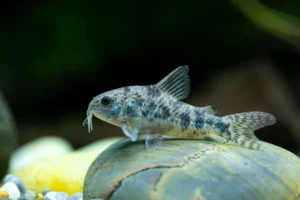
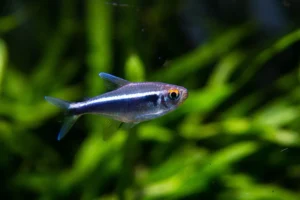
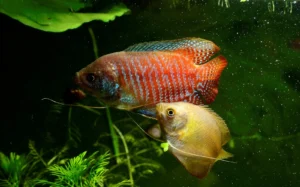
Good tankmates include small tetras, rasboras, corydoras and peaceful gouramis that match water chemistry and won’t nip fins.
Semi-aggressive fish
Avoid larger barbs, aggressive cichlids and fin-nipping species since they can harass or injure platys and outcompete them for food.
Same species
Platys breed readily and do well in mixed-sex groups of at least four to six; more females than males helps reduce constant chasing. Keep groups larger for healthier social dynamics and to dilute male attention.
Breeding
Platys are prolific livebearers that breed easily in home aquariums without special conditioning, so expect regular fry if males and females are together. Provide dense planting or a breeding box to protect fry from being eaten. Separate breeding tanks or heavy plant cover will boost juvenile survival.
Difficulty
Breeding is very easy because platys are livebearers with internal fertilization and females give birth to free-swimming fry frequently. The challenge is protecting fry from adult fish and providing suitable microfoods for the young.
How they breed
Livebearer, internal fertilization with females giving birth to fully formed fry.
Best setup for breeding
Use a well-planted breeding tank or breeder box with gentle filtration such as a sponge filter, slightly warmer water around 24–26°C (75–79°F), and dim lighting to reduce stress. Provide fine-leaved plants or spawning mops for fry to hide immediately after birth.
Feeding the babies
Start fry on infusoria or liquid fry food for the first few days, then move to newly hatched baby brine shrimp or microworms as they grow. Gradually transition to crushed flakes or micro-pellets as the fry reach several weeks old.
Pro tips
Keep more females than males to reduce continual male harassment.
Offer chopped vegetables weekly to support digestion and color.
Use a sponge filter in breeding setups to protect fry while maintaining water quality.
Ich outbreaks
Ich can appear when fish are stressed or water quality drops; raise temperature slightly and treat with appropriate medication while improving water parameters.
Fin nipping
Fin nipping usually happens with fin-nippers or overcrowding; separate aggressive fish and increase swimming space and hiding spots.
Overbreeding
Platys breed very readily and populations can quickly grow; remove fry or provide predator-safe grow-out tanks and manage adult ratios to control numbers.
Typical beginner mistakes
- Overstocking small tanks leading to poor water quality.
- Inconsistent water changes causing stress and disease.
- Overfeeding which results in algae and ammonia spikes.
Short summary
Platys are colorful, hardy livebearers ideal for beginner and community planted tanks, thriving with stable water and varied diets. They breed easily, appreciate groups and planted cover, and are forgiving as long as water quality is maintained.
Frequently asked questions (FAQs)
Are platys good for beginners?
Are platys good for beginners?
Yes, platys are hardy, easy to care for and tolerant of a range of conditions, making them excellent for beginners.
How many platys should I keep together?
How many platys should I keep together?
Keep at least four to six platys to encourage natural social behavior and reduce stress, with more space for larger groups.
Do platys eat plants?
Do platys eat plants?
Platys may nibble on soft leaves occasionally but generally do not destroy healthy plants and benefit from vegetable supplements.
Will platys bother shrimp or snails?
Will platys bother shrimp or snails?
Platys often ignore adult snails and larger shrimp but may eat baby shrimp, so provide hiding places if keeping shrimp together.
How often do platys breed?
How often do platys breed?
Females can give birth every 4–6 weeks when conditions are favorable, so expect frequent broods in mixed groups.
What temperature do platys prefer?
What temperature do platys prefer?
Platys do well between about 22–26°C (72–79°F), with slightly warmer water encouraging breeding activity.

Mette Tulin
Mette Tulin is the creator of Aquascapedia, with more than 15 years of hands-on experience in aquascaping, planted aquariums, and freshwater fish, shrimp, crayfish, and snails. She shares practical insights, curated aquatic life profiles, and inspiration to help others build thriving underwater landscapes.