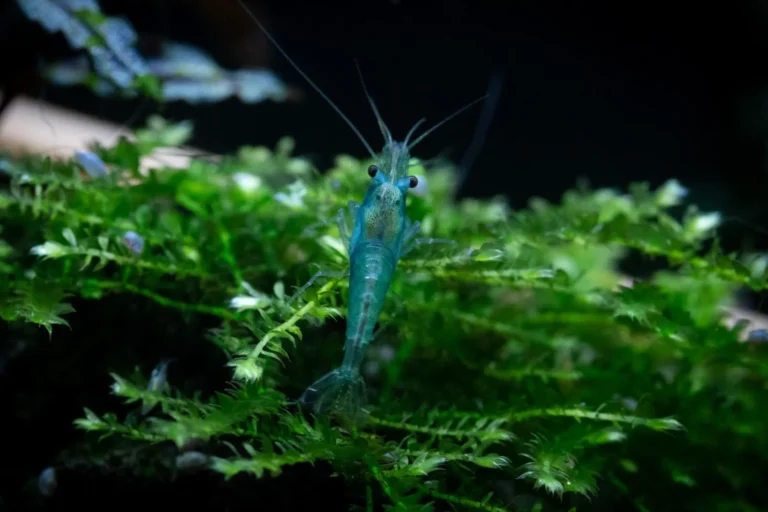
Both
Blue Dream Shrimp and
Blue Jelly Shrimp are popular color morphs of
Neocaridina davidi. While both bring a cool blue tone to planted tanks, they differ in depth and vibrancy, affecting how your aquascape feels. This article will help you understand those differences and decide which shrimp suits your setup and goals better.
Quick comparison guide
Feature
Red Cherry Shrimp
Blue Jelly Shrimp
Cool, rich blue with slight opacity.
Light, translucent blue with a cooler icy tone.
Has a velvety, almost glowing appearance that stands out boldly.
Forms a glassy, jelly-like look with lighter coverage that gives a subtle shimmer.
Shows deep, even coverage with high grades having nearly opaque bodies.
Less dense pigmentation, with higher grades showing clearer bodies and consistent blue shades.
Breeds fairly true when kept as a pure line, but crossbreeding can cause fading and mixed colors.
Can breed true when maintained carefully, but color loss or mix is common if not separated.
Perfect for aquascapers wanting strong visual contrast and moderate breeding effort.
Great for breeders and aquascapers wanting delicate, translucent blue effects.
Breeds reliably if parameters are stable; watch for color dilution if mixed with other lines.
Breeds mostly true with attention to line purity; slightly more prone to streaks.
Mixing often results in color fading toward wild-type or muddy offspring.
Mixing with other colors often causes muddier offspring and color instability.
Moderate; needs stable water but not overly sensitive.
Moderate; requires careful line management for best color results.
Color variations and grading: What sets Blue Dream Shrimp and Blue Jelly Shrimp apart?
Neocaridina davidi color morphs come in various grades that indicate color strength and coverage. Stronger, deeper colors usually mean a higher grade and more premium pricing. Selective breeding aims to improve consistency and reduce unwanted traits like mottling or patchiness. Lower grades typically have less uniform and lighter colors, and these are less marketed to keep lines appealing.
Blue Dream shrimp color characteristics
Blue Dream Shrimp are considered higher-quality because of their deep, rich blue that looks opaque and full. The color coverage is even and consistent, enhancing their visual pop in tanks. Their premium look comes from strong pigmentation and a velvet-like finish.
- Less obvious grade naming due to focus on mid to high grades
- Selective breeding keeps color depth consistent
- Lower grades often discarded or sold quietly
Interestingly, they balance between visibility and subtlety well for many aquascapes.
Blue Jelly shrimp color characteristics
Blue Jelly Shrimp stand out with a translucent, icy blue tone that offers a unique glass-like effect. Their pigmentation is lighter but consistent in good grades, giving a delicate shimmer instead of solid opacity. This line is prized for its subtlety and ethereal look.
- Clear grades focus on how translucent or solid the blue appears
- Selective breeders push for brighter but see some streaking
- Lower grades show paler or inconsistent blue patches
These shrimp highlight delicacy over boldness in color presentation.
What you should consider in your aquascape when choosing color
Choosing between Blue Dream and Blue Jelly depends on your aquascape's style and contrast goals. Blue Dream's stronger saturation fits setups needing bold color contrast, while Blue Jelly suits tanks aiming for soft, subtle accents. Also think about whether you want a stable pure line for breeding or don’t mind mixed colonies for visual variety.
1. Substrate color
- Blue Dream Shrimp stand out best on dark substrates like black or dark brown soil, enhancing their deep blue tones.
- Blue Jelly Shrimp look more striking on lighter or mid-toned substrates where their translucent blues are clearly visible.
2. Plant density
- In dense planted tanks, Blue Dream Shrimp contrast sharply against green leaves thanks to their solid blue hues.
- Blue Jelly Shrimp blend more delicately with plants, offering subtle blue highlights that complement greenery.
3. Lighting intensity
- Under typical 6,000–7,000K lighting, Blue Dream Shrimp appear vibrant and glowing, emphasizing their depth.
- Blue Jelly Shrimp under the same light reveal a glassy brightness with moderate shimmer but less intensity.
4. Colony consistency
Colony consistency refers to how uniform color and pattern remain when breeding shrimp over generations. Selective breeding is key to preserving strong color lines and avoid fading or mixed colors.
- Regular culling of weaker color specimens
- Separating color grades during breeding
- Using only the strongest colored shrimp as breeders
Care requirements
Both
Neocaridina davidi morphs share the same general care needs. Stability in water parameters is more important than hitting exact numbers for these shrimp.
- Temperature: 20–26°C (68–78°F)
- pH: 6.5–8.0
- GH: 6–12 dGH
- KH: 2–8 dKH
- Ammonia/Nitrite: 0 ppm
- Nitrate: Under 20 ppm
Price and availability for both shrimp
Blue Dream Shrimp usually cost less due to higher availability and broad breeder support. Blue Jelly Shrimp demand higher prices because of their delicate coloration and more limited true-breeding lines. Availability can vary depending on your region and breeder focus.
Factor
Red Cherry Shrimp
Blue Jelly Shrimp
Blue Dream Shrimp tend to be medium priced because they are widely bred and remain popular among hobbyists.
Blue Jelly Shrimp generally fall into a higher price range due to their translucent traits and more specialized breeding needs.
Fairly common; many breeders keep large lines due to demand and stable genetics.
Uncommon; fewer breeders maintain pure lines because of color delicacy and breeding challenges.
Breeding Blue Dream Shrimp vs Blue Jelly Shrimp
Both shrimp breed well under stable conditions with good water parameters and varied diet. Blue Dream shrimp tend to breed more true to color, making line maintenance easier. Blue Jelly shrimp can produce more variation, requiring careful line separation to preserve color purity. Separating males and females helps keep lines clean, especially if you want to avoid crossbreeding. Providing stable conditions and regular selective culling will improve results and reduce offspring with faded colors.
Can I mix Blue Dream Shrimp and Blue Jelly Shrimp?
Mixing Blue Dream and Blue Jelly shrimp results in offspring with muddier colors and a higher chance of wild-type traits appearing. Genetics in Neocaridina are complex, and crossing morphs blends color genes unevenly. To keep strong, consistent colors, it’s best to keep these shrimp lines separate if preservation of their distinct looks is your goal.
General advice:
- Keep shrimp lines separate to preserve color purity.
- Use separate tanks or quarantine to avoid accidental mixing.
- Mixing can be okay for varied tank looks but expect color fading over time.
Which shrimp is easier for beginners?
Generally, Blue Dream Shrimp are easier to keep and breed reliably because their genetics are more stable and they are more widely available. This makes finding quality stock more accessible and less expensive. Blue Jelly Shrimp require more attention to line purity and selective breeding to maintain their delicate color, which can be a bit challenging for beginners. Both have the same basic care, but Blue Dream’s robust presence helps hobbyists achieve consistent results with less fuss.
My personal advice
"I recommend starting with Blue Dream Shrimp if you’re new to colored Neocaridina or prefer a low-maintenance, visually strong shrimp. If you’re drawn to a subtle, glass-like blue effect and enjoy focusing on selective breeding, Blue Jelly could be rewarding but takes a bit more effort. Whichever you choose, keep conditions stable and avoid mixing lines to protect your shrimp's color. Remember, patience with breeding and line care brings the best results. Happy shrimp keeping!" –
MSo, which one should you choose for your aquarium?
Both Blue Dream and Blue Jelly Shrimp can thrive in well-maintained aquariums with similar care. The best choice depends mainly on whether you want a bold, opaque color or a translucent, delicate effect for your aquascape.
Choose Blue Dream for Bold Color
Pick Blue Dream Shrimp if you want a vibrant, strong blue that stands out clearly against plants and dark substrates. They are easier to breed consistently and offer great contrast for aquascapes. These shrimp are a solid choice for beginners and those looking for reliable color stability.
Choose Blue Jelly for Subtle Elegance
Go for Blue Jelly Shrimp if you like a softer, glass-like blue with translucent qualities that blend gently with your plants. They work well in light substrate tanks and for keepers focused on delicate visual effects. Breeding them requires more care but can be rewarding for experienced hobbyists.
Frequently asked questions (FAQs)
How does color intensity differ between Blue Dream and Blue Jelly?
Blue Dream has a deeper, more opaque blue, while Blue Jelly shows a lighter, translucent blue tone.
Are Blue Dream and Blue Jelly shrimp equally easy to breed?
Blue Dream shrimp tend to breed more consistently true to color, whereas Blue Jelly shrimp need more careful line management.
Can I keep Blue Dream and Blue Jelly shrimp together?
Keeping them together often leads to muddied colors and loss of distinct traits, so it’s best to separate them.
Which substrate color makes Blue Dream shrimp stand out best?
Dark substrates enhance Blue Dream shrimp’s rich blue tones and increase their visibility.
What lighting suits Blue Jelly shrimp for best appearance?
Moderate aquascape lighting (6,000–7,000K) highlights Blue Jelly shrimp’s glassy, translucent effect.
Does selective breeding really improve shrimp color stability?
Yes, selective breeding helps maintain strong, consistent colors and reduces fading or patchy offspring.