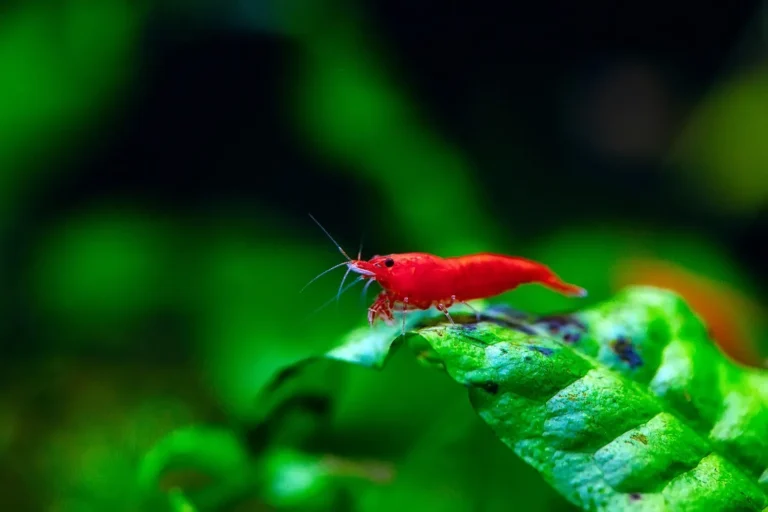
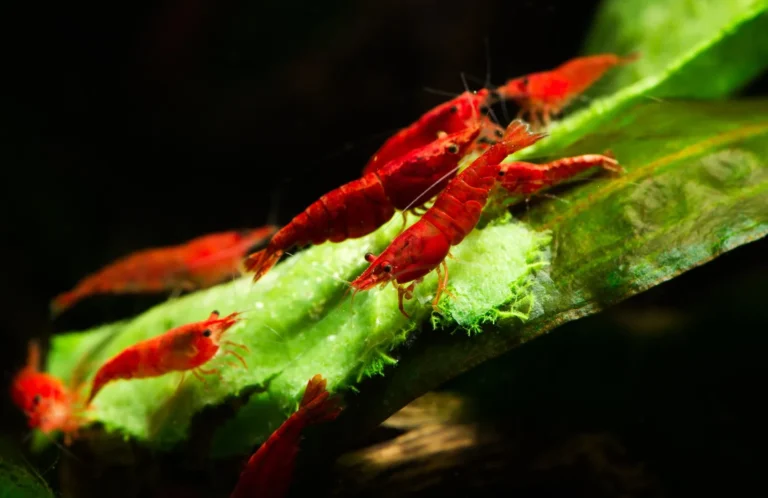
The Fire Red is a popular, vivid colour morph of Neocaridina davidi prized for its bold, uniform red. Individuals range from translucent orange-red to solid, opaque crimson, making them an excellent focal point in planted aquascapes. They are hardy and suitable for beginner to intermediate keepers when water chemistry is stable. Colour grading varies by line and care, so select and breed for saturation if you want deeper reds.
Fire Red stands out for its strong, often uniform red tone and high opacity compared with more translucent Neocaridina lines. Some specimens are solid crimson while others show slight orange undertones, so grading matters when selecting stock. The colour is influenced by genetics and husbandry, and may deepen with excellent diet and stable minerals. Environmental shifts such as lighting and substrate contrast can alter perceived intensity but do not usually change the underlying pigmentation.
Quick overview
Common name(s)
Fire Red, Red Cherry, Sakura
Color line
Fire Red
Latin name
Neocaridina davidi
Size
~2–3 cm
Temperament
Peaceful
Tank level
Mid to bottom
Minimum tank size
5 gallons (19 L)
Water type
Freshwater
Difficulty
Easy
Ideal aquarium setup
In aquascapes Fire Red shrimp pop against dark or richly planted backgrounds, providing a striking contrast and focal point. Use a dark substrate to deepen reds and moderate lighting; too bright light can wash out colour while balanced light promotes biofilm and contrast. Provide plenty of cover with mosses, ferns, driftwood and leaf litter to encourage grazing and safe moulting spots.
Behavior and temperament
They are active grazers that spend much time foraging across surfaces and plants, so you will often see them in mid to lower areas of the tank. They are peaceful and do well in groups, showing social grazing behaviour and little aggression.
Molting, health and color quality
A bright, consistent red is strongly linked to good overall health, steady water parameters and sufficient minerals to support clean, complete moults. Poor moulting or repeated failures often coincide with faded colour and indicate a need to check GH, calcium and tank stability. Colour quality also depends on diet and juvenile development; young shrimp will often be paler until several moults and a steady diet build up pigmentation.
Diet and feeding
They graze on biofilm and algae all day but benefit from supplemental feeding 2–3 times per week. Very clean tanks with little biofilm may require slightly more targeted feeding to keep growth and colour.
How to improve their color with food
Spirulina-rich flakes to boost red pigments
Chlorella supplements for overall health
High-quality colour foods formulated for shrimp
Support biofilm with leaf litter and blanched vegetables
Tankmates
Small peaceful fish like ember tetras, small rasboras and Otocinclus are generally safe companions, as are other invertebrates such as nerite snails. Larger or predatory fish will eat juveniles, so choose tankmates carefully and consider a shrimp-only tank if breeding or high survival of fry is important.
Breeding Fire Red Shrimp
They breed readily in community and dedicated shrimp tanks, producing frequent clutches if conditions are stable and food is adequate. Maintaining line quality requires selecting deeper-coloured adults and culling pale throwbacks, as some variability and revertants can appear without selective breeding.
How to keep the colony strong
Maintain stable water and regular small water changes
Provide consistent mineral levels for strong moults
Feed a varied diet and support biofilm growth
Separate breeders or cull weak colour to improve stock
Common problems
Poor water quality
Ammonia or nitrite spikes and unstable parameters cause colour fading and mortality; test water regularly and perform partial water changes to restore stability. Keep parameters steady and cycle tanks before adding shrimp.
Low mineral levels
Insufficient minerals can lead to weak moults and dull colour; maintain gentle GH and provide remineralising additives if needed. Use stable, appropriate substrates or additives to supply calcium and trace minerals.
Stress from lighting
Too-intense lighting can bleach colours and reduce grazing on shaded surfaces; aim for balanced light and shaded areas. Add floating plants or more dense moss to create darker zones.
Predation of juveniles
Larger fish and some invertebrates will eat juveniles, reducing recruitment; separate tanks or dense plant cover helps survival. For serious breeding keep a shrimp-only tank or use fine-leaved plants for fry shelter.
Similar color variants (and how they compare)
Red Cherry
Red Cherry tends to be slightly more translucent and orange-toned compared with Fire Red’s deeper saturation, often showing more visible internal features. It is generally easier to find but offers less solid coverage.
Red Sakura
Red Sakura shrimp usually sit between Red Cherry and Fire Red in intensity with a warm orange-red hue and moderate opacity, giving a softer red look. They can display good grading but are often less uniformly solid than top-tier Fire Red lines.
Super Red
Super Red represents a selectively bred, higher-grade red with very deep, often near-opaque crimson coverage that outshines standard Fire Red lines. These require more careful selection and sometimes stricter breeding practices to maintain saturation.
Short summary
Fire Red is a vivid Neocaridina davidi morph valued for bold red colour and relative hardiness. It suits beginner to intermediate aquarists in planted tanks with stable water and good biofilm. With proper feeding, mineral stability and selective breeding you can achieve deep, consistent reds.
Frequently asked questions (FAQs)
How bright should lighting be?
Moderate lighting is best to encourage biofilm without bleaching colours; provide shaded areas to prevent stress. Balance light duration rather than cranking brightness.
Do they need special water parameters?
They prefer stable, neutral to slightly acidic pH and gentle GH; extremes are unnecessary but stability matters more than exact numbers. Avoid sudden parameter swings.
Can I keep them with tetras?
Yes, many small, peaceful tetras work well, but avoid larger or aggressive species that will eat juveniles. Dense plants and hiding places reduce risk.
How often do they moult?
Adults moult every few weeks depending on diet and water quality, while juveniles moult more frequently as they grow. Provide calcium and quiet hiding spots to support successful moulting.
Will colour improve with diet?
Yes, a varied diet with spirulina, chlorella and specialised colour foods can enhance red saturation over time. Also support biofilm growth and stable minerals for best results.
Are Fire Red shrimp good for beginners?
Yes, Fire Red shrimp are considered suitable for beginners due to their hardiness, but they still need stable water and basic care. Keeping a group will also improve behaviour and survival.
Mette Tulin
Mette Tulin is the creator of Aquascapedia, with more than 15 years of hands-on experience in aquascaping, planted aquariums, and freshwater fish, shrimp, crayfish, and snails. She shares practical insights, curated aquatic life profiles, and inspiration to help others build thriving underwater landscapes.
Aquascapedia uses cookies to ensure the website functions properly and to understand how visitors interact with the content. Analytics cookies are only used with your consent.
Necessary
Always active
Required for the website to function properly. These cookies cannot be disabled.
Preferences
The technical storage or access is necessary for the legitimate purpose of storing preferences that are not requested by the subscriber or user.
Analytics
The technical storage or access that is used exclusively for statistical purposes.Used to understand how visitors interact with the website. No personally identifiable information is used, and analytics cookies are only set with your consent.
Marketing
The technical storage or access is required to create user profiles to send advertising, or to track the user on a website or across several websites for similar marketing purposes.