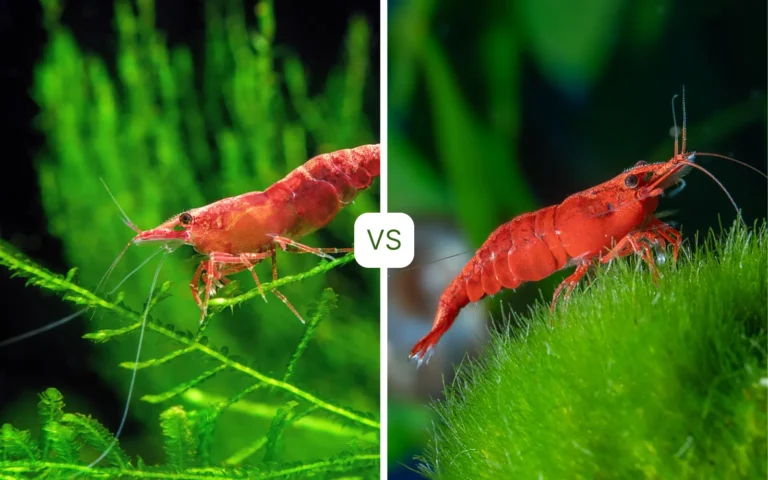
Both
Red Cherry Shrimp and
Red Sakura Shrimp are popular color morphs of
Neocaridina davidi loved for their vibrant reds. They might look similar at first glance, but their color intensity and how they stand out in an aquascape can be quite different. This article will help you understand these differences so you can pick the best shrimp for your tank’s style and your goals.
Quick comparison guide
Feature
Red Cherry Shrimp
Red Sakura Shrimp
A warm, deep red with rich saturation.
A lighter, more transparent red with softer tones.
Bright and solid red with strong visual “pop” in the tank.
Has a gentle, translucent look that can blend subtly with plants.
Full coverage and dense pigmentation; higher grades have completely opaque color.
Color coverage is generally less dense; higher grades show more solid red but still lighter than Red Cherry.
Breeds true when kept as a separate red line; mixing with other Neocaridina can cause faded or mixed colors over time.
Less consistent breeding true; offspring often show varying shades and some fading unless specially selected.
Great for beginners and aquascapers who want a reliable, noticeable red color.
Better suited for experienced breeders or aquascapers wanting a delicate red shade.
Breeds true reliably if kept isolated; watch for any pale individuals to remove for best results.
Requires more careful selection to maintain color; may fade or drift if mixed or stressed.
Mixing with other colors can lead to color dilution or wild-type traits returning in offspring.
Mixing with other Neocaridina lines often causes color muddiness and loss of the soft red tone.
Beginner-friendly due to hardiness and stable color lines.
Moderate; needs more care to maintain color stability.
Color variations and grading: What sets Red Cherry Shrimp and Red Sakura Shrimp apart?
Neocaridina lines like Red Cherry and Red Sakura have color grades to indicate pigment depth and intensity. Stronger color usually means a higher grade and is prized for clearer, more vivid reds. Selective breeding helps keep these grades consistent but low-grade shrimp are more common in mixed batches. Over time, dedicated breeding improves both color saturation and line purity.
Red Cherry shrimp color characteristics
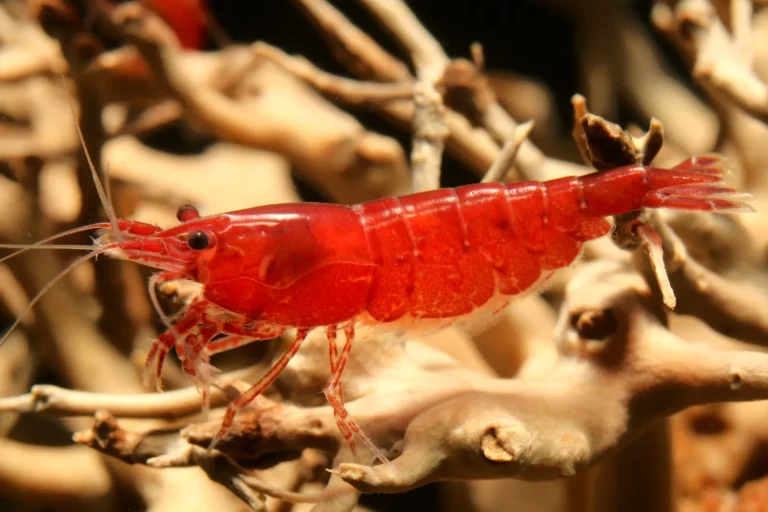
Red Cherry Shrimp are considered higher quality because of their deep, opaque red color and solid coverage that makes them stand out. Their opacity gives the red a richer and more intense look compared to lighter morphs.
- Selective breeding focuses on mid-high grades
- Low grades with pale colors are less marketed
- Color grading is less publicized due to widespread demand
A strong Red Cherry colony can brighten any aquascape.
Red Sakura shrimp color characteristics
Red Sakura Shrimp show a lighter red with a more translucent tone, which can look elegant but less dense. Their softer pigmentation means the color can seem less saturated, especially in lower grades.
- Higher grades aim for fuller color but still lighter than Cherry
- Selective breeding is emerging to improve consistency
- Line purity can be variable depending on breeders
Their delicate hue adds subtlety to planted tanks.
What you should consider in your aquascape when choosing color
Choosing between Red Cherry and Red Sakura depends on your tank style and goals. Cherry shrimp offer bold contrast ideal for darker substrates and bright setups, while Sakura shrimp suit soft, natural looks with moderate contrast. Decide if you want a pure, stable red line or a more mixed, delicate display to guide your choice.
1. Substrate color
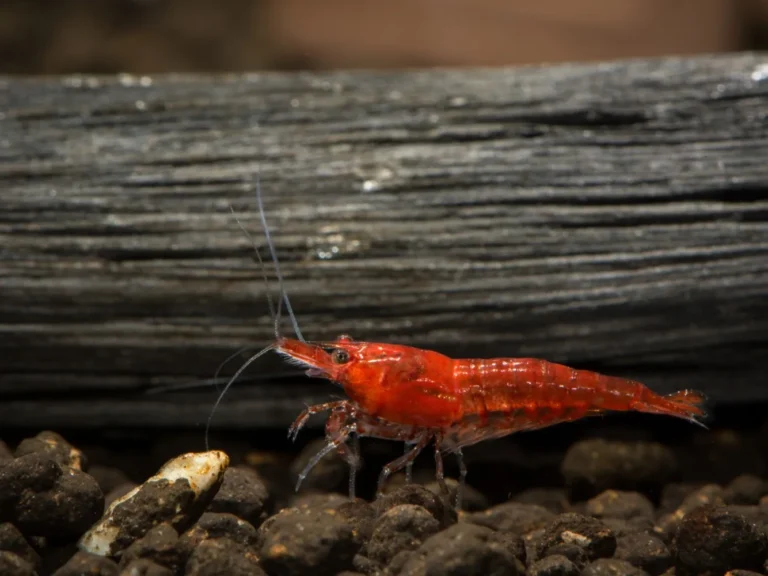
- Red Cherry Shrimp stand out best against dark soil substrates, which enhance their vivid red color.
- Red Sakura Shrimp look softer on neutral to lighter substrates but can lose impact on very dark ones.
2. Plant density
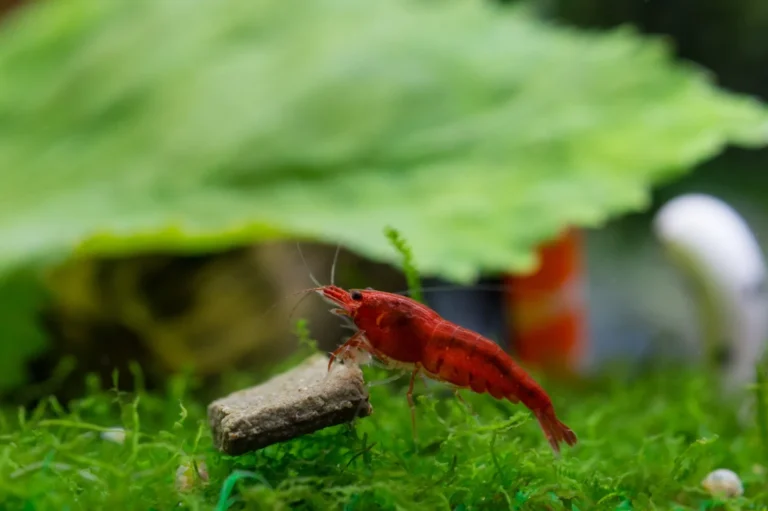
- Red Cherry Shrimp pop strongly with medium to high plant density due to their opaque red contrasting with green leaves.
- Red Sakura Shrimp blend more subtly in dense plants, complementing rather than dominating greenery.
3. Lighting intensity
- Red Cherry Shrimp appear bright and bold under typical 6,000–7,000K aquascape lighting, showing off their depth.
- Red Sakura Shrimp reflect a gentle glow under this lighting but may look washed out unless carefully selected.
4. Colony consistency
Colony consistency means how uniform shrimp appear when bred together, important for predictable color in Neocaridina lines. Selective breeding boosts this by focusing on the best color traits.
- Selectively cull pale or off-color shrimp
- Keep separate lines from other color morphs
- Breed only from the strongest colored parents
Care requirements
Both shrimp are
Neocaridina davidi and share the same care needs, with stable water parameters being key over chasing exact numbers. Regular water changes and low pollutants support healthy shrimp and good color.
- Temperature: 20–26°C
- pH: 6.5–8.0
- GH: 6–12 dGH
- KH: 2–8 dKH
- Ammonia/Nitrite: 0 ppm
- Nitrate: Below 20 ppm
Price and availability for both shrimp
Red Sakura shrimp tend to cost more due to their delicate color and sometimes tricky breeding to maintain lines, while Red Cherry shrimp are more common and easier to breed reliably. Local availability varies with breeder focus and demand for each color type.
Factor
Red Cherry Shrimp
Red Sakura Shrimp
Price for Red Cherry Shrimp is usually medium because they are widely bred and readily available.
Red Sakura Shrimp are often higher priced due to less availability and their more selective breeding requirements.
Common; widely bred by hobbyists and available at most stores.
Uncommon; fewer breeders focus on maintaining pure Sakura lines.
Breeding Red Cherry Shrimp vs Red Sakura Shrimp
Both shrimp breed similarly under good, stable conditions with ample food and low stress. Red Cherry shrimp breed true more consistently, while Red Sakura shrimp require selective pairing and culling to keep their softer color stable. Separating shrimp by color line helps maintain pure traits across generations. Good water quality and steady temperature improve breeding success for both morphs.
Can I mix Red Cherry Shrimp and Red Sakura Shrimp?
Mixing Red Cherry and Red Sakura shrimp generally causes genetic mixing that leads to muddier colors, reduced saturation, and more wild-type offspring. Over multiple generations, distinct color traits blur unless lines are kept separate. For best color consistency, it's wise to breed each line in isolation.
General advice:
- Keep different Neocaridina colors separate to maintain their unique traits.
- If mixing, expect color dilution and less vivid offspring over time.
- Use selective breeding to refine and recover desired colors if lines mix.
Which shrimp is easier for beginners?
Generally, Red Cherry Shrimp are easier for most hobbyists because they are more widely available, cost less, and have more stable color genetics. Their hardiness and reliability make them a favorite among beginners and breeders alike. Red Sakura shrimp require more attention to breeding and line maintenance to preserve their delicate color. However, neither is notably harder to care for since both share basic needs as Neocaridina davidi. It’s mostly about how much effort you want to put into maintaining that specific red shade.
My personal advice
"I recommend starting with Red Cherry Shrimp if you’re new to the hobby or want a reliably bright red color with less fuss. Focus on stable conditions and healthy plants to really bring out their vibrant look. If you’re more experienced and want a softer, subtler red, try Red Sakura—but be ready for selective breeding and patience. Don’t mix lines unless you’re okay with less consistent colors. Have fun!" –
MSo, which one should you choose for your aquarium?
Both Red Cherry and Red Sakura Shrimp can thrive in home aquariums and add beautiful color to your tank. Your best choice depends on whether you want bold, consistent reds or softer, more delicate hues for your aquascape.
Choose Red Cherry for vibrant reds
Go for Red Cherry if you want a strong, intense red that stands out in your tank. They’re easier to breed true and are beginner-friendly, making them ideal for new hobbyists or those seeking reliable color.
Choose Red Sakura for subtle elegance
Pick Red Sakura if you prefer a lighter, translucent red that creates a gentle contrast in your planted tank. They suit hobbyists who enjoy working on line purity and enjoy a more understated look.
Frequently asked questions (FAQs)
Do Red Cherry and Red Sakura have different care requirements?
No, both share the same care as Neocaridina davidi and need stable water conditions and good feeding.
Which shrimp color is easier to breed true?
Red Cherry breeds true more consistently, while Red Sakura requires more selective breeding to maintain color.
Can I keep Red Cherry and Red Sakura shrimp together in one tank?
You can keep them together, but expect color dilution and muddier offspring over generations.
How does substrate color affect the appearance of these shrimp?
Red Cherry shrimp stand out best on dark substrates, while Red Sakura shrimp look better on lighter or neutral substrates.
Why is Red Sakura shrimp usually more expensive than Red Cherry?
Red Sakura shrimp are less common and require more careful breeding to maintain their delicate color, raising their price.
Which shrimp is more beginner-friendly for aquascaping?
Red Cherry shrimp are more beginner-friendly due to their hardiness and stable, bright color lines.