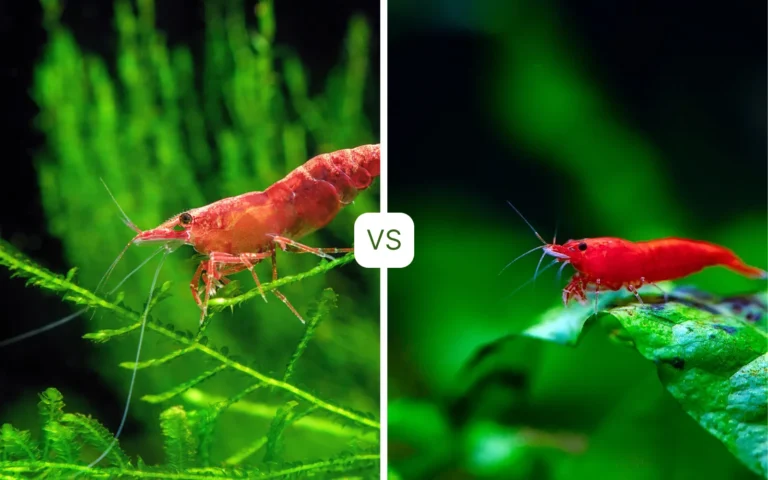
The
Red Cherry Shrimp and
Fire Red Shrimp are two popular color morphs of
Neocaridina davidi often compared by aquascapers. Both bring vibrant red hues to planted tanks, but their color intensity and breeding traits can differ noticeably. This article will help you understand these differences and decide which shrimp suits your aquascape and goals best.
Quick comparison guide
Feature
Red Cherry Shrimp
Fire Red Shrimp
Warm, medium red tone with a balanced saturation.
Bright, rich crimson red tone with deeper saturation than standard reds.
Displays a solid, vibrant red that provides good contrast but with some translucency in low grades.
Has a vivid, almost solid red glow that stands out sharply against plants and substrate.
Pigmentation is strong and even, with higher grades showing near opaque deep red coverage.
Typically more intense and opaque pigmentation, with top grades showing a striking fire-like red.
Breeds fairly true when kept separate, though mixing with other lines or poor water conditions can cause color fading or dilution.
Breeds mostly true under careful line maintenance, though lower grades can vary and fade with stress or mixing.
Great choice for beginners and those wanting a lively, easy-to-keep red shrimp.
Ideal for aquascapers and breeders aiming for strong color impact and selective line breeding.
Breeds reliably true with consistent care but watch for color dilution if mixed with other morphs.
Requires consistent line separation and stable parameters for best true-breeding results.
Mixing with other Neocaridina morphs may lead to muddied colors or reversion toward wild-type traits.
Mixing risks color muddling and loss of pure Fire Red traits over generations.
Beginner-friendly due to hardiness and forgiving water parameters.
Moderate; needs more attention to water stability and selective breeding.
Color variations and grading: What sets Red Cherry Shrimp and Fire Red Shrimp apart?
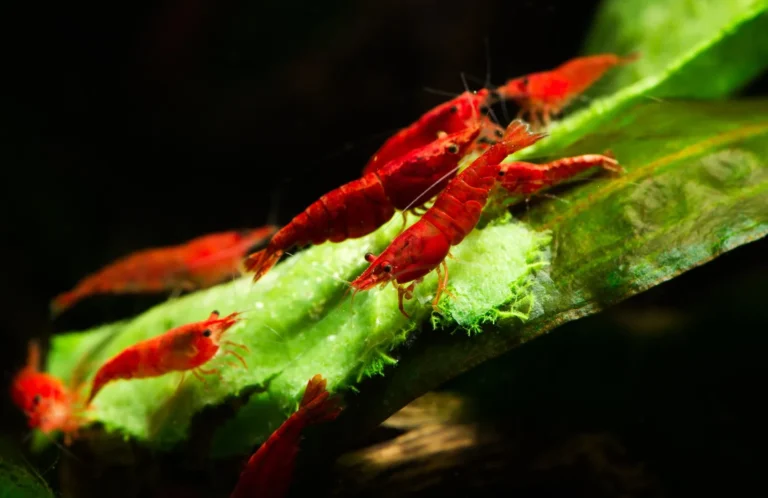
Neocaridina shrimp lines like Red Cherry and Fire Red have different grades based on color intensity and coverage. Higher grades show more solid, opaque red with fewer translucent areas, making them more visually striking. Selective breeding improves consistency but some variation still happens in lower grades. This grading helps hobbyists pick shrimp for specific looks or breeding goals.
Red Cherry shrimp color characteristics
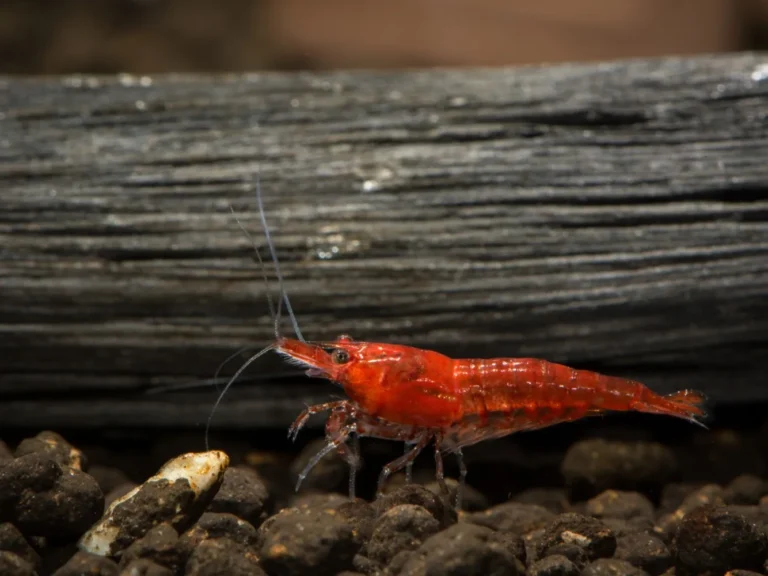
Red Cherry Shrimp is often seen as a premium color line due to its balanced red depth and good opacity, creating a rich but natural look. Its color depth makes it versatile for many aquascapes.
- Selective breeding keeps colors consistent but less focused on dramatic variation
- Most sold shrimp are mid to high grade with solid color
- Lower grades exist but are less marketed due to paler hues
A fun fact is that Red Cherry Shrimp were among the first Neocaridina morphs popular worldwide.
Fire Red shrimp color characteristics
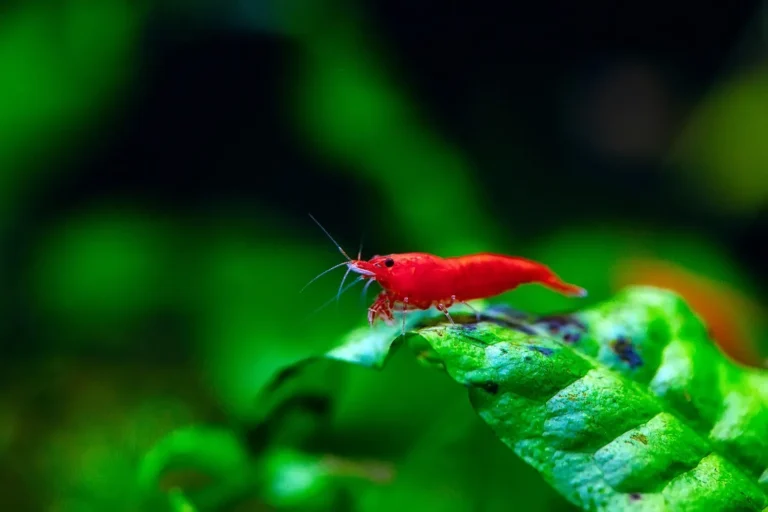
Fire Red Shrimp are prized for their intense, deep crimson red color that stands out vividly in any tank. Their opacity is generally higher, giving a more striking and less translucent look.
- Selective breeding targets strong color expression and opacity
- There are clearer grade distinctions based on color intensity
- Lower grades fade easily and are less commonly sold by reputable breeders
They often command a bit more attention because of their fiery appearance.
What you should consider in your aquascape when choosing color
Choosing between Red Cherry and Fire Red shrimp often comes down to your tank’s style and what kind of visual impact you want. If you prefer a bright but softer red that blends naturally, Red Cherry works well. For high contrast and pure red colonies, Fire Red shrimp might be better. Also consider whether you want to maintain pure color lines or mix shrimp for variety in your display.
1. Substrate color
- Red Cherry Shrimp look best on dark substrates which enhance their red tones and reduce stress.
- Fire Red Shrimp stand out sharply on dark substrate but can appear slightly washed out on light substrate.
2. Plant density
- Red Cherry Shrimp contrast nicely with lush green plants, their medium red providing good depth without overwhelming.
- Fire Red Shrimp really pop against green plants, their intense red creating dramatic visual contrast.
3. Lighting intensity
- Under typical aquascape lighting (6,000–7,000K), Red Cherry Shrimp show bright but natural red hues with pleasing depth.
- Fire Red Shrimp appear vividly bright and solid red, making them very eye-catching under the same lighting.
4. Colony consistency
Colony consistency means how uniform shrimp color stays when breeding in a group. Selective breeding ensures offspring maintain desired traits over generations.
- Remove weaker colored shrimp to keep the strongest grades
- Keep color lines separate to prevent dilution
- Breed from the most vibrant and consistent individuals
Care requirements
Both shrimp are
Neocaridina davidi with similar care needs. Keeping stable water parameters is more important than exact numbers. Sudden changes or poor water quality cause stress and color loss.
- Temperature: 20–26°C
- pH: 6.5–8.0
- GH: 6–12 dGH
- KH: 2–8 dKH
- Ammonia/Nitrite: 0 ppm
- Nitrate: Below 20 ppm
Price and availability for both shrimp
Fire Red shrimp tend to cost more due to their more selective breeding and higher demand for pure, strong color lines. Red Cherry Shrimp are generally more affordable and easier to find in most pet stores and online. Availability depends on local breeders and import sources.
Factor
Red Cherry Shrimp
Fire Red Shrimp
Red Cherry Shrimp are usually low-cost because they are widely bred and readily available from many sources.
Fire Red Shrimp price is medium due to the need for careful line maintenance and selective breeding.
Common; found easily at most aquatic retailers with steady demand.
Fairly common; available from specialized breeders but less so than Red Cherry Shrimp.
Breeding Red Cherry Shrimp vs Fire Red Shrimp
Both shrimp breed fairly easily in stable tanks but Fire Red Shrimp require more attention to maintain pure lines. They can breed true with minimal color loss if separated well and bred from top grades. Red Cherry Shrimp breed true more readily and are less sensitive to beginner mistakes. Stable water and good food improve survival and color retention for both. Separating color lines prevents muddy offspring and helps ensure predictable results over time.
Can I mix Red Cherry Shrimp and Fire Red Shrimp?
Mixing Red Cherry and Fire Red shrimp can cause offspring with less vibrant coloration and more wild-type or pale colors over generations. This happens because color traits dilute when lines cross. If you want to keep strong, consistent colors, it's better to keep these shrimp lines separate and breed them independently.
General advice:
- Keep Red Cherry and Fire Red colonies separate to preserve strong colors
- Use separate tanks or partitions if breeding pure lines
- Muddy colors appear over generations if lines mix
Which shrimp is easier for beginners?
Red Cherry Shrimp are generally easier for beginners and casual hobbyists due to their low cost, wide availability, and forgiving nature in variable water conditions. Fire Red Shrimp require more careful selection and stable parameters to maintain their vivid color, which can be challenging for new keepers. From a breeding perspective, Red Cherry shrimp are simpler to raise true without specialized line management. Overall, Red Cherry is the more approachable choice, while Fire Red suits those with some experience and a focus on high color impact.
My personal advice
"I recommend starting with Red Cherry Shrimp if you're new or want a lively colony that stands out without much fuss. If you enjoy breeding and want bright, bold colors in your tank, Fire Red can be rewarding but takes more care. Either way, focus first on stable water and a healthy environment rather than chasing perfect color early on. Avoid mixing lines if you want consistent shrimp color. Have fun!" –
MSo, which one should you choose for your aquarium?
Both Red Cherry and Fire Red Shrimp can thrive in home aquariums with similar care. Your best choice depends on whether you prioritize ease, price, or vivid color impact in your setup.
Choose Red Cherry for ease and value
Red Cherry Shrimp are an excellent pick for beginners or those wanting vibrant red color without extra hassle. They are widely available, affordable, and breed reliably with strong color in standard tanks. Their moderate red tone blends well in many aquascapes and they tolerate less-than-perfect conditions better than Fire Red shrimp, making them lower commitment.
Choose Fire Red for bold color impact
Fire Red Shrimp are best if you want a deep, intense red that really pops against green plants and dark substrate. They suit enthusiasts focused on selective breeding and pure, high-grade coloration. While needing more care and stable conditions, their striking look makes a standout aquascape centerpiece.
Frequently asked questions (FAQs)
How does color intensity compare between Red Cherry and Fire Red?
Fire Red shrimp usually have more intense, deeper red pigmentation, while Red Cherry shrimp show a warmer, medium red tone that is still vibrant but less saturated.
Are Red Cherry and Fire Red shrimp equally easy to breed true?
Red Cherry shrimp breed true more easily with consistent care, while Fire Red shrimp require more selective breeding and separation to maintain pure color lines.
Can I keep Red Cherry and Fire Red shrimp in the same tank?
You can keep them together, but over time their colors may fade and offspring will often show muddier colors due to genetic mixing.
Does substrate color affect shrimp color appearance?
Yes, both shrimp look best on dark substrates which enhance their red tones and reduce stress, making their colors stand out more vividly.
Which shrimp is better for beginners, Red Cherry or Fire Red?
Red Cherry shrimp are better for beginners because they are more forgiving to water changes and easier to breed successfully.
What tank conditions are ideal for maintaining shrimp color vibrancy?
Stable water parameters with proper temperature, pH, low ammonia/nitrite, moderate GH and KH, and good nutrition help keep shrimp colors bright and vibrant.