At a glance
Floating plant
Fine texture
High light
Fast growth
Description
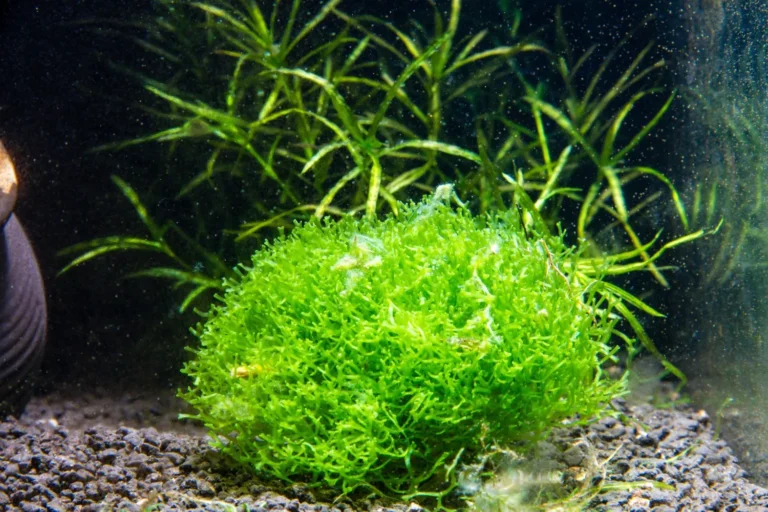
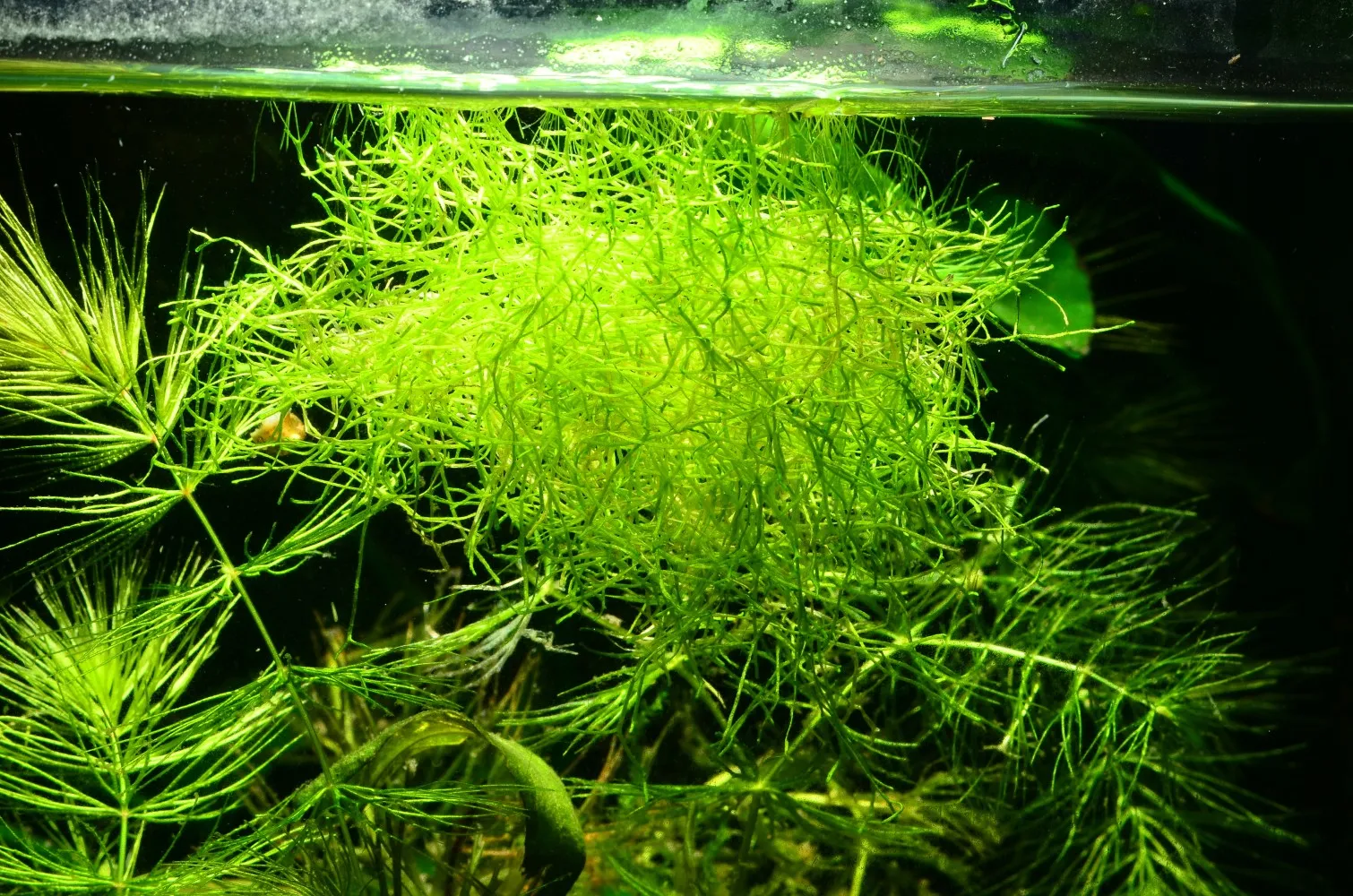
Floating crystalwort is a small bright green thalloid aquatic liverwort commonly used as a floating mat or tied-down carpet. Riccia fluitans forms delicate branching fronds that create a soft, textured surface and responds quickly to light and nutrients. It is forgiving for beginners but performs best with good lighting and steady nutrients. Regular maintenance and occasional trimming keep mats dense and attractive.
Quick overview
Floating crystalwort, Crystalwort, Floating liverwort, Riccia
Fronds ~1–3 mm, mats ~1–4 cm
Ideal use in aquascaping
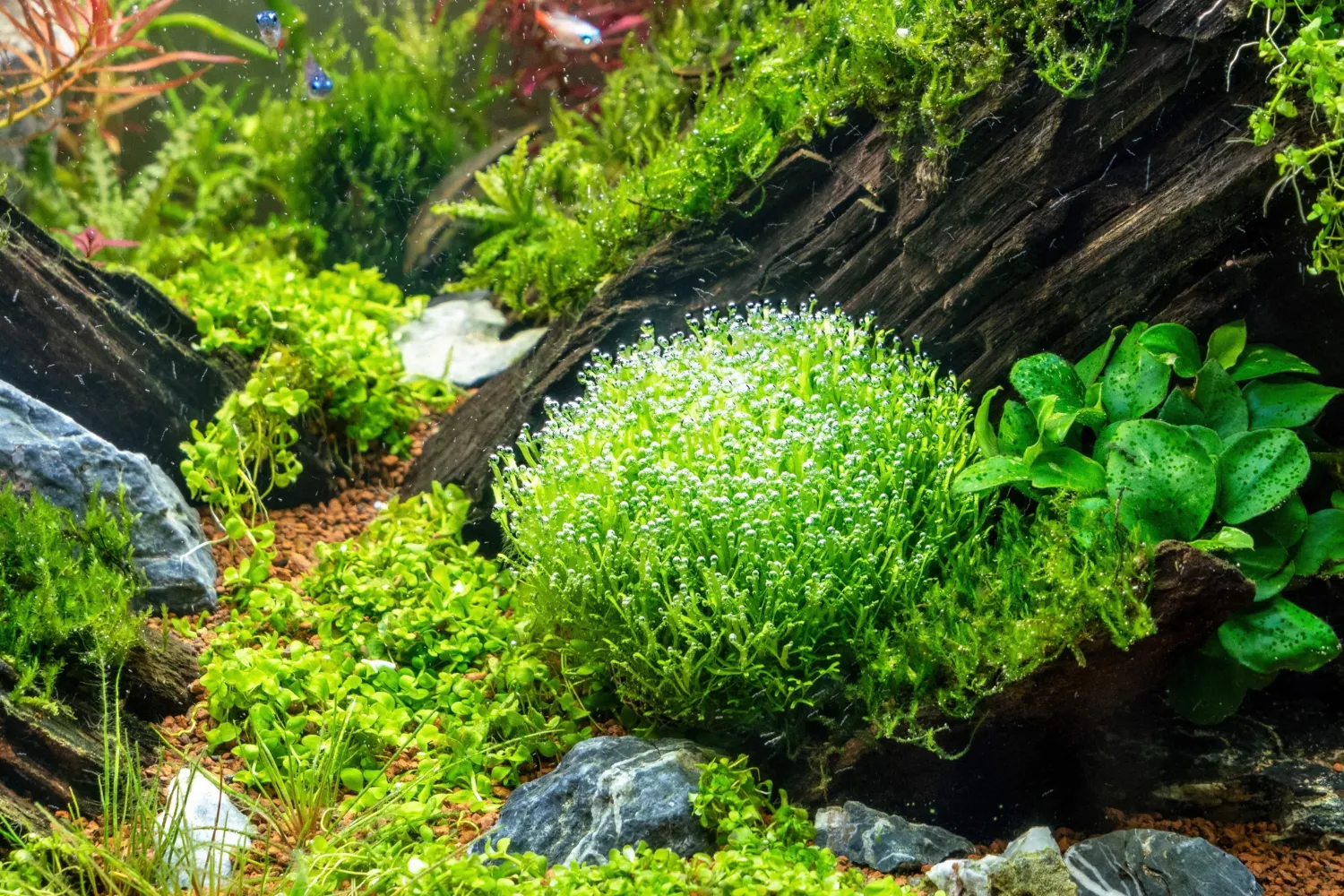
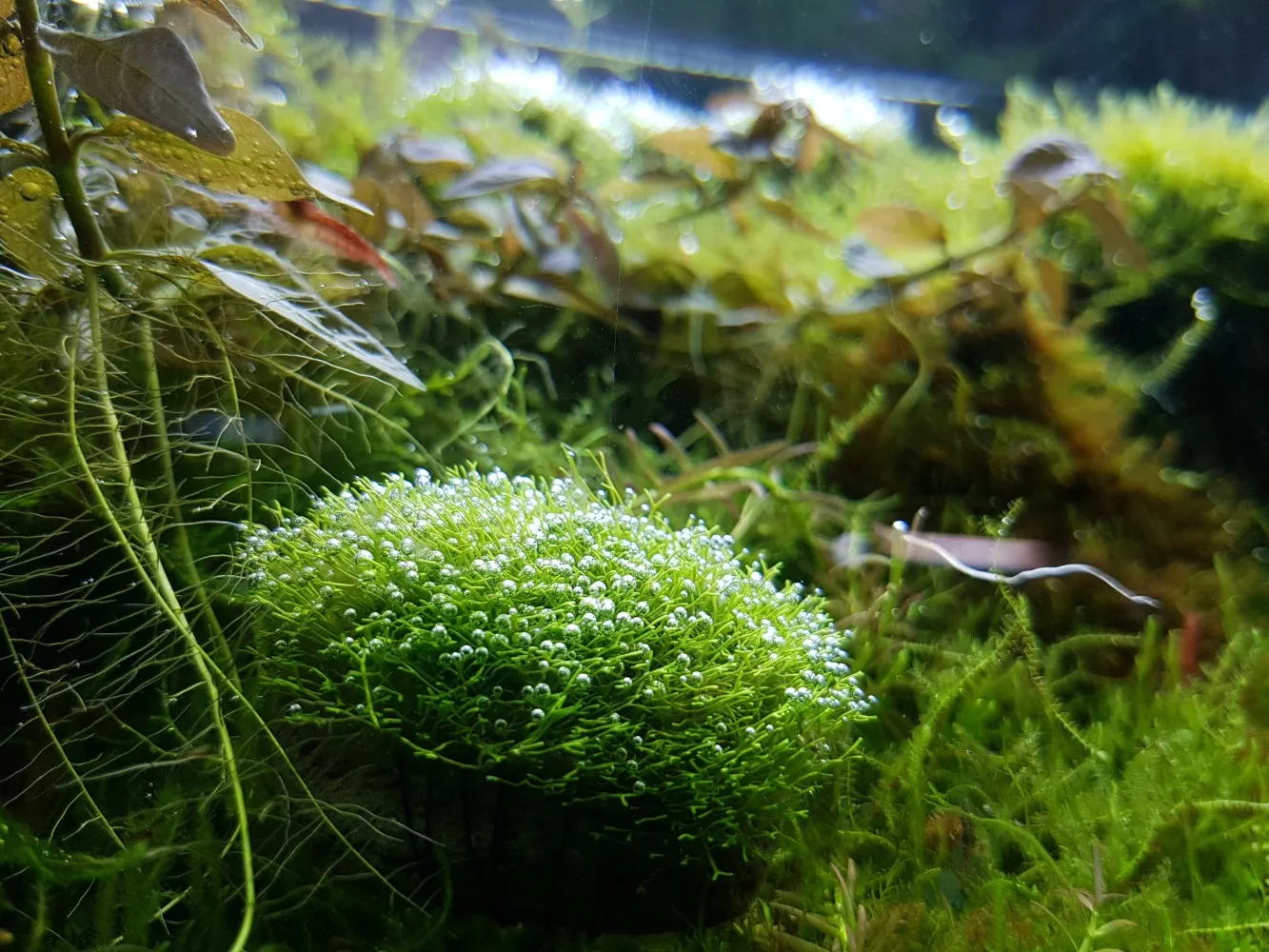
Riccia is excellent for creating a floating green carpet that softens hardscape and adds surface texture. It can be left drifting for a natural look or attached to wood and rocks to form a low foreground carpet.
Place Riccia at the surface to create shade and a soft canopy or tie small portions to hardscape in the foreground to form a low textured carpet. It works well as a focal softener and for providing shelter for fry and shrimp.
Good styles for this plant
Works well in nature and Dutch-influenced aquascapes where fine texture and surface coverage are desirable. It can also suit lowland biotope setups as a floating element.
Provides a bright green fine-textured mat that contrasts well with broader-leaved plants and wood. Its delicate fronds add a moss-like softness to hardscape and foreground areas.
Scales easily from nano tanks as a floating patch to larger aquariums where it can cover wide surface areas. In small tanks frequent pruning prevents it from shading lower plants too much.
Light and CO₂
Medium–high. Under stronger light Riccia forms compact dense mats and retains vivid color; in low light it becomes thin and may float in clumps.
CO₂ is recommended for the densest, most compact growth but Riccia will survive without injected CO₂ if nutrients and light are adequate.
8–10 hours daily. A consistent schedule helps prevent algae and keeps the mat vigorous.
Substrate and nutrients
Riccia does not root deeply and takes most nutrients from the water column, so regular liquid fertilization is important. When used as a tied carpet, proximity to a nutrient-rich substrate helps but is not essential.
Substrate preference
As a floating plant it has no strict substrate needs, but when attached it prefers fine-grained substrates such as sand or fine aquarium soil to hold anchoring thread or mesh. Nutrient-rich planted substrates benefit pinned carpets.
Nutrient needs
Requires steady nitrates and micronutrients, especially iron, for compact green growth; dosing with a complete liquid fertilizer supports healthy mats and prevents yellowing.
- Dose a complete liquid fertilizer weekly to maintain nitrates and trace elements
- Supplement iron if fronds pale or yellowing appears
- Keep nitrate levels moderate to prevent thinning and brown tips
Planting and propagation
Planting involves dividing Riccia into small portions and either leaving them floating or securing them to rock or wood. Propagation is simple by fragmentation; small bits will grow into new mats quickly under good light and nutrients.
How to plant
- Rinse and divide the Riccia into small clumps
- Tie clumps to rock or wood with thread or secure under mesh
- Place anchored clumps in desired area and trim loose pieces
Propagation method
Propagates easily by division and fragmentation as small pieces grow into new mats; tying or pinning encourages carpet formation. Regular trimming also produces more side branches and denser coverage.
- Use fine thread or fishing line to tie Riccia to hardscape
- Secure clumps under mesh for the first 1–2 weeks until attached
- Divide thick mats to prevent inner dieback and promote regrowth
Pruning and maintenance
Trim Riccia regularly to prevent the mat from becoming too dense and to allow light penetration to lower plants. Remove loose floating fragments and trim edges to maintain the desired shape and thickness.
Trimming style
Trim with scissors in small sections and thin the mat from the center outward to encourage fresh lateral growth and prevent rucking.
Maintenance frequency
Every 1–2 weeks in fast-growing tanks to control spread and prevent shading of lower plants. In slower setups monthly trimming may be sufficient.
Growth and health indicators
What healthy growth looks like
Healthy Riccia is a bright uniform green with tight, compact fronds forming an even mat without long floating strands. New growth appears as tight branching and gradual lateral expansion.
Signs it needs attention
Pale or yellowing fronds, patchy thinning, or long stringy fragments indicate nutrient deficiency or insufficient light and should prompt adjustment of fertilization and lighting.
Tankmates and compatibility
Generally compatible with peaceful community fish and invertebrates that do not feed heavily on plants. Avoid very active diggers that will uproot tied carpets or disturb floating mats.
Most small peaceful fish, shrimp, snails, and similar community species enjoy the cover and are compatible with Riccia carpets.
Avoid keeping Riccia with fish that uproot or aggressively forage on the substrate such as large cichlids and some loaches because they will disrupt attached mats.
Riccia can trap debris under thick mats so occasional lifting and cleaning is helpful. Shrimp and small fish use the mat for shelter and grazing which can aid maintenance.
Pro tips for this plant
Start with small anchored patches rather than a full surface cover to control spread easily.
Use fine mesh to hold Riccia in place until it attaches to hardscape.
Bright light plus steady micronutrients gives the most compact, vivid color.
Patchy growth
Patchy or thinning mats are usually caused by inadequate light or low nutrients; increase light gradually and maintain liquid fertilizer to encourage even coverage.
Algae overgrowth
Algae can colonize Riccia in tanks with excessive light or excess organics; reduce photoperiod, improve water flow, and perform regular maintenance to control algae.
Uprooting and drifting
Strong currents, large fish, or improper attachment will cause Riccia to break free and drift; secure clumps tightly and protect carpets from high flow or nibbler species.
Typical beginner mistakes
- Placing Riccia under too little light and expecting dense carpets
- Not securing clumps when trying to form a carpet over hardscape
- Overlooking regular trimming which leads to inner dieback and debris buildup
Short summary
Floating crystalwort is an adaptable floating or tied liverwort that forms fine, bright green mats and adds delicate texture to aquascapes. It grows quickly under medium to high light with steady nutrients and requires routine trimming and occasional attachment when used as a carpet.
Frequently asked questions (FAQs)
Can Riccia be used as a carpet?
Yes, Riccia can be tied down to rocks or wood to form a low carpet but it must be secured and trimmed until it attaches.
Does Riccia need CO₂ injection?
CO₂ is not essential but is recommended for the densest, most compact growth and faster spread.
How often should I trim Riccia?
Trim every one to two weeks in fast tanks and less often in slower setups to maintain shape and prevent shading.
Shrimp nibble on biofilm in Riccia but typically do not destroy healthy mats and can help keep it clean.
What causes Riccia to turn brown?
Brown or dying fronds are usually from low light, poor water quality, or nutrient deficiencies and improve with better light and fertilization.
Can Riccia survive in low light?
It will survive in low light but becomes thin and less attractive, so medium to high light is preferred for best results.