At a glance
Floating plant
Round leaves
Fast growth
Easy care
Description
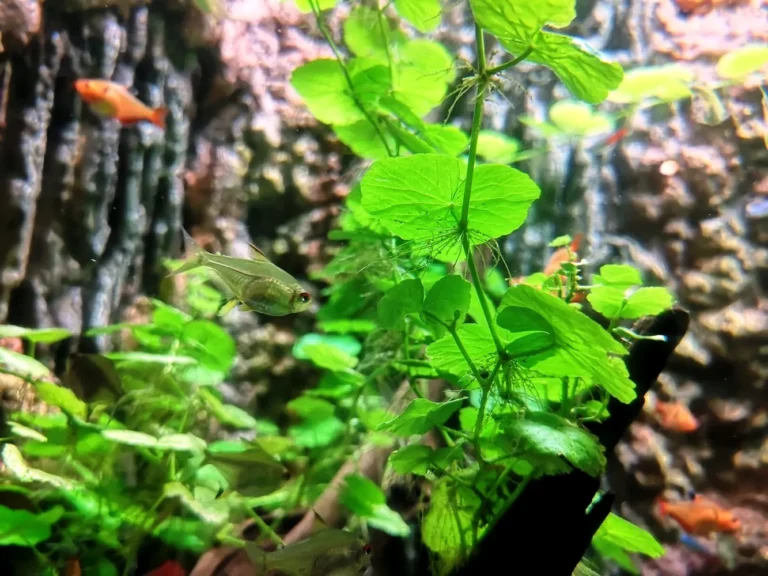
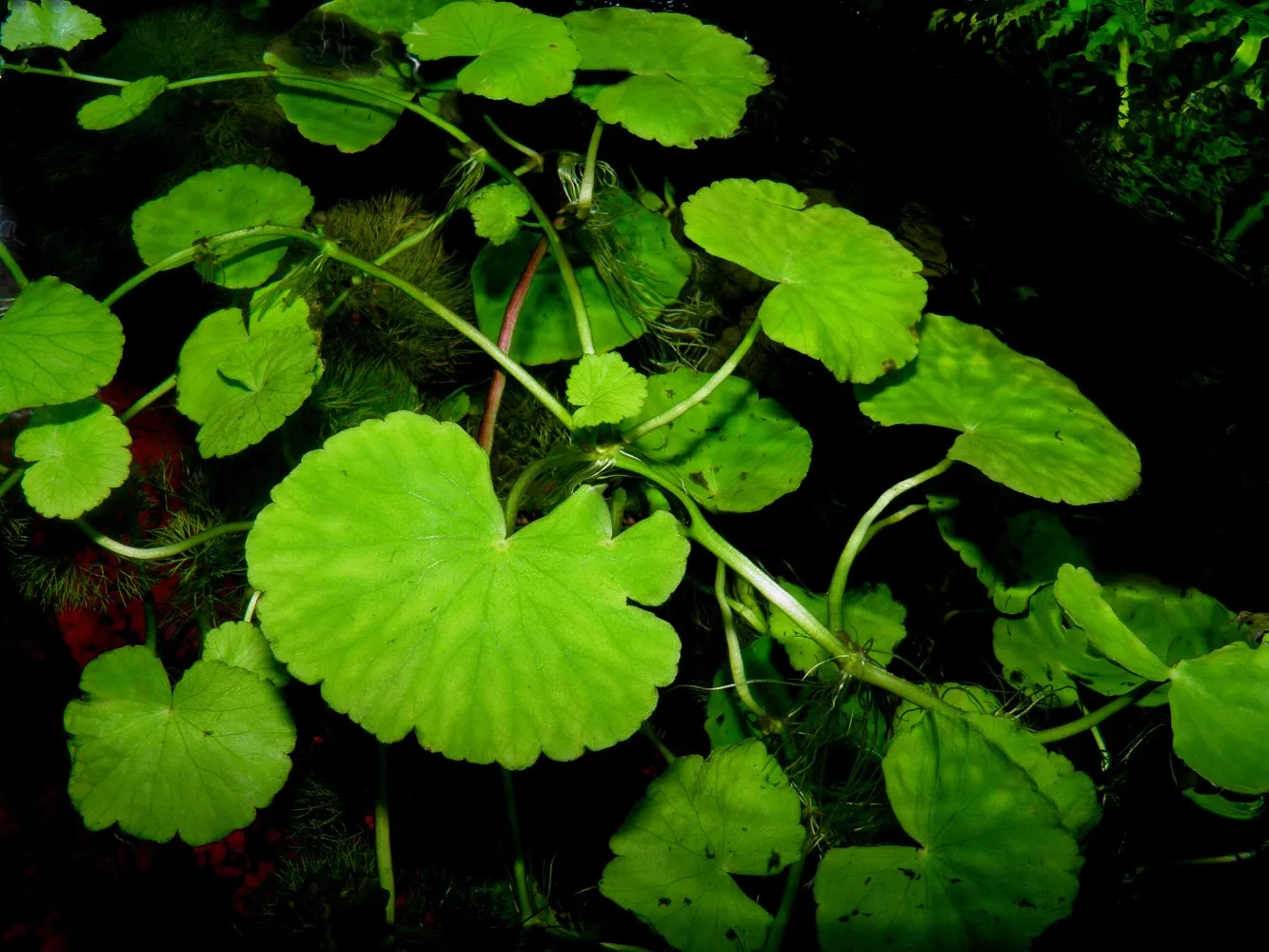
Brazilian pennywort (Hydrocotyle leucocephala) is a versatile aquatic plant with coin-shaped leaves on long creeping stems that can float or root. It forms a lacy canopy when left floating or a carpet-like spread when pinned to the substrate. Care is straightforward and it tolerates a wide range of conditions while preferring moderate light and regular nutrients. Regular trimming keeps it tidy and prevents it from crowding other plants.
Quick overview
Brazilian pennywort, Pennywort, Floating pennywort, Hydrocotyle
Leaves ~2–5 cm, stems ~5–40 cm
Ideal use in aquascaping
Brazilian pennywort is useful for creating floating cover, softening hardscapes, or forming loose foreground mats when pinned. It fills gaps quickly and adds horizontal interest with its round leaves. Its rapid growth is great for beginners who want fast impact.
Place it as a floating canopy to diffuse light or pin runners in the foreground or midground to create a low mound. It works well as a transitional plant between open water and denser midground species.
Good styles for this plant
Fits naturalistic and jungle-style layouts where a loose, airy surface or scattered leaf clusters are desirable. It can also be used in simple community tanks for a casual, planted look.
Leaves add bright fresh green tones and a soft rounded texture that contrasts with narrow-leaved stem plants. The overall effect is light and informal rather than tightly structured.
Scales well from small tanks to large aquaria but requires more trimming in smaller setups to avoid blocking light. In large tanks it can be used more freely as a floating meadow or trimmed into mats.
Light and CO₂
Medium–high. Under moderate to strong light it grows denser and more compact while low light yields longer stems and sparser leaves.
CO₂ is optional for healthy growth but added CO₂ will speed growth and improve leaf size and density.
8–10 hours daily. A consistent schedule helps prevent algae and keeps growth predictable.
Substrate and nutrients
Brazilian pennywort absorbs nutrients from the water column and from the substrate when rooted, so regular dosing helps when it is pinned. It tolerates plain sand or gravel as a floating plant but benefits from root fertilizer tabs if planted. Keep macro and micro nutrients balanced to avoid pale leaves or stunted growth.
Substrate preference
A fine nutrient-rich substrate or planted soil is best when you want it to root and form a carpet, while it will also do fine floating over any substrate. If planted, place root tabs nearby for sustained nutrition.
Nutrient needs
Requires steady macros and trace elements for robust growth and greener leaves; iron and nitrogen are particularly noticeable in leaf color. Supplement with water column fertilization if kept floating.
- Use weekly liquid macros and micros if plant is floating to maintain steady nutrition
- Place root tabs near pinned runners when planted to support rooting growth
- Monitor leaf color and add iron if yellowing appears
Planting and propagation
Propagation is very easy by cutting or separating runners and replanting or leaving pieces to float. It quickly produces new nodes and roots so small fragments will establish rapidly. This makes it ideal for fast fill-in or for sharing with other aquarists.
How to plant
- Trim a healthy runner section with several leaves
- Pin the runner or push stems gently into the substrate
- Use a small weight or plant pin to hold in place until roots form
Propagation method
Propagates primarily by vegetative runners and stem cuttings; rooted nodes form quickly and new plants can be separated and replanted. Floating fragments will also root when they contact substrate.
- Trim and replant every few nodes to create neat mats
- Use fine plant pins to hold runners without damaging stems
- Remove excess floating pieces to prevent unwanted spread
Pruning and maintenance
Frequent trimming is required to control its fast growth and prevent shading of lower plants. Pinch or trim back long runners and remove excess floating leaves to maintain desired coverage. Clean up trimmings promptly to avoid water quality issues.
Trimming style
Trim by pinching runners at nodes to encourage bushier growth or cut entire stems back to shape a mat or surface canopy.
Maintenance frequency
Every 1–2 weeks in moderate setups and weekly in high light conditions to prevent overgrowth. Remove trimmings after pruning to keep water clean.
Growth and health indicators
What healthy growth looks like
Healthy plants display vibrant green, round leaves with short internodes when grown under good light and nutrients. Roots appear quickly at nodes when stems contact substrate.
Signs it needs attention
Leggy stems, pale leaves, or slow growth indicate insufficient light or nutrients and may require dosing or trimming. Excessive surface coverage that darkens lower plants signals the need for thinning.
Tankmates and compatibility
Generally compatible with most peaceful community aquaria and works well with small schooling fish and invertebrates. Avoid allowing it to dominate tanks where other low-light plants need unobstructed light.
It pairs well with small peaceful community fish and freshwater shrimp without causing conflict.
Use caution with large digging species and aggressive fish that uproot or shred plants as they will damage the pennywort.
Remove floating debris and large clumps regularly to keep circulation and light levels even. It can colonize quickly so plan trimming to prevent nuisance growth.
Pro tips for this plant
Pin runners into fine substrate with plant pins to create a neat low mat.
Trim the top growth regularly and use cuttings to fill sparse areas quickly.
Add liquid fertiliser when kept floating to maintain leaf color and vigor.
Leggy growth
Leggy stems with wide internodes are usually caused by low light or nutrient stress; increase light gradually and dose fertilizers to encourage compact growth.
Yellowing leaves
Yellow leaves often point to nutrient deficiencies such as iron or nitrogen and can be corrected with targeted dosing or root tabs if planted.
Algae on leaves
Algae growth on leaves results from excess light or imbalanced nutrients; reduce photoperiod, improve water flow, and maintain regular maintenance to reduce algae.
Typical beginner mistakes
- Letting it cover the entire surface and block light to lower plants
- Neglecting regular trims which leads to dense mats and poor circulation
- Failing to dose nutrients when kept floating which causes pale or slow growth
Short summary
Brazilian pennywort is a fast, easy-to-grow aquatic plant with round leaves that can float or be pinned to form mats. It tolerates a range of conditions but rewards moderate light and steady nutrients with compact, vigorous growth.
Frequently asked questions (FAQs)
Can Brazilian pennywort float permanently?
Yes, it can be kept floating indefinitely and will absorb nutrients from the water column while providing surface cover.
It can spread rapidly if unchecked, so regular trimming or removal of excess runners is needed to keep it controlled.
Is CO2 necessary for this plant?
CO2 is optional but will increase growth rate and improve leaf density and size under good lighting.
How do I plant it in the substrate?
Pin runners to the substrate or tuck node sections into the gravel with plant pins and provide root tabs for best establishment.
Does it need special fertilizers?
No special fertilizer is required but balanced macro and micro dosing, including iron, keeps leaves healthy especially when floating.
Can shrimp eat or damage it?
Most shrimp will nibble but not destroy the plant and they often help keep leaves clean and free of detritus.