At a glance
Colorful
Hardy
Plant-safe
Peaceful
Description
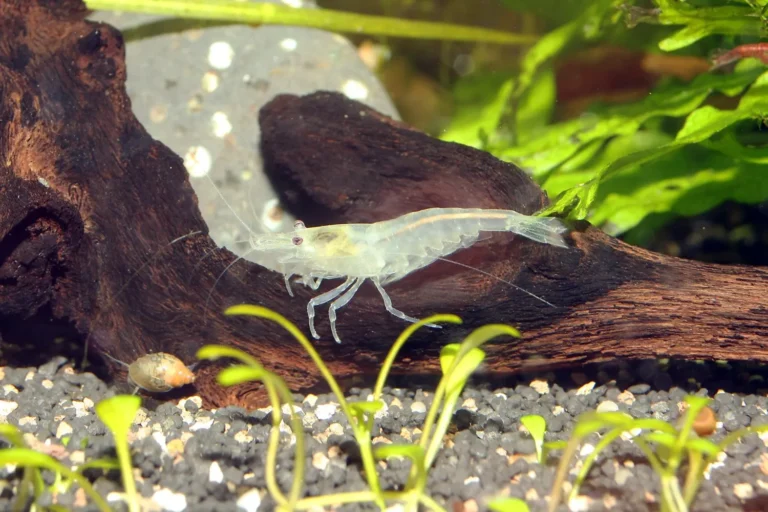
Snow White Shrimp is a striking Neocaridina variety valued for its clean white coloration and contrast in planted tanks. Neocaridina zhangjiajiensis is an active grazer that spends most of its time picking at biofilm and algae without harming plants. They are generally peaceful and do best in stable, well-established aquariums with plenty of hiding spots. Care is straightforward for beginners who maintain stable water parameters and provide mineral supplementation for molts.
Quick overview
Snow White Shrimp, Snow White Neocaridina
Neocaridina zhangjiajiensis
2–3.5 cm (0.8–1.4 inches)
20 liters (5 gallons) for a colony
Ideal aquarium setup
A densely planted aquascape with lots of moss, low-light carpeting plants, and shaded areas mimics their natural grazing habitat and promotes biofilm growth. Provide plenty of small caves and leaf litter for hiding and molting; stable parameters and gradual changes are important for their health. Avoid aggressive tankmates and sharp decor that can harm soft new molts.
A 20–40 liter tank is fine for a small colony, while larger tanks are better for stability and population growth. Aim for space to establish moss and microhabitats rather than crowding the tank with high fish biomass.
Moderate to low lighting encourages biofilm and limits nuisance algae while still supporting plants; very bright light can increase algae blooms that may require more maintenance. Balance light duration to promote grazing opportunities without stressing the shrimp.
Fully plant-safe; they will not eat healthy plants and benefit from dense planting and mosses for grazing and nursery areas. Use Java moss, moss walls, and carpeting plants to give juveniles cover and surfaces for biofilm.
Low to moderate, gentle flow helps distribute food and prevents build-up of detritus without sweeping small shrimp around.
Neutral inert gravel or sand works well for Neocaridina and allows flexibility; buffering soils are not required and can make parameter control harder.
Use driftwood, smooth stones, and dense moss clumps to create crevices and molt shelters. Java moss, Christmas moss, and fragmented leaf litter are excellent for hiding places and for cultivating biofilm.
Behavior and temperament
Snow White Shrimp are peaceful and rarely interact aggressively with tankmates, preferring to graze alone or in groups. They are social in the sense that they often feed together on the same surfaces and feel safer in colonies. Molting makes them vulnerable, so they retreat to hiding places until their new shell hardens. They are most active during the day and evening when grazing surfaces for biofilm.
Molting and health
Molting happens regularly as they grow, typically every few weeks for juveniles and less often for adults; successful molts require dissolved minerals and stable water chemistry. Signs of poor molting include stuck molts, lethargy, or frequent failed molts, often caused by low calcium, unstable pH, or poor water quality. Maintaining consistent parameters and offering mineral supplements reduces molting problems and mortality.
- Provide a mineral supplement or shrimp-specific salt to supply calcium and trace elements
- Keep water parameters stable with regular small water changes
- Offer hiding spots like moss and leaf litter for vulnerable molts
Diet and feeding
Snow White Shrimp are omnivorous scavengers that graze biofilm, algae, and detritus in the aquarium and will accept a variety of supplemental foods. Offer a mix of high-quality sinking shrimp pellets, blanched vegetables, and occasional algae wafers to balance nutrition without overfeeding. Monitor feeding to avoid excess food that fouls the water.
What they eat in nature
biofilm, algae, detritus, plant matter, microorganisms
What to feed in the aquarium
- High-quality sinking shrimp pellets
- Blanched vegetables (zucchini, spinach)
- Algae wafers and spirulina
- Leaf litter like Indian almond leaves
- Mineral supplements for shrimp
Feeding schedule
Feed small portions once daily or every other day, only what they can consume within a few hours to prevent water quality issues.
Special dietary needs
They benefit from accessible calcium and trace minerals to support healthy molts and shell hardness.
Daily:
Feed small, controlled portions to supplement biofilm grazing and avoid leftover food that degrades water quality.
Weekly:
Perform small weekly water changes and occasionally offer a vegetable or protein treat to diversify diet and remove waste.
Always:
Maintain a source of natural biofilm by keeping surfaces clean but not sterile and provide continuous access to minerals for molts.
Tankmate compatibility
They are best kept with other peaceful invertebrates and very small, non-predatory fish; larger or aggressive fish will prey on shrimp. Choose tankmates that share similar water requirements and avoid species known to hunt small invertebrates.
Yes with caution, Snow White shrimp mix well with other Neocaridina varieties but avoid keeping them with Caridina species that require different water chemistry and avoid uncontrolled crossbreeding if color purity is desired.
Yes, they coexist well with most peaceful freshwater snails such as nerites and mystery snails and share grazing surfaces without conflict.
Small nano fish like ember tetras, Boraras rasboras, and Celestial pearl danios are generally safe with shrimp provided there are ample hiding spots. Bottom-dwelling peaceful species like Corydoras pygmaeus can also be good companions.
Larger or semi-aggressive fish such as larger barbs, gouramis, or cichlids pose a predation risk and should be avoided with shrimp-only setups. Even curious mid-sized fish can stress juveniles and reduce survival rates.
They do best in colonies and exhibit social grazing behavior, so keeping groups of at least 10 helps them feel secure and encourages breeding. Ensure enough space, hiding spots, and food so the colony can grow healthily.
Breeding
Breeding Snow White Shrimp is straightforward in a stable aquarium with adequate food and mineral levels; they reproduce readily when comfortable. Females become berried and carry eggs until they hatch; juveniles are miniature versions of adults and do not require larval water changes.
Difficulty
Easy, breeding is easier than many Caridina since Neocaridina tolerate a wider range of parameters and have direct-developing young.
How they breed
Females carry eggs under the abdomen until hatching.
Best setup for breeding
Provide dense moss, leaf litter, and numerous hiding places with stable water parameters and gentle filtration to protect juveniles. Keep the tank species-only or with very peaceful companions to maximize survival of young shrimp.
Feeding the babies
Juveniles feed on biofilm and microscopic organisms; supplement with powdered commercial foods and very fine powdered shrimp foods or crushed pellets. Ensure abundant moss and surfaces where biofilm can develop as a primary food source.
Pro tips
Cycle and mature the tank before adding shrimp to ensure stable water chemistry.
Use oak or Indian almond leaves to provide natural food and gentle tannins for shrimp health.
Avoid copper-containing medications and test water regularly for ammonia and nitrite.
Poor water quality
Ammonia or nitrite spikes and high nitrate stress shrimp and cause deaths; small regular water changes help prevent this.
Molting failure
Lack of calcium or unstable pH can cause stuck molts; provide minerals and stable conditions to reduce risks.
Predation losses
Keeping shrimp with larger or hungry fish leads to missing individuals; use species-only or very small peaceful fish to protect juveniles.
Typical beginner mistakes
- Introducing shrimp to an uncycled tank
- Mixing incompatible tankmates
- Overfeeding and poor maintenance
Short summary
Snow White Shrimp are a peaceful, attractive Neocaridina variety ideal for planted nano and shrimp-specific tanks. They are hardy and suitable for beginners who maintain stable water and provide minerals for healthy molts. With proper care they breed readily and make a lively addition to aquascapes.
Frequently asked questions (FAQs)
Are Snow White Shrimp hard to keep?
No, they are considered easy and hardy compared with many Caridina species.
No, they are plant-safe and prefer biofilm and detritus over healthy plant tissue.
They tolerate pH 6.5–8.0, with stable mid-range pH being ideal.
Can they live with small fish?
Yes, with very small peaceful fish like ember tetras, provided there are hiding spots.
How often should I feed them?
Feed small portions once daily or every other day and remove uneaten food after a few hours.
Do they need special minerals?
Yes, supplemental calcium and trace minerals help ensure successful molts and strong shells.