At a glance
Peaceful
Algae grazer
Hardy
Plant-safe
Description
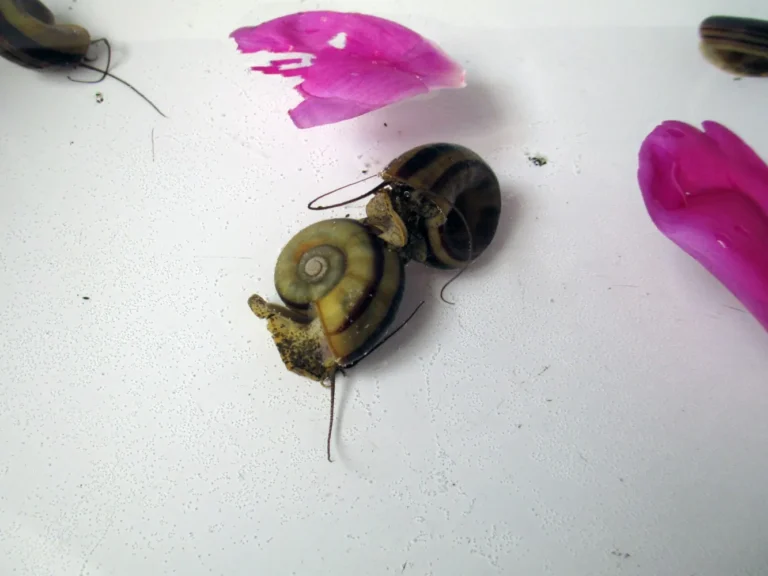
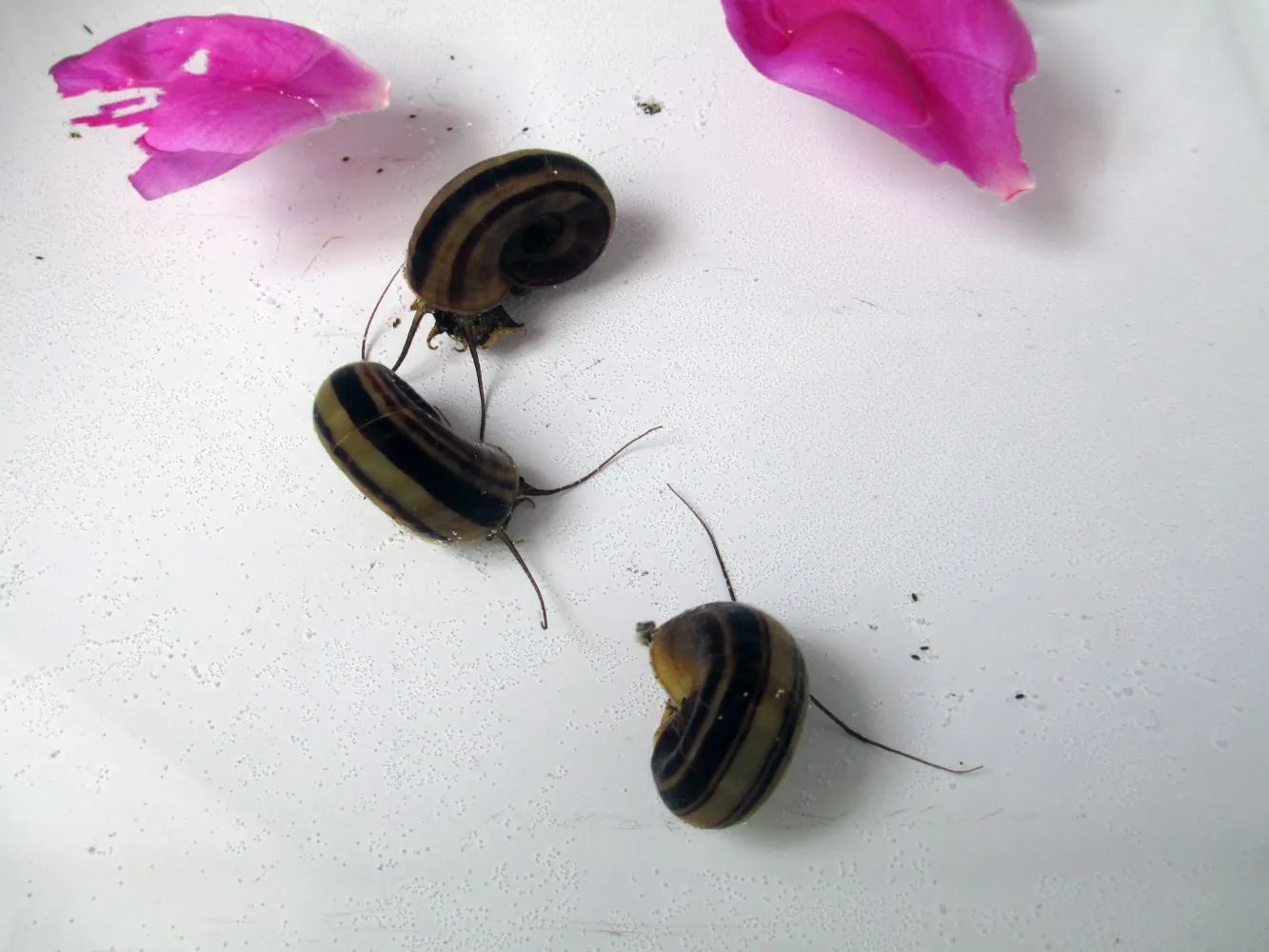
Giant Ramshorn Snail (Planorbarius corneus) has a broad, flattened coiled shell that can reach a few centimeters across and often appears dark or mottled; the shell is planispiral rather than conical. These snails are active grazers that move across glass, leaves, and hardscape searching for algae and biofilm, and they are generally calm and visible during the day. They adapt well to planted aquascapes when calcium and stable water parameters are provided, and they rarely damage healthy mature plants. Their size and slow, steady grazing make them useful cleanup crew members in medium to large tanks.

Quick overview
Giant Ramshorn,Large Ramshorn,Planorbarius snail
20 liters (5 gallons) minimum
Ideal aquarium setup
A planted or heavily decorated aquarium with plenty of hard surfaces for grazing suits this snail; aim for stable temperature and chemistry rather than extremes. They benefit from a steady calcium source to prevent shell erosion and are generally plant-safe, though very soft new plant leaves may get occasional nibbles. Good filtration and routine water changes keep biofilm production consistent without compromising water quality.
A single snail is fine in a small tank but a 20–40 liter aquarium gives more stable parameters and room for a small group; larger tanks are better if you want multiple snails. Stability is more important than volume alone, so avoid frequent parameter swings.
Fine gravel or sand works well; they do not burrow deeply but will move over and under plants and rocks. Avoid very sharp substrates that could damage the foot or shell.
Generally plant-safe with a low risk to mature leaves, though they may nibble very soft delicate plants or new growth; provide alternative foods to discourage targeting living plants. Rooted and hardy plants like Java fern and Anubias are ideal companions.
Smooth rocks, driftwood, and leaves provide surfaces for algae and biofilm to grow and places to hide. Avoid sharp edges that could chip shells and offer horizontal surfaces for egg laying and grazing.
Low to moderate flow is best because strong currents make grazing harder and force them into sheltered spots.
Moderate lighting encourages healthy plant growth and predictable algae growth, which these snails feed on. Very high light may increase nuisance algae, while too low light reduces their natural food source.
Behavior and temperament
Giant ramshorn snails are slow-moving, steady grazers that spend most of their time on hardscape and plant leaves searching for algae and biofilm. They are very peaceful and ignore most tankmates, making them good community aquarium residents. When stressed by poor water or low calcium they retreat and may reduce movement or hide for extended periods. They are more active at night and during low-light periods but are often visible during the day in healthy tanks.
Diet and feeding
They primarily graze on algae and biofilm but will also scavenge detritus and decaying plant matter; supplemental vegetables and sinking wafers help keep them healthy. Regular calcium sources are important to maintain a strong shell and prevent erosion.
What they eat in nature
Algae, biofilm, detritus, decaying plant matter, microorganisms
What to feed in the aquarium
- Algae and biofilm
- Blanched zucchini, spinach, or cucumber
- Sinking algae wafers
- Cuttlebone or crushed coral for calcium
- Leaf litter such as Indian almond leaves
Feeding schedule
Feed supplemental vegetables or wafers every 2–3 days or as needed when algae is scarce, removing uneaten food after 24 hours.
Special dietary needs
Regular calcium supplementation is essential for shell health; provide cuttlebone, crushed coral, or calcium-rich vegetables. Monitor shell condition and add minerals if you see pitting or erosion.
Daily:
Observe activity and check for fresh grazing areas daily.
Weekly:
Offer blanched vegetables or an algae wafer once or twice a week as a supplement.
Always:
Always provide a calcium source such as cuttlebone or crushed coral in the tank.
Tankmate compatibility
These snails are peaceful and fit well in community aquariums with small, non-predatory fish and invertebrates but are vulnerable to snail-eating species. They help control algae and rarely bother healthy plants, though prolific breeding can lead to crowding if unchecked. Avoid keeping them with known snail predators.
Yes with caution - They coexist well with most peaceful shrimp but may compete for biofilm; large shrimp like amano are fine companions.
Compatible with many other snail species but expect competition for food and the potential for rapid population increase.
Small tetras, rasboras, danios, and peaceful gouramis are usually safe choices; these fish will ignore or coexist with ramshorns. Avoid fish known to nip or disturb slow movers.
Loaches, puffers, and many cichlids may eat or harass ramshorn snails; keep them separated to protect the snails. Even curious semi-aggressive fish can stress or injure the snails over time.
They are hermaphroditic and breed readily in good conditions, so populations can grow quickly; provide space and monitor numbers if you want to avoid overpopulation.
Breeding
Giant Ramshorn Snails can breed in freshwater and are hermaphrodites, so any two individuals can mate and produce offspring; adults lay small gelatinous egg masses attached to hard surfaces or plant leaves. The eggs hatch into miniature snails without a larval stage, and under ideal conditions juveniles mature quickly, which can lead to rapid population growth. If you want to control numbers remove egg clutches or limit excess food and hide places, while ensuring adults still have calcium to avoid shell problems.
Pro tips
Provide a visible piece of cuttlebone in the tank to allow continuous calcium access.
Remove uneaten vegetables after 24 hours to prevent water quality issues.
Inspect shells regularly for pitting or erosion as an early sign of calcium deficiency or poor water chemistry.
Shell erosion
Low calcium or acidic water leads to shell pitting and thinning; raise GH and add calcium supplements to repair and prevent further damage.
Overpopulation
Rapid breeding in a well-fed tank can lead to crowding and increased waste; control numbers by removing egg clutches or reducing excess food and hiding spots.
Poor water quality
High nitrate or ammonia levels cause stress and reduced activity; maintain regular water changes and stable filtration to keep snails healthy.
Typical beginner mistakes
- Low calcium and soft shells
- Poor water quality from overfeeding
- Keeping with snail-eating fish
Short summary
The Giant Ramshorn Snail is a peaceful, hardy algae grazer well suited to planted aquascapes when given stable water and adequate calcium. They clean glass, hardscape, and leaves of biofilm and algae while rarely harming established plants. Easy to keep but capable of fast breeding, they are an excellent cleanup crew for beginner to intermediate aquascapers.
Frequently asked questions (FAQs)
Are giant ramshorns safe with plants?
Yes, they are generally plant-safe and prefer algae and detritus, though very soft new leaves may be nibbled occasionally.
How do I prevent shell erosion?
Ensure stable pH and GH, provide a calcium source like cuttlebone or crushed coral, and avoid acidic water conditions.
Will they overrun my tank?
They can reproduce rapidly under ideal conditions, so remove excess egg clutches and avoid overfeeding to control population.
Do they need special heating?
No special heating is required beyond typical tropical freshwater ranges; keep temperature stable and within community tank norms.
Can I keep them with shrimp?
Yes, they usually coexist well with peaceful shrimp species, though they may compete for biofilm food sources.
What do baby ramshorns eat?
Juveniles feed on the same biofilm and algae as adults and will also accept tiny bits of blanched vegetables and powdered supplements.