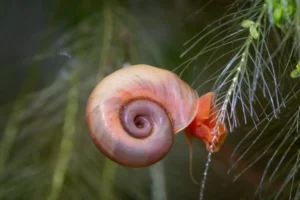
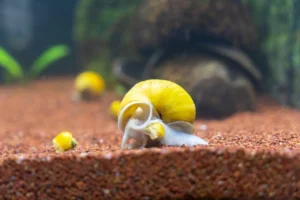
At a glance
Predatory
Snail eater
Nocturnal
Plant safe
Description
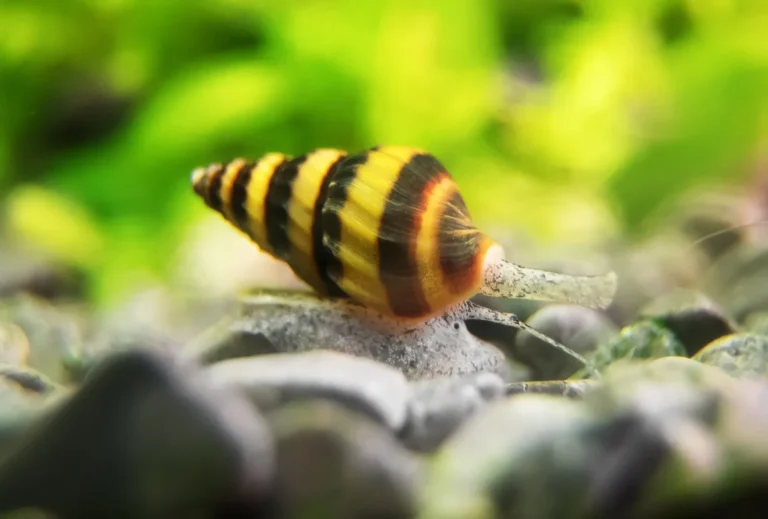
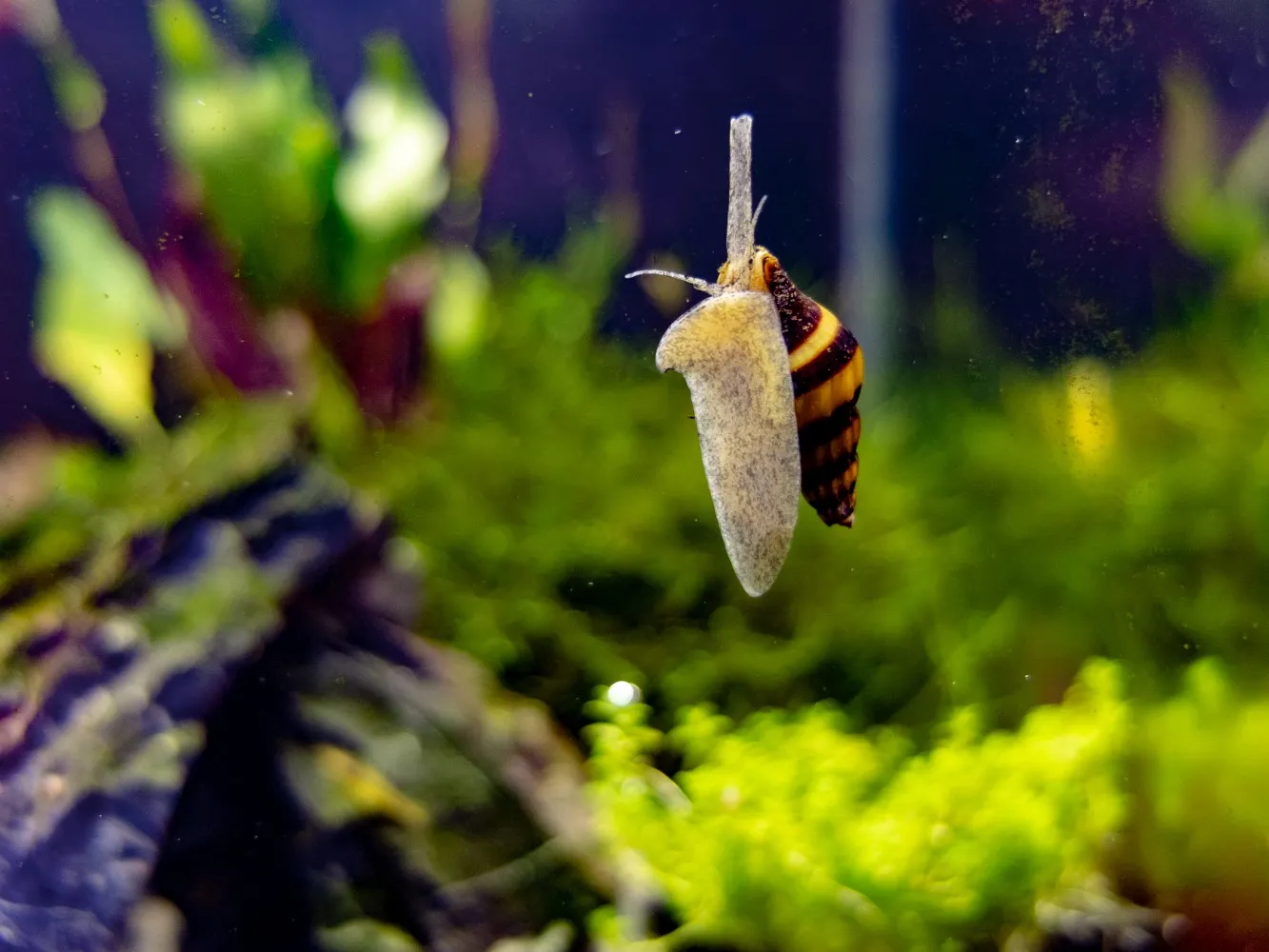
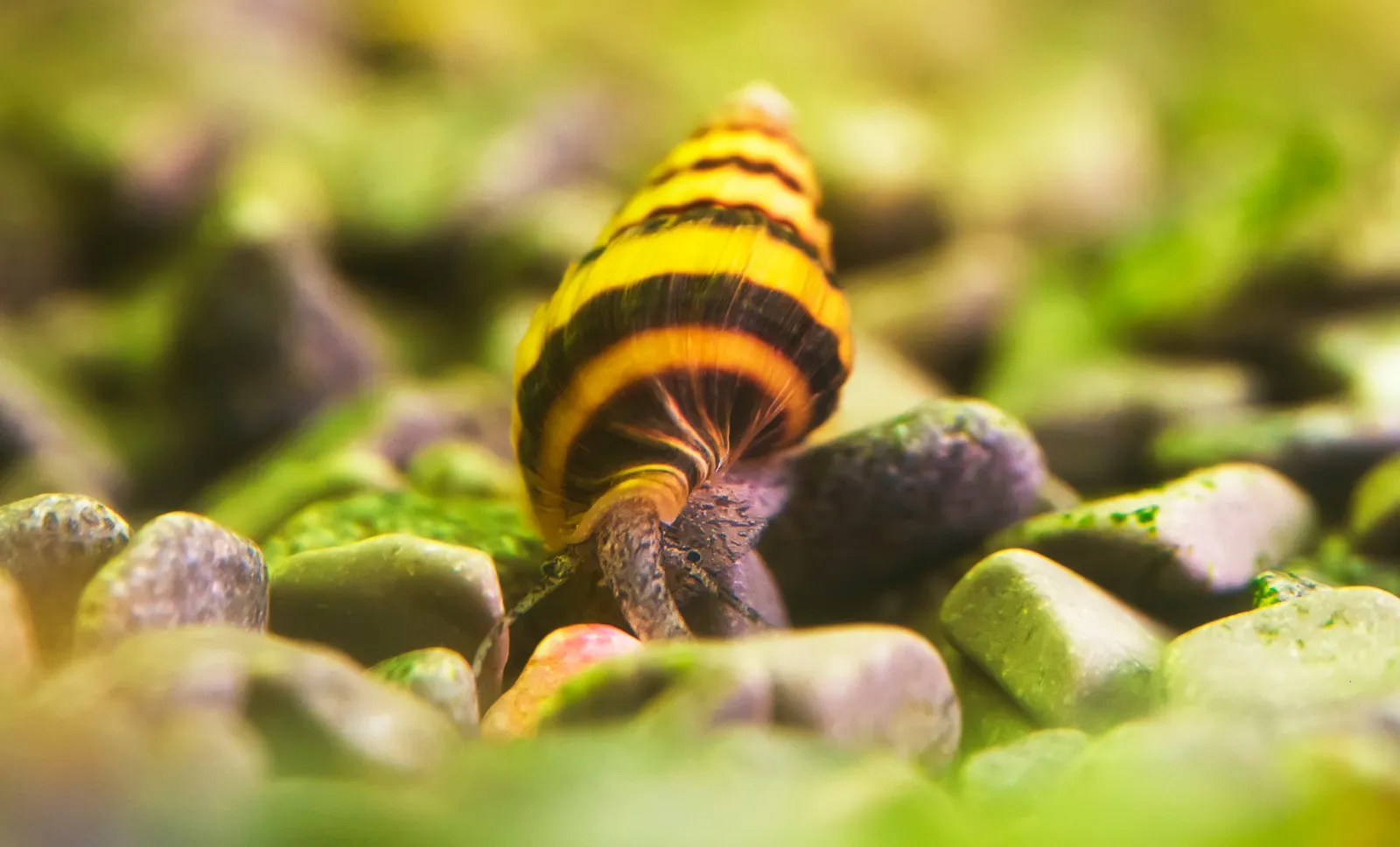
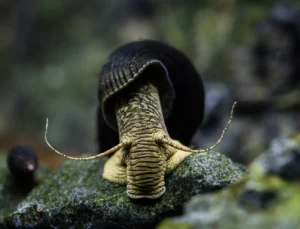
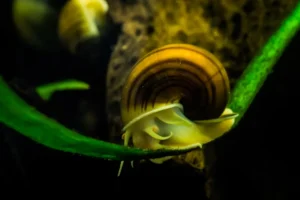
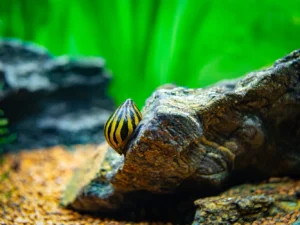
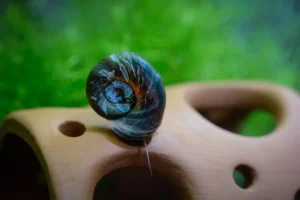
Assassin snail is a small, elongated freshwater snail with a conical, banded shell and a pointed operculum; the species is usually sold as Anentome helena. It has a distinctive striped shell pattern, a pronounced siphon, and a slow, deliberate gait as it hunts other snails and meaty food. These snails are active mostly at night and are valued in aquascapes for controlling pest snail populations without harming plants. They are relatively shy, appreciate hiding spots, and are well suited to planted tanks with stable water conditions.

Quick overview
Assassin snail, Malaysian assassin snail, Vampire snail
2–3.5 cm (0.8–1.4 inches)
20 liters (5 gallons) minimum
Ideal aquarium setup
A planted, well-established aquarium with plenty of hiding places and stable water parameters suits assassin snails well; they prefer mature tanks with soft biofilm and occasional prey. Provide a steady calcium source to support shell health and avoid large swings in pH or temperature. They are plant-safe and will not normally damage healthy plants while hunting small snails and detritus.
A small group does fine in 20–40 liters, but larger tanks reduce competition and maintain water stability; aim for stable parameters rather than a large volume only. Avoid very small tanks where water chemistry can change quickly and stress the snails.
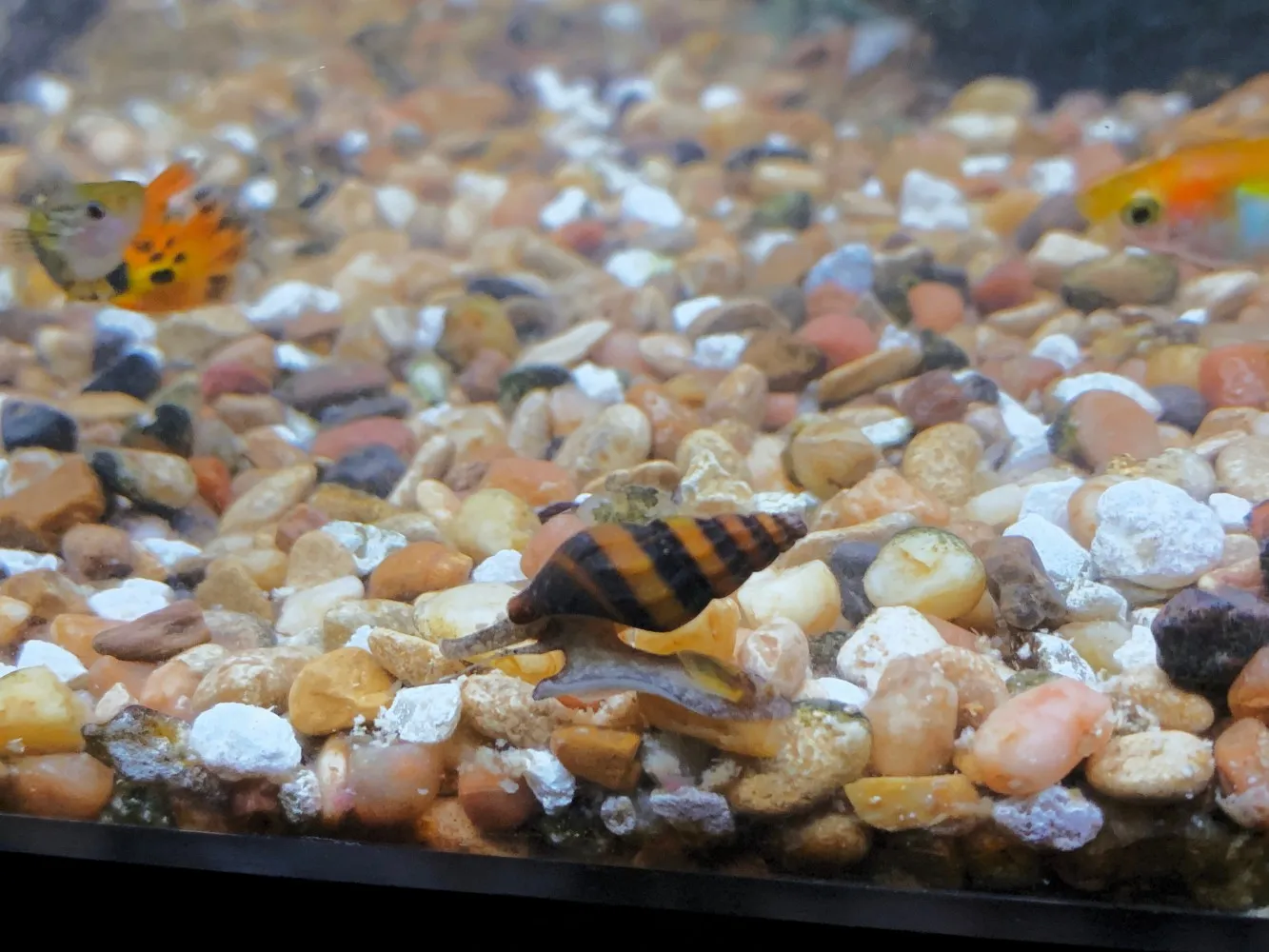
Fine gravel or sand works well since they crawl across surfaces rather than burrow deeply, and smooth substrate reduces shell wear.
Plant-safe; assassin snails do not typically graze live plant tissue and are considered safe in most planted aquascapes. Young delicate plants may be disturbed if snails burrow around roots, but direct damage is uncommon.
Provide smooth rocks, driftwood, and dense planting for hiding spots and hunting cover; avoid sharp-edged decor that can chip or erode shells. Caves and crevices let them retreat during the day and ambush small snails at night.
Low to moderate flow is best because strong currents can stress the snail and make hunting difficult.
Moderate lighting that supports plant growth will also encourage algae and biofilm, which helps juvenile snails but is not their main food. Assassin snails rely on meaty foods and prey, so lighting is mostly important for the overall tank ecosystem rather than direct feeding.

Behavior and temperament
Assassin snails are stealthy, mostly nocturnal hunters that actively seek out small snails and meaty food; they move slowly and deliberately while foraging. They are otherwise peaceful toward fish and invertebrates but will attack much smaller snails as prey. When stressed by poor water quality or predators they retract and hide and may refuse food. Overall they are low-maintenance but benefit from stable, clean water and hiding places.
Diet and feeding
These snails are primarily carnivorous and prefer live or frozen meaty foods such as pest snails, worms, and frozen bloodworms, but they will also scavenge detritus. They do not rely on algae as a main food source, so regular feeding of meaty items and supplemental calcium is important.
What they eat in nature
Small snails, worms, carrion, insect larvae, detritus
What to feed in the aquarium
- Frozen bloodworms
- Sinking carnivore pellets
- Pieces of shrimp or fish
- Live or frozen snails (pest snails)
- Cuttlebone or crushed coral for calcium
Feeding schedule
Offer meaty foods every 2–3 days and remove uneaten portions after 24 hours to protect water quality.
Special dietary needs
They need regular calcium supplementation and occasional mineral sources like cuttlebone or crushed coral to prevent shell erosion.
Daily:
Check for activity and remove uneaten food daily to keep water clean.
Weekly:
Provide a calcium supplement such as a small piece of cuttlebone once a week if tank hardness is low.
Always:
Always maintain stable water parameters and monitor shell condition for signs of deficiency.
Tankmate compatibility
Assassin snails are peaceful toward most tankmates but are effective predators of small snails, so they will reduce pest snail populations. Avoid housing them with snail-eating fish or aggressive species that will harass or eat them. They are useful in community tanks with non-predatory fish and help control snail outbreaks without harming plants.
Yes with caution; adult shrimp are usually safe but assassin snails may eat very small or baby shrimp, so avoid mixing with breeder colonies.
Will prey on small snails and may reduce pest snail numbers, so do not expect harmony with tiny pest species.
Small peaceful fish like tetras, rasboras, and peaceful rasboras coexist well and will not bother assassin snails; these fish also help maintain a balanced tank without predation pressure on the snails.
Be wary of loaches, puffers, and some cichlids as they may attack or eat assassin snails and should not be kept together.
They can be kept in small groups and generally coexist peacefully; breeding is possible so population can increase slowly if conditions support mating and egg laying.
Breeding
Assassin snails can breed in freshwater and reproduce sexually, laying small clusters of eggs attached to surfaces or under leaves; eggs hatch into juvenile snails rather than free-swimming larvae. Breeding is not explosive and population growth is typically gradual because they need prey or adequate food to raise young. If you keep many adults together with abundant food, expect a steady but controlled increase in numbers.
Pro tips
Offer a mix of live or frozen meaty foods to satisfy their carnivorous diet.
Keep a cuttlebone or crushed coral in the tank to supply calcium for healthy shells.
Provide hiding spots and stable water to reduce stress and encourage natural hunting.
Calcium deficiency
Soft or pitted shells indicate low calcium or low hardness; add cuttlebone, crushed coral, or raise GH to remedy the problem.
Predation by fish
Keeping assassin snails with snail-eating fish or aggressive species leads to injury or loss; move snails to a secure tank or remove predators.
Poor water quality
Uneaten meaty foods and excess waste cause ammonia spikes that stress snails; feed sparingly and maintain regular water changes.
Typical beginner mistakes
- Keeping with snail-eating fish
- Low calcium or soft water
- Overfeeding meaty foods
Short summary
Assassin snails are small, carnivorous snails prized for controlling pest snail populations in planted tanks while being plant-safe. They are peaceful with most community fish, require a calcium-rich diet and stable water, and are suitable for beginner to intermediate aquascapers. With correct care they offer a natural, low-maintenance way to manage unwanted snails without harming plants.
Frequently asked questions (FAQs)
Will assassin snails eat pest snails?
Yes, assassin snails actively hunt and eat many small pest snail species and are effective biological control agents in aquariums.
Can they live with shrimp and small fish?
They coexist with most adult shrimp and peaceful small fish but may eat baby shrimp, so use caution with breeding shrimp tanks.
How do I prevent shell erosion?
Maintain moderate to high GH, provide cuttlebone or crushed coral, and avoid acidic or very soft water to protect their shells.
Do they damage live plants?
No, assassin snails are generally plant-safe and do not eat healthy plant tissue in established aquascapes.
Will they reproduce rapidly in my tank?
They can breed in freshwater but reproduction is usually slow and steady rather than explosive, especially if food is limited.
What should I feed if no pest snails are present?
Offer frozen or fresh meaty foods like bloodworms, sinking carnivore pellets, or small pieces of fish or shrimp and supplement calcium regularly.